
What Happened to De La Soul? The Tragic Victory That Changed Hip-Hop Forever
De La Soul fought for 30 years to get their music back. They finally won—and then lost everything.
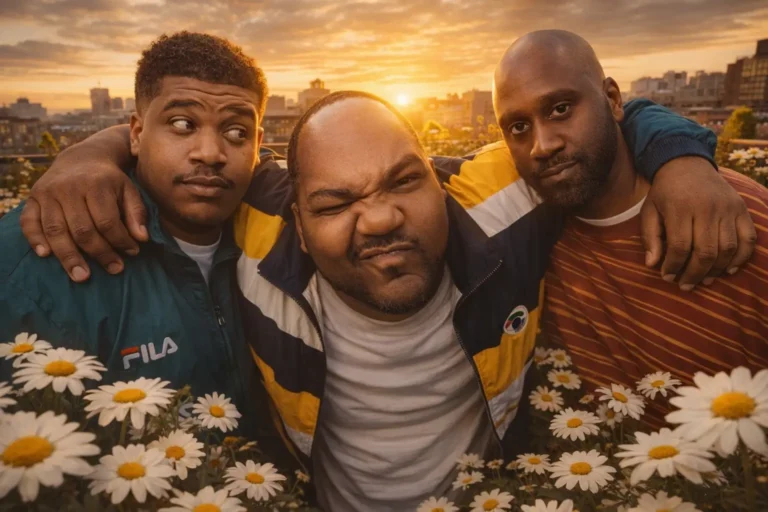
On March 3, 2023, De La Soul’s legendary catalog finally hit streaming platforms. Fans around the world celebrated. Critics called it a long-overdue victory. But the celebration was hollow. Three weeks earlier, David “Trugoy the Dove” Jolicoeur—the heart and soul of De La Soul—had died at 54.
He never got to see it.
This is the story of hip-hop’s most bittersweet triumph: how three kids from Long Island changed music forever, spent three decades fighting for their own art, and what it cost them.
Quick Facts: De La Soul
| Formed | 1987, Amityville, New York |
| Members | Posdnuos (Kelvin Mercer), Trugoy the Dove (David Jolicoeur, d. 2023), Maseo (Vincent Mason) |
| Debut Album | 3 Feet High and Rising (1989) |
| Label History | Tommy Boy Records (1988-2019), Independent via Reservoir (2023-present) |
| Catalog Streaming | March 3, 2023 (after 30+ year dispute) |
| Latest Album | Cabin in the Sky (November 21, 2025) |
| Legacy | Native Tongues founders, influenced OutKast, The Roots, Kanye West, Pharrell Williams |
Three Kids from Amityville: Where It All Started
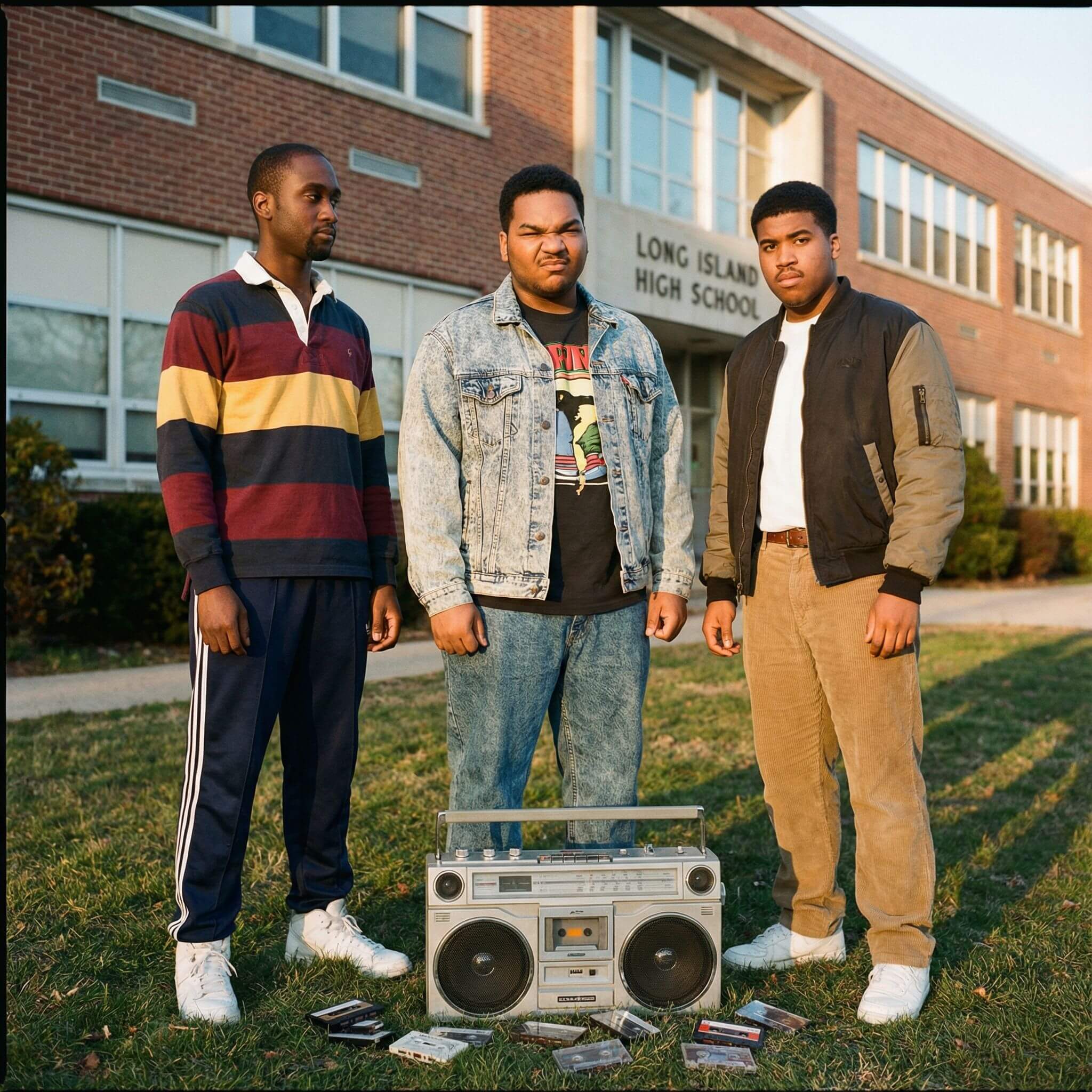
Before De La Soul became legends, they were just three Black kids navigating the mostly white suburbs of Long Island.
Kelvin Mercer, David Jolicoeur, and Vincent Mason met at Amityville Memorial High School in the mid-1980s. The same Amityville famous for that haunted house. But these three weren’t interested in horror stories—they were building something new.
Jolicoeur, the son of Haitian immigrants, had grown up in East Massapequa. He’d later reveal that his stage name “Trugoy” was simply “yogurt” spelled backwards—a perfect example of the playful, irreverent spirit that would define the group.
Through their high school friend Paul Huston—who’d become legendary producer Prince Paul—the trio found their sound. It wasn’t the hard-edged street narratives dominating New York hip-hop. It was something weirder. Funnier. More colorful.
They called themselves De La Soul. And they were about to flip everything upside down.
3 Feet High and Rising: The Album That Changed Everything
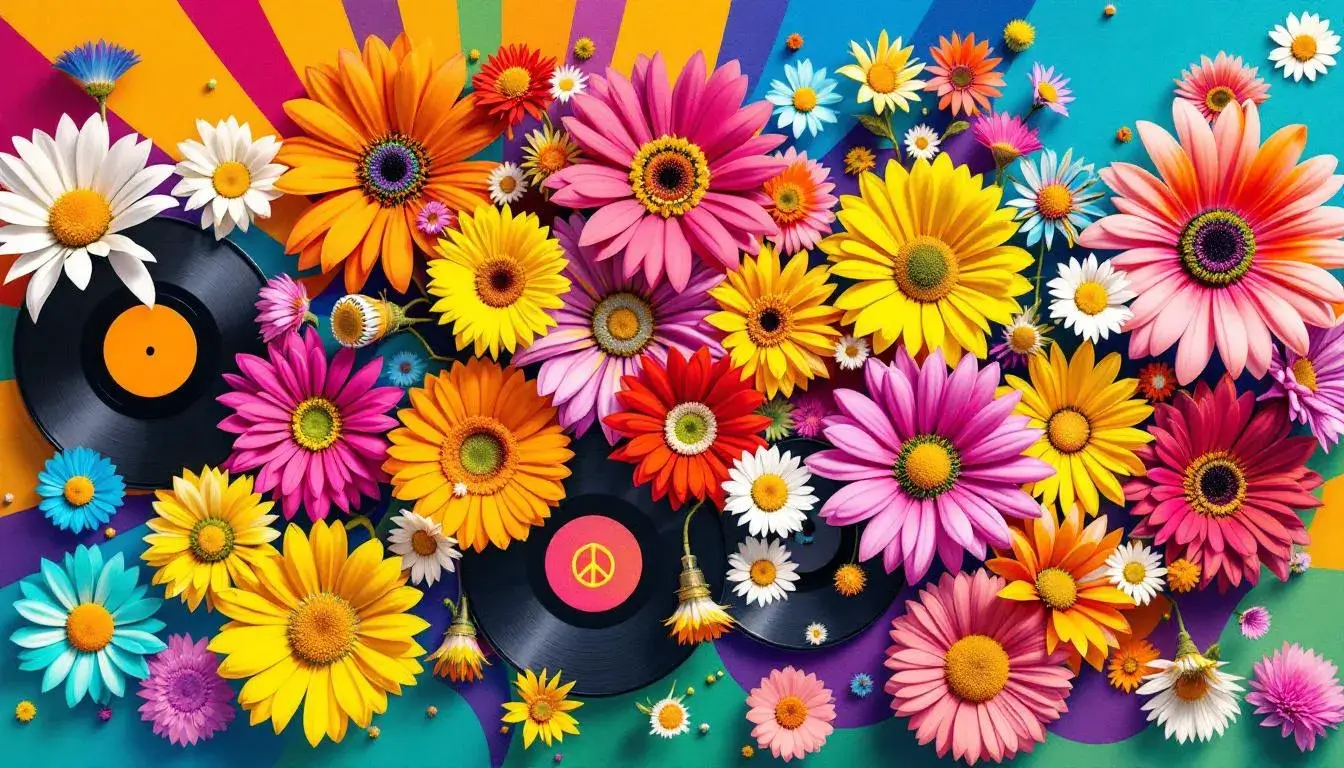
When 3 Feet High and Rising dropped on March 3, 1989, hip-hop had never heard anything like it.
While other MCs rapped about street life, De La Soul built sonic collages from French lessons, game show samples, and Steely Dan loops. The cover featured daisies and peace signs. Critics immediately labeled them “the hippies of hip-hop.”
The album was revolutionary for several reasons:
The Sampling Innovation. Prince Paul and De La Soul didn’t just sample beats—they sampled everything. Obscure funk, French language records, comedy albums. The result was a kaleidoscope of sound that felt like flipping through radio stations in a dream.
The D.A.I.S.Y. Age Philosophy. The acronym stood for “Da Inner Sound, Y’all”—a rejection of hip-hop’s growing machismo in favor of self-expression and individuality. “Me Myself and I” became an anthem for being yourself when everyone expected you to conform.
The Skits and Interludes. The album played like a radio show, with fake commercials, game show segments, and comedic interludes. It was hip-hop as theater.
The album went platinum. “Me Myself and I” became an inescapable hit. Suddenly, hip-hop had room for weirdos, intellectuals, and artists who didn’t fit the mold.
But success came with complications. 3 Feet High and Rising used samples from over 60 different sources. In 1989, sample clearance was the Wild West. Within years, those samples would become a noose around De La Soul’s neck.
The Native Tongues: A Movement Is Born
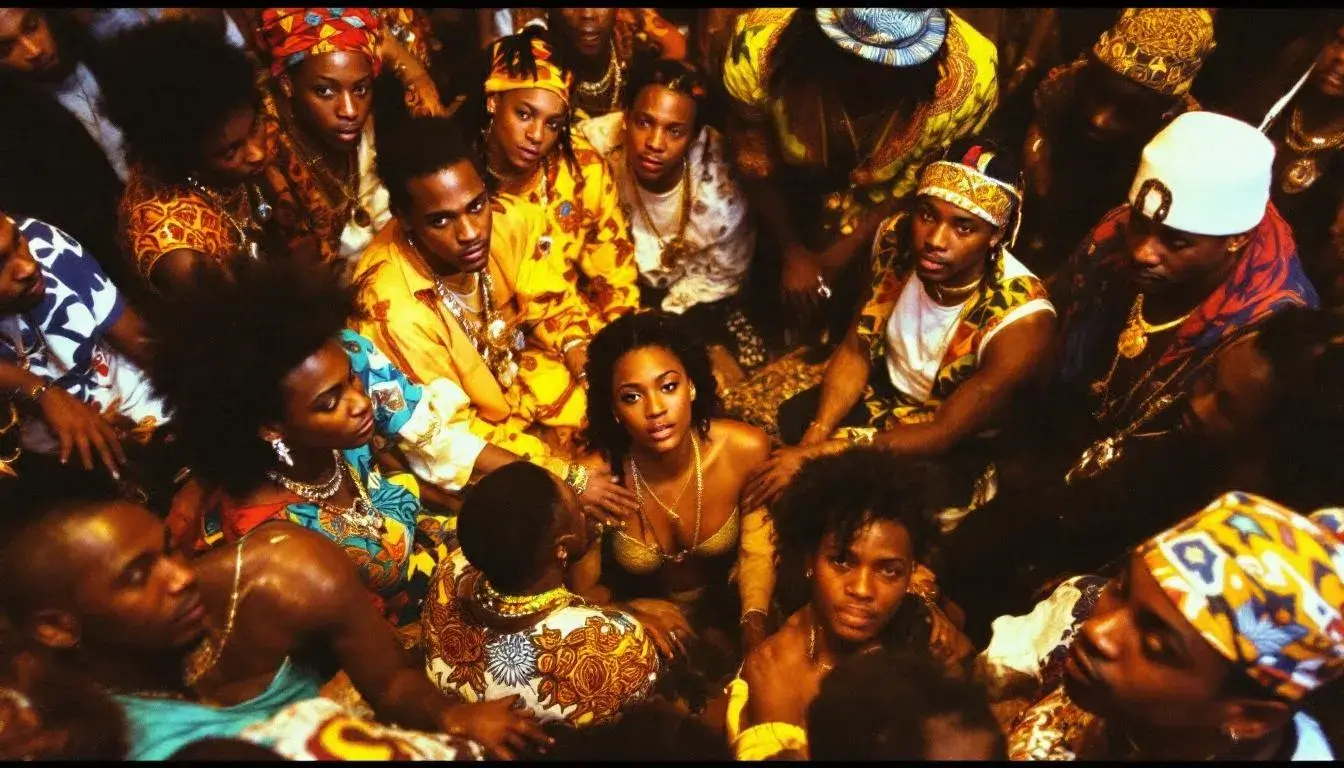
De La Soul didn’t just make an album—they sparked a movement.
The Native Tongues collective formed when De La Soul connected with the Jungle Brothers at a show in Boston. The chemistry was immediate. They invited Jungle Brothers to a studio session where they were recording “Buddy,” and something clicked.
“It wasn’t business; it wasn’t for a check,” Trugoy later recalled. “It was just trading ideas and just seeing what you’re doing. Bottom line, it was just having fun.”
Soon the collective expanded. A Tribe Called Quest. Queen Latifah. Monie Love. Black Sheep. These artists shared a philosophy: hip-hop could be positive, Afrocentric, and jazz-influenced without sacrificing credibility.
The Native Tongues name came from a line in “African Cry” by the funk group New Birth: “took away our native tongues.” It was a statement of reclamation—Black artists taking ownership of their cultural voice.
Q-Tip of A Tribe Called Quest remembered meeting De La Soul for the first time: “Afrika Baby Bam called me that night, like, two in the morning. ‘Yo these kids, De La Soul, you gotta meet ’em! I swear we’re just alike!’ I went there, met them, and it was just fuckin’ love at first sight.”
The movement’s influence radiates through hip-hop history. OutKast. The Roots. Common. J Dilla. Lauryn Hill. MF DOOM. Pharrell Williams. Kanye West. All of them trace lineage back to what Native Tongues made possible.
But by 1993, the collective had fractured. Trugoy himself declared, “That native shit is dead.” The groups remained friends, but the formal movement had run its course.
De La Soul, however, kept going. And their next battle would last three decades.
The 30-Year War: Fighting Tommy Boy for Their Own Music

Here’s what most fans don’t know: for over 30 years, De La Soul didn’t own their music. And they barely profited from it.
The problem started with samples. 3 Feet High and Rising sampled so many sources that clearing everything for streaming was a legal nightmare. But the deeper issue was their contract with Tommy Boy Records—a deal signed when they were teenagers that gave the label control of their masters.
As streaming became the dominant way people consumed music, De La Soul’s catalog remained locked in the vault. While their contemporaries earned royalties from Spotify and Apple Music, De La Soul got nothing.
In 2014, frustration reached a breaking point. De La Soul gave away their entire catalog for free through a 24-hour download event. If they couldn’t profit from their own music, at least fans could hear it.
In 2019, it looked like a breakthrough was coming. Tommy Boy announced plans to bring the catalog to streaming. But then De La Soul saw the deal: a reported 90/10 split—with Tommy Boy keeping 90%.
De La Soul walked away and publicly cut ties with the label.
“Your purchases will go to Tommy Boy,” they told fans, “not to us.”
The deadlock seemed permanent. Then, in 2021, something changed.
Reservoir Media, a music publishing company, acquired Tommy Boy Records. Unlike the previous owners, Reservoir’s leadership actually wanted to fix the relationship.
“We presented a solution that was probably 98% of where we ended up,” said Rell Lafargue, Reservoir’s president. “It wasn’t some long, drawn-out thing. From day one, we saw eye to eye.”
The new deal empowered De La Soul. They went to rights holders themselves to clear samples. They became owners of their masters with Reservoir handling distribution and marketing. After 30 years, they were finally in control.
March 3, 2023 was circled on the calendar. The magic date—03/03/23—when the catalog would finally hit streaming platforms.
But fate had other plans.
Victory and Loss: The Week That Broke Everything
February 5, 2023. The 65th Annual Grammy Awards.
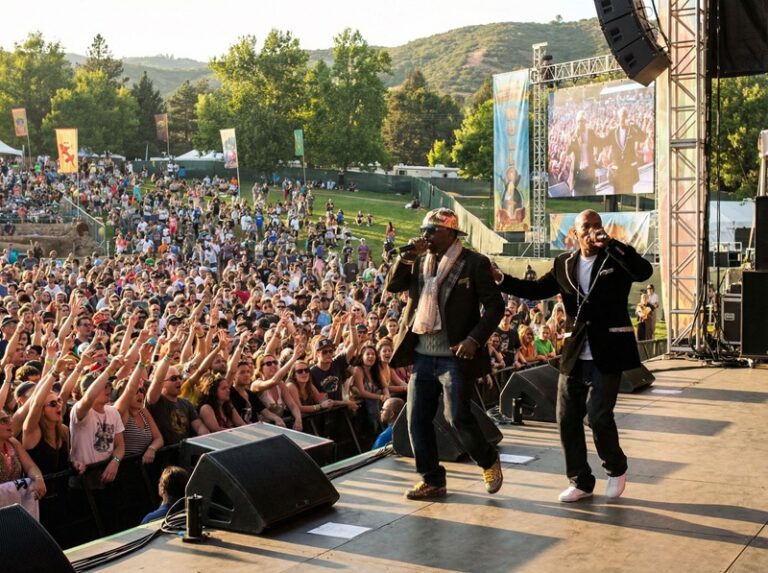
Hip-hop was celebrating 50 years with a legendary tribute performance. Run-DMC. LL Cool J. Salt-N-Pepa. Missy Elliott. And De La Soul, performing “Buddy.”
But only two members took the stage. Trugoy was too sick to perform.
He’d been battling congestive heart failure for years. In 2017, he’d revealed his condition in the music video for “Royalty Capes,” showing the LifeVest defibrillator he wore to shock his heart if it stopped.
“It will shock me, and hopefully bring me back from the matrix,” he’d explained. “I’m ready just to get back to the stage. I miss it. I love traveling; I love being around my guys. And I want that back.”
One week after the Grammys, on February 12, 2023, David Jolicoeur died at age 54.
He was three weeks away from seeing his music finally available to stream.
Reservoir’s Rell Lafargue said what everyone was thinking: “I think we’re in denial. I think that we’re in shock… Dave was such an important part of this group. I don’t think that anyone here has really processed it yet.”
But they kept the date. March 3, 2023. The day De La Soul had circled. Trugoy had circled.
When the catalog went live, it was both a celebration and a memorial. Millions of streams poured in from fans old and new. The music that had been locked away for decades was finally free.
And the man who’d fought longest and hardest for this moment wasn’t there to see it.
Cabin in the Sky: The Legacy Continues

In November 2025, Posdnuos and Maseo released Cabin in the Sky—De La Soul’s ninth studio album and first since Trugoy’s death.
The title itself is a tribute. And the album features something precious: Trugoy’s unreleased vocals, recorded before his passing.
Released through Mass Appeal Records as part of their “Legend Has It…” series, Cabin in the Sky reunites the group with Prince Paul, their original producer, for the first time since their earliest albums. It also features a murderer’s row of guests: Nas, Common, Black Thought, Q-Tip, Slick Rick, Killer Mike, and production from DJ Premier and Pete Rock.
Critics embraced it. Metacritic scored it 81. NME wrote that the album examines “the impact he had on their personal and creative lives” while highlighting “the late rapper’s pivotal role in US hip-hop history.”
The surviving members aren’t just mourning. They’re continuing what the three of them started in Amityville all those years ago.
As Maseo has said, it’s “bittersweet.” De La Soul is still De La Soul. But there’s an empty space where Trugoy used to be. And there always will be.
The Legacy: Why De La Soul Still Matters
De La Soul’s influence on hip-hop is impossible to overstate.
They proved that hip-hop could be weird, intellectual, and joyful without losing its edge. They showed that sampling could be an art form unto itself. They created space for artists who didn’t fit the gangsta mold—and in doing so, expanded what hip-hop could be.
Every backpack rapper owes them a debt. Every hip-hop artist who prioritizes creativity over formula is walking a path De La Soul paved. When Pharrell produces off-kilter pop or Kendrick Lamar experiments with jazz fusion, the lineage traces back to three kids from Amityville.
But their legacy goes beyond music. De La Soul’s 30-year battle for their catalog exposed the exploitative contracts that trapped countless artists. Their fight—and their ultimate victory—became a cautionary tale and a roadmap for artists’ rights.
They won. But the cost was devastating.
Trugoy the Dove spent his entire adult life creating art that changed the world, then fighting to own it. He never got to enjoy the victory. He never got to see millions of new fans discover his work through streaming.
That’s the tragedy of De La Soul. They were pioneers who never stopped pushing forward, even when the industry pushed back. They were friends who stayed friends for 35 years. They were artists who believed in their vision when no one else did.
And in the end, they proved that the music was worth fighting for.
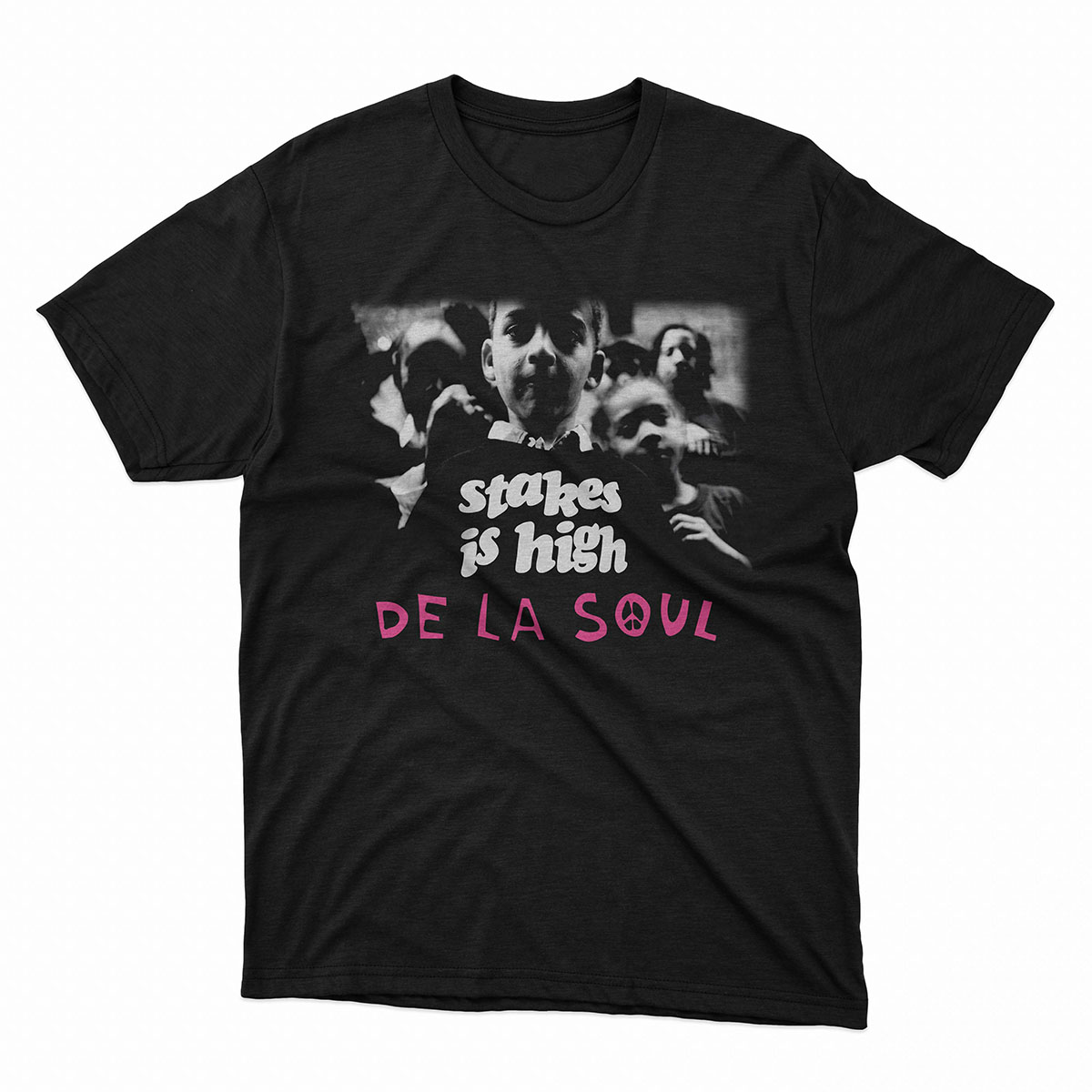
Want to rep the D.A.I.S.Y. Age legends? Our De La Soul “Stakes Is High” T-Shirt celebrates their 1996 masterpiece—a tribute to the trio that proved hip-hop could be conscious, creative, and funky all at once.
Rep the Native Tongues Legends
True hip-hop heads know: De La Soul changed everything. Show your love for the D.A.I.S.Y. Age pioneers with our premium fan art tee celebrating their 1996 classic Stakes Is High.
Soft 100% cotton. Bold design. Pure hip-hop history.
Frequently Asked Questions
Why wasn’t De La Soul’s music on Spotify for so long?
De La Soul’s extensive sampling (over 60 sources on their debut alone) combined with an unfavorable contract with Tommy Boy Records kept their catalog off streaming platforms for years. Clearing samples for streaming required permission from every rights holder, a massive legal undertaking. Additionally, Tommy Boy reportedly offered the group only 10% of streaming revenue, which they refused. The issues were finally resolved when Reservoir Media acquired Tommy Boy in 2021 and negotiated a fair deal.
How did Trugoy the Dove die?
David Jolicoeur (Trugoy the Dove) died on February 12, 2023, at age 54. He had been suffering from congestive heart failure for several years and wore a LifeVest defibrillator to manage the condition. The exact cause of death was not publicly disclosed. He passed away just three weeks before De La Soul’s catalog finally became available on streaming platforms.
What does “De La Soul” mean?
“De La Soul” roughly translates from Spanish as “of the soul.” The name reflects the group’s philosophy of creating music from a place of genuine artistic expression and spiritual authenticity, rather than following commercial trends.
Are Posdnuos and Maseo still making music?
Yes. Posdnuos (Kelvin Mercer) and Maseo (Vincent Mason) continue to perform and record as De La Soul. Their 2025 album Cabin in the Sky features unreleased vocals from Trugoy, keeping his voice present in the group’s work. They also continue to tour and perform at festivals.
What was the Native Tongues collective?
The Native Tongues was a late 1980s/early 1990s hip-hop collective known for positive, Afrocentric lyrics and jazz-influenced beats. Core members included De La Soul, A Tribe Called Quest, and the Jungle Brothers, with Queen Latifah, Monie Love, Black Sheep, and Chi-Ali also part of the group. While the collective informally disbanded by 1993, its influence on alternative and conscious hip-hop remains profound.
Is De La Soul in the Rock and Roll Hall of Fame?
As of 2025, De La Soul has not been inducted into the Rock and Roll Hall of Fame, though they have been nominated. Many critics and fans consider their exclusion a significant oversight given their foundational influence on hip-hop.
What is De La Soul’s most famous song?
“Me Myself and I” (1989) remains their biggest mainstream hit, reaching #1 on the Billboard Hot Rap Singles chart. However, songs like “Ring Ring Ring (Ha Ha Hey),” “Stakes Is High,” “Eye Know,” and their collaboration with Gorillaz on “Feel Good Inc.” (which won a Grammy in 2006) are also considered classics.
Did De La Soul win any Grammys?
De La Soul won a Grammy Award in 2006 for Best Pop Collaboration with Vocals for “Feel Good Inc.” with Gorillaz. Trugoy co-wrote the song. The group has received multiple Grammy nominations throughout their career.
What happened to De La Soul is a story of triumph and tragedy—pioneers who changed music forever, fought for decades to own their art, and won just in time to lose one of their own. But their music endures. And now, finally, the world can stream it.

🎧 Never Miss a Drop
Exclusive product releases, hip-hop deep dives, and member-only discounts. Straight to your inbox.
Free forever. No spam. Unsubscribe anytime.
Get the Culture, Delivered
Deep dives into hip-hop history, exclusive product drops, and discounts sent straight to your inbox. No spam, just culture.
Join 2,000+ hip-hop heads already in the loop. Unsubscribe anytime.