OutKast Albums Ranked: The Complete Discography Guide
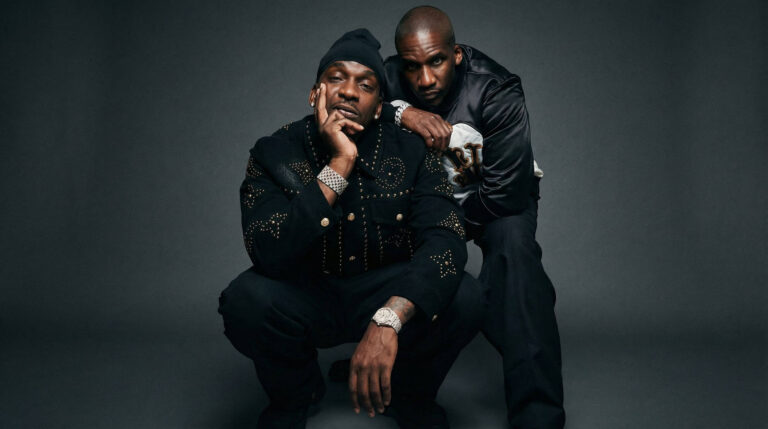
If you came here looking for a quick list of OutKast albums, here’s the short answer: six studio albums, one soundtrack, one greatest hits, and roughly twelve years of music that bent the shape of hip-hop until the genre had to make room for what Atlanta was doing. The long answer is the one worth your time — because every record Big Boi and Andre 3000 dropped under the OutKast name was a different bet on what southern rap could be, and almost every one of those bets paid out in platinum, in awards, and in influence you can still hear in 2026.
This guide walks the complete OutKast discography in order: how they got signed to LaFace, what each record was actually about, why the back half of their run rewrote the rules of major-label hip-hop, and where the catalog sits today — culminating in a ranked breakdown, an FAQ, and a few cultural receipts most listicles skip. By the end you will know exactly which OutKast album to start with, which one to save until you have earned it, and why their two best records are still arguing with each other in fan polls thirty years later.
The Atlanta Origin: How OutKast Found LaFace
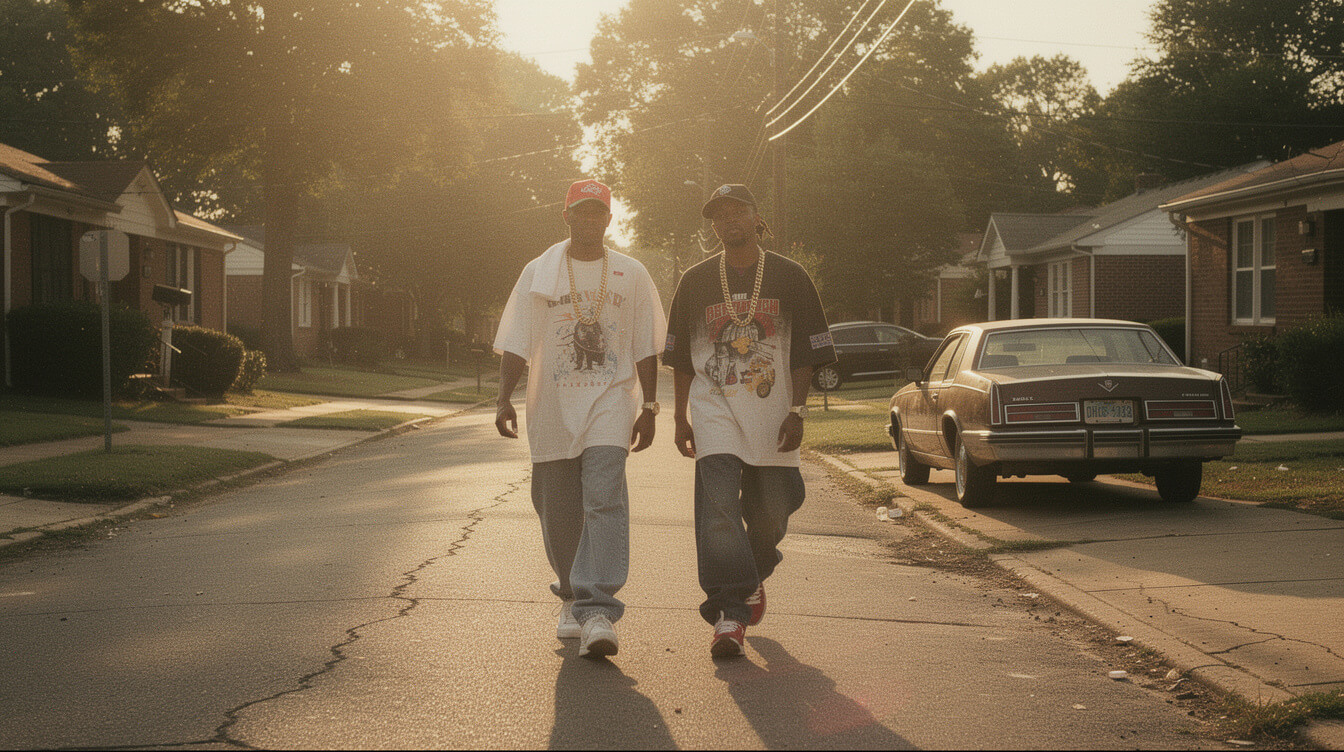
OutKast started in East Point, Georgia — a working-class suburb just south of Atlanta where Antwan “Big Boi” Patton and Andre “Andre 3000” Benjamin met as teenagers at Tri-Cities High School. They formed a group called 2 Shades Deep in 1991, dropped that name for OutKast (a nod to feeling like outsiders in a hip-hop scene that still treated everything below the Mason-Dixon line like a flyover), and by 1992 they had walked into the LaFace Records office on Spring Street with three songs and the confidence of two seventeen-year-olds who already knew they were nice.
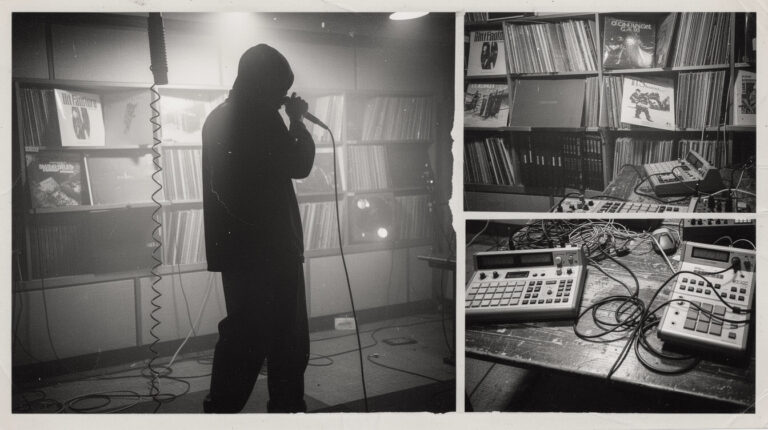
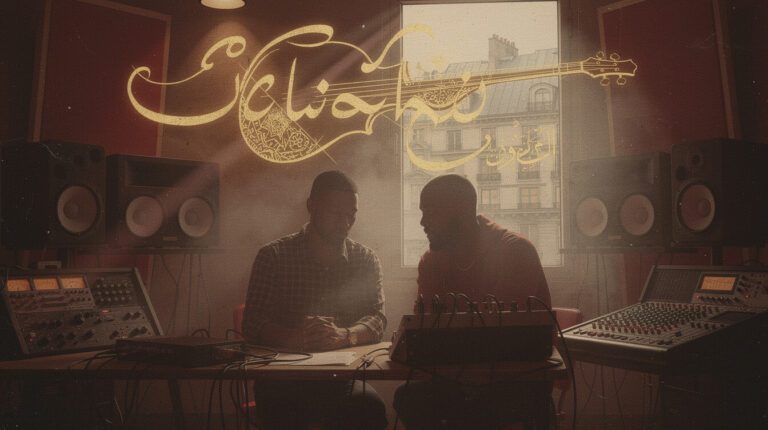
LaFace was Antonio “L.A.” Reid and Kenny “Babyface” Edmonds’ R&B-leaning label — TLC and Toni Braxton’s house. OutKast became the first rap act they signed. That signing matters because it set the entire context for their career: a southern duo at an R&B label in a market dominated by New York and Los Angeles, with executives who let them keep Organized Noize (Rico Wade, Sleepy Brown, and Ray Murray) as their in-house production team. That production crew, working out of Rico’s mother’s basement — the legendary Dungeon — would shape the first three OutKast albums and birth the whole Dungeon Family lineage (Goodie Mob, Witchdoctor, Cool Breeze).
Their first single, “Player’s Ball,” arrived in November 1993 on a LaFace Christmas compilation and immediately did what nobody expected a holiday rap song to do: it went to #1 on the Hot Rap Singles chart and stayed there for six weeks. The b-side energy of being southern, broke, and cold-blooded in December set up everything that came next. They were not coming up to New York to ask permission. The South had something to say, and OutKast was about to make Atlanta the loudest sentence in it.
Southernplayalisticadillacmuzik (1994): The Cadillac That Started It All
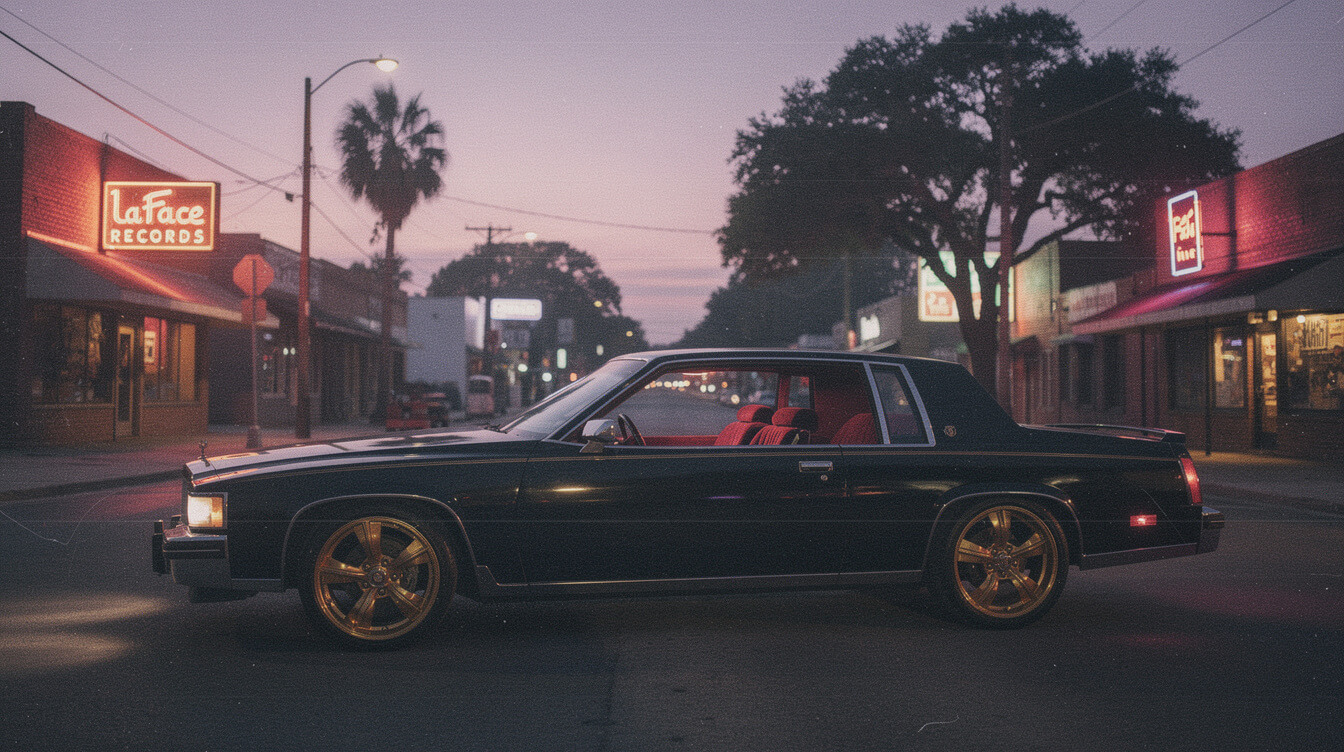
Released April 26, 1994, Southernplayalisticadillacmuzik is the rare debut album that arrives fully formed. Big Boi was eighteen. Andre was nineteen. The sound — slow, syrupy, Cadillac-rolling funk built on live bass, Rhodes piano, and Organized Noize’s grease-thick drums — had no real analog in hip-hop in 1994. While New York was deep in the boom-bap Wu-Tang and Nas moment and the West Coast was still riding G-funk, OutKast carved a third lane that was unmistakably southern: church organ, soul samples, and a vocal cadence that owed more to a barbershop than a freestyle cypher.
The title track is the manifesto. “Player’s Ball” is the radio record. “Git Up, Git Out” — built around a Goodie Mob hook with CeeLo Green spitting one of the great accountability verses of the decade (“you need to git up, git out and git somethin'”) — is the moral spine. The album debuted at #20 on the Billboard 200, went platinum within six months, and put the South on notice that Atlanta was not a tourist stop anymore.
The cultural moment that defined this era happened a year later at the 1995 Source Awards, when OutKast won Best New Rap Group and the New York-dominated crowd booed them off the stage. Andre grabbed the mic, looked out at the audience, and delivered the most-quoted line in southern hip-hop history: “The South got something to say.” Every Atlanta record that has dominated the charts since — every T.I. plaque, every Ludacris hit, every Migos run, every Future album — is descended in some direct way from that moment.
ATLiens (1996) & Aquemini (1998): The Cosmic Run
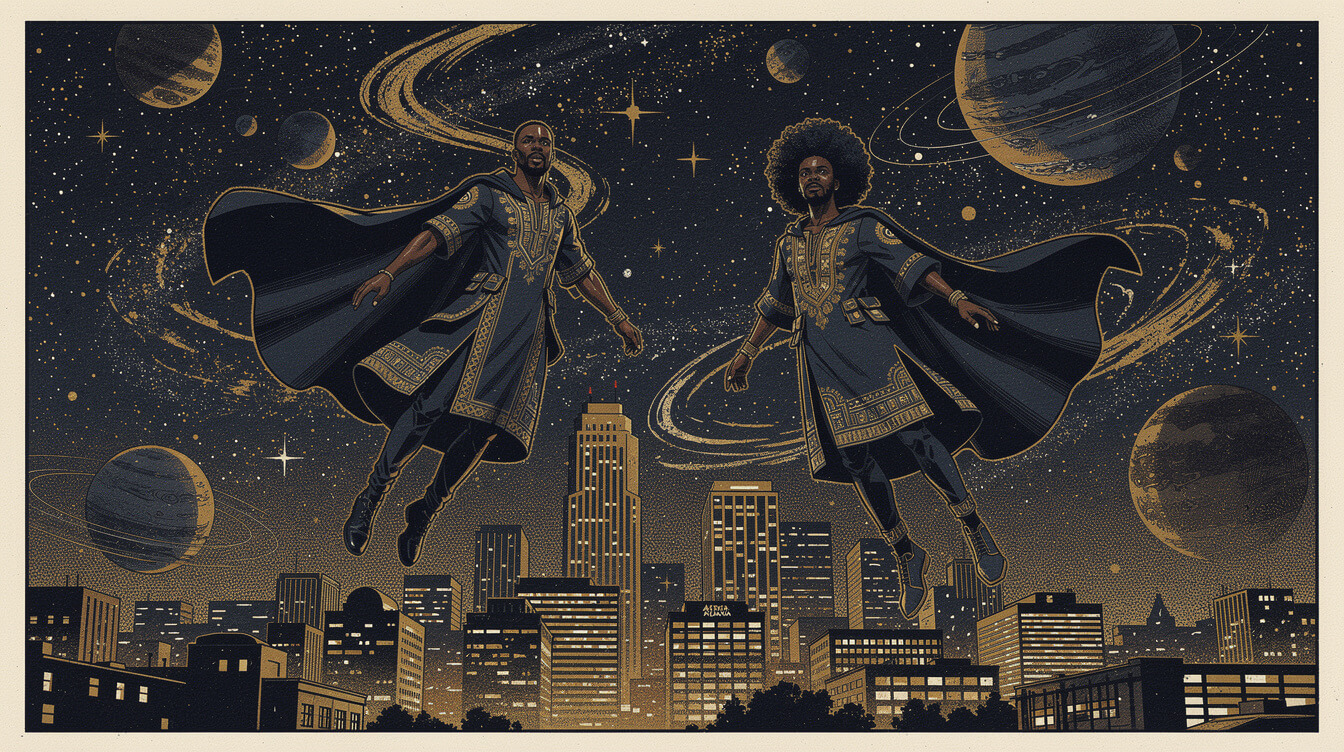
If Southernplayalisticadillacmuzik was OutKast learning to drive, ATLiens (August 1996) and Aquemini (September 1998) were them taking the spaceship out of the garage. These are the two records most heads will fight you over — and honestly, fans who came up with the group split almost evenly on which one is the masterpiece.
ATLiens moved away from the bassline-funk of the debut into a darker, more spacious, more cosmic sound. The Organized Noize footprint shrank; OutKast started producing more of their own tracks under the Earthtone III banner. “Elevators (Me & You)” — built on that haunting, slow-floating beat — became their biggest single to date, peaking at #12 on the Hot 100. “Wheelz of Steel,” “ATLiens,” “Two Dope Boyz (In a Cadillac)” — every song on the record sounds like it was recorded inside a planetarium. It went double platinum, peaked at #2 on the Billboard 200, and the cover artwork — the comic-book panel illustration drawn from Andre’s own concept — is still on dorm-room walls thirty years later.
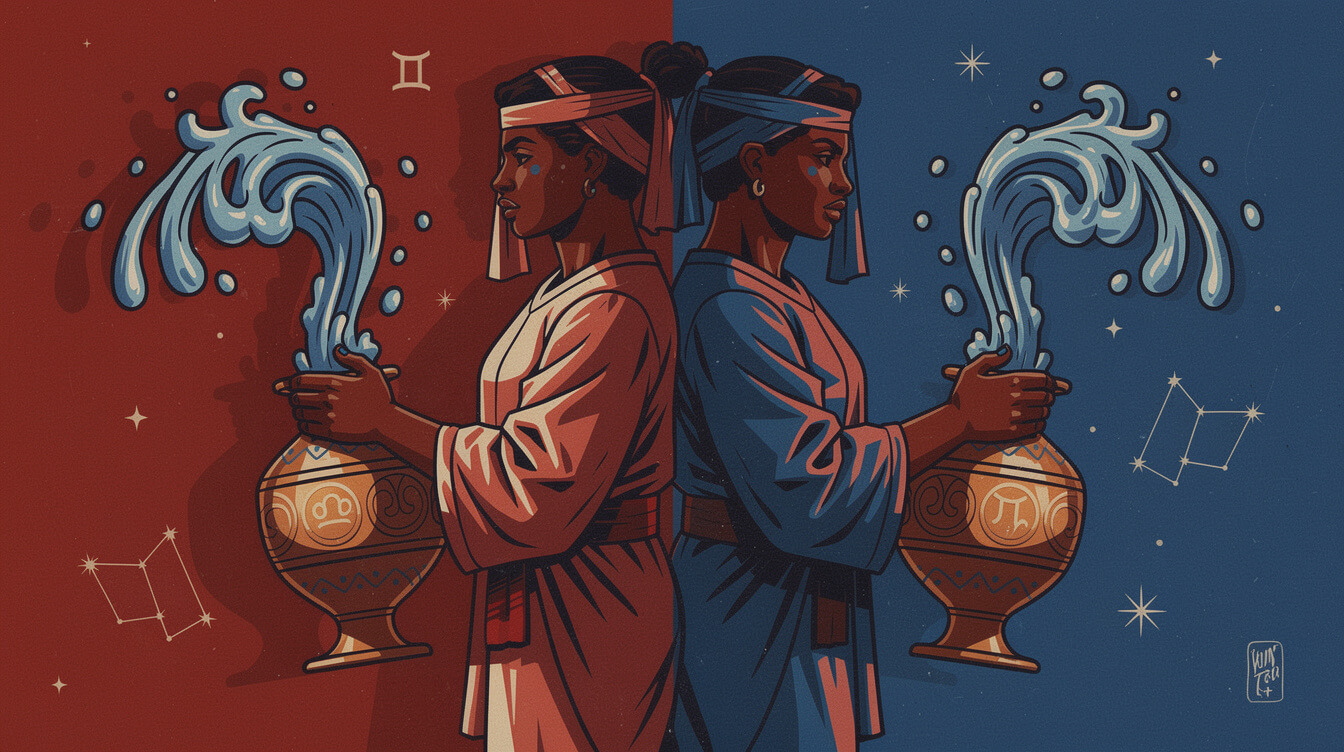
Aquemini — the title is a portmanteau of Big Boi’s Aquarius sign and Andre’s Gemini — is where OutKast stopped being a great southern rap group and became one of the most important groups in American music, full stop. “Rosa Parks” got nominated for a Grammy and got OutKast sued (the case settled in 2005). “Da Art of Storytellin’ (Pt. 1)” with Slick Rick is a five-minute argument for Andre as the best storyteller of his generation. “SpottieOttieDopaliscious” is a horn-driven spoken-word jam that no major-label A&R would have green-lit if they were not already four albums deep in trust. The title track is the philosophy. The Source gave it five mics — the highest possible rating — and only a small handful of rap albums in the magazine’s entire history ever earned that score.
If you only own one OutKast tee, make it from the Aquemini era — our OutKast Aquemini T-Shirt takes the album’s iconography and runs it on heavyweight cotton built for the long haul. It is the record that turned OutKast from a regional act into a generational one, and the shirt reads as a receipt every time you wear it.
Stankonia (2000): The Crossover Without Compromise
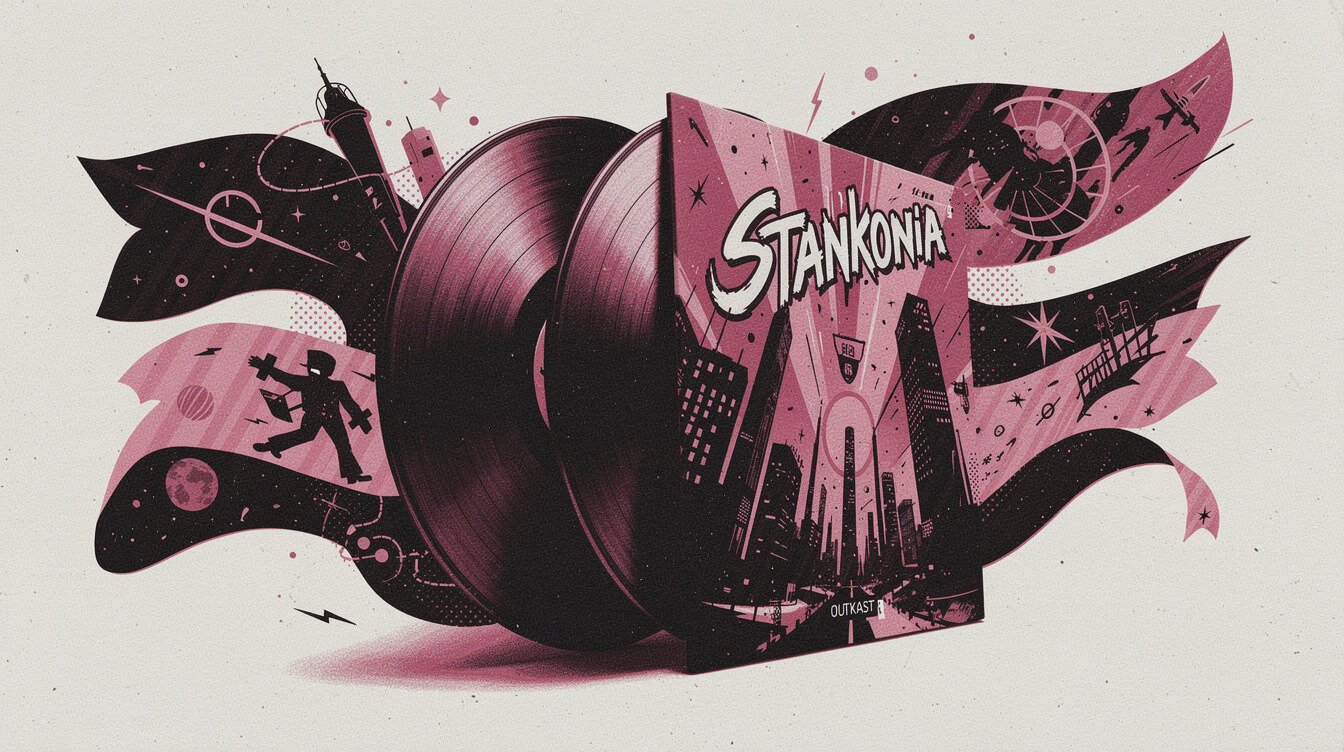
By 2000, OutKast had built one of the deepest catalogs in hip-hop without ever crossing into pop omnipresence. Stankonia changed that — and somehow did it without sanding down a single edge. Released October 31, 2000, it became their first album to chart globally, peaking at #2 on the Billboard 200, topping the R&B and Hip-Hop charts, and going on to quadruple-platinum (4x) in the U.S. alone.
The lead single, “B.O.B (Bombs Over Baghdad),” is one of the most aggressive crossover rap records ever released — 155 BPM, drum-and-bass tempo, gospel choir, electric-guitar squall, two of the fastest verses either of them ever recorded. Radio didn’t know what to do with it. It still went on to chart globally and is now routinely cited (Rolling Stone, Pitchfork, Complex) as one of the greatest hip-hop songs of all time.
Then “Ms. Jackson” hit. The story-song apology to the mother of an ex (specifically Erykah Badu, the mother of Andre’s son) crossed every demo line American radio drew. It went #1 on the Hot 100, won the Grammy for Best Rap Performance by a Duo or Group, and put OutKast on the cover of magazines that had never put a rap act on the cover before. The album also gave us “So Fresh, So Clean,” “Gasoline Dreams,” “Spaghetti Junction” — a 24-track sprawl with almost no filler.
Stankonia is the moment hip-hop opens its doors all the way. It is the album that proved you could go quadruple platinum without writing a pop song, without ditching your producers, without leaving the city you came up in. It is also the last OutKast record where Big Boi and Andre sound like they are definitively making the same album together.
Speakerboxxx/The Love Below (2003) & Idlewild (2006): The Split Era
Released September 23, 2003, Speakerboxxx/The Love Below is a double album where Big Boi made one disc and Andre made the other. It is also one of the small handful of rap albums in history certified diamond by the RIAA (eleven-times platinum, over eleven million copies sold). It won the 2004 Grammy for Album of the Year — only the second hip-hop album to ever win that category, after Lauryn Hill’s The Miseducation of Lauryn Hill (you can read our full breakdown of Lauryn’s catalog in our complete Lauryn Hill albums guide).
Big Boi’s Speakerboxxx is a southern hip-hop record at the absolute peak of its powers — “The Way You Move” with Sleepy Brown went #1, “Bowtie” is a strut-funk masterpiece, “Ghetto Musick” sounds like it was beamed back from 2015. Andre’s The Love Below is a love-letter-meets-art-experiment that is barely a rap album: jazz, funk, drum machines, falsetto. “Hey Ya!” went #1 for nine weeks and became one of the defining iTunes-era pop singles of its decade.
The duality is the point. Speakerboxxx/The Love Below is two artists at the peak of their individual visions sharing one cover. The criticism — that it is two solo albums in a trench coat — was always partly true and largely missed the bigger thing: nobody else in hip-hop had earned the right to release a thirty-nine-track double album and have every track land somewhere.
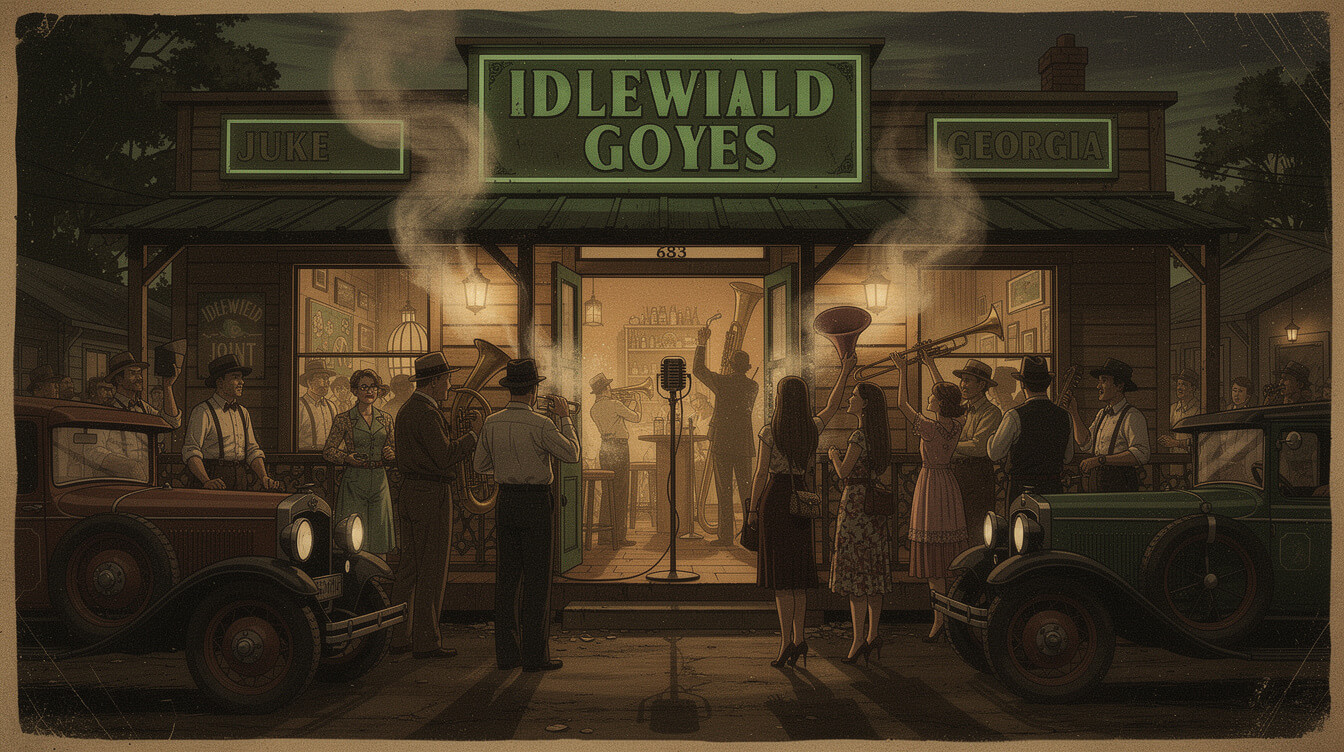
Then came Idlewild (August 2006) — the soundtrack to their prohibition-era musical film of the same name. This is the album most fans skip and the one most critics misread. It is uneven, it is overlong, and Big Boi and Andre barely appear on the same songs. But “Morris Brown” is a horns-up homecoming, “Mighty O” is one of Big Boi’s hardest verses of the decade, and “The Train” with Scar is a quietly devastating closer. It went platinum. It also became the last OutKast studio album. They have reunited live (a 40-date festival run in 2014, a Rock & Roll Hall of Fame induction in 2024 we covered when it happened), but no seventh OutKast studio LP has materialized. Andre went off to make jazz flute records. Big Boi has put out four solid solo albums. The catalog is closed.
OutKast Albums Ranked: From Worst To Best
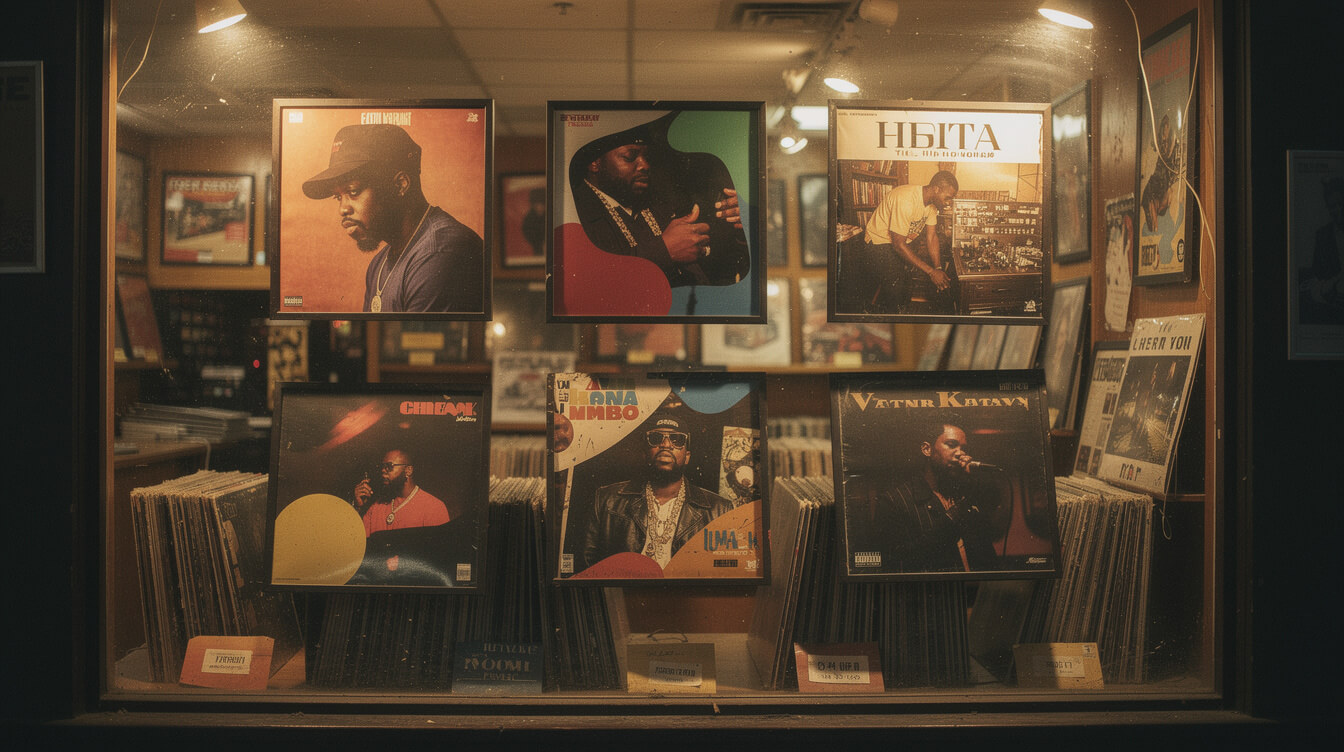
Every OutKast ranking is a love letter dressed as an opinion. Here is ours, with the receipts:
- Aquemini (1998) — Five mics in The Source. Peak Big Boi, peak Andre, peak Organized Noize, peak production budget that still felt scrappy. The most complete OutKast album front to back. If hip-hop had a museum wing for the late ’90s, Aquemini would be the centerpiece.
- Stankonia (2000) — The crossover that did not crossover. 24 tracks, almost zero skips. The album that opened the door for every weird-but-commercial rap record that followed (Kanye’s 808s, Tyler’s Igor, Kendrick’s To Pimp A Butterfly all owe it something).
- ATLiens (1996) — The dark-horse pick of the catalog. The cosmic, slow-floating production palette OutKast invented on this record has aged better than almost anything else from 1996.
- Speakerboxxx/The Love Below (2003) — Diamond, Album of the Year, “Hey Ya!”, “The Way You Move.” Knocked down a slot only because the format (two solo albums) means you are rarely listening to both discs the same week.
- Southernplayalisticadillacmuzik (1994) — The debut. Platinum. “The South got something to say.” More important than great, but it is still great.
- Idlewild (2006) — The soundtrack with the most unfair reputation in their catalog. It is not their worst album in any objective sense — it is the album where the two of them most clearly stopped making music together, and that hurts more than the songs deserve.

Wear The Magnum Opus
Five-mic record, five-star tee. Our OutKast Aquemini T-Shirt runs the album’s iconography on heavyweight cotton built to outlast the trend cycle.
OutKast Albums FAQ
How many studio albums did OutKast release?
Six studio albums between 1994 and 2006: Southernplayalisticadillacmuzik (1994), ATLiens (1996), Aquemini (1998), Stankonia (2000), Speakerboxxx/The Love Below (2003), and Idlewild (2006). They also released the compilation Big Boi and Dre Present…OutKast in 2001, which included the cult single “The Whole World.”
What is the best OutKast album to start with?
If you want the consensus masterpiece, start with Aquemini (1998). If you want the most accessible entry point, start with Stankonia (2000) — “Ms. Jackson,” “So Fresh, So Clean,” and “B.O.B” all live there. If you want to hear the duo arrive fully formed, the debut Southernplayalisticadillacmuzik is the move.
Which OutKast album won Album of the Year?
Speakerboxxx/The Love Below won Album of the Year at the 2004 Grammy Awards. It was only the second hip-hop album in history to win that category (Lauryn Hill’s The Miseducation of Lauryn Hill won in 1999) and remains one of the most commercially successful rap albums of all time.
Are Big Boi and Andre 3000 still making music?
Both are still active — separately. Big Boi has released four solo albums (Sir Lucious Left Foot, Vicious Lies and Dangerous Rumors, Boomiverse, The Big Sleepover). Andre 3000 stunned everyone in November 2023 with New Blue Sun, a New Age flute album that was Grammy-nominated for Alternative Jazz Album. They reunited for OutKast’s induction into the Rock & Roll Hall of Fame in 2024 but have not announced a seventh studio album. You can read our piece on Andre 3000 turning 51 in 2026 for more on where his head is at now.
What is the rarest OutKast album?
Original sealed first-pressing vinyl of Southernplayalisticadillacmuzik (1994) is the white whale — LaFace pressed a small initial vinyl run and shifted almost entirely to CD distribution after, so clean LP copies routinely fetch $200+ on Discogs. The ATLiens double-LP first pressing on LaFace gold-labels is the second-most collectible.
Final Thoughts: Why The OutKast Catalog Still Matters
OutKast did something almost no group in hip-hop has managed: they ended their studio run with their reputation not just intact but elevated. They never put out a clearly bad album. They never chased a trend. They went from boos at the 1995 Source Awards to Album of the Year at the 2004 Grammys to the Rock & Roll Hall of Fame in 2024 without ever once explaining themselves.
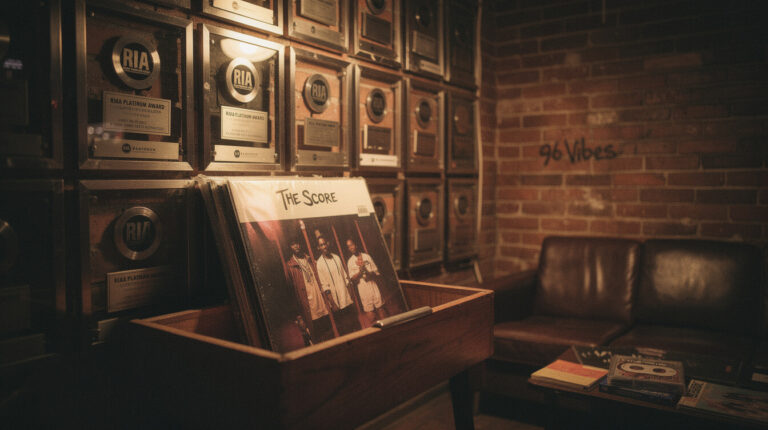
If you are building a real hip-hop collection — vinyl, CDs, tees, anything that lives on a wall — this is one of the few catalogs that demands to be represented in full. Start with Aquemini, work outward, and don’t sleep on Idlewild. And when you are ready to expand the shelf, our full guide to authentic hip-hop merchandise in 2026 covers what is worth your money and what to leave on the rack.
The South got something to say. Thirty years later, they are still saying it.
Stay Locked Into The Culture
Album anniversaries, artist deep dives, new drop alerts. We send one email when there is something real to send — never spam.

🎧 Never Miss a Drop
Exclusive product releases, hip-hop deep dives, and member-only discounts. Straight to your inbox.
Free forever. No spam. Unsubscribe anytime.
Get the Culture, Delivered
Deep dives into hip-hop history, exclusive product drops, and discounts sent straight to your inbox. No spam, just culture.
Join 2,000+ hip-hop heads already in the loop. Unsubscribe anytime.