The Miseducation of Lauryn Hill at 28: How One Album Rewrote the Rules for Black Women in Hip-Hop
On August 25, 1998, a 23-year-old from South Orange, New Jersey released a record that did something no rap album had ever done: it argued for itself as a Black-woman manifesto, a soul-music history lesson, and a hip-hop crossover all at once — and then dared the industry to call it anything less than a masterpiece. Twenty-eight years later, The Miseducation of Lauryn Hill isn’t a relic. It’s a working document. Every Black woman who has held a microphone since — from Beyoncé to SZA to Doechii — has been writing in the margins of this album.
This isn’t a track-by-track. The internet has plenty of those. This is the piece nobody else is writing: what the Lauryn Hill Miseducation record actually built, what it actually cost, and why — in 2026, with a Lauryn Hill Miseducation Anniversary Tour running across North America right now — its DNA is more audible in modern hip-hop than it has been in twenty years.
A 5x Platinum Debut That Wasn’t Supposed to Exist
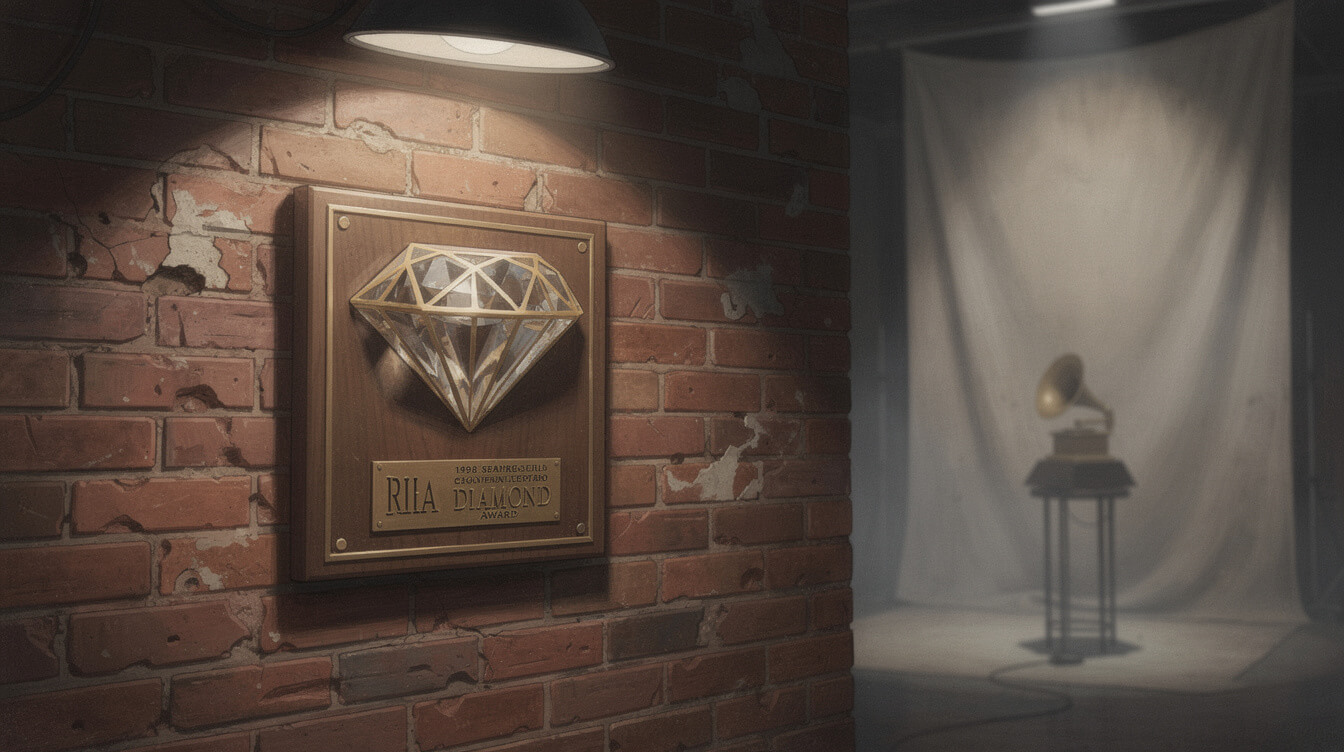
Put the receipts on the table first. The Miseducation of Lauryn Hill debuted at No. 1 on the Billboard 200 with 422,624 copies sold in its first week — at the time, the largest opening week ever by a female artist. By the end of its run it would move more than 19 million copies worldwide and earn a Diamond certification from the RIAA. It won five Grammys at the 41st Annual Grammy Awards in February 1999, including Album of the Year — the first rap album in history to win the night’s top prize, beating Madonna’s Ray of Light and Garbage’s Version 2.0. The 11 nominations Lauryn collected that year were the most ever for a woman in a single ceremony at that point.
The ceiling Miseducation broke wasn’t sales. It was permission. In 1998 the gatekeepers — labels, magazines, radio programmers — still treated hip-hop and R&B as separate genres with separate audiences and separate ceilings. A Black woman fronting a rap-led record was supposed to either hide the rap (to court adult-contemporary radio) or shed the soul (to chase the streets). Lauryn refused both moves. Miseducation rapped at “Lost Ones” intensity on the same record that sang at “Nothing Even Matters” intimacy, and the industry had to invent new ways to count it. The Grammy committee filed it under both Best Rap Album and Album of the Year. The album won both.
That was the public victory. The private one was harder. Lauryn had just left the Fugees — a group that had moved 18 million units off the back of The Score (1996) — and the conventional wisdom was that the group’s rap-school production muscle and Wyclef Jean’s pop sensibility had carried her. Miseducation was credited entirely to Lauryn as primary writer and producer (a credit that would later become the most-litigated detail in modern hip-hop). She wrote, arranged, and recorded the record largely at Tuff Gong Studios in Kingston, Jamaica, while pregnant with her first child, Zion. By the time it dropped she had answered the silent industry question — can she do this alone? — by selling more copies in her first week than The Score sold in its first month.
None of that survives as the headline today. The headline is what came next.
The Sound: Doo Wop, Ex-Factor, and the Wu-Tang Sample Lauryn Smuggled Through Neo-Soul
To understand The Miseducation of Lauryn Hill as a piece of music, follow the samples. “Doo Wop (That Thing)” — the single that hit No. 1 the week the album dropped, becoming the first single by a female rapper ever to debut at the top — runs on a horn-stab loop that nods to Bobby Hebb’s “Sunny” but lives in the same boom-bap drum-pocket DNA Wu-Tang spent 1993 weaponizing on 36 Chambers. It feels like a hip-hop record because it is one, plain and simple, smuggled inside a hook that aunties could sing.
“Ex-Factor” is the move that should make every producer reading this lean in. The track interpolates Wu-Tang Clan’s “Can It All Be So Simple” — not by re-flipping it, but by re-treating the exact same source sample The RZA used: The Charmels’ 1967 Stax single “As Long As I’ve Got You.” RZA had taken that Memphis-soul vocal loop and dirtied it into one of the loneliest moments on 36 Chambers. Lauryn took the same source three years later, slowed it, restored its tenderness, and built a song about emotional accounting on top of it. That’s not coincidence. That’s a 23-year-old neo-soul star quietly tipping her cap to Wu-Tang in the most expensive way possible (publishing splits).
The deeper architecture is older. The Quincy Jones imprint runs through every horn arrangement on the record. Marvin Gaye’s What’s Going On sits underneath the protest-record posture of “Lost Ones.” Stevie Wonder is in every Rhodes chord and every harmony stack — Lauryn told Vibe in 1998 that she wanted the album to sound like Stevie’s Songs in the Key of Life if it had been recorded by someone with a Brooklyn rap pen. And Bob Marley — by then her partner Rohan Marley’s father — supplies the Kingston-recorded skeleton: live drums, live bass, live keyboards, the Tuff Gong room sound on every cut. There is almost no programmed drum machine on this record. In a year when hip-hop was racing toward digital cleanliness (1998 was the peak No Limit / Cash Money sound), Lauryn made a record that sounded like a band in a room. That’s the unspoken Lauryn-Marley inheritance.
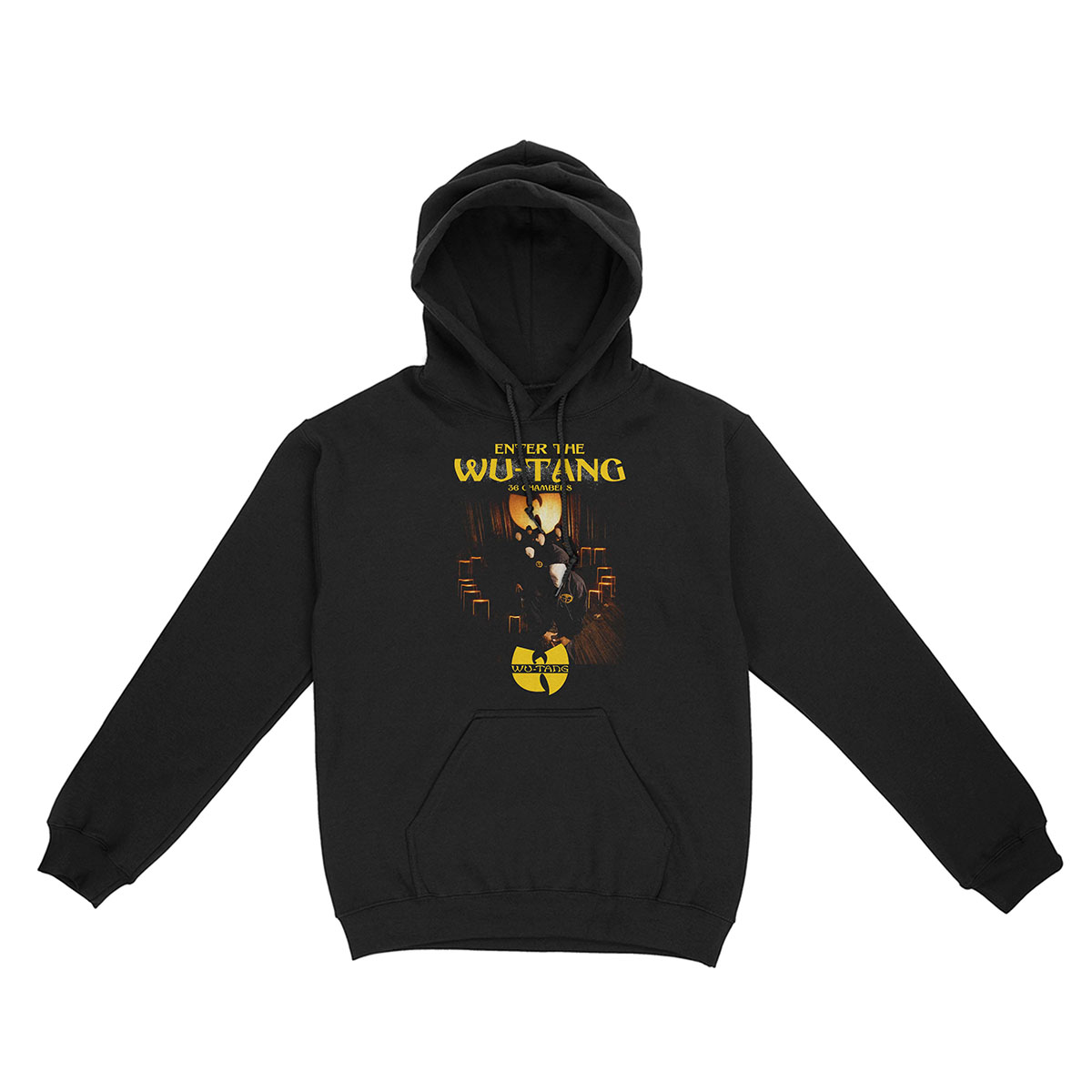
Wear the Sample Lauryn Borrowed From the Wu
“Ex-Factor” lived on the same Charmels source The RZA flipped for “Can It All Be So Simple.” Repping the receipts? The Enter The Wu-Tang 36 Chambers Hoodie carries the foundation Lauryn quietly built on top of.
The Cost: The New Ark Lawsuit That Ended the Solo-Lauryn Era
Here is the part of the Miseducation story that gets one sentence on Wikipedia and changes everything when you sit with it.
In November 1998, three months after the album dropped, four New Jersey musicians — Vada Nobles, Rasheem Pugh, and brothers Tejumold and Johari Newton, collectively known as New Ark — filed suit in federal court. They alleged that they had co-written and co-produced major portions of the record and that Lauryn’s credit as sole producer and primary writer was inaccurate. The case named her label, Ruffhouse / Columbia, and went on for nearly three years before settling in February 2001. The settlement terms were sealed; reporting at the time placed the figure in the $5 million range, with retroactive co-credits added to the album’s metadata.
Read the press around the lawsuit and you’ll find a debate over splits. Read what Lauryn herself has said in the years since — most pointedly in her 2018 anniversary tour press cycle and in the 2023 Rolling Stone Music Now podcast appearance — and the story is bigger. The lawsuit reframed her relationship to the music business permanently. She had walked into the studio at 22 trusting a small crew of New Jersey collaborators. She walked out at 26 in litigation with them. By the time MTV’s Unplugged 2.0 aired in May 2002 — a raw acoustic record where Lauryn played guitar she had only recently picked up and wept on camera between songs — the version of Lauryn Hill the industry expected was gone.
The two questions every think-piece asks are: why didn’t she make another solo album? and what would the second Miseducation have sounded like? The honest answer to both is buried in the New Ark settlement. Lauryn watched the closest people in her creative life argue in open court that the most autobiographical record of her life — a record she wrote while pregnant about the breakdown of her relationship with Wyclef — wasn’t fully hers. After that, she stopped releasing solo studio albums. Not because she stopped writing (the Unplugged 2.0 material is full of new song fragments; she has performed unreleased material on every tour since 2010), but because the cost-of-entry into the legal infrastructure of releasing it had become, for her, unacceptable. That’s the bracket nobody wants to put on the story. It’s the most honest one.
The Lineage: How Lauryn Hill Miseducation DNA Shows Up in Every Black Woman MC Since
This is the move the SERP never makes. Every retrospective treats The Miseducation of Lauryn Hill as a closed artifact — an album you discuss in past tense, frozen at the 1999 Grammys. That framing misses the truth: Miseducation never actually stopped. It just kept being made, by other people, under other names. Here is the lineage.
Beyoncé’s Lemonade (2016). The visual-album-as-confession structure, the interludes-as-poetry framing (Lemonade leaned on Warsan Shire; Miseducation leaned on classroom skits), the willingness to name a man’s infidelity in studio-quality detail, the refusal to genre-segregate hip-hop and gospel and country and rock on a single record — Lemonade is Miseducation’s most expensive descendant. Beyoncé has said in interviews that Lauryn was one of three Black-female-artist blueprints she studied (alongside Diana Ross and Tina Turner); the structural debt is closer to plagiarism than influence.
Solange’s A Seat at the Table (2016). The interlude architecture — Master P narrating between songs the way Ras Baraka and the schoolkids narrate on Miseducation — is the most direct citation in modern R&B. Solange’s choice to root a critically-acclaimed Black-woman-art-record in a single live band sound, recorded over years rather than weeks, is the same recording philosophy that produced Miseducation.
SZA’s SOS (2022) and Ctrl (2017). The vulnerability-as-craft posture, the willingness to make heartbreak the subject of a 23-track album rather than a single’s worth of material, the freedom to rap on a record that sells to R&B audiences — that’s a Lauryn lane. Lauryn made it acceptable for a Black woman artist to use 60 minutes of audio to publicly process a single relationship. SZA inherited that license.
H.E.R. An entire career structured around guitar-led neo-soul vulnerability in the Lauryn Unplugged 2.0 mode. Summer Walker’s Still Over It ran on the same emotional ledger Lauryn opened. Doechii’s Alligator Bites Never Heal (2024) — the Grammy-winning Best Rap Album from a Black woman in 2025 — leans on conscious-rap lyric density and live-band feel as a stylistic flex; the lineage from Miseducation to Doechii is one of the cleanest in modern hip-hop, and Doechii has cited Lauryn explicitly in her press cycle.
And then there is Rapsody, who is the most direct technical heir Lauryn has — same conscious-rap pen, same Roc Nation infrastructure (Rapsody is signed there now), same insistence on writing about Black womanhood as a complete subject rather than a marketing demographic. If you want to wear that lineage on your back, our Rapsody “The Idea of Beautiful” T-Shirt pulls from the 2012 album most Lauryn fans recognize as the closest spiritual sequel to Miseducation that anyone has released since 1998. Two records, fourteen years apart, written by Black women who refused to let the industry make them pick between rap and soul.
For more lineage context, our deep-dive on the Wu-Tang Clan’s 36 Chambers album traces the New York boom-bap foundation Lauryn built on top of, and our Today in Hip-Hop tribute marking Lauryn’s 51st birthday last week is a companion read.
The 2025–2026 Anniversary Tour: A Living Document
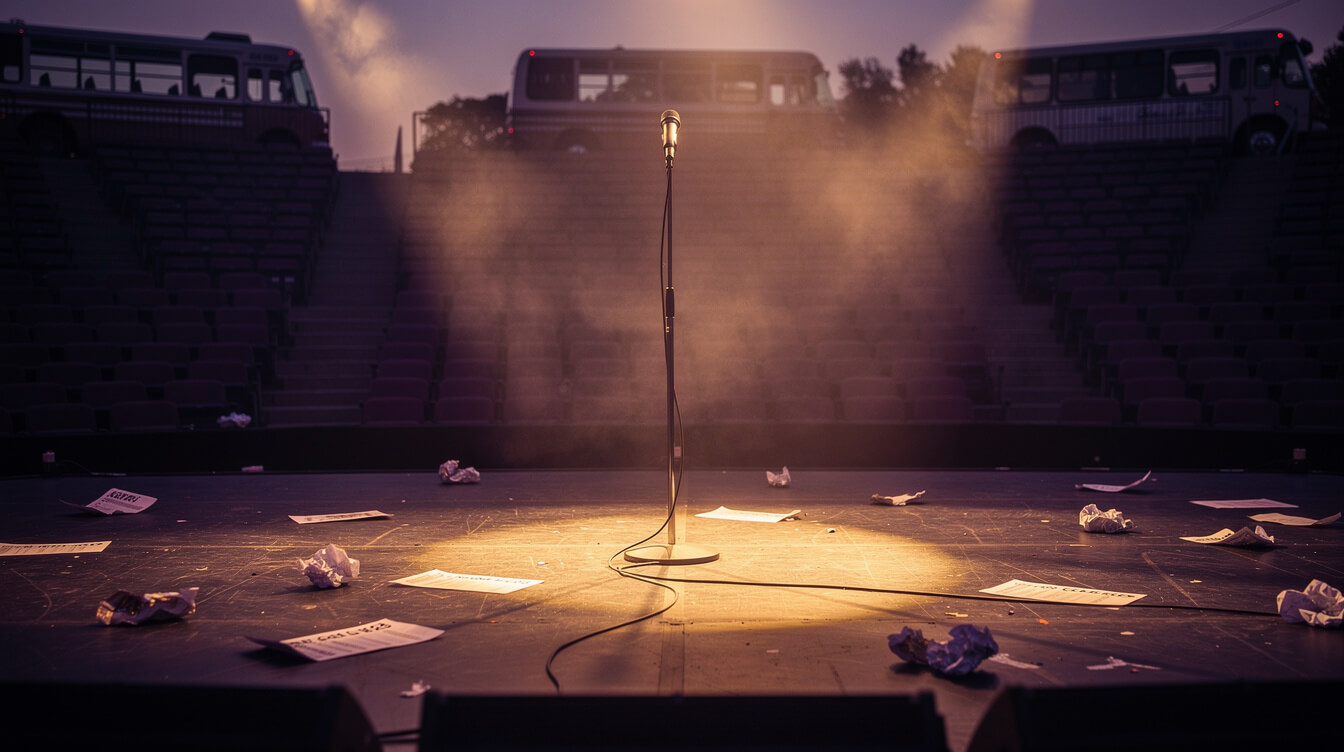
The reason this conversation is hot in May 2026 isn’t nostalgia. It’s tour dates. The Miseducation 25th Anniversary Tour — which began in 2023 marking the album’s 25-year arc — has rolled directly into a 2025–2026 continuation run. Lauryn has performed Miseducation front-to-back at MSG, the Hollywood Bowl, the Kia Forum, the Wells Fargo Center in Philly, and a string of European arenas across 2025 and into spring 2026. The 2026 leg is the one that has reset the conversation: she has added back catalog from Unplugged 2.0 and Fugees-era material at most stops, treating the album not as a museum piece but as a living set list.
What’s different in 2026 is the openers. The Roots backed her on a string of co-headline East Coast dates. Jorja Smith, Coco Jones, and (on three California stops) Ari Lennox opened the West Coast leg — explicit lineage casting that puts the new generation on stage with the architect every night. The audiences skew younger than they did on the 25th tour. TikTok has done what radio cannot: the “Doo Wop (That Thing)” hook is in the top three most-used Miseducation audio clips on the platform in 2026, driving a generation that wasn’t born when the album dropped into the discography for the first time.
That is why The Miseducation of Lauryn Hill matters more, not less, at 28. The album isn’t being remembered. It’s being remade — on stage, in TikTok edits, in every Black-woman record going gold this year. The cultural infrastructure that wouldn’t let it happen the first time has been rewritten by the album itself. The 28th anniversary on August 25 isn’t going to be a candle-and-cake moment. It’s going to be the closing weekend of an arena tour.
The reason there is no Miseducation II is the reason every modern Black-woman record is, in some sense, the second Miseducation: she gave the blueprint away. Beyoncé, SZA, Solange, H.E.R., Doechii, Rapsody, Summer Walker, Jorja, Coco Jones — they have all been writing the sequel since 1998. Twenty-eight years in, the catalog is finally large enough to hear that as a fact, not a claim.
Frequently Asked Questions About The Miseducation of Lauryn Hill

When was The Miseducation of Lauryn Hill released?
August 25, 1998, on Ruffhouse / Columbia Records. It debuted at No. 1 on the Billboard 200 with 422,624 first-week copies — the largest opening week ever recorded by a female artist at the time.
How many Grammys did The Miseducation of Lauryn Hill win?
Five at the 41st Annual Grammy Awards in February 1999: Album of the Year, Best New Artist, Best R&B Album, Best R&B Song (“Doo Wop (That Thing)”), and Best Female R&B Vocal Performance (“Doo Wop”). It was the first rap album to win Album of the Year — a 25-year wait followed before another (Jay-Z’s The Blueprint and Kanye’s Late Registration were nominated; the prize didn’t return to a hip-hop release until Doechii’s 2025 Best Rap Album win re-opened the conversation).
Was The Miseducation of Lauryn Hill recorded in Jamaica?
Largely. The bulk of the album was recorded at Bob Marley’s Tuff Gong Studios in Kingston between 1997 and 1998. Additional sessions happened at Chung King Studios in New York and Perfect Pair Studios in East Orange, New Jersey. The Tuff Gong sessions are why the album has its distinctive live-band sound.
What was the New Ark lawsuit?
A 1998 federal lawsuit filed by four New Jersey musicians — Vada Nobles, Rasheem Pugh, and brothers Tejumold and Johari Newton — who claimed they had co-written and co-produced major portions of Miseducation. The case settled in February 2001; the figure was reported as approximately $5 million, with retroactive credits added to the album’s metadata.
Has Lauryn Hill released another solo studio album?
No. Her only post-Miseducation full-length release as a primary artist is MTV Unplugged No. 2.0 (2002), a live acoustic record. She has released individual singles (“Repercussions,” “Black Rage,” “Consumerism,” “Guarding the Gates”) and contributed to soundtracks, but no second solo studio album has appeared in 28 years.
What sample does “Ex-Factor” use?
“Ex-Factor” interpolates The Charmels’ 1967 Stax single “As Long As I’ve Got You” — the same Memphis-soul vocal source The RZA flipped for Wu-Tang Clan’s “Can It All Be So Simple” on Enter the Wu-Tang (36 Chambers) in 1993. Lauryn slowed and re-treated the loop, restoring its tenderness.
Who produced The Miseducation of Lauryn Hill?
Lauryn Hill is credited as primary producer and writer. Post the 2001 New Ark settlement, retroactive co-production credits were added for Vada Nobles, Rasheem Pugh, Tejumold Newton, and Johari Newton on portions of the album. Additional production / engineering credits include Che Pope, Commissioner Gordon, and the Tuff Gong house team.
Final Thoughts: The Album That Wrote the Future It Wasn’t Allowed to Live In
Twenty-eight years on, the cleanest way to understand The Miseducation of Lauryn Hill is as the most successful unfinished sentence in modern hip-hop. The record stopped, but the work it started didn’t. Every Black woman who has won a Grammy in a rap or R&B category since Lauryn won five in 1999 has been finishing the sentence — adding clauses, footnotes, rebuttals. The lineage from Miseducation to Doechii’s 2025 Best Rap Album win runs in a straight line through Beyoncé, Solange, SZA, H.E.R., Rapsody and Summer Walker, and that line has finally gotten long enough to see clearly.
What Lauryn paid to make it — the New Ark settlement, the public breakdown that became the Unplugged 2.0 session, the 28 years of withheld solo output — is the part of the story that gets sanded down in retrospectives. It shouldn’t. The album is on the syllabus partly because the cost was real. That’s the deal she made and the deal she has lived with. The 2026 anniversary tour, ending with the 28th-anniversary weekend on August 25, is the closest she has come in two decades to standing under the work itself and saying, in front of an audience that has read every word, yes — and.
If you have not listened to the record front-to-back this year, do that. Then listen to Doechii’s Alligator Bites Never Heal back-to-back with it. The lineage will play itself.

Hip-Hop Culture, Delivered Weekly
Join the Custom Creative newsletter for album retrospectives, artist deep-dives, and first looks at every new tee, hoodie and neon drop. No spam — just the culture.

🎧 Never Miss a Drop
Exclusive product releases, hip-hop deep dives, and member-only discounts. Straight to your inbox.
Free forever. No spam. Unsubscribe anytime.
Get the Culture, Delivered
Deep dives into hip-hop history, exclusive product drops, and discounts sent straight to your inbox. No spam, just culture.
Join 2,000+ hip-hop heads already in the loop. Unsubscribe anytime.