Slick Rick Songs: Every Essential Cut from “The Show” to “I Own America,” Decoded
Ask any rapper worth their pen who taught them to write a song like a chapter and Slick Rick’s name comes up before they finish the question. Slick Rick songs are not tracks — they’re first-person short stories, delivered in a Brixton-born, Bronx-raised accent that turned the microphone into a fireside chair. From “The Show” and “La Di Da Di” in 1985 to “I Own America” almost forty years later, Ricky Walters has been quietly running the genre’s narrator seat while everyone else fought over the throne.
This is not a ranked list. Ranked lists reduce a novelist to a highlight reel. What you are about to read is the actual case for Slick Rick as hip-hop’s founding storyteller, told through the songs that matter and the descendants who wouldn’t sound the way they do without him. If you finish this and don’t immediately go queue up The Great Adventures of Slick Rick, we didn’t do our job.
Why a Brixton-Born Bronx Kid Invented Hip-Hop Storytelling
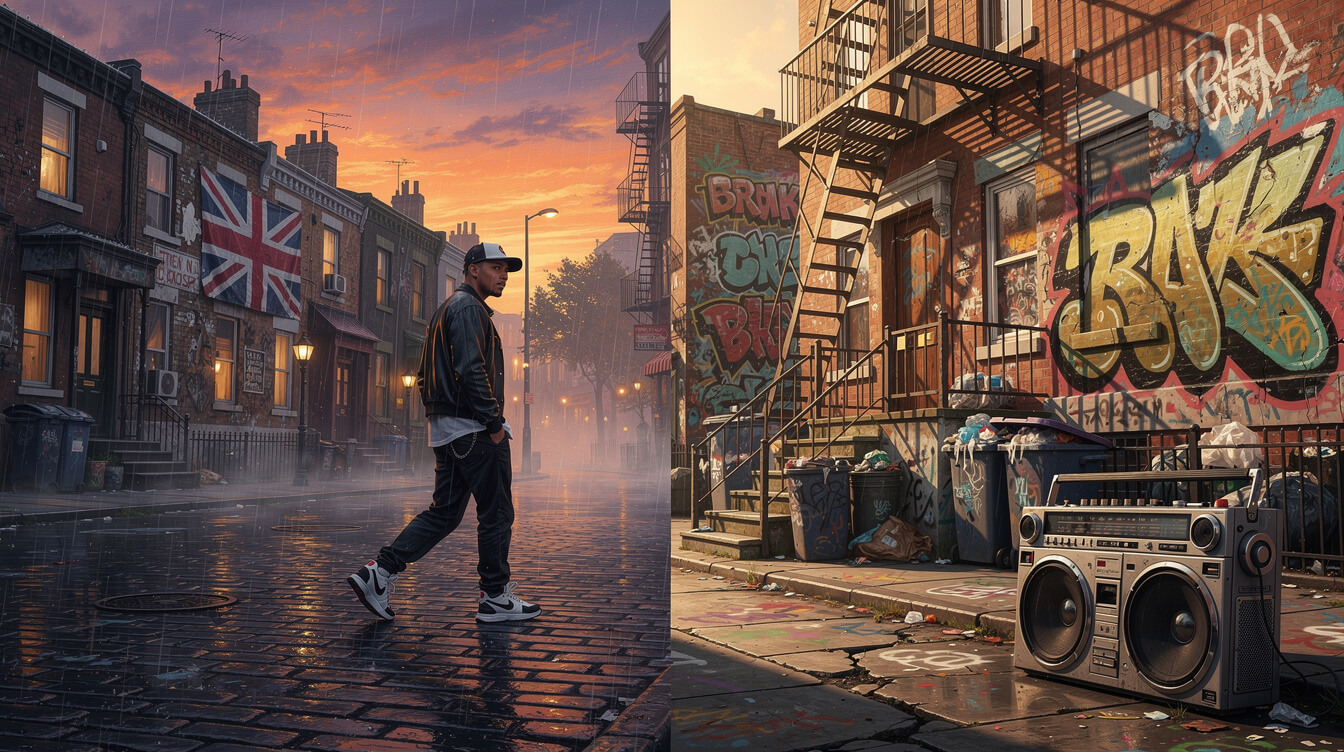
Ricky Walters was born in South Wimbledon in 1965 and lost sight in his right eye as a toddler after a glass shard accident. His family moved to the Baychester section of the Bronx in 1976 — the exact same borough, the exact same decade Kool Herc was throwing park jams at 1520 Sedgwick a few miles south. That geographic collision is the whole origin story of the Slick Rick voice. He arrived in New York already carrying the cadence and diction of a South London childhood, then walked into a culture that was rewarding invention and dismissing anyone who sounded like everyone else.
What most retrospectives miss is that the accent was never a costume. It was the last thing about Rick that would let him disappear into another MC’s style. Hip-hop in 1983 and 1984 was hungry for character, and there was nothing more character-driven than a British schoolboy narrating a Bronx tenement scene as if he were reading you Dickens. Kangol Kid of UTFO heard him rhyming in the halls of the High School of Music & Art in Manhattan, recruited him under the name MC Ricky D, and put him on early tracks. But it was Doug E. Fresh who saw the real vein — the storyteller’s voice was going to change what a rap record could do.
Understand this before you press play on anything else: Rick was not a battle rapper. He was not a boaster. He was a narrator, in the classical, pre-rap-canon sense of the word. Every one of his classic songs is a first-person short story with characters, dialogue, dramatic irony, and a moral turn. That is not the mode most of his early-1980s peers were operating in. Rakim was rewriting the technical rulebook. KRS-One was building the polemic tradition. Rick was building the novelistic one. Two of those three still get called the greatest ever; the third has been quietly influencing every writer who came after him for four decades.
La Di Da Di and The Show: The Doug E. Fresh Year That Birthed Narrator Rap
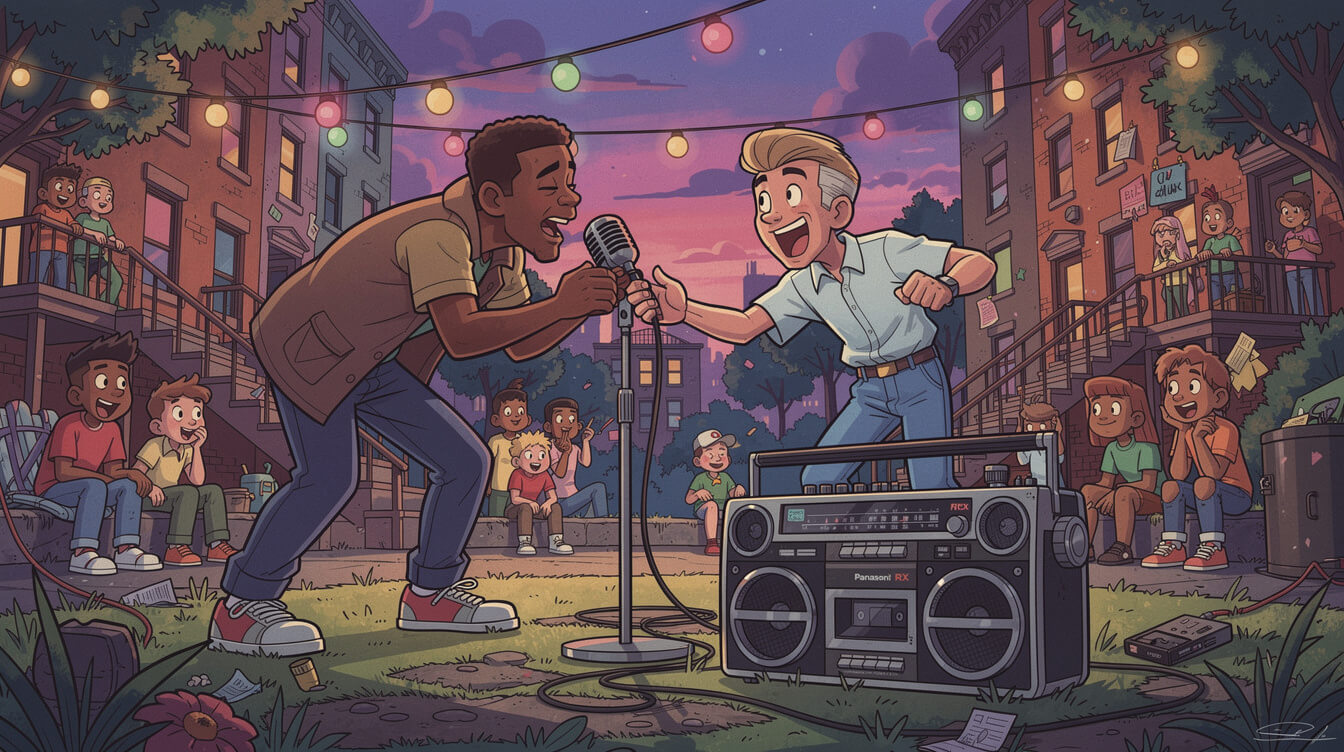
In 1985 Doug E. Fresh released “The Show” / “La Di Da Di” as a Reality Records 12-inch single, and hip-hop’s storytelling tradition officially began. “The Show” put Doug’s mouth-drum kit alongside MC Ricky D’s stream-of-consciousness scene work — a mini-narrative about walking into a jam, checking the crowd, and running the room. “La Di Da Di,” the B-side, was even more radical. There is no drum machine. There is no producer. There is one voice beatboxing and one voice narrating a young man’s morning routine, an unwanted admirer at the club, a fight with her jealous mother, and the whole day tumbling into anecdote. Doug E. Fresh is the entire band. Slick Rick is the entire novel.
Hearing “La Di Da Di” for the first time in 1985 is impossible to reconstruct now, because everything that came after it has copied its DNA so thoroughly it feels like the natural state of the form. But at the time, the idea that you could make a rap record where the “beat” was just another voice — and where the rapper was recounting a specific day in a specific character’s specific life, from waking up in the morning through the after-party — was not something the genre had a template for. Kurtis Blow told stories. Grandmaster Flash and Melle Mel told stories. But neither of them told a story like a first-person novelist writing dialogue for the fictional him.
The other thing to notice about the Doug E. Fresh year: the pairing itself was a template. A beatboxer and a narrator, working together, one carrying the pulse and one carrying the plot. When you hear Biz Markie and TJ Swan later in the decade, that’s the template. When you hear the Fat Boys, that’s the template. Doug and Rick invented the two-mic storyteller act, and every subsequent variation is a footnote to that Reality Records 12-inch.
The Great Adventures of Slick Rick (1988): The Album That Taught Rap How to Write a Chapter
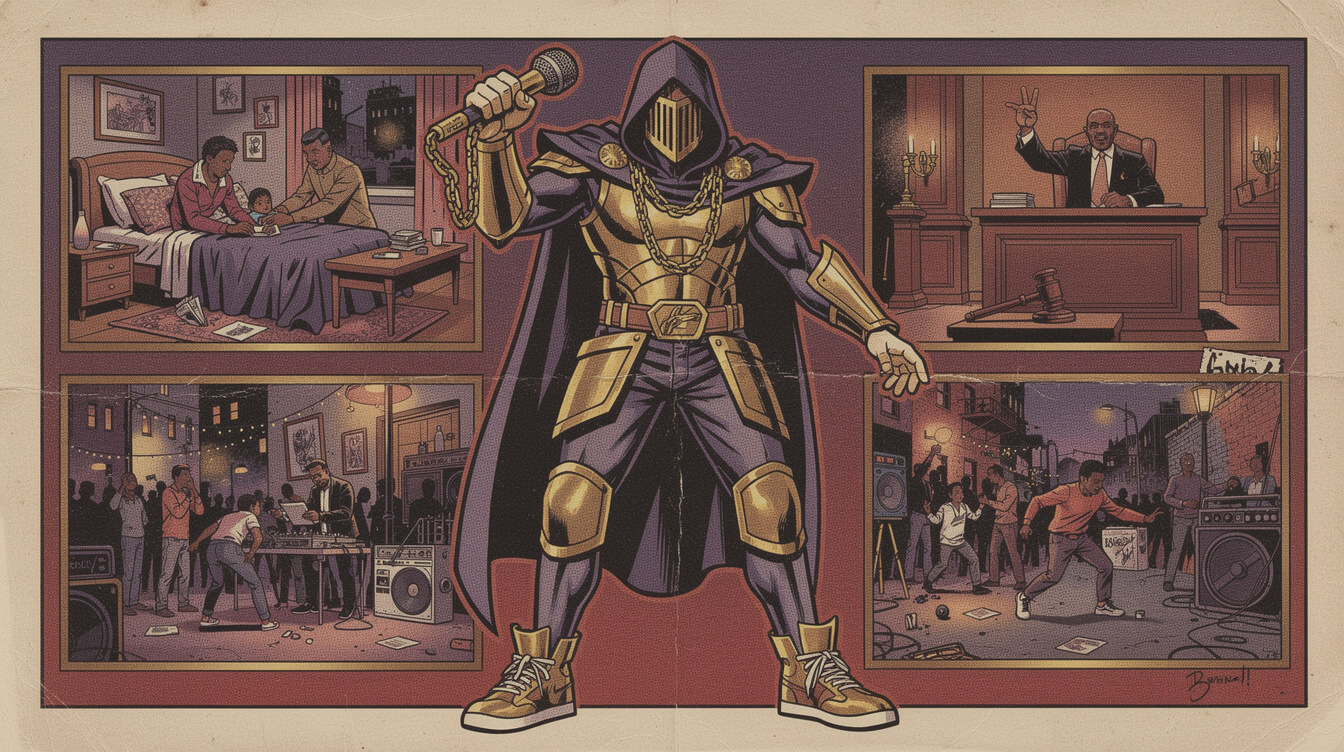
By 1988 Rick had signed to Def Jam. Russell Simmons and Rick Rubin gave him a full album and mostly stayed out of his way. The Great Adventures of Slick Rick arrived in November 1988, was certified platinum by the RIAA within eight months, and remains the reference text for what a first-person hip-hop narrative record can be. If you are looking at Slick Rick songs as chapters in a novel, this is the novel.
The album opens with “Treat Her Like a Prostitute,” a piece of narrative satire whose title has aged worse than its actual construction. Behind the deliberately provocative hook is a chapter written in the voice of a paranoid boyfriend, warning a younger man about infidelity through three vignettes — the roommate, the barbershop, the mother’s house. It is closer to a monologue from a Richard Pryor set than a boast track. This is the whole formula: Rick writes character first, hook second, moral last.
Then comes “The Ruler’s Back,” a coronation. Then “Children’s Story” (we will decode that on its own in a minute). Then “The Moment I Feared,” a first-person nightmare with the narrator’s own imagined humiliation as the plot — the hip-hop equivalent of an anxiety dream diarized. “Mona Lisa” is a bodega meet-cute told from the shy-guy point of view. “Hey Young World” is a graduation speech disguised as a single. “Teenage Love” is a warning against getting so caught up you lose yourself. Even the goofier tracks — “Indian Girl (An Adult Story)” — are written as first-person scenes rather than boasts.
Producers on the record include Rick himself, Hank Shocklee, Eric Sadler, Jam Master Jay, and the Bomb Squad-adjacent camp — a murderer’s row of late-’80s Def Jam sonics. But the production is doing what the production of a good audiobook does: it holds the room quiet enough for the voice. That is why The Great Adventures of Slick Rick still sounds current. Nobody in 1988 was making pop-rap records where the beats leaned back and let the narrator carry the plot. Everyone who did it later — OutKast on Aquemini, Nas across Illmatic, Biggie on “I Got a Story to Tell,” Ghostface on Fishscale — was working out of the manual Rick handed them in November of that year.
Children’s Story, Decoded Line by Line — and the Descendants Who Owe It a Credit
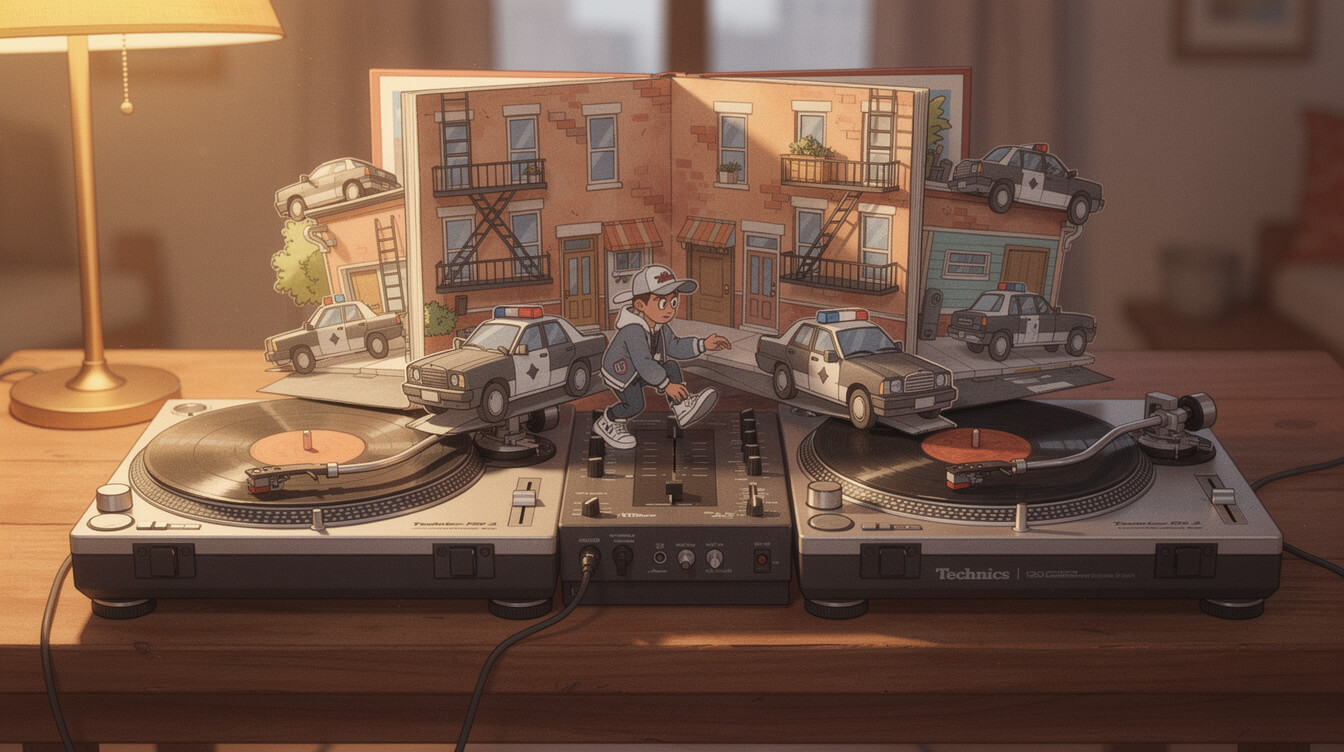
Here we go. Every rap fan can quote the opening — “Once upon a time not long ago / When people wore pajamas and lived life slow” — but almost nobody talks about what “Children’s Story” actually accomplishes as a piece of writing. It is a three-and-a-half-minute crime story told entirely as a bedtime tale. The narrator, Uncle Ricky, sits on the bed and tells his nieces and nephews about a boy who “was misled by another crook.” Over a Ricky Walters production of clean, uncluttered drums and a two-note piano stab, Rick escalates the plot with clinical control: the stickup, the getaway, the plainclothes cop, the pregnant lady taken hostage, the rooftop chase, the death. Then the outro: “This ain’t funny so don’t you dare laugh / Just another case ’bout the wrong path.” A bedtime story that ends with a corpse.
What makes “Children’s Story” the reference text for narrator rap is the technical construction. Rick uses reported speech throughout — the boy “said,” the officer “said.” He handles perspective shifts inside the same verse without breaking cadence. He writes dialogue in the actual dialect of his characters. And he plants the moral in the frame narrative rather than lecturing inside the story itself. Every writer who came after him has borrowed at least one of those four moves.
The direct descendants are almost too many to list. Rakim’s “Casualties of War” borrows the reported-speech frame. Nas’s “I Gave You Power” borrows the first-person object trick — narrating from inside a gun the way Rick narrates from inside a bedtime story. Biggie’s “I Got a Story to Tell” is straight Rick DNA: dialogue, escalation, moral turn, everything. Biggie’s “Just Playing (Dreams)” is a whole song written in Rick’s structure — a boast track told as a list of vignettes with punchlines. OutKast’s “Da Art of Storytellin’ Pt. 1,” which literally features Slick Rick on the hook, is the acknowledgment slip.
Even further downstream: Earl Sweatshirt’s early Odd Future verses (“Earl,” “Chum”) are first-person short stories with dialect, character, and moral turn. Mos Def and Talib Kweli built Black Star around narrator-first cuts like “Thieves in the Night.” Kendrick Lamar’s whole good kid, m.A.A.d city is a Slick Rick record with a bigger budget. Whenever a rapper says “I’ma tell y’all a story” and then delivers dialogue in a character voice, they are cashing a check Rick wrote in 1988.
Mona Lisa, Hey Young World, Teenage Love: The Slick Rick Warning-Track Tradition
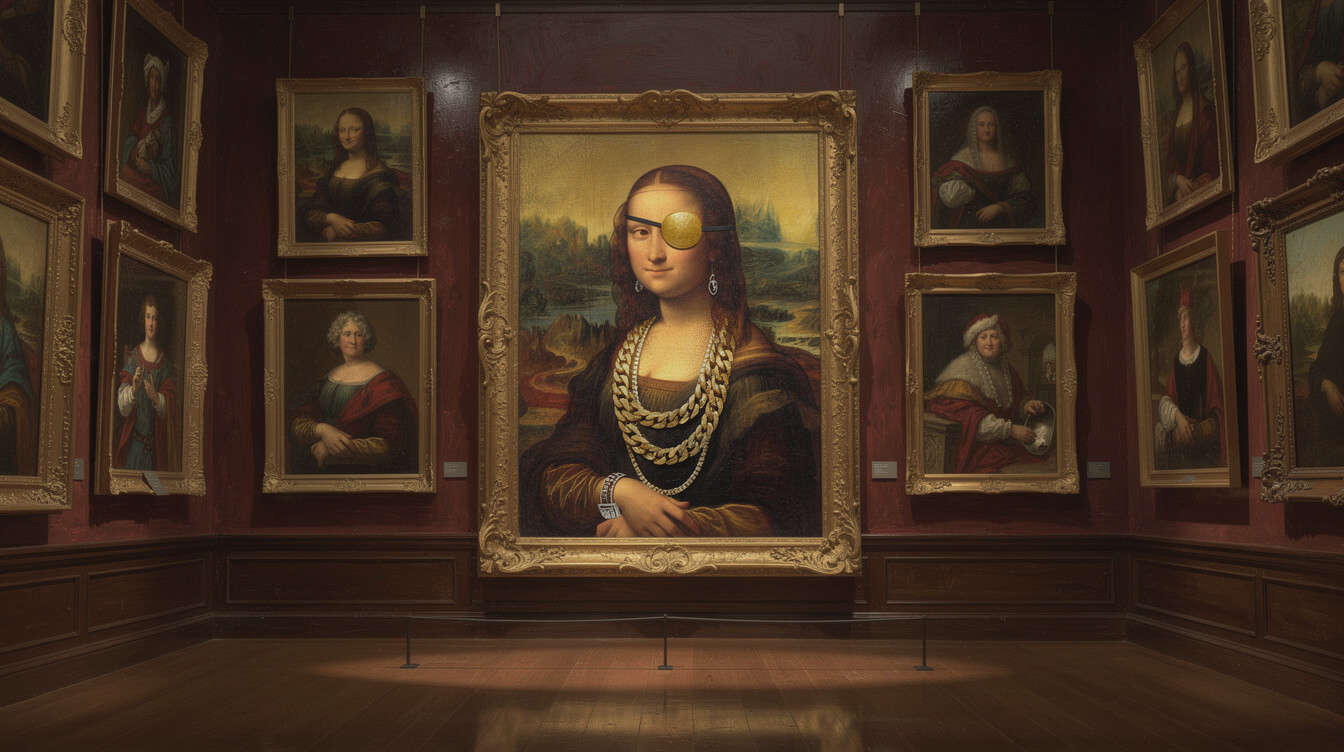
The most underrated Slick Rick song on Great Adventures is “Mona Lisa,” and every retrospective sleeps on it because the hook doesn’t slap you in the face the way “Children’s Story” does. It should not. “Mona Lisa” is a character study written in the voice of a shy kid trying to figure out how to talk to a beautiful girl in a pizza parlor. He gets in, gets flustered, gets played, and gets out. The whole song is his internal monologue, with the girl’s cool one-liners cutting through his overthinking. It’s an entire Sundance short film in three and a half minutes.
Look at Rick’s storytelling catalog on that album as a set and a specific tradition comes into focus — the warning track. “Hey Young World” warns kids not to run to the streets when the streets are calling. “Teenage Love” warns young couples that infatuation is not a life plan. “Children’s Story” warns anyone listening that a bedtime story can end with a body. Even “The Moment I Feared” is a warning to the narrator himself. This is a specific mode: cautionary tales delivered in the voice of a slightly-older cousin who has seen the way things go and is telling you the story so you don’t have to live it.
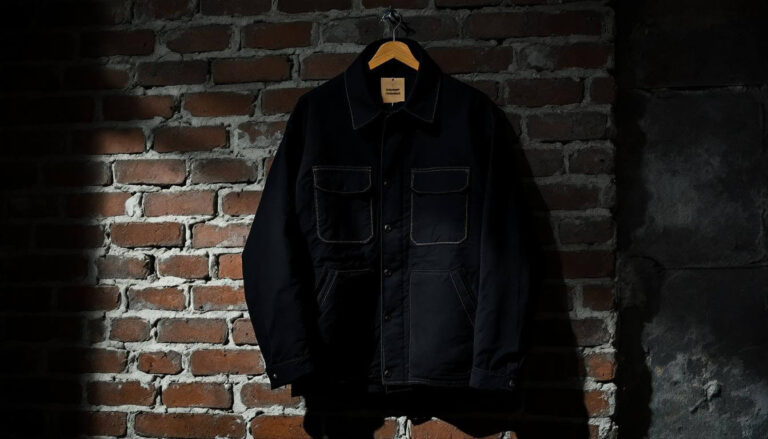
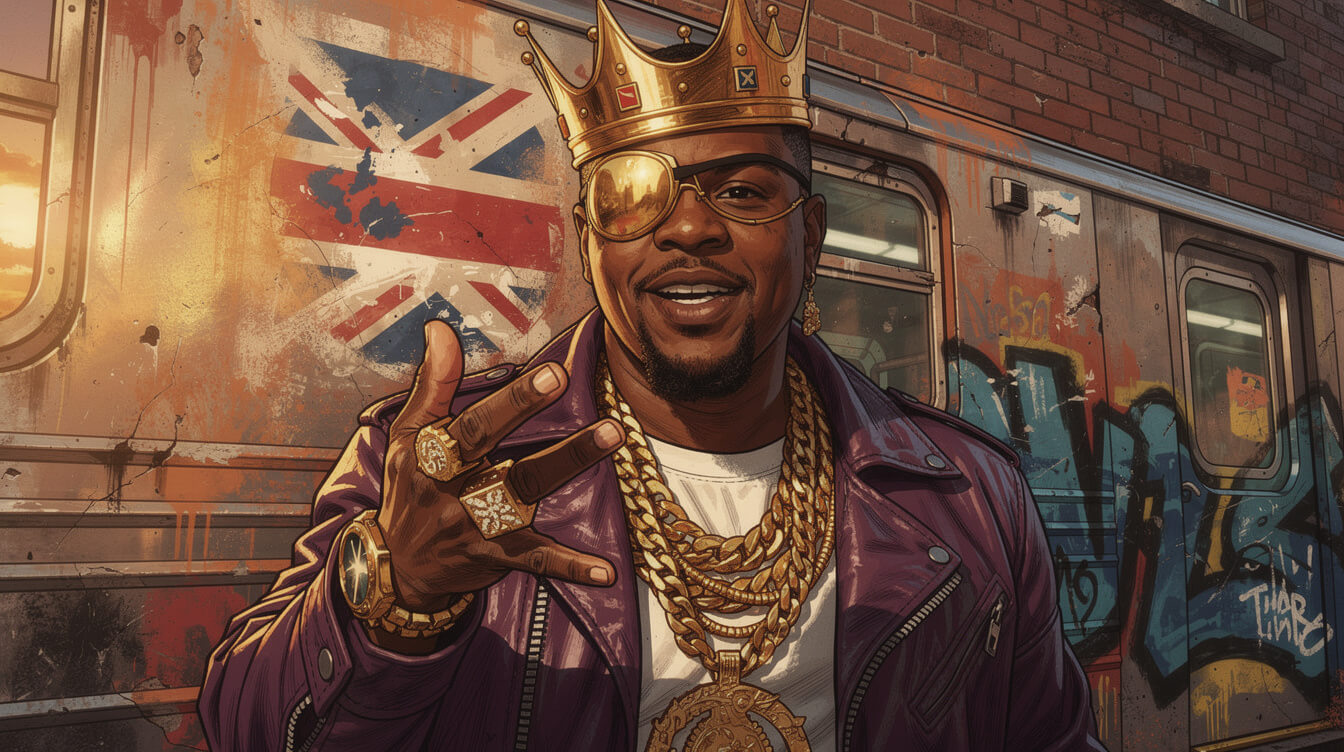
If the Slick Rick vibe is speaking to you — the eyepatch, the crown, the storytelling posture — the Great Adventures of Slick Rick tee puts the 1988 cover art on your chest. It’s the entry point to the golden-age storyteller wardrobe.
The warning-track mode is another lineage that runs deep. Nas’s “Represent,” Scarface’s “I Seen a Man Die,” Ice Cube’s “Dead Homiez,” Ghostface’s “All That I Got Is You,” Tupac’s “Brenda’s Got a Baby,” Kendrick’s “Sing About Me, I’m Dying of Thirst” — all of them are written in the tradition of the older cousin telling the younger cousin a story with a body count for a reason. Rick built the pew that all those preachers still stand behind.
Behind Bars, The Ruler’s Back, and the Catalog Rick Built Across a Prison Sentence
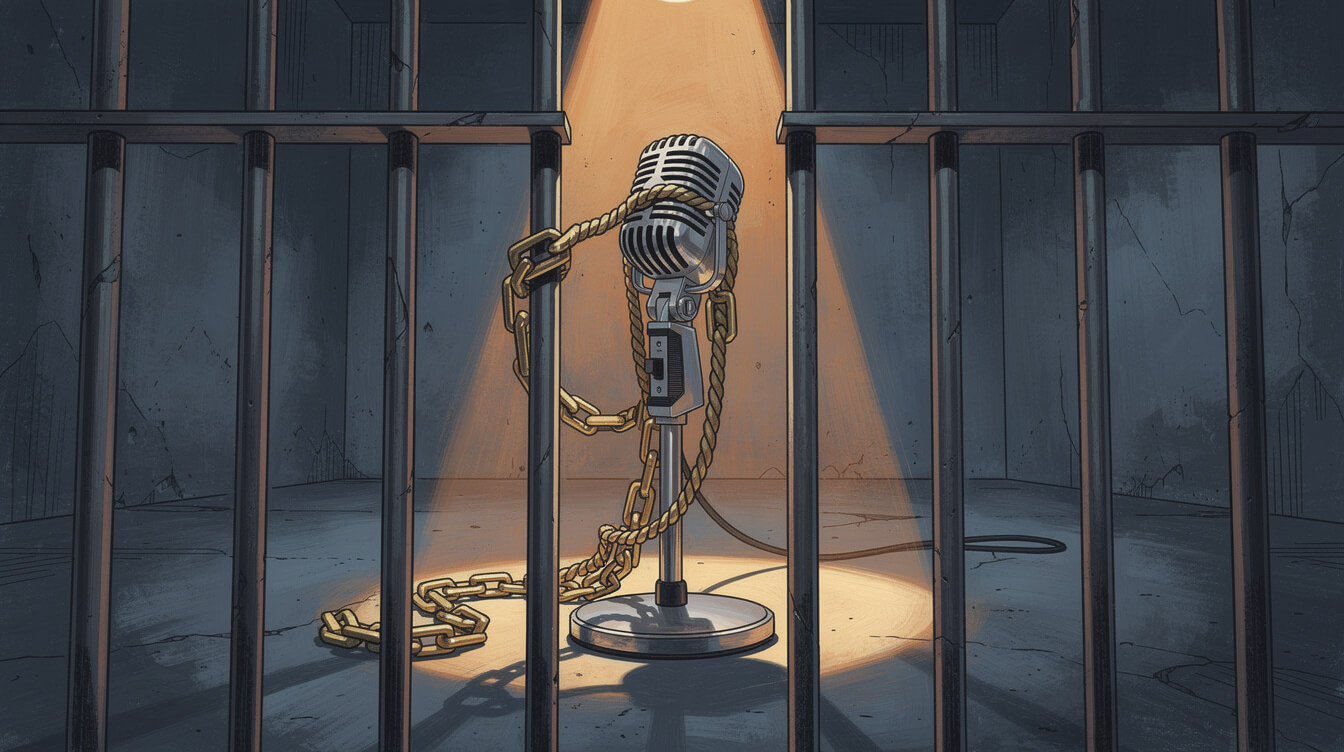
The reason Slick Rick’s catalog has fewer albums than his peers is not artistic. It’s carceral. In 1990, after being shot at in the Bronx, Rick shot his cousin Mark Plummer in what he maintained was self-defense. He was convicted of attempted murder and served roughly five years, plus additional detention during a long deportation fight with the INS (Rick was still a British citizen — the same accent that made him a legend nearly cost him the country). The prison years bisected his run precisely when hip-hop was blowing up commercially. That is a career-length asterisk almost every uDiscover-style list glosses over.
The catalog he made through the sentence is genuinely singular. The Ruler’s Back (1991) was recorded on furlough and released while he was doing time. It’s uneven — the production doesn’t match Great Adventures, and Rick himself has admitted it was rushed — but its very existence is the story. He worked the parole system to get to a studio and made a full album while incarcerated. That is a first-person Slick Rick song on its own.
Then Behind Bars (1994), released during his sentence, produced almost entirely from a prison telephone and a fax machine’s worth of exchanged verses. The title track is a coded, weary Rick narrating his own present tense — no bedtime frame, no third-person character, just the actual voice of the actual narrator writing the actual chapter. It is not a great commercial album. It is one of the most emotionally accurate records in the ’90s golden-era canon. Fans who only know “Children’s Story” should carve out time for the title track and “Sittin’ in My Car” (the Doug E. Fresh reunion single, both of them still on their absolute game after a decade apart).
After his 1996 release, The Art of Storytelling (1999) was the comeback record. It landed at #8 on the Billboard 200, went gold, and featured cameo verses from Nas, Snoop, OutKast, Big Boi, Raekwon, and Canibus — every one of them showing up to pay respect to the man who taught them how to construct a first-person verse. That guest list is the true measure of Rick’s standing in the culture: the rappers who were selling the most records in the late 1990s all cleared their schedules to sit in a Rick song.
The Cosign Decades: Snoop’s Lodi Dodi, Da Art of Storytellin’, Auditorium, and I Own America
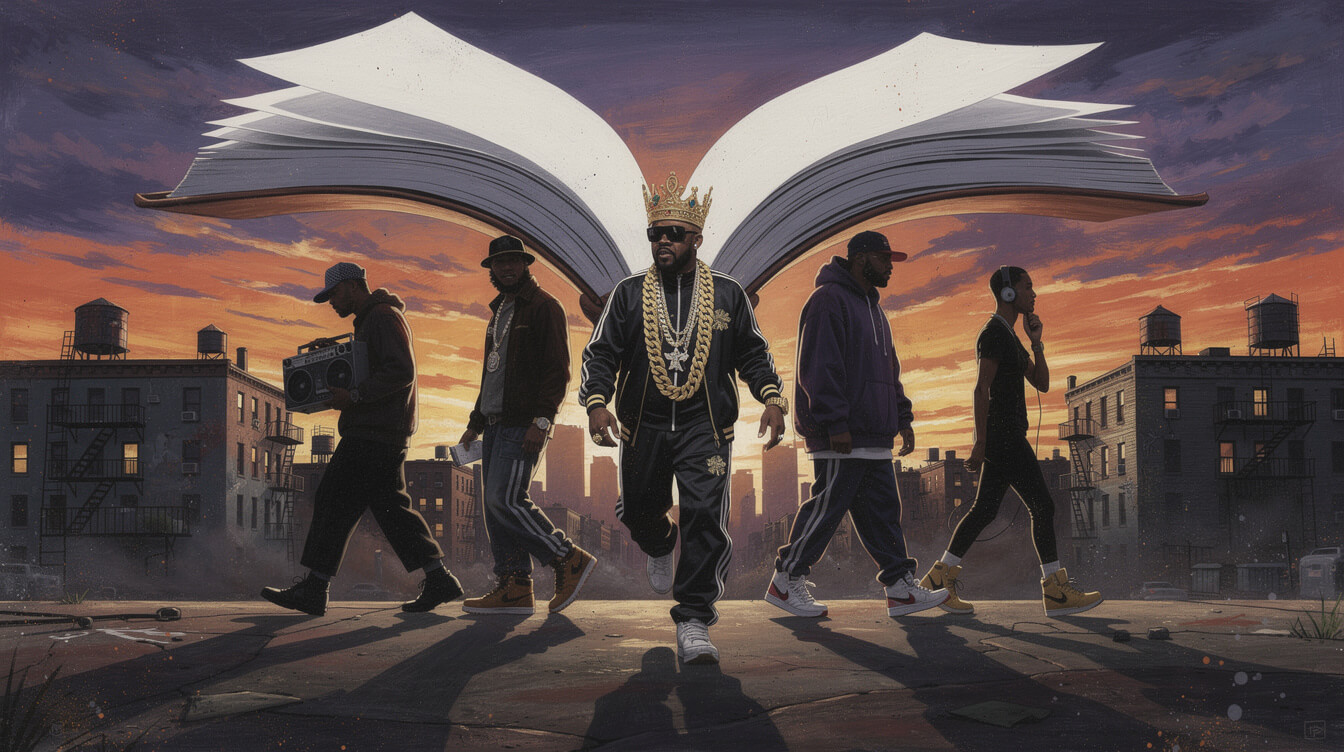
The clearest evidence of Slick Rick’s standing is not in any critic’s list. It’s in the cosigns. Snoop Dogg’s “Lodi Dodi,” from 1993’s Doggystyle, is essentially “La Di Da Di” recorded verbatim, in a Long Beach drawl, over a Dr. Dre G-funk beat. Legally it is a cover. Culturally it is the West Coast’s most famous rapper telling the world that this is the song that made him want to rap. When Snoop performs “Lodi Dodi” live, he still shouts out Rick and Doug. It is hard to think of another single hip-hop cover that carries that much weight.
OutKast’s “Da Art of Storytellin’ Pt. 1” from Aquemini (1998) is a different kind of cosign — a lineage statement. Big Boi and André 3000 write two of their most novelistic verses (Suzy Skrew and Sasha Thumper) and then hand the whole song over to Slick Rick on the hook: “Ah yes yes y’all, I have a story to tell.” That song is on our complete Aquemini deep-dive for a reason — you cannot explain what OutKast was doing on Aquemini without explaining Slick Rick’s shadow across their whole approach to writing.
Mos Def and Talib Kweli’s “Auditorium” from Mos Def’s The Ecstatic (2009) is late-career Rick delivering a first-person verse about a soldier walking through an Iraqi village. Two decades after Great Adventures, he was still doing it — writing a scene, populating it with characters, planting the moral in the frame. It’s arguably the best verse he ever wrote. And it slots directly into the same tradition as “Children’s Story,” just with a longer camera lens.
The recent chapter is 2024’s “I Own America,” Rick’s political single with a sample flip and a first-person verse that reframes the country from the immigrant’s chair. He is still using the exact same techniques he was using in 1985 — reported speech, dialect, dramatic irony, moral turn at the end. Four decades in and he has not swapped tools once. He has just kept sharpening the ones he brought over from Wimbledon.
Watch what other legends do around Rick when he’s in the room. Watch Nas’s face when Rick’s name comes up. Watch the deference from Snoop, from Q-Tip, from Andre, from Kendrick. That deference is not sentimental. It is technical. Every rap writer in that generation knows exactly where they got the manual.
Frequently Asked Questions About Slick Rick’s Songs
What is Slick Rick’s most famous song? Commercially, “Children’s Story” is his signature — a top-5 Rap Singles chart hit in 1989 and the track that gets covered, sampled, and quoted most often. Culturally, “La Di Da Di” is the founding document, largely because Snoop’s “Lodi Dodi” carried it into a second generation and Beyoncé, Kelis, Missy Elliott, and countless others have referenced its opening lines. Pick whichever definition of “famous” you value.
How many albums did Slick Rick release? Four studio LPs — The Great Adventures of Slick Rick (1988), The Ruler’s Back (1991), Behind Bars (1994), and The Art of Storytelling (1999). The compressed catalog is a direct result of his 1990-1996 incarceration and deportation fight. In 2024 he released his fifth full-length, Victory, plus the political single “I Own America.”
Why do people call Slick Rick a storyteller instead of a rapper? Because he built his entire style around first-person short stories with characters, dialogue, and moral turns — a structural mode most of his peers were not working in. The label is technical, not decorative. Storytelling in rap is a specific form, and Rick codified it. Anyone tracing the Slick Rick songs lineage — from Rakim’s early narrative tracks through Nas, Biggie, OutKast, Ghostface, Mos Def, Kendrick, and Earl Sweatshirt — is tracing a single technical tradition Rick started.
Is “La Di Da Di” or “The Show” the more important track? “La Di Da Di” is the more copied. “The Show” was the bigger hit on release. “La Di Da Di” is the one every serious rap fan can recite from memory forty years later. Both charted; both are essential; “La Di Da Di” is the one you should play first if you have never heard early Slick Rick.
What are the best Slick Rick songs to start with? “La Di Da Di,” “Children’s Story,” “Mona Lisa,” “Hey Young World,” “Teenage Love,” “Behind Bars,” “Sittin’ in My Car” (with Doug E. Fresh), “Da Art of Storytellin’ Pt. 1” (with OutKast), “Auditorium” (with Mos Def), and “I Own America.” That’s the ten-track starter kit. From there you go album-deep.
Final Thoughts
Slick Rick songs are the reason first-person rap narratives exist as a form. Not the reason they became popular — the reason they exist at all. Every rapper who has told you a story in dialogue with characters and a moral turn is standing in a lineage Ricky Walters started building in 1985 with a beatboxer and a microphone. When you go back and listen to The Great Adventures of Slick Rick with fresh ears, hear it as a manual. That is what it is. It is the manual.
Stay creative — The Custom Creative Team

Wear the 1988 Manual
The Great Adventures Hoodie honors the album that taught the genre how to write a chapter. Premium Gildan 18500, printed in the U.S., ships worldwide.
Get the Culture in Your Inbox
First look at new drops, hip-hop deep-dives like this one, and drop-only discounts. No corporate spam — just the culture.

🎧 Never Miss a Drop
Exclusive product releases, hip-hop deep dives, and member-only discounts. Straight to your inbox.
Free forever. No spam. Unsubscribe anytime.
Get the Culture, Delivered
Deep dives into hip-hop history, exclusive product drops, and discounts sent straight to your inbox. No spam, just culture.
Join 2,000+ hip-hop heads already in the loop. Unsubscribe anytime.