Kendrick Lamar Setlist Breakdown: How the Grand National Tour Turned GNX Into a Career Retrospective
The Kendrick Lamar setlist from the Grand National Tour wasn’t a random run of hits strung together to fill two hours. It was a script. Nine acts, a car that rose out of the stage floor, a deposition skit that took a direct shot at Drake’s lawyers, and a closing sequence that turned “Not Like Us” into a montage of Black art history — every piece of it was placed on purpose. Setlist.fm will give you the raw song order from one show in Minneapolis. What it won’t tell you is why Kendrick built the show the way he did, or how a co-headlining stadium run with SZA became the closest thing hip-hop has had to a career retrospective delivered in real time.
This is that breakdown. We’re not just listing songs — we’re reading the sequencing the way you’d read a tracklist, because that’s exactly how Kendrick treated it. If you haven’t already, catch up on our full read of why the Grand National Tour functioned as a coronation, not just a concert, and our deep dive on how GNX itself set the stage for everything that followed — both are essential context for the sequencing choices below.
The Kendrick Lamar Setlist as a Victory Lap
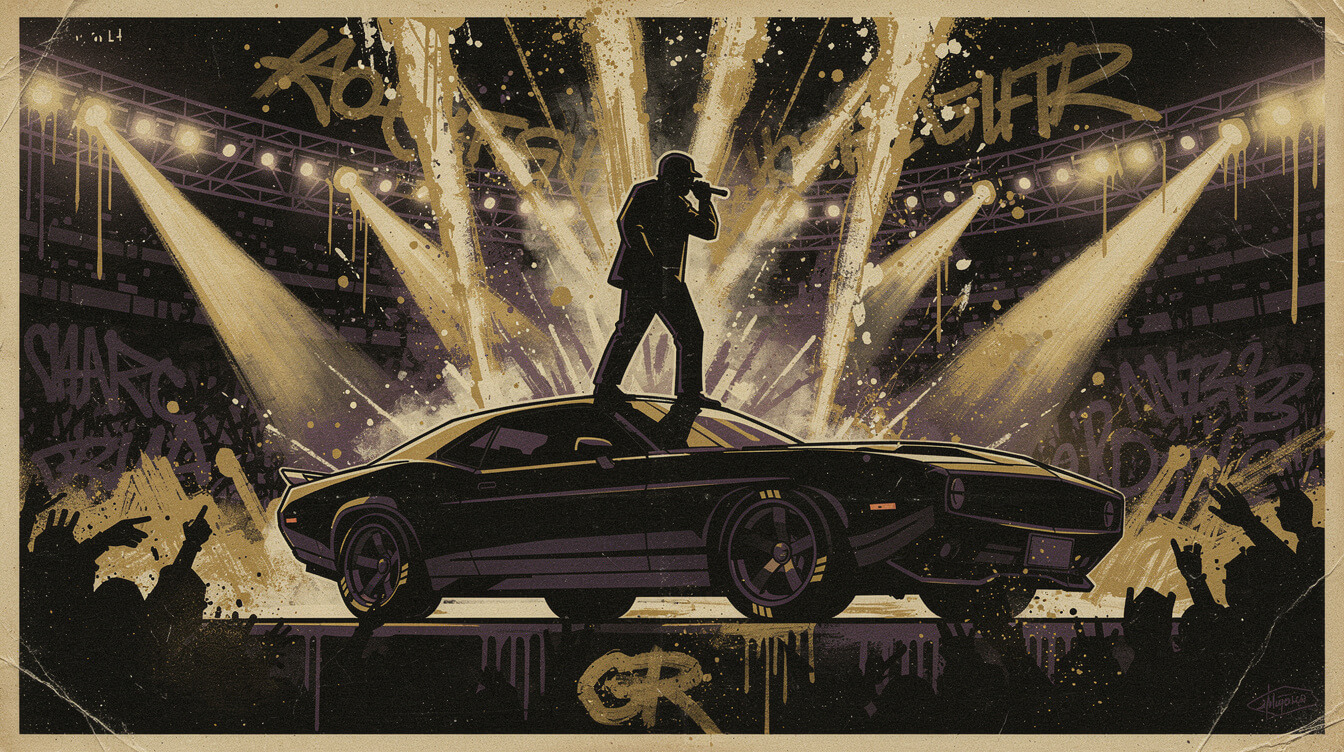
Context matters here. The Grand National Tour launched April 19, 2025, five months after “Not Like Us” turned a rap beef into a Grammy-winning, Super Bowl-headlining cultural event. Kendrick didn’t need to explain what the tour was about. He just needed to sequence it correctly, and he did.
The clearest evidence is the deposition skit. Mid-show, the screen cut to a courtroom scene — a lawyer, a deposition, a clear nod to Drake’s defamation lawsuit against UMG over “Not Like Us.” Critics picked up on it immediately; outlets covering the tour called it a direct reference to the ongoing legal fallout from the feud. That’s not subtext. That’s Kendrick putting the receipts on the jumbotron.
Then there’s “TV Off.” The song appears twice in the set — once early, as a pure instrumental with the beat cut right before the anticipated “Mustaaaaard” ad-lib, and again late in the show as a full reprise with Mustard himself walking out to finish what got interrupted. That’s not filler. That’s a callback structure, the same trick a rapper uses when they end an album on the same sample that opened it. The crowd screaming “Mustard!” during that first tease and finally getting the payoff two hours later is the setlist doing narrative work that a tracklist alone can’t.
And the whole thing closes on “Not Like Us” — not as the loudest song saved for last out of habit, but as the pivot point where the stage transforms from Kendrick’s muted, soldier-march color palette into a full-color montage of Black art across history, ancient Egyptian imagery included, alongside visuals nodding to Funkadelic. The victory lap doesn’t end with the diss track. It ends with the diss track becoming a launchpad into something bigger than the beef that spawned it.
Nine Acts, Two Headliners, One Story
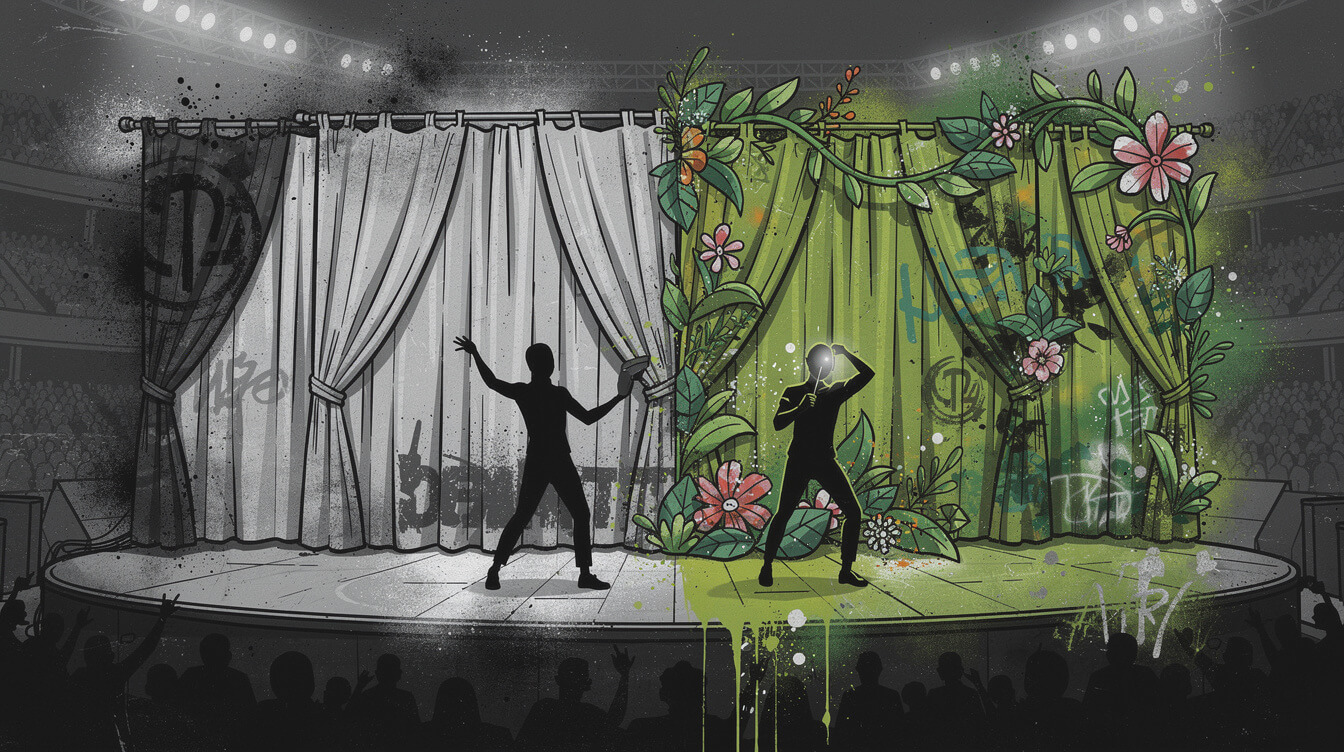
The Grand National Tour setlist was structured into nine distinct acts, and understanding that architecture is the key to understanding why any individual song sits where it sits. Most acts are solo — either a Kendrick block or an SZA block — but the fifth and ninth acts are joint sets where the two artists share the stage to perform their collaborations together.
That’s a deliberate frame, not a scheduling accident. SZA’s fourth act (rock-inflected cuts like “Scorsese Baby Daddy” and “F2F,” built around a garden-and-insect visual world with dancers dressed as praying mantises) leads directly into the tour’s first joint act, where “Doves in the Wind” and “All the Stars” let the two artists’ opposite aesthetics collide on a shared circular runway. Reviewers picked up on the contrast constantly — the Houston Chronicle‘s Joey Guerra called it a “magnetic push-pull,” and Dallas Observer critic Eric Diep went with “twin flames.” Both readings point at the same structural truth: the show is engineered to make two very different artistic identities feel inevitable next to each other, and it does that through placement, not just talent.
Kendrick’s blocks follow their own internal logic too. His sets are lit in a muted, almost monochrome palette — camo fatigues, Timberlands, baggy denim, lockstep marching choreography that reads more military formation than concert dance routine — and that restraint is exactly what makes the color-saturated “Not Like Us” closer hit as hard as it does. You don’t get the payoff without three hours of visual discipline building toward it.
SZA’s Garden, Kendrick’s March — Two Visual Languages Onstage
Put the two artists’ worlds side by side and the contrast is the whole show. SZA’s stage is a forest-and-insect ecosystem — vines, ivy, and flower props, dancers costumed as praying mantises, and a recurring giant ant prop nicknamed Anthony that she rides during “Kitchen.” It’s loose, gracile, and constantly in motion, a direct visual match for the more free-flowing choreography she brings compared to the uniform precision of Kendrick’s dancers. Kendrick, meanwhile, stays locked into hip-hop fashion staples — beanies, camo, Timberlands — and marching-band-tight formations that never break character even during the show’s looser moments.
That contrast isn’t incidental. It’s the visual version of the “magnetic push-pull” critics kept describing. Two completely different aesthetic systems, engineered to collide exactly twice a night — during the joint acts — so the differences read as complementary instead of mismatched. It’s the same trick a well-sequenced album pulls when it places a stripped-down interlude between two loud tracks: the contrast does work that neither song could do alone.
Why “Wacced Out Murals” Opens and “Not Like Us” Closes
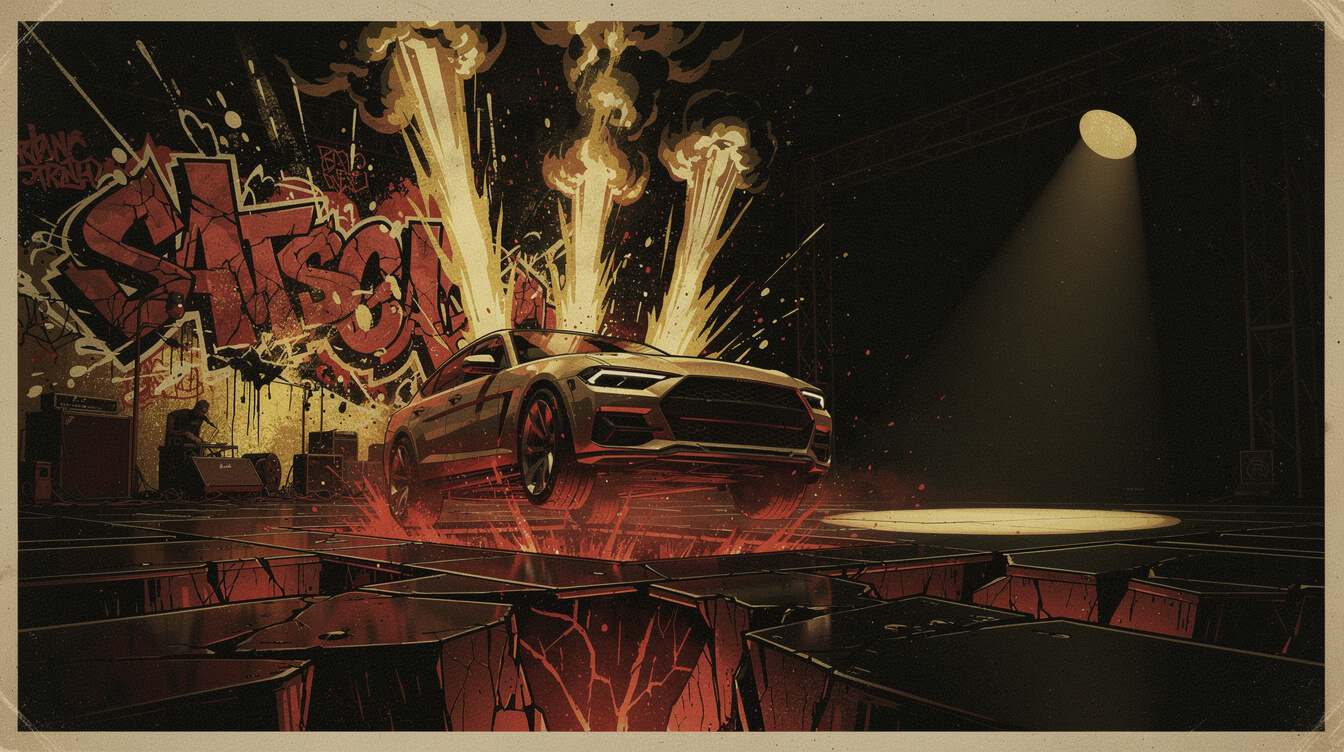
Bookending matters. Kendrick opens every show with “Wacced Out Murals,” emerging from inside a tinted GNX that rises out of the stage floor as pyrotechnics fire and home-video footage plays on the screen. It’s the first song on the GNX album, and putting it first onstage does the same job it does on the record — it announces the character he’s playing for the next two-plus hours before a single verse from the back catalog shows up.
The close is where the sequencing gets its sharpest. After “Bodies” — an unreleased cut nicknamed by fans — the second “TV Off” reprise, and then “Not Like Us,” the show doesn’t actually end on the diss track. It ends on “Luther” and “Gloria,” two Kendrick-and-SZA duets that pull the temperature all the way back down before the GNX rises back onstage and both artists disappear beneath it as the lights cut. That’s the structural move most single-song setlist trackers miss entirely: the loudest, angriest song in the catalog isn’t the final word. It’s the climax before a deliberate comedown, which tells you Kendrick wanted the room to leave on reconciliation and intimacy, not rage. That’s a genuinely different statement than “play the hit song last,” and it’s the kind of detail that never survives a bare song list.
Sample Flips as Storytelling
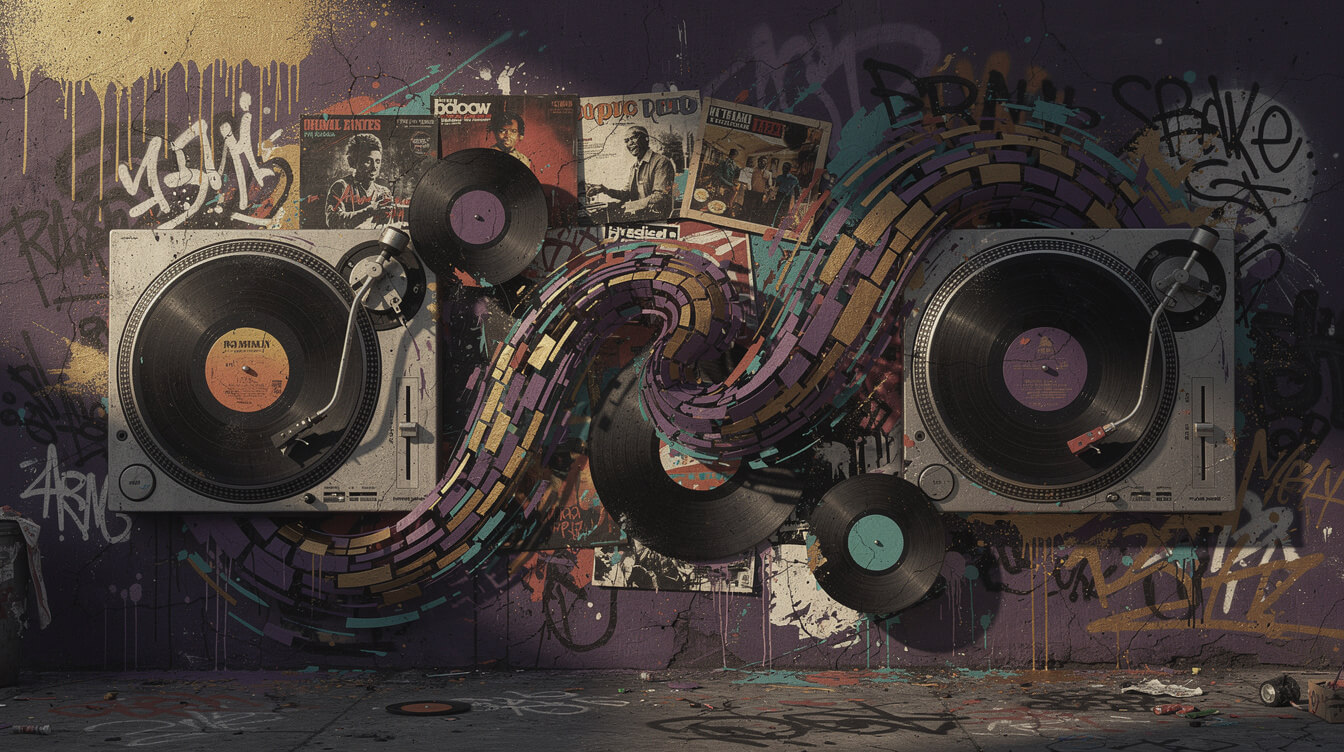
If you want proof this setlist was arranged with the same care as an album tracklist, look at the interpolations. Kendrick doesn’t perform his back catalog straight — he threads Anita Baker through it like a connective tissue linking Compton’s past to its present. “M.A.A.D City” gets folded into Baker’s “Sweet Love.” “Like That” picks up elements of her “Caught Up in the Rapture.” And the “TV Off” reprise closes with a piece of her “Angel” woven into Mustard’s beat. Three separate interpolations, one artist, deployed across three different points in the show — that’s not a random flex, that’s a thesis about West Coast R&B and soul as the DNA underneath West Coast rap.
SZA does her own version of this. “Diamond Boy (DTM)” carries elements of the Jones Girls’ “Who Can I Run To,” and “Kiss Me More” nods to Prince’s “Kiss” — her catalog’s samples reach back into the same soul and funk lineage Kendrick is pulling from, even though the two artists never explicitly discuss it onstage. The setlist does the talking. If you’re the kind of listener who catches a sample flip live and gets chills, that’s the whole point of a Mustard-produced record built on interpolation — the production and the performance history are inseparable.
The Sample-Flip Tradition This Setlist Is Actually Part Of
This isn’t a new trick for Kendrick — it’s a West Coast rap tradition he’s extending. G-funk built its entire sound on P-Funk and Roger Troutman flips; Dr. Dre’s The Chronic ran on live-replayed soul and funk basslines threaded through nearly every track. Kendrick doing the same thing with Anita Baker onstage, decades later, is that same lineage played live instead of sampled in the booth — a rapper using the region’s soul catalog as connective tissue the way DJs and producers have done since the era of Kool Herc’s breakbeat loops. It’s a small detail that turns a pop-rap arena show into something closer to a history lesson, if you know what you’re hearing.
For anyone who wants that same detail-over-hype approach translated into something you can actually wear, our Kendrick Lamar Merch: Fan Art Original Vintage T Shirt is built the same way the setlist is — referencing the catalog without needing to shout about it.
The Staging Details That Turned Songs Into Scenes
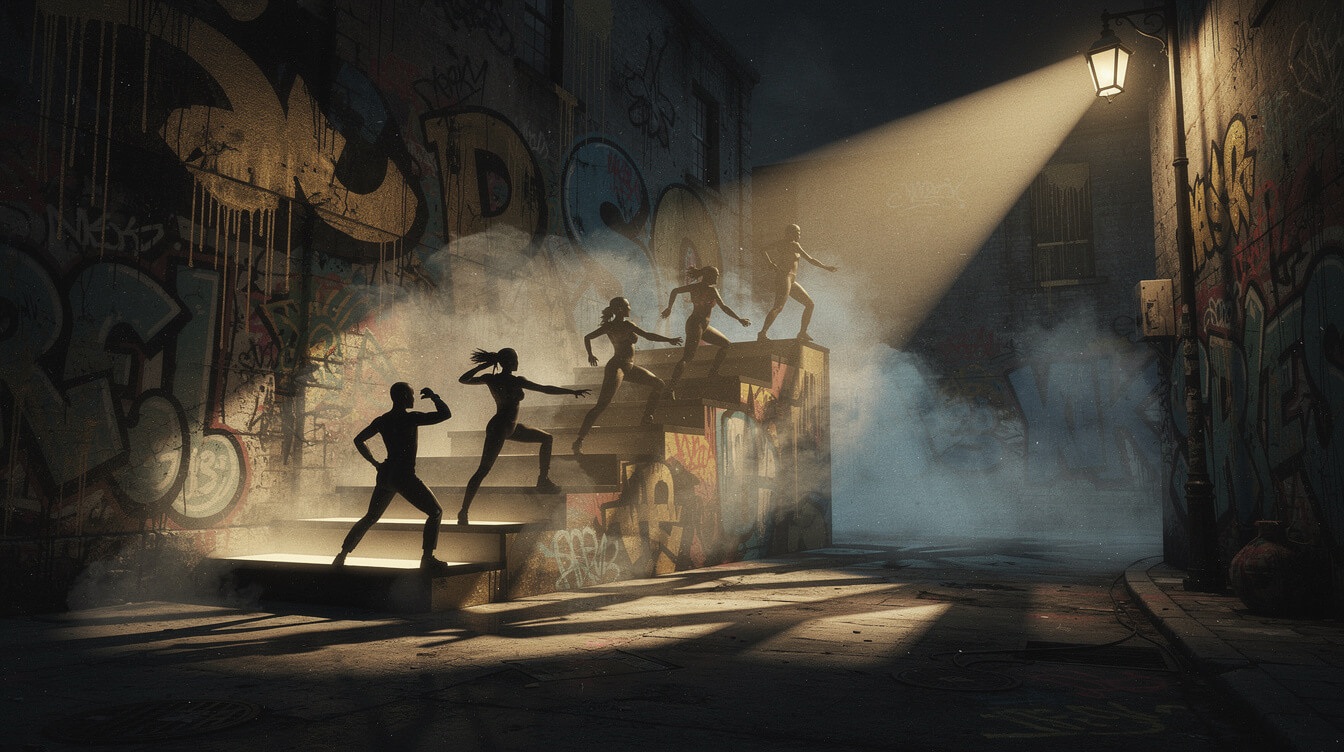
Every setlist tracker lists “Dodger Blue” as track fifteen or whatever number it lands on. None of them mention that the performance is staged with Last Supper-style imagery — Kendrick and his dancers arranged like the Da Vinci painting, a visual choice one reviewer specifically flagged as one of the show’s most striking moments. That’s the kind of receipt that separates a setlist database from an actual analysis of the show.
Same with “Kill Bill.” SZA performs it while the screen shows a mantis eating its mate’s head post-copulation — a direct, unflinching visual translation of the song’s lyrics about killing a former partner. It’s grim, it’s funny, and it’s exactly the kind of choice that tells you the visual team read the lyric sheet before building the show. “Snooze” gets an even bigger production swing: SZA is lifted on a harness in a gown long enough to resemble a cocoon, then the gown drops mid-ascent to reveal a butterfly costume underneath — a literal metamorphosis staged in real time above the crowd.
On Kendrick’s side, “DNA” gets singled out repeatedly in reviews for what Guerra called “a marvel of technology and timing” — tight synchronization between the beat’s stutter-stop structure and the stage’s lighting and pyro cues. None of that shows up on a bare tracklist. It only shows up if you actually watch the show, or read people who did.
If staging-as-storytelling is your thing, that same instinct — pulling meaning out of composition and imagery rather than just noise — is what drives our Kendrick Lamar Hoodie: Fan Art Original Vintage Collection, built off catalog-era artwork rather than tour merch templates.
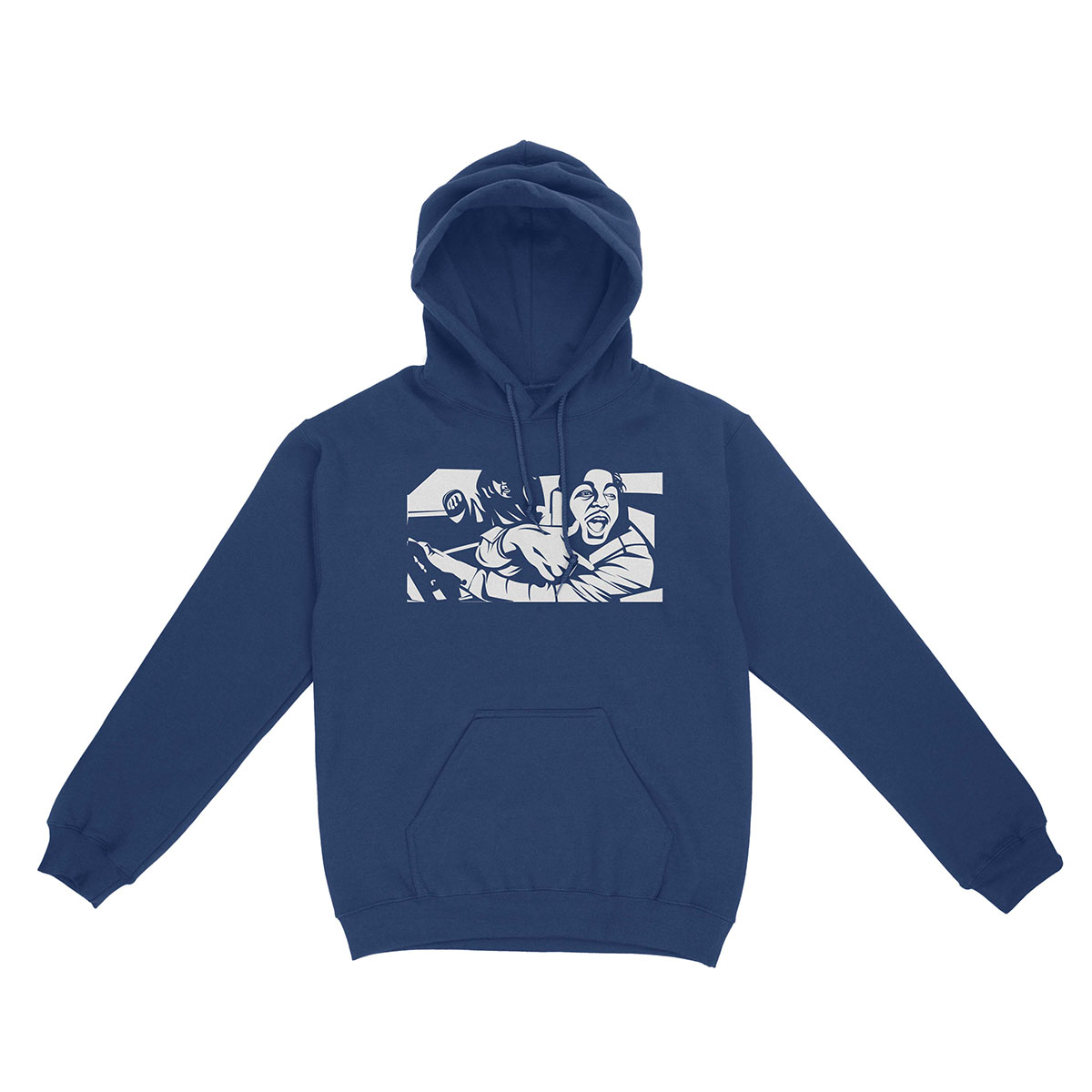
Wear the Catalog, Not the Tour Merch
Built off vintage-style fan art instead of a tour date list — for the heads who caught the Anita Baker flip live and knew exactly what it meant.
A Setlist That Breathed — Guest Cameos Across the Run
Across the tour’s 47 shows spanning North America, Europe, South America, and Australia, the core sequencing held steady but the setlist stayed flexible enough to fold in surprise guests without breaking its own structure. At the Atlanta stop, Playboi Carti joined for “Good Credit.” Baby Keem — Kendrick’s cousin and the original “Family Ties” collaborator — showed up at the second East Rutherford show to perform the song properly instead of the solo a cappella version Kendrick had been running most nights. Kaytranada linked with SZA for “Be Your Girl” at that same East Rutherford stop, and Lizzo and Justin Bieber each got their own cameo moments during the Inglewood run, on “Special” and “Snooze” respectively. Doja Cat joined for “Kiss Me More” in Paradise, AzChike closed out the final Inglewood show on “Peekaboo,” and Lizzo made a second appearance at the second Nanterre show, joining SZA for “IRL” — a rare instance of one guest showing up twice across two different continents on the same run.
None of those cameos required rebuilding the show. That’s the real proof the nine-act structure worked — it was rigid enough to hold a consistent narrative arc night after night, but modular enough to absorb a guest verse without the sequencing falling apart. Compare that to a standard hip-hop tour where a surprise guest just gets bolted onto the encore, and you start to see how much design work actually went into this one.
What the Records Say About the Kendrick Lamar Setlist

The commercial numbers back up what the sequencing was already telling you — this was built to be the biggest version of itself. The Seattle show broke the record for the highest-grossing hip-hop concert ever, pulling in $14.811 million off 60,941 tickets in a single night. After the North American leg wrapped in Landover, Billboard declared the Grand National Tour the highest-grossing co-headlining tour of all time, with 1.1 million tickets sold and $256.4 million in revenue for that leg alone.
Critics were just as locked in on the performance side. Reviewers repeatedly flagged the crowd’s participation as its own character in the show — people screaming “Mustard!” during “TV Off” and “A-minor!” during “Not Like Us” loud enough that one Consequence critic joked it could crack the sound barrier. That kind of audience energy doesn’t happen by accident. It happens when a crowd has been trained, song by song and act by act, to know exactly when the payoff is coming.
Frequently Asked Questions About the Kendrick Lamar Setlist
Did the Kendrick Lamar setlist stay the same every night on the Grand National Tour?
The core nine-act structure and core song list stayed consistent across all 47 shows, but specific elements — guest cameos, occasional song swaps, and regional shoutouts — varied by city. Setlist.fm’s data reflects the April 19, 2025 Minneapolis show specifically and is explicitly noted as not representative of every date.
Why does “TV Off” appear twice in the set?
It opens as an instrumental tease with the beat cutting before Mustard’s signature ad-lib, then returns later in the show as a full reprise with Mustard performing it live. It’s a deliberate callback structure, not a repeat for filler.
What’s the deal with the Anita Baker samples throughout the show?
Kendrick interpolates three different Anita Baker songs — “Sweet Love” inside “M.A.A.D City,” “Caught Up in the Rapture” inside “Like That,” and “Angel” inside the “TV Off” reprise — threading her catalog through the show as a throughline connecting West Coast soul to West Coast rap.
Is the Grand National Tour still touring in 2026?
No — the tour ran from April 19 to December 11, 2025, and concluded in Sydney, Australia. This breakdown covers the completed run as a retrospective, not a currently active tour.
How many shows did the Grand National Tour play, and where?
The tour ran 47 shows across North America, Europe, South America, and Australia. The North American leg alone — 23 shows — was declared the highest-grossing co-headlining tour leg of all time by Billboard, with 1.1 million tickets sold and $256.4 million in revenue.
What made the Seattle show historic?
The Seattle date broke the all-time record for highest-grossing hip-hop concert, generating $14.811 million from 60,941 tickets sold in a single night — a number that outpaced any prior hip-hop show on record.
Final Thoughts
A setlist is a text if you know how to read it, and the Grand National Tour was written with the same intentionality as an album. The deposition skit, the double “TV Off,” the Anita Baker threading, the deliberate landing on “Luther” and “Gloria” instead of the loudest diss track — none of it is accidental, and none of it shows up if you’re only looking at a database of song titles and timestamps. That’s the difference between a setlist tracker and an actual read on what an artist built.
If you caught any leg of this run live, or you’re revisiting it now that it’s in the books, the receipts hold up. This wasn’t just the biggest hip-hop tour of the year. It was Kendrick using two-plus hours a night to tell you exactly who he is, in the order he wanted you to hear it.
Stay Ahead of the Culture
Deep dives, drop alerts, and the stories behind the catalog — straight to your inbox, no fluff.

🎧 Never Miss a Drop
Exclusive product releases, hip-hop deep dives, and member-only discounts. Straight to your inbox.
Free forever. No spam. Unsubscribe anytime.
Get the Culture, Delivered
Deep dives into hip-hop history, exclusive product drops, and discounts sent straight to your inbox. No spam, just culture.
Join 2,000+ hip-hop heads already in the loop. Unsubscribe anytime.