Today in Hip-Hop — July 13: Run-DMC Crashed Live Aid, the Day Rap Owned the Biggest Stage on Earth
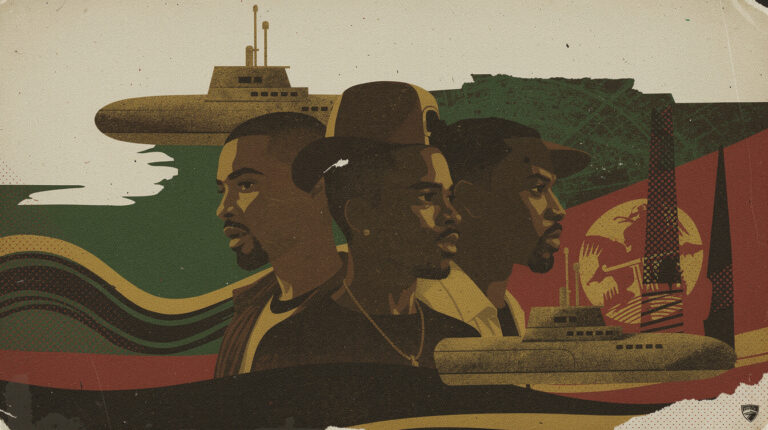
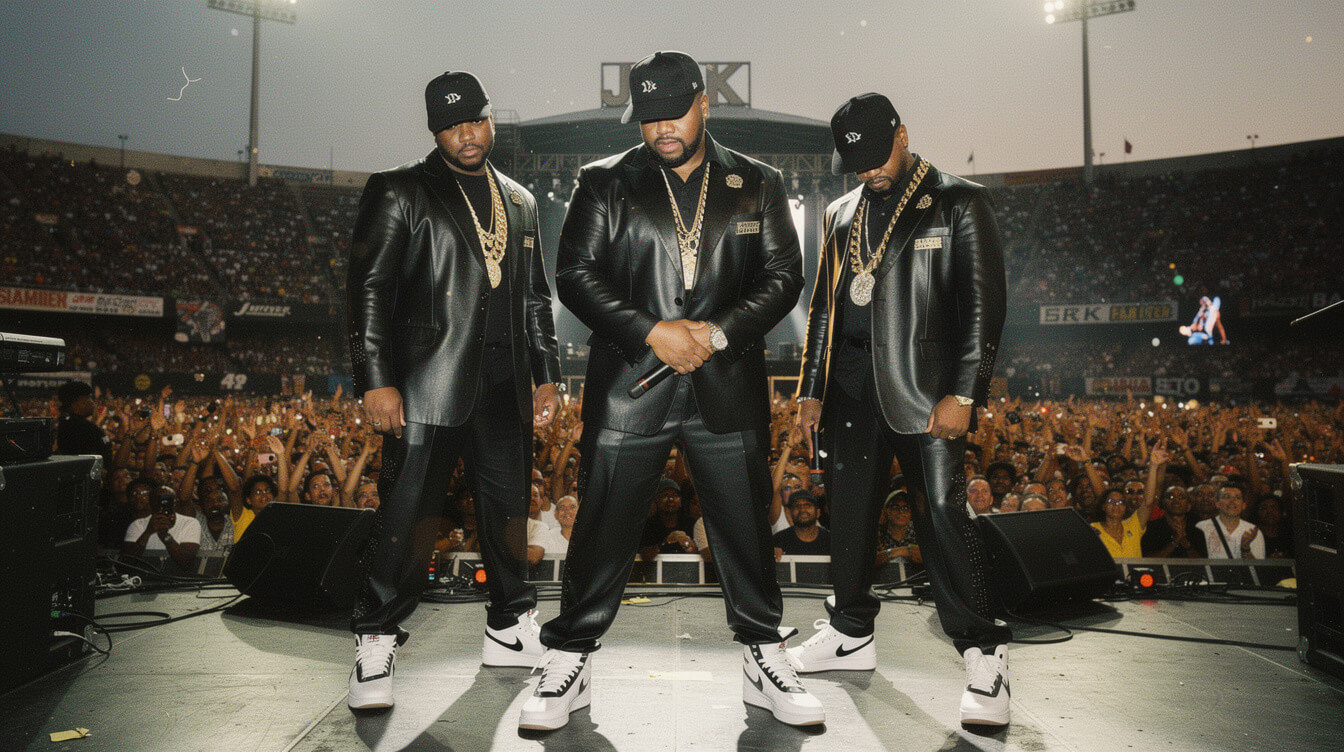
July 13, 1985. JFK Stadium, Philadelphia. Ninety thousand people in the seats, a satellite feed piped to a global audience the industry later estimated at 1.9 billion — the biggest broadcast in the history of moving pictures at that point. Bob Geldof had stacked a two-continent bill for Ethiopia famine relief that read like a rock-radio holy book: Bob Dylan, Madonna, Tom Petty, The Who, Neil Young, Zeppelin’s half-reunion. And squeezed onto that bill, walking out to a Chevy Chase introduction and 90,000 mostly-rock kids, were three brothers from Hollis, Queens in black fedoras, Adidas shell-toes, and gold ropes. Run-DMC were the only hip-hop act at Live Aid. Forty-one years ago today, they crashed the biggest stage on Earth — and hip-hop stopped being a New York secret.
Why This Wasn’t Just a Set — It Was a Runway
Understand the timeline. In July 1985, Run-DMC had two albums out: the self-titled 1984 debut on Profile Records (Larry Smith and Russell Simmons producing) and King of Rock, which had dropped that January. The title track — the song they opened the Live Aid set with — was already the boldest declaration in hip-hop: three MCs standing next to a marble bust of Beethoven telling every rock station in America we the kings now. But rock radio wasn’t playing it. MTV was, barely. Rick Rubin was in an NYU dorm room finishing production ideas that would become Def Jam. The idea that hip-hop belonged on a stadium stage was still a debate.
Live Aid ended the debate at noon Eastern. Bill Graham, the Philadelphia promoter, had gone to bat to keep Run-DMC on the bill against pushback that they wouldn’t translate. Jam Master Jay’s cuts translated. “Rock Box” translated. “King of Rock” translated. Ten months later — May 15, 1986 — Run-DMC dropped Raising Hell, went triple platinum, put Aerosmith on the “Walk This Way” remake, sold out Madison Square Garden and every other room that used to say hip-hop crowds were a liability. The line from that JFK Stadium set to the first hip-hop album in Billboard’s top 10 is not decoration. Live Aid was the receipt Def Jam and Profile needed to walk into every corporate radio programmer’s office and say the room will show up.
The visual receipts matter too. Every Adidas shell-toe on that stage was a rebuke to the reflex that rap was a fashion trend that couldn’t scale. A year later, Run-DMC’s “My Adidas” turned that footwear into a $1.6 million endorsement deal — the first non-athlete Adidas contract in the brand’s history. The Live Aid stage was where they earned that leverage on camera, in front of the entire music-industry establishment.

Wear the Album That Live Aid Made Possible
The JFK Stadium set in 1985 was the runway. Raising Hell — May 15, 1986 — was the plane taking off. We put the whole moment on a hoodie: the black-and-white Hollis geometry, the fedora silhouette, the Adidas-line typography of the era that ended the “hip-hop can’t sell to America” argument for good.
Also This Week in Hip-Hop
- July 14, 1998 — Beastie Boys, Hello Nasty (28 years tomorrow). Debuted #1 on the Billboard 200 with 681,000 units in week one — the highest first-week for any hip-hop album that year. “Intergalactic” won the Grammy for Best Rap Performance by a Duo or Group at the 41st ceremony. Twenty-two tracks, Mario Caldato Jr. co-producing, Mix Master Mike on the ones — the album that turned the Beasties back into a live-band-plus-turntable operation after the analog rock detour of Ill Communication.
- July 15, 2003 — Bad Boys II Soundtrack (23 years this week). Debuted #1 with 293,000 units, carried “Shake Ya Tailfeather” (Nelly, P. Diddy, Murphy Lee) to four weeks at the top of the Hot 100 and a Grammy for Best Rap Performance by a Duo or Group. Also housed the last posthumous Notorious B.I.G. verse Diddy would clear from the vault for a soundtrack: “Realest Niggas” with Biggie, 50 Cent, and Eminem trading bars.
- July 15, 2008 — Nas, Untitled (18 years this week). The album originally titled with the word Def Jam wouldn’t print, delivered anyway — 187,000 first-week units, Nas’s ninth studio album, “Hero” with Polow da Don and “N.I.G.G.E.R. (The Slave and the Master)” back to back. The Cornel West cosign, the FOX News firestorm, the receipt that Nas still moved records without a title on the cover.
- July 20, 1993 — Cypress Hill, Black Sunday (33 years next week). First Latin hip-hop album to debut #1 on the Billboard 200 — 261,000 first-week units, back when a #1 debut was rare hip-hop territory. Muggs on production, the grim-reaper skull cover, “Insane in the Brain” running on MTV all summer, three-times platinum by the end of the year. West Coast Latino hip-hop’s arrival on the national charts, no asterisk.
Why We’re Still Talking About July 13, 1985
Every hip-hop stadium tour since — Wu-Tang at MSG, Kendrick’s Grand National, the Drake–Kendrick Pop Out — traces a line back to the JFK Stadium set where three Queens dudes in fedoras walked into rock’s biggest room and made it belong to them. Live Aid gets remembered as the day Queen closed the Wembley leg with the greatest twenty minutes in rock history. Fine. It’s also the day hip-hop stopped asking permission. That’s the story worth telling forty-one years later.
Stay creative — The Custom Creative Team

🎧 Never Miss a Drop
Exclusive product releases, hip-hop deep dives, and member-only discounts. Straight to your inbox.
Free forever. No spam. Unsubscribe anytime.
Get the Culture, Delivered
Deep dives into hip-hop history, exclusive product drops, and discounts sent straight to your inbox. No spam, just culture.
Join 2,000+ hip-hop heads already in the loop. Unsubscribe anytime.