Cypress Hill’s Complete Discography, Decoded: Every Studio Album From 1991 to 2025 Ranked, Reviewed & Mapped
Ask the internet to name a Cypress Hill album and the answer comes back fast: Black Sunday. Maybe the self-titled 1991 debut if the person knows their LA history. After that, the conversation usually stops — which is a fairly insane place to leave it for a group that has put out eleven studio LPs across four decades, in three languages, in three different genres, while pioneering Latin major-label hip-hop, hot-boxing the weed canon, and quietly inventing rock-rap before Limp Bizkit got their first endorsement check.
This is the full Cypress Hill album map. Every studio record from the 1991 South Gate debut through 2025’s Black Sunday Live at the Royal Albert Hall, decoded by era: the Latin pioneer years, the weed canon, the dark pivot, the rock-rap crossover, the Spanish-language major moment, the psych comeback, and the symphonic late-period live record nobody saw coming. Ranked. Reviewed. Mapped to the lineage they actually built.
The Self-Titled 1991 Debut: The Album That Made LA Latin Hip-Hop a Major-Label Force
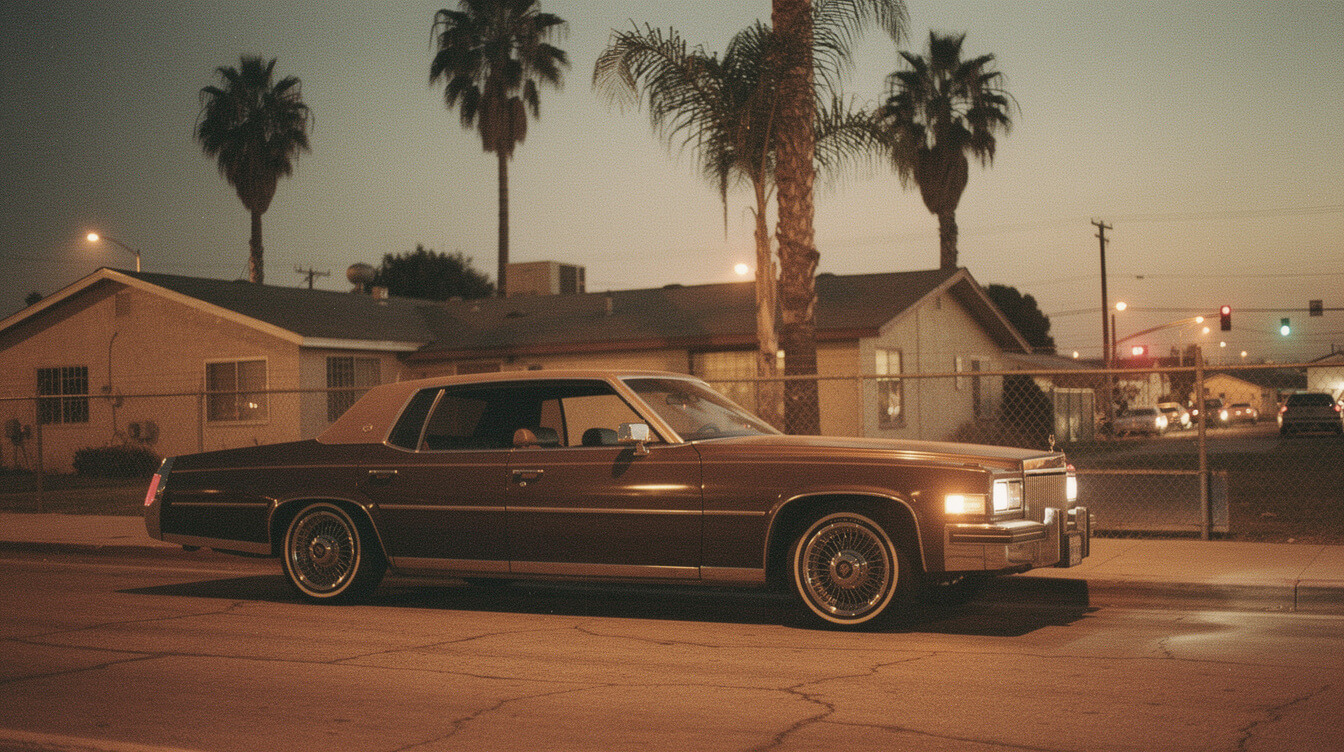
The first Cypress Hill album dropped August 13, 1991 on Ruffhouse/Columbia. By the time the calendar flipped to 1993 it had gone double platinum — an absurd outcome for a debut by three South Gate kids rapping in a register nobody on a major label had heard before. B-Real’s nasal sneer, Sen Dog’s bark-shouted Spanish-English ad-libs, DJ Muggs’ dust-cloud production. It was a sound so specific that radio didn’t know what to do with it for the first six months.
Then “How I Could Just Kill a Man” and “Hand on the Pump” hit college rotation, and the record stopped being a regional curiosity. The South Gate / Cuban-American/Mexican-American context was new on a major hip-hop release: Sen Dog’s Cuban roots and B-Real’s Mexican-American identity weren’t subtext, they were the text. Muggs, a Queens transplant who had cut his teeth with 7A3, built the production around dusty-bass-line loops sampled from Lowell Fulson, the Bar-Kays, and Funkadelic, then mixed them through what he called “the smoke filter” — deliberately murky, deliberately heavy.
The debut peaked at 31 on the Billboard 200, but its real metric is structural: it kicked the door open for every Latin hip-hop artist who came after, from Big Pun to Fat Joe to Immortal Technique to Bad Bunny’s hip-hop pivots three decades later. Ranking it against the rest of the catalog, this is a top-three Cypress Hill album, full stop. Cultural-impact-per-track ratio, none of the others touch it.
The technical credits are worth holding onto: Muggs produced fifteen of the sixteen tracks, with T-Ray co-producing “Born to Get Busy.” Engineer Joe “The Butcher” Nicolo at Studio 4 in Philadelphia mixed nearly the whole record — the same Philly engineering chemistry that would later mix Schoolly D and the early Ruffhouse roster. “How I Could Just Kill a Man” used a flip of Lowell Fulson’s “Tramp” and a Bar-Kays drum break, layered until the bass line moved like a low-rider hydraulic. That production fingerprint — warm bass on top, drums slightly back in the mix, vocals dry and forward — became the template for nearly every dust-cloud production credit Muggs took in the next ten years, including his work on House of Pain’s “Jump Around” and GZA’s Liquid Swords.
Black Sunday (1993): The Weed Canon LP & Why It Still Tops "Insane In The Brain"
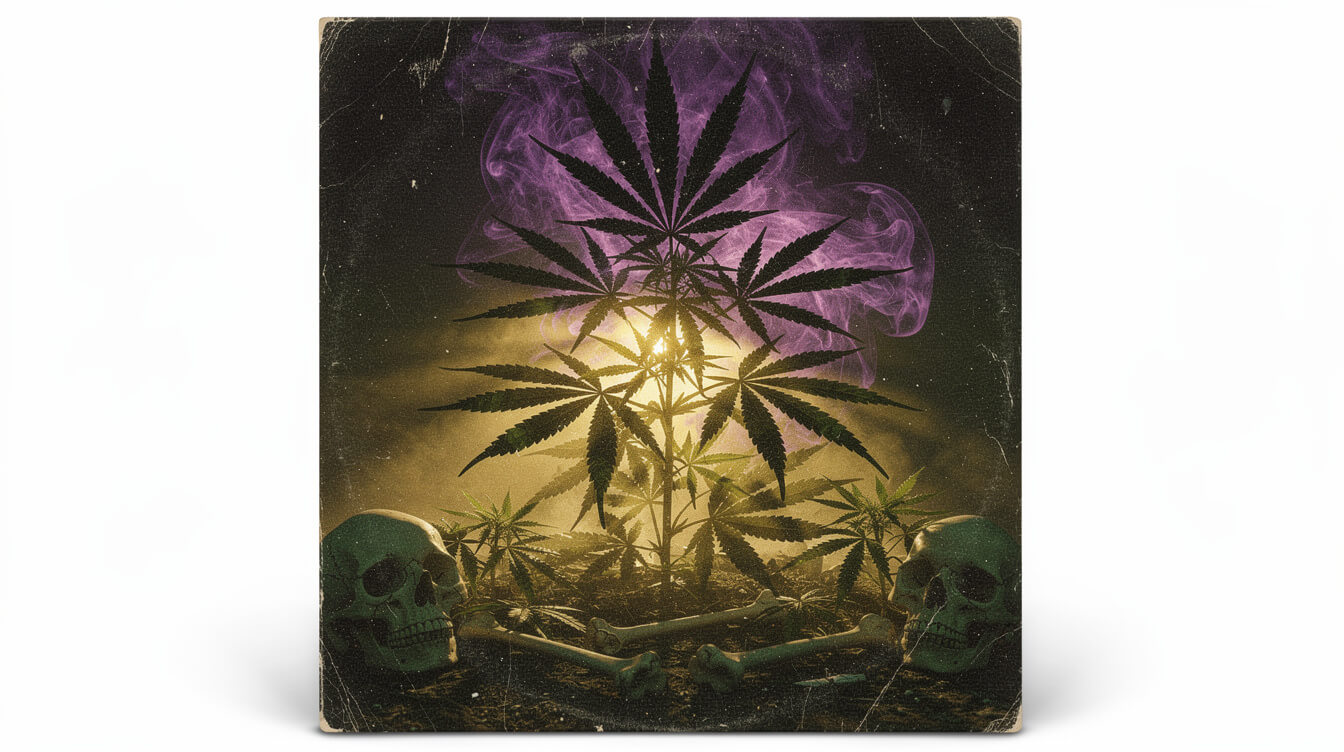
Black Sunday sold 261,000 copies in its first week of release in July 1993. That was the highest first-week sales figure for any hip-hop record in Soundscan history up to that point. It debuted at number one on the Billboard 200 — a position the Cypress Hill catalog has never returned to since — and went triple platinum. For an album whose entire aesthetic was “the world is ending and we’re getting too high to care,” that’s a remarkable commercial outcome.
The track everybody knows is “Insane In The Brain.” It’s also, frankly, the third or fourth best song on the record. “I Ain’t Goin’ Out Like That” runs harder. “Hits From the Bong” — built on a Dusty Springfield “Son of a Preacher Man” sample — is the actual atmospheric blueprint for every stoner hip-hop record that followed. “I Wanna Get High” is the thesis statement. “Lick a Shot” is the threat. Black Sunday works as an album because Muggs sequences these things into a single moodscape: paranoid, comic, menacing, hazy, all at once.
This is the LP that codified the weed canon in hip-hop. Not Doggystyle, not The Chronic, not Method Man’s solo work, not even Wiz Khalifa’s later mixtape run — Black Sunday. The 19 tracks include a 9-track liner-note essay by High Times’ editor on cannabis legalization. The marketing was inseparable from the politics. The politics were inseparable from the production. Top-of-catalog. The greatest single Cypress Hill album they’ve put out.
The chart context is worth pinning down. Black Sunday held number one for two weeks in July 1993. The record it knocked off the top was Janet Jackson’s janet. The record that knocked it off two weeks later was U2’s Zooropa. That’s an absurd sandwich position for a hip-hop record at that exact cultural moment — pre-Doggystyle, pre-Enter the Wu-Tang (both released that fall), pre-Midnight Marauders. It briefly made Cypress Hill the biggest rap group in the world. The sustained sales tail across 1994 (triple platinum by year-end, plus another 5 million in international sales eventually) is the part that the chart-position headline misses.
III: Temples of Boom (1995) & Cypress Hill IV (1998): The Dark Pivot
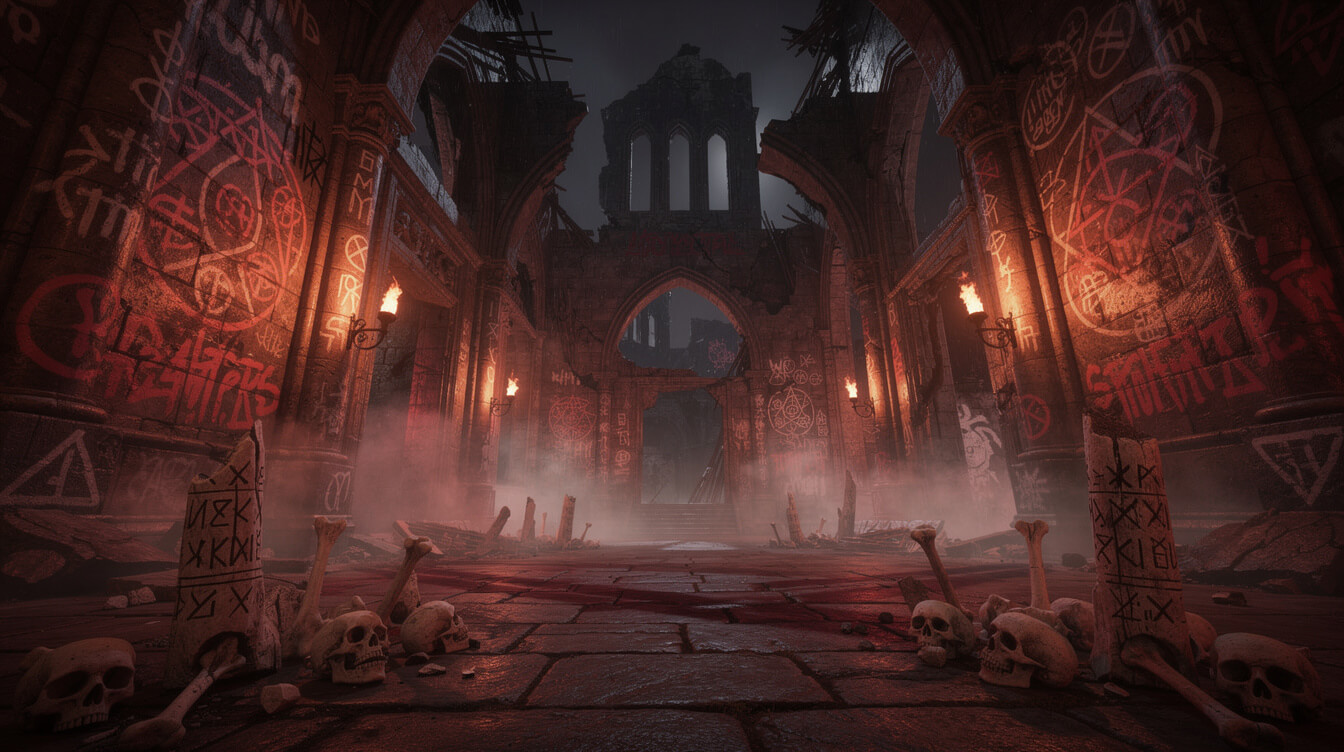
If Black Sunday was the smoke-clouded party at the end of the world, III: Temples of Boom was what happened after the party. Released October 1995, the third Cypress Hill album traded the playful menace of the first two for something genuinely ominous — gothic, occult-tinged, almost dread-soaked. The Muggs production swapped funk loops for grinding minor-key chord progressions and Wu-Tang-adjacent bone-clatter drums. The whole record sounds like an East Coast/West Coast collision filtered through a horror-movie score.
“Throw Your Set in the Air” was the radio single. “Boom Biddy Bye Bye” was the underground anchor — later flipped into a definitive remix with The Fugees that turned it into a Top 40 record in the UK and across Europe. “Illusions” featured Q-Tip on the remix. The album went double platinum. But the cultural read on it has always been that this is the Cypress Hill album where the group stopped being a novelty and demanded to be taken seriously as catalog artists.
Cypress Hill IV (1998) extended the dark template but tightened it. “Tequila Sunrise” with Barron Ricks. “Dr. Greenthumb” — the inevitable Greenthumb seeds business plug a decade before that became normal artist behavior. The IV-era production saw Muggs handing off some tracks to outside producers (T-Ray, Dignan Porch) for the first time, which loosened the sonic identity slightly. IV went platinum. It’s the Cypress Hill album most fans skip on a re-listen, which is a shame — the dark trilogy reads cleanest when you take all three in sequence.

Wear the Dark Trilogy
The Temples-era skull-and-bones aesthetic, printed clean and heavy. Built for fans who came up on Muggs’ minor-key production and never went back.
Skull & Bones, Stoned Raiders & The Rock-Rap Era: Cypress Hill Goes Crossover
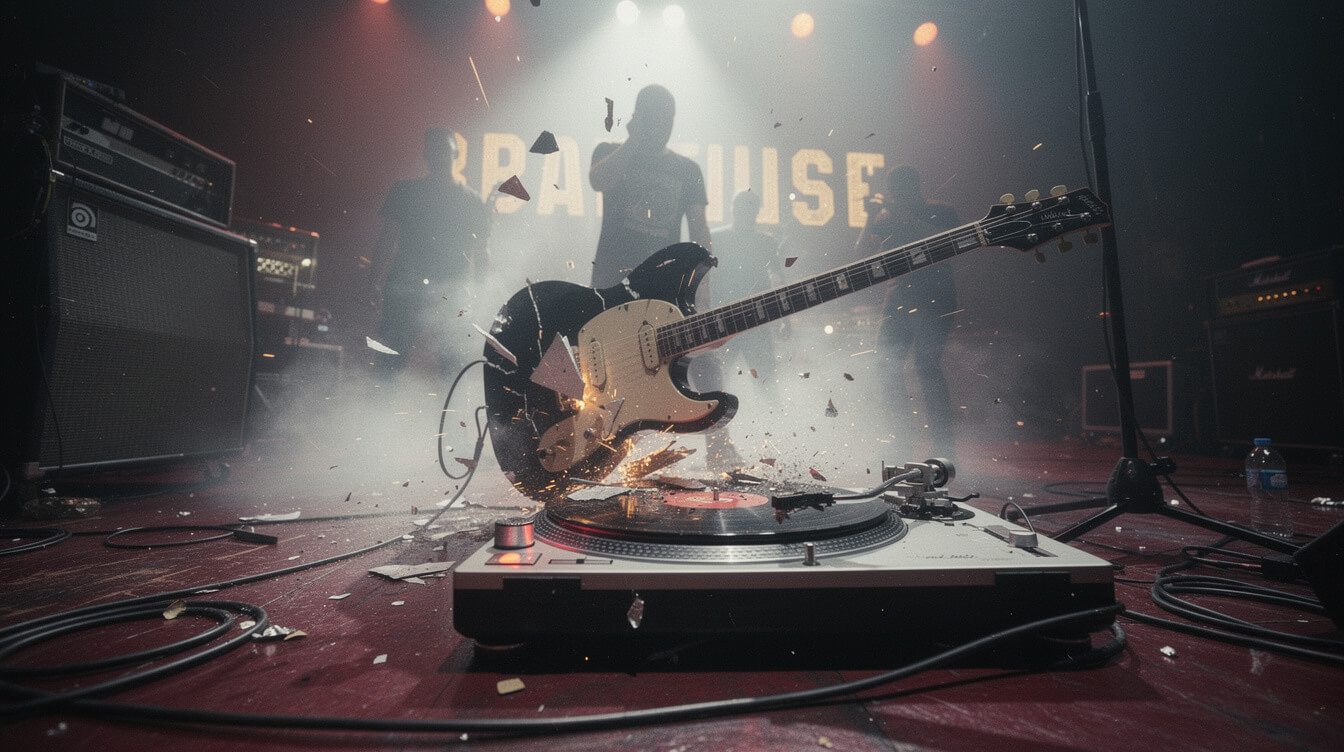
By 2000, the rock-rap moment was peaking. Limp Bizkit, Linkin Park, Korn, and Kid Rock had pulled the format into mainstream radio. What everyone forgets — including most music journalists who actually lived through it — is that Cypress Hill had been doing rock-rap before any of those acts existed. The 1993 Judgment Night soundtrack pairing with Sonic Youth on “I Love You Mary Jane” predated Significant Other by six years. The 1995 Lollapalooza headlining slot pre-dated nu-metal entirely.
Skull & Bones (2000) was the album where they committed. It’s structured as a double-CD: disc one is straight hip-hop (Muggs, T-Ray, DJ Lethal production), disc two is full-rock with a live band including ex-Rage Against the Machine drummer Brad Wilk and Dust Brothers contributions. “Superstar” became the radio single and a Top 40 hit. The album went platinum in three weeks. Stoned Raiders followed in 2001, leaning even harder into the rock format with appearances from Kurupt, Method Man, and Redman bridging the two camps.
The catalog read here is unkind but accurate: Skull & Bones is a fascinating bridge record, not a great one. Stoned Raiders is the weakest album in the main Cypress Hill catalog. The novelty had worn off, the rock-rap market collapsed by 2003, and the group spent most of the mid-2000s touring the back catalog. If you came up listening to this era and ever wondered what it’d look like as wearable streetwear, our Cypress Hill T-Shirt takes the bones-and-marijuana visual language that ran through the Skull & Bones sleeve art and translates it clean — the kind of piece that signals you know the catalog past the radio singles.
One under-discussed wrinkle of this era: Till Death Do Us Part (2004) closed the rock-rap arc with a hard reggae and dub pivot that almost nobody saw coming. Damian Marley appears on “Ganja Bus.” Prodigy of Mobb Deep sits in on “Last Laugh.” The Bob Marley-quoting reggae production sketch on “Latin Thugs” with Tego Calderon points at where the catalog would eventually head once Rise Up arrived six years later. Till Death didn’t sell — it peaked at 21 on the Billboard 200, the first Cypress Hill album not to break the top 20 — but as a transitional document it tracks straight from the rock-rap era into the late-period world-music phase. Catalog completeness reads better than catalog popularity in this case.
Los Grandes Exitos en Español: The Latin Hip-Hop Pioneer Move Almost Nobody Talks About
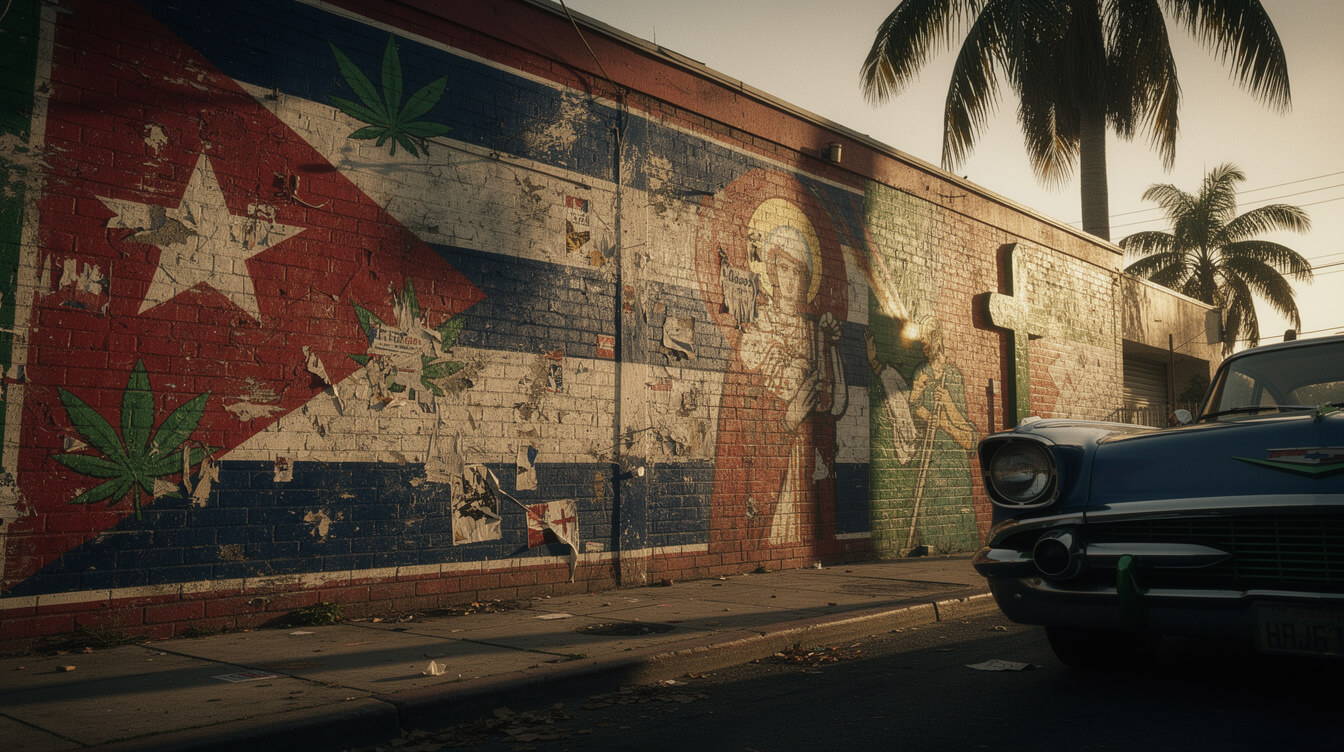
In 1999, between Cypress Hill IV and Skull & Bones, Sony Latin released Los Grandes Éxitos en Español — a full-Spanish reworking of greatest-hits-era Cypress Hill, with B-Real and Sen Dog re-recording vocals in Spanish over Muggs’ original beats. It went gold in the US. It went platinum across Latin America. And it is, by any measurable standard, the first major-label Spanish-language hip-hop record by an American act that crossed cultural lines in both directions — Latin American audiences got hip-hop in their first language, US Spanish-speaking audiences got their crew validated on a major. This is the Cypress Hill album that almost nobody on Anglo hip-hop blogs mentions, and it might be the most historically important.
“Tequila Sunrise” became “Tequila.” “Insane In The Brain” became “Loco en el Coco.” “Latin Lingo” was already half in Spanish on the debut, but here it was rebuilt as an anchor track. The Spanish-language rewrites weren’t translations — B-Real and Sen Dog rewrote the verses to land culturally in both Cuban and Mexican Spanish, with different cadences for each track. Sen Dog has said in interviews this was the album he was most proud of writing.
The lineage line is straight: Los Grandes Éxitos opens the door for Daddy Yankee’s English-Spanish crossover work in the 2000s, for Pitbull’s bilingual hits, for Bad Bunny treating Spanish as a default rap language by the 2020s. None of that happens on the same timeline without Cypress Hill recording this record. It’s the most under-credited move in their catalog.
Rise Up & Elephants on Acid: The Comeback & The Psych Pivot
After a seven-year gap, Cypress Hill returned with Rise Up in 2010 — their first record on Tom Morello’s Priority Records imprint, with Morello himself producing several tracks. The guest list reads like a rock-rap fantasy lineup: Tom Morello, Daron Malakian of System of a Down, Mike Shinoda of Linkin Park, Marc Anthony, Pitbull. The lead single “Armada Latina” with Pitbull and Marc Anthony went gold. The album peaked at 19 on the Billboard 200, the highest Cypress Hill chart position since 2000.
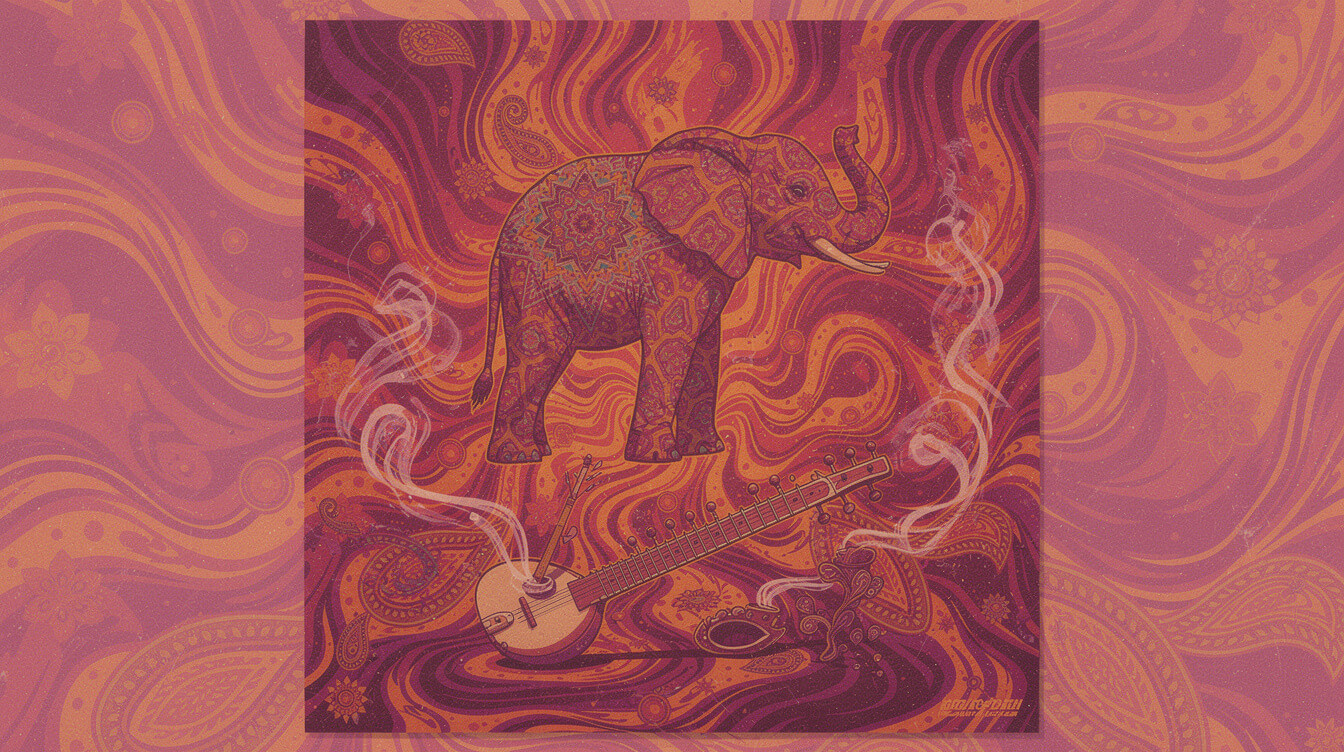
Then in 2018, eight years later, came the album that nobody saw coming: Elephants on Acid. Muggs went on a documented spiritual journey to Egypt before producing it, and the record reads exactly like that — tabla loops, sitar samples, dusty Bollywood string bends, deep-Eastern-modal scales, all under B-Real’s still-unmistakable nasal flow. “Crazy” was the closest thing to a single. There were no radio hits. The album charted at 116. Critically, it is the highest-reviewed Cypress Hill album since Black Sunday.
That’s the catalog read most fans miss: Elephants on Acid is a great Cypress Hill album. It’s a psychedelic-boom-bap fusion that doesn’t sound like anyone else — not Madlib, not Flying Lotus, not even RZA’s deeper kung-fu-flick experiments. Muggs treated his production like a 1968 head-music record. The fact that it didn’t sell doesn’t make it weak. It makes it the most under-listened-to record in the catalog after Los Grandes Éxitos.
The cultural read on Elephants on Acid sharpens further when you stack it next to what was actually winning hip-hop in 2018: Travis Scott’s Astroworld, Pusha T’s Daytona, Cardi B’s Invasion of Privacy. None of those records were doing what Cypress Hill was doing. The trap-808 hegemony was at its peak. Muggs took the opposite turn — deeply sample-driven, drum-machine-free, modal — and the underground hip-hop press treated it like the contrarian masterpiece it was. Pitchfork gave it 7.8. The Guardian called it “the most coherent album of the group’s career since III.” That’s a defensible critical read three decades into a catalog. Most groups don’t get that.
Black Sunday Live at the Royal Albert Hall (2025): What The 2025 Live LP Means For Their Late Era

In April 2024, Cypress Hill performed Black Sunday in its entirety at the Royal Albert Hall in London — accompanied by the London Symphony Orchestra, twenty-five years after a literal Simpsons episode joke about that exact concert had aired. (1996, Season 7, “Homerpalooza” — the gag was that Cypress Hill had accidentally booked an orchestra for their set.) They turned the joke into the actual record. The performance was filmed, mixed, and released in 2025 as Black Sunday Live at the Royal Albert Hall, the most recent Cypress Hill album in the catalog.
The arrangement is the story. Muggs and conductor Troy Miller rebuilt every Black Sunday track from the ground up — not just adding strings over the original beats, but writing entirely new orchestral charts that interlock with the original sample sources. “Insane In The Brain” gets a full brass-section reharmonization. “Hits From the Bong” turns the Dusty Springfield sample into a string-quartet motif. “I Wanna Get High” gets a slow-build cinematic intro that sounds like a Lalo Schifrin score. It is, structurally, the most ambitious record in the catalog.
Critical reaction was strong. Commercially it has performed like a legacy-act vinyl release, not a mainstream chart play — which is the correct read for what it is. What it means for the late-era Cypress Hill discography is bigger than its sales numbers: it confirms that Black Sunday is now formally a canonized catalog record, treated by the artists themselves the way symphonic acts treat their own legacy works. The 35-year arc from a South Gate debut to the Royal Albert Hall is, by itself, a more interesting story than most acts in hip-hop have available to tell. If you want the broader context on how album art and aesthetic moved across this same span of hip-hop history, our 50-year history of hip-hop album cover art picks up the same era from the visual side — and for the wider group’s lineup history, every member’s contribution is mapped out post by post.
The final ranking, by catalog weight:
- Black Sunday (1993) — the canonized peak
- Cypress Hill (1991) — the genre-opening debut
- III: Temples of Boom (1995) — the dark pivot
- Elephants on Acid (2018) — the under-listened-to masterpiece
- Black Sunday Live at the Royal Albert Hall (2025) — the late-era ambition piece
- Los Grandes Éxitos en Español (1999) — the historically essential one
- Cypress Hill IV (1998) — tighter than its reputation
- Rise Up (2010) — the comeback that worked
- Skull & Bones (2000) — the fascinating bridge
- Stoned Raiders (2001) — the weakest, still worth a listen
- Till Death Do Us Part (2004) — the catalog-closer of the rock-rap era
Eleven studio albums, eleven distinct moves. The conversation that stops at Black Sunday is missing about 80% of what makes the Cypress Hill catalog matter. The Latin pioneer angle, the rock-rap-before-rock-rap angle, the psych-pivot angle, the late-period symphonic angle — none of that is in the radio singles. All of it is in the album cuts.
The catalog also rewards a second listening trick most fans never attempt: queue the records by Muggs-only production credits versus outside-producer credits. The pure-Muggs records (debut, Black Sunday, III, Elephants on Acid) cluster at the top of any honest ranking. The split-production records (IV, Skull & Bones, Stoned Raiders, Rise Up) sit in the middle. The fully-outsourced or guest-heavy records sit at the bottom. That pattern isn’t a coincidence — it’s the production fingerprint argument for treating Muggs as one of the three or four most consistent hip-hop producers across a 35-year arc, next to DJ Premier, RZA, and Pete Rock. Most catalog conversations about “great hip-hop producers” leave him out. The discography mapped end-to-end is the argument for putting him back in.
For a deeper read on the hip-hop production lineage Muggs sits in — and the wider streetwear and merch culture that grew up around acts like Cypress Hill across the same arc — check our guide to authentic hip-hop merch. The aesthetic threads through the same era this discography covers, and the visual language tracks album by album right alongside the music.
Deeper Catalog Reads, Weekly
Full-catalog breakdowns, lost-album receipts, and the hip-hop history your radio playlist skipped — in your inbox every week.

🎧 Never Miss a Drop
Exclusive product releases, hip-hop deep dives, and member-only discounts. Straight to your inbox.
Free forever. No spam. Unsubscribe anytime.
Get the Culture, Delivered
Deep dives into hip-hop history, exclusive product drops, and discounts sent straight to your inbox. No spam, just culture.
Join 2,000+ hip-hop heads already in the loop. Unsubscribe anytime.