Clipse Lord Willin’ Album: The Definitive Breakdown of the 2002 Coke-Rap Debut That Put Virginia on the Map
On August 20, 2002, two brothers from Indian Lakes — a planned-community pocket of Virginia Beach better known for tourism than coke rap — released the debut album that would put Virginia on the map. The Clipse Lord Willin’ album wasn’t a Neptunes vanity project, and it wasn’t a Southern record either. It was something stranger: 13 tracks of grim drug-trade reportage from Terrence “Pusha T” and Gene “No Malice” Thornton, sung over the slickest pop production Pharrell Williams and Chad Hugo had ever cut. The pop hooks didn’t soften the lyrics. They sharpened them. The collision is the album.
This is the definitive breakdown — every track, every single, every chart number, every credit, plus the things the 23 other retrospectives on the SERP keep missing: the 1999 ghost album that almost killed Clipse before Lord Willin’ ever existed, the specific Virginia Beach geography you can hear inside the record, and the 23-year arc from this debut to the 2025 Let God Sort Em Out reunion.
The 1999 Ghost: Why “The Funeral” Almost Killed Clipse Before Lord Willin’ Ever Existed
Most retrospectives skip the part where Clipse should have been finished by 2000. They shouldn’t. The trauma of the 1999 deal is sitting inside every bar on Lord Willin’.
Pharrell Williams met Pusha T and Malice in 1992 through Teddy Riley’s Virginia Beach orbit, the same Future Recordings hub that produced Timbaland, Missy Elliott, and the rest of the Neptunes’ early collaborators. By 1996, Pharrell had leveraged his rising production profile into a record deal for the brothers with Elektra Records. The first single, “The Funeral,” dropped in 1999. It died at radio.
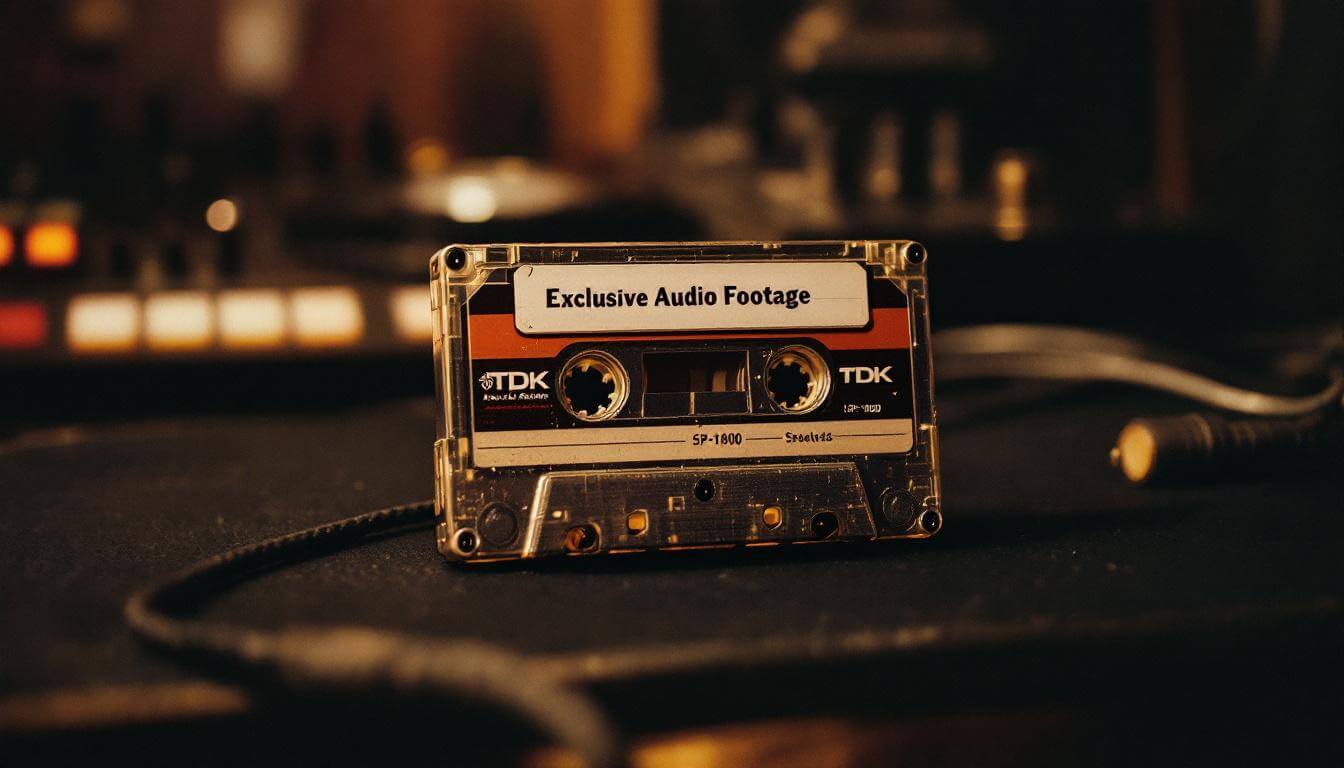
Elektra shelved their debut album, Exclusive Audio Footage, before it ever hit retail. Clipse were dropped from the label. As GRAMMY.com’s “For The Record” retrospective by Earl Hopkins documents, the brothers spent the next two years effectively in industry exile while Pharrell built the Neptunes’ production empire around them. Two years is a long time when you’re the act that didn’t make it.
What rescued them was Pharrell’s own leverage. In 2001 — once the Neptunes had produced “I’m a Slave 4 U,” “Hot in Herre,” and a stack of platinum singles — Pharrell signed Clipse to his new imprint, Star Trak Entertainment, through Arista Records. Recording for what became Lord Willin’ started immediately and ran from 2001 into 2002. The Genius annotation on “Grindin'” preserves one of the era’s most-quoted production receipts: Pharrell told Clipse that if they didn’t take the beat, he’d give it to Jay-Z. They took the beat. The track became the lead single, released May 14, 2002.
Read the album with that history in mind and the urgency makes sense. Lord Willin’ is not a debut. It’s a second chance.
Indian Lakes, Virginia Beach: The Geography You Can Hear on Lord Willin’
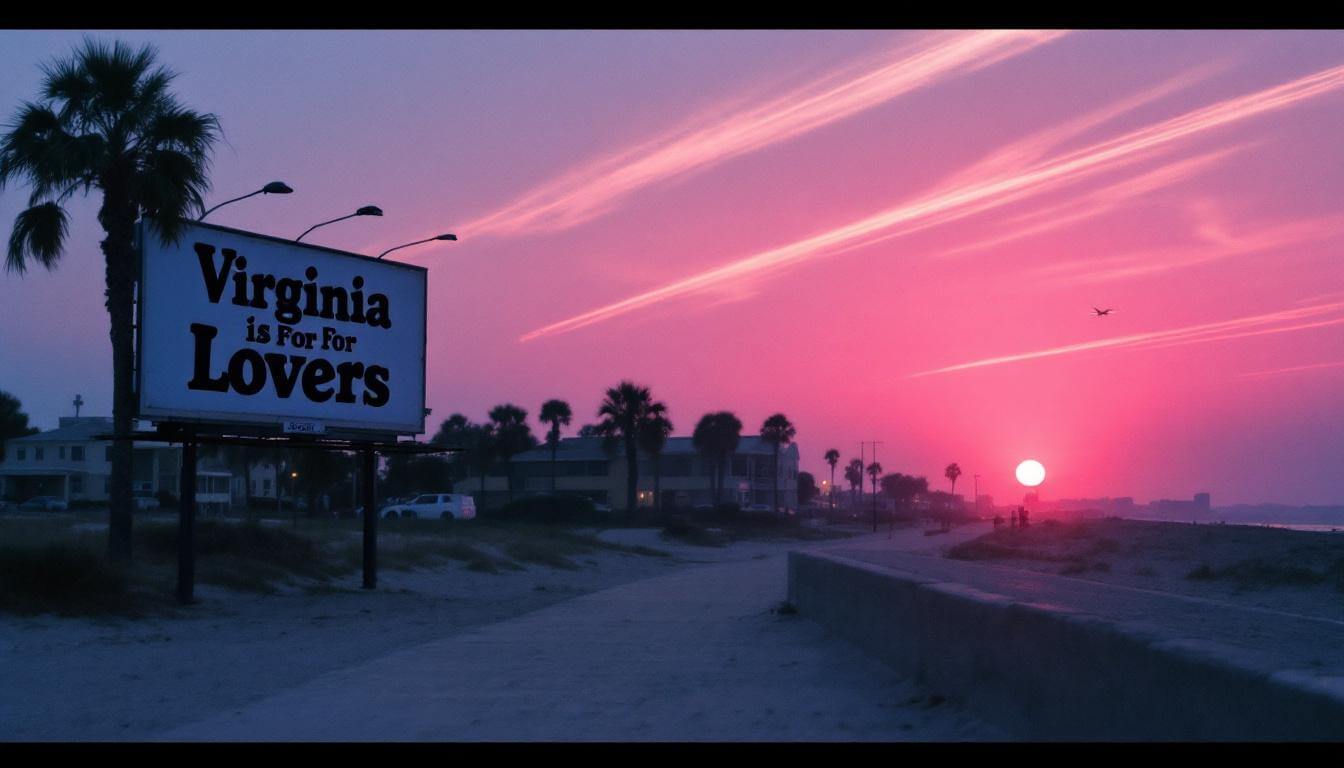
Every top-ranked article on the Clipse Lord Willin’ album recycles the same phrase: “Clipse put Virginia on the rap map.” Almost none of them stop to ask what kind of Virginia. The answer matters, because the geography is the spine of the record.
The most useful primary source on this is Pitchfork’s 15-year retrospective by Mychal Denzel Smith, a Virginia Beach native who grew up alongside the album. Smith’s piece is the rare one that names the actual setting: not Richmond, not Norfolk’s working-class blocks, but the planned-community suburbia of VA Beach — military families, tourism economy, no professional sports team, no national identity outside of hurricane season. “I hated Virginia Beach because I didn’t recognize it as having its own identity,” Smith writes. The teenage humiliation of being from a place no rapper had shouted out on record is part of why Pharrell’s “the world is about to feel something they never felt before” announcement at the start of “Grindin'” landed the way it did.
Pusha T and No Malice came up in Indian Lakes, the same network of cul-de-sacs and ranch houses Smith describes. That fact reframes the record’s drug-trade narratives. This isn’t tenement-block New York rap or trap-house Atlanta rap. It’s suburban coke rap — the kind documented in dental-office parking lots and middle-class garages, hidden under a tourist-economy gloss that markets the city as “Virginia Is For Lovers.” The contradiction is the air the album breathes.
You hear it most clearly on the album’s third track, “Virginia.” Malice delivers the couplet that should be carved into the album’s tombstone: “Ironic, the same place I’m making figures at / That there’s the same land they used to hang n***as at.” A military-tourist economy built on plantation soil, scored to a Neptunes synth pattern. No top-ranked album review surfaces that line. The full Clipse band story only makes sense once you put Indian Lakes back into the frame.
All 13 Tracks: The Neptunes Production Grammar That Built the Album

Every track on Lord Willin’ is produced by The Neptunes — Pharrell Williams and Chad Hugo. There are no outside producer credits anywhere on the standard 13-track edition. Pharrell also appears as a featured vocalist on six of those tracks. This level of single-production-team dominance was unusual even in the 2001-2003 Neptunes peak, when the duo were producing roughly 20% of the music on US radio.
The standard tracklist, confirmed by both Wikipedia and Genius:
- Intro
- Young Boy
- Virginia
- Grindin’
- Cot Damn (feat. Ab-Liva & Roscoe P. Coldchain)
- Ma, I Don’t Love Her (feat. Faith Evans)
- FamLay Freestyle (feat. Fam-Lay)
- When the Last Time
- Ego
- Comedy Central (feat. Fabolous)
- Let’s Talk About It (Jermaine Dupri feat. Clipse)
- Gangsta Lean
- I’m Not You (feat. Jadakiss, Styles P & Roscoe P. Coldchain)
The deluxe edition adds two “Grindin'” remixes — the Birdman/Lil Wayne/N.O.R.E. version and the Sean Paul / Kardinal Offishall “Selector Remix.” Total runtime for the standard album: 52 minutes 41 seconds (AllMusic lists 59:47 including the remix tail; Wikipedia lists 60:48).
“Grindin'” is the production grammar’s apex. The Neptunes built the entire track around what sounds like a fist knocking on a school cafeteria table — kick, snare, a metallic ping, and silence. Smith’s Pitchfork essay describes the actual lunchroom-bleacher-bus-locker percussion phenomenon that broke out in Virginia Beach high schools the spring of 2002. The beat was so minimalist it doubled as a participation invitation. AllMusic’s review calls it “the apex of the Neptunes’ minimalist production.” It is also, per the Soul in Stereo critic ranking, unanimously the best song on the album.
Around “Grindin’,” the Neptunes pivot constantly. “When the Last Time” runs on a punchy bounce designed for radio. “Ma, I Don’t Love Her” is built on a Faith Evans hook so polished it could have lived on her own record. “Virginia” is dirgey and slow, almost industrial. “Cot Damn” is squealing synth-funk. “I’m Not You” is dense East Coast posse-cut percussion. The album’s sonic surface keeps moving. Only the morality stays still.
The Pop-vs-Morality Collision: Why Lord Willin’ Sounds the Way It Does
This is the angle the entire SERP misses, and it’s the angle that explains the album. Pharrell’s pop instincts and the Thornton brothers’ coke-rap morality did not reconcile on Lord Willin’. They collided. The collision is the sound of the record.
Listen to the “Intro.” Over a feather-light Neptunes vamp, Pusha T opens by sketching a family business in the Bahamas where their grandmother distributes “yay” — period slang for cocaine. The melodic frame is sunny Pharrell. The text is a kinship coke-import operation. The whiplash is not a glitch; it’s the design.
Listen to “Virginia.” The beat is patient and reverent. Then Malice steps in with the lynching-land couplet quoted earlier. Then Pharrell harmonizes underneath. Then Pusha closes the verse with: “I’m from where my brother fell, swallowed by the pavement / On Sundays, his memorial draws a celebration.” The Neptunes do not soften it. They frame it the way a pop record frames a love song. The friction generates the moral weight.
Then listen to “Ma, I Don’t Love Her” three tracks later. Faith Evans is singing a glossy R&B hook over a Neptunes bounce that is, by 2002 standards, full-on radio pop. Pusha and Malice rap about cheating on a partner who’s caught feelings. The shift in subject matter is total. The album’s surface didn’t change — the same producer, the same vocal blends, the same room. Only the angle of approach did.
Critics in 2002 didn’t quite know what to do with this. Album of the Year’s aggregated reviews show the launch consensus: Pitchfork gave it 8.3, AllMusic gave it 4 of 5 stars, Entertainment Weekly gave it a B+, but Rolling Stone and the LA Times only gave it 3 of 5. The trade-press lower scores read, in retrospect, like critics flinching at the pop production “muting” the lyrical weight. The 2017 and 2022 retrospectives read the same record as canonical. The pop-vs-morality collision wasn’t a weakness. It was the point.
“Grindin’,” “When the Last Time,” “Ma I Don’t Love Her,” “Cot Damn”: The Four Singles
Four singles came off Lord Willin’. Each one served a different function in the album’s commercial architecture.
“Grindin'” (released May 14, 2002) peaked at No. 30 on the Billboard Hot 100 and No. 13 on the Hot R&B/Hip-Hop Songs chart. It was later named No. 23 on the BBC’s Greatest Hip-Hop Songs of All-Time list. The “Grindin'” Remix featuring Birdman, Lil Wayne, and N.O.R.E. expanded the song’s reach into Cash Money’s audience and remains a deluxe-edition staple.
“When the Last Time” (July 30, 2002) was the album’s commercial spike. It peaked at No. 19 on the Billboard Hot 100 — actually a higher peak than “Grindin'” — and stayed on the chart for 21 weeks, making it Clipse’s longest-charting single. This is the song that paid for the album cycle.
“Ma, I Don’t Love Her” featuring Faith Evans (December 3, 2002) peaked at No. 86 on the Hot 100 but performed stronger on R&B charts via the Faith vocal. It served as the album’s late-cycle radio extension.
“Cot Damn” — re-titled “Hot Damn” for radio — was released April 29, 2003 and doubled as a promotional single for the Neptunes’ Clones compilation. It peaked at No. 58 on the Hot R&B/Hip-Hop Songs chart. The “Hot Damn” title swap was a stylistic choice for clean-radio formats; the album version kept the original.
Four singles, two genuine pop crossovers, one foundational hip-hop classic (“Grindin'”), and one cycle-closer. As Wikipedia notes, the album’s full single rollout ran from May 2002 to April 2003 — eleven months of sustained promotion for a 13-track debut, which by 2002 major-label standards was an aggressive campaign.
The Features: Faith Evans, Fabolous, Jadakiss, Styles P, Jermaine Dupri, Ab-Liva, Roscoe P. Coldchain, Fam-Lay
Most debut albums front-load features to borrow audience. Lord Willin’‘s feature list reads more like an architectural choice. Eight guest names, each placed where the track called for them.
- Faith Evans on “Ma, I Don’t Love Her” — the album’s R&B crossover anchor, and a 2002 cosign from a Bad Boy-era pop-R&B titan.
- Fabolous on “Comedy Central” — a Brooklyn punchline rapper paired with two Virginia coke rappers, a stylistic risk that pays off as Fab leaning into Clipse’s deadpan.
- Jadakiss and Styles P on “I’m Not You” — the LOX cameo that registers the album with East Coast hardcore-rap audiences and gives Pusha and Malice room to trade four verses against two of the era’s most respected pen-game MCs.
- Jermaine Dupri on “Let’s Talk About It” — technically a Dupri track featuring Clipse, not the other way around, used here as a Star Trak / So So Def label-economy gesture.
- Ab-Liva and Roscoe P. Coldchain on “Cot Damn” and “I’m Not You” — the seedlings of what would become the Re-Up Gang.
- Fam-Lay on “FamLay Freestyle” — a solo showcase track, no Clipse vocals, used as a Star Trak labelmate launchpad.
The Pharrell-vocal credit deserves its own line: Pharrell himself sings on six of the 13 album tracks, more than any “featured” name. He’s effectively a third member on this record, which is part of why Star Trak/Neptunes-era Clipse sounds different from anything that came after.
Chart Receipts: No. 4 Billboard 200, Gold in Six Weeks, Rolling Stone’s No. 12 All-Time Debut
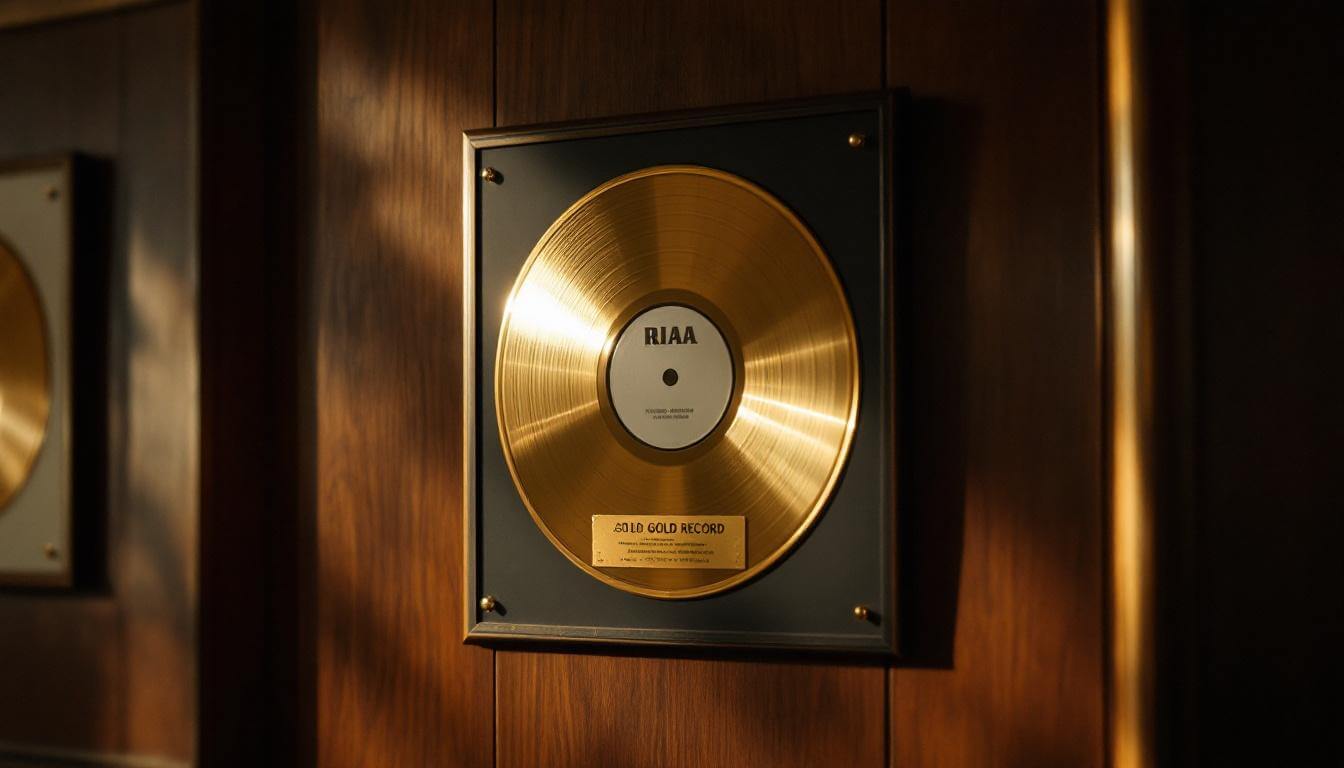
The commercial story of Lord Willin’ is cleaner than the critical one. The receipts:
- First-week sales: 122,000 units, debuting at No. 4 on the Billboard 200 and No. 1 on the Top R&B/Hip-Hop Albums chart.
- RIAA Gold certification: October 1, 2002 — roughly six weeks after release. Gold means 500,000 units shipped in the United States.
- Lifetime US sales: approximately 950,000–960,000 copies by December 2009, per Nielsen Soundscan. The album never crossed Platinum, but it sat just under the line.
- Critical retrospective: Rolling Stone‘s 100 Best Debut Albums of All Time list ranks Lord Willin’ at No. 12. That places it ahead of the debuts from artists who outsold it 10-to-1.
The gap between the No. 12 all-time retrospective ranking and the just-under-Platinum sales total is the most telling number on the album’s stat sheet. Lord Willin’ sold like a successful major-label debut. It is remembered like a foundational text. That delta is what every artist trying to release a coke-rap-as-art record since 2002 has been chasing.
Critical Reception: Pitchfork 8.3, AllMusic 4/5, Rolling Stone 3/5 — A Four-Star Album With Mixed Trade-Press Reviews
The launch-week critic consensus was warm but not unanimous. AllMusic and Pitchfork were early enthusiasts. Entertainment Weekly gave the album a B+, praising “hustlers’ tales culled from Virginia’s mean streets” as “a raw compliment to the Neptunes’ Roman candle production.” Rolling Stone and the LA Times were cooler, both landing on 3 of 5 stars. The aggregator score on Album of the Year settled at 69/100 across seven major-publication reviews.
By 2017, the read had inverted. Mychal Denzel Smith’s Pitchfork retrospective treats the album as the canonical Virginia Beach text. By 2022, both the Grammy retrospective and the Soul in Stereo critic conversation treat it as a generational debut — the question is no longer whether Lord Willin’ is great but whether it’s better than Hell Hath No Fury, the album that followed it in 2006. (The Soul in Stereo critic pair split the verdict, with one preferring Lord Willin’ as the more cohesive listen and the other arguing Hell Hath No Fury is the pen-game peak.)
Smart heads keep returning to the same insight: the same pop polish that made trade-press critics flinch in 2002 is what makes the record sound 23 years young in 2025. Production aging is a real phenomenon in rap. Lord Willin’‘s Neptunes-era sheen has not aged. Most of its 2002 peers have.
The Re-Up Gang Universe: How Lord Willin’ Birthed an Era
One of the gaps in every top-ranked article on this album: nobody mentions what happened next, in the underground. Lord Willin’s universe didn’t stay confined to the 13 tracks Arista released. It extended.
Between 2004 and 2008, Clipse and their Re-Up Gang labelmates Ab-Liva and Sandman recorded the We Got It 4 Cheap mixtape series. Three volumes, all over jacked instrumentals from other artists’ records, all rapping the Lord Willin’ universe’s coke-trade narratives in mixtape form. The series was a cult favorite — the kind of project that got 5-mic mixtape reviews and rotated on early-iPod era blog playlists for years. Volume 2 (2005), in particular, is regularly cited as one of the best mixtapes of the 2000s.
The Re-Up Gang material matters for a specific reason. The space between the Star Trak studio albums (Lord Willin’ in 2002, Hell Hath No Fury in 2006, Til the Casket Drops in 2009) is wide. Without the mixtapes, the era would look thin. With them, Lord Willin’ reads as the foundation of an entire mid-2000s underground catalog — coke rap as a sustained body of work, not three discrete major-label drops. Any honest Clipse listening sequence starts with Lord Willin’ and then routes through We Got It 4 Cheap Vol. 2 before Hell Hath No Fury.
From Lord Willin’ to Let God Sort Em Out: The 23-Year Arc
The Clipse Lord Willin’ album is chapter one of a much longer story. Chapter two was Hell Hath No Fury (2006) — the long-delayed sophomore record that pen-game purists still argue is Clipse’s masterpiece. Chapter three was Til the Casket Drops (2009), a more pop-leaning record that closed out the trio’s Jive-era run.
Then came the long silence. In 2012, Malice publicly distanced himself from coke-rap subject matter, changing his name to No Malice on social media and reorienting around his Christian faith. Pusha T pivoted into a solo career — head of Kanye West’s GOOD Music, three solo albums, the 2018 Daytona peak, and the It’s Almost Dry Pharrell-reunion record in 2022. The brothers, for sixteen years, did not release a Clipse album.
That ended in 2025. Let God Sort Em Out — produced by Pharrell, released through Roc Nation — is Clipse’s fourth studio album and the close of the 23-year morality arc the Thornton brothers started writing on the “Intro” to Lord Willin’. Pusha at 48, No Malice at 53, Pharrell at 52. Same room. Same chemistry. Different posture.
What makes the reunion read as earned is what was at stake on Lord Willin’: the suburban Virginia kid who almost lost a record deal in 1999, the brother who walked away from the subject matter in 2012, the producer who threatened to give “Grindin'” to Jay-Z. If you want to wear the reunion the way the brothers carried the Lord Willin’ chapter — as a closed loop, not a victory lap — the Clipse Let God Sort Em Out tee we made is the artifact. The Lord Willin’ story doesn’t end on Track 13 in 2002. It ends here.
Frequently Asked Questions
Is Lord Willin’ a good album?
Yes — Lord Willin’ is widely considered one of the strongest hip-hop debuts of the 2000s. AllMusic gave it 4 out of 5 stars, Pitchfork rated it 8.3, and Rolling Stone later ranked it No. 12 on its 100 Best Debut Albums of All Time list. The RIAA certified it Gold within six weeks of release, and it had sold roughly 950,000 copies by December 2009.
Did Pharrell produce Lord Willin’?
Pharrell co-produced every track on Lord Willin’ as one half of The Neptunes, alongside Chad Hugo. All 13 album tracks (plus the two deluxe-edition “Grindin'” remixes) carry the Neptunes production credit. Pharrell also appears as a featured vocalist on six songs, most famously as the opening voice on “Grindin’.”
What song made Clipse famous?
“Grindin'” — released May 14, 2002 as Lord Willin’‘s lead single. It peaked at No. 30 on the Billboard Hot 100 and was later ranked No. 23 on the BBC’s Greatest Hip-Hop Songs of All-Time. Its minimalist Neptunes beat — built around what sounds like a knock on a lunchroom table — became one of the most-imitated production templates of the early 2000s.
Why did Clipse stop making albums?
After three studio albums (Lord Willin’ 2002, Hell Hath No Fury 2006, Til the Casket Drops 2009), No Malice underwent a religious awakening and publicly distanced himself from coke-rap subject matter — changing his name from Malice to No Malice on Twitter in 2012. Pusha T continued solo. The duo reunited in 2025 for Let God Sort Em Out, their first joint album in 16 years.
How many singles were released from Lord Willin’?
Four singles: “Grindin'” (May 14, 2002), “When the Last Time” (July 30, 2002), “Ma, I Don’t Love Her” feat. Faith Evans (Dec 3, 2002), and “Cot Damn” (re-titled “Hot Damn” for radio, released April 29, 2003 and doubling as a promo for the Neptunes’ Clones compilation).
What is the tracklist of Lord Willin’?
The standard 13-track Lord Willin’ tracklist: 1. Intro / 2. Young Boy / 3. Virginia / 4. Grindin’ / 5. Cot Damn (feat. Ab-Liva & Roscoe P. Coldchain) / 6. Ma, I Don’t Love Her (feat. Faith Evans) / 7. FamLay Freestyle / 8. When the Last Time / 9. Ego / 10. Comedy Central (feat. Fabolous) / 11. Let’s Talk About It (Jermaine Dupri feat. Clipse) / 12. Gangsta Lean / 13. I’m Not You (feat. Jadakiss, Styles P & Roscoe P. Coldchain). Total length 52:41. The deluxe edition adds the “Grindin'” remix (Birdman/Lil Wayne/N.O.R.E.) and the Selector Remix featuring Sean Paul.
How did Lord Willin’ chart commercially?
Lord Willin’ debuted at No. 4 on the Billboard 200 and No. 1 on the Top R&B/Hip-Hop Albums chart, selling 122,000 units in its first week. It was certified Gold by the RIAA on October 1, 2002, roughly six weeks after release. By December 2009, Nielsen Soundscan reported lifetime sales of approximately 950,000–960,000 copies in the United States.
Who are the featured artists on Lord Willin’?
Faith Evans (“Ma, I Don’t Love Her”), Fabolous (“Comedy Central”), Jadakiss and Styles P (“I’m Not You”), Jermaine Dupri (who features Clipse on “Let’s Talk About It”), Ab-Liva and Roscoe P. Coldchain (both on “Cot Damn” and “I’m Not You”), and Fam-Lay (solo on “FamLay Freestyle”). Pharrell Williams sings on six of the 13 tracks.
Final Thoughts: Why Lord Willin’ Still Sounds Like 2002 and 2025 at the Same Time
The Clipse Lord Willin’ album is the rare debut that gets sharper, not softer, with distance. The pop production that confused critics in 2002 reads as deliberate now. The Indian Lakes geography reads as generative now. The 1999 ghost reads as the trauma that made the record urgent. And the 23-year arc — from “Grindin'” to Let God Sort Em Out — reads as a closed loop the brothers earned by living it.
For a record that almost didn’t exist, Lord Willin’ got the longest second life in 2000s rap. That’s the kind of run a culture remembers.
Stay creative — The Custom Creative Team
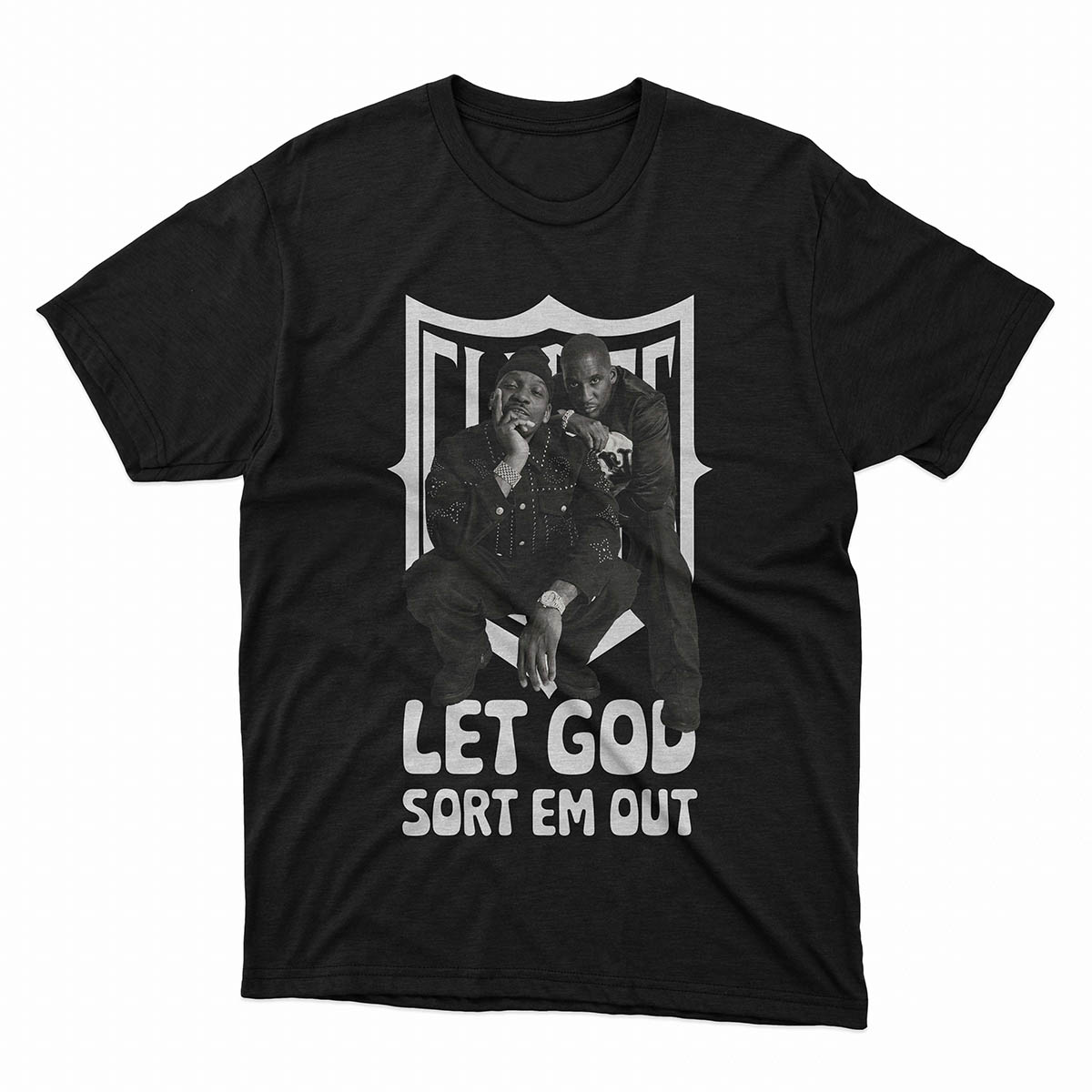
Rep the reunion — the Clipse Let God Sort Em Out tee.
Pusha T and No Malice are back. So is the Virginia Beach sound that started on Lord Willin’ in 2002. Cop the fan-art tee at customcreative.store — sizes XS-3XL, Black.

🎧 Never Miss a Drop
Exclusive product releases, hip-hop deep dives, and member-only discounts. Straight to your inbox.
Free forever. No spam. Unsubscribe anytime.
Get the Culture, Delivered
Deep dives into hip-hop history, exclusive product drops, and discounts sent straight to your inbox. No spam, just culture.
Join 2,000+ hip-hop heads already in the loop. Unsubscribe anytime.