Clipse Albums, Decoded: Every Studio Album, Mixtape & the Label Wars That Forged Them (1999–2025)
If you came to Clipse albums through the 2025 reunion — through Let God Sort Em Out blanketing your feed and every critic suddenly remembering Virginia Beach exists — here is the part nobody put in the headline: Clipse have released only four official studio albums in twenty-three years. Four. And every single one of them was made in spite of a record label that tried to stop it. That is not a knock on the catalog. That is the catalog. The scarcity is the point, and the label wars are the spine running through all of it.
This is the full map — not a ranked listicle you scroll past, but a guided walk through every Clipse release that matters: the debut a label buried in 1999, the coke-rap classic that almost belonged to someone else, the mixtape trilogy that should be canon, the masterpiece that sat in limbo, the breakup you can literally hear happening on wax, and the comeback that — rarest thing in rap — is actually canon. By the end you’ll know what to play, in what order, and which ones to own.
Four Clipse Albums, Four Label Wars: The Thesis
Start here, because it reframes everything else. The official Clipse discography is short: Lord Willin’ (August 20, 2002), Hell Hath No Fury (November 28, 2006), Til the Casket Drops (December 8, 2009), and Let God Sort Em Out (July 11, 2025). Two brothers from Virginia Beach — Terrence “Pusha T” Thornton and Gene “Malice,” now No Malice, Thornton — built the whole thing on the minimalist production of The Neptunes, the Pharrell Williams and Chad Hugo duo who funneled them through Pharrell’s Star Trak imprint.
Most discography pages stop at that inventory. Here is the throughline none of them connect: Elektra recorded a Clipse debut in 1999 and shelved it. Jive/Zomba sat on the follow-up to Lord Willin’ so long the group started a guerrilla mixtape war to stay alive. And in 2025, Def Jam’s parent Universal reportedly demanded a guest verse be censored — so Clipse walked out the door and put the record out themselves. Three different decades, three different majors, the same story. When people say the Clipse catalog has no skips, the reason isn’t luck. It’s that nothing got out unless it survived a fight first.
There’s a structural reason this duo, specifically, could absorb that much label resistance and keep the quality bar at the ceiling: the production was never up for negotiation. From the shelved 1999 sessions through 2025, Clipse have effectively had one producer — Pharrell, with Chad Hugo as the other half of The Neptunes through the classic run. That continuity is rare in rap. Most acts with a four-album, twenty-three-year span cycle through a dozen sounds chasing a dozen trends. Clipse had a single sonic identity — sparse, cold, percussive, expensive-sounding with almost nothing in it — and two writers whose entire register was specificity. When a label tried to dilute or delay that, there was nothing to dilute; the formula was load-bearing and non-modular. That’s why the wars produced great records instead of compromised ones.
Exclusive Audio Footage (1999): The Debut Elektra Buried
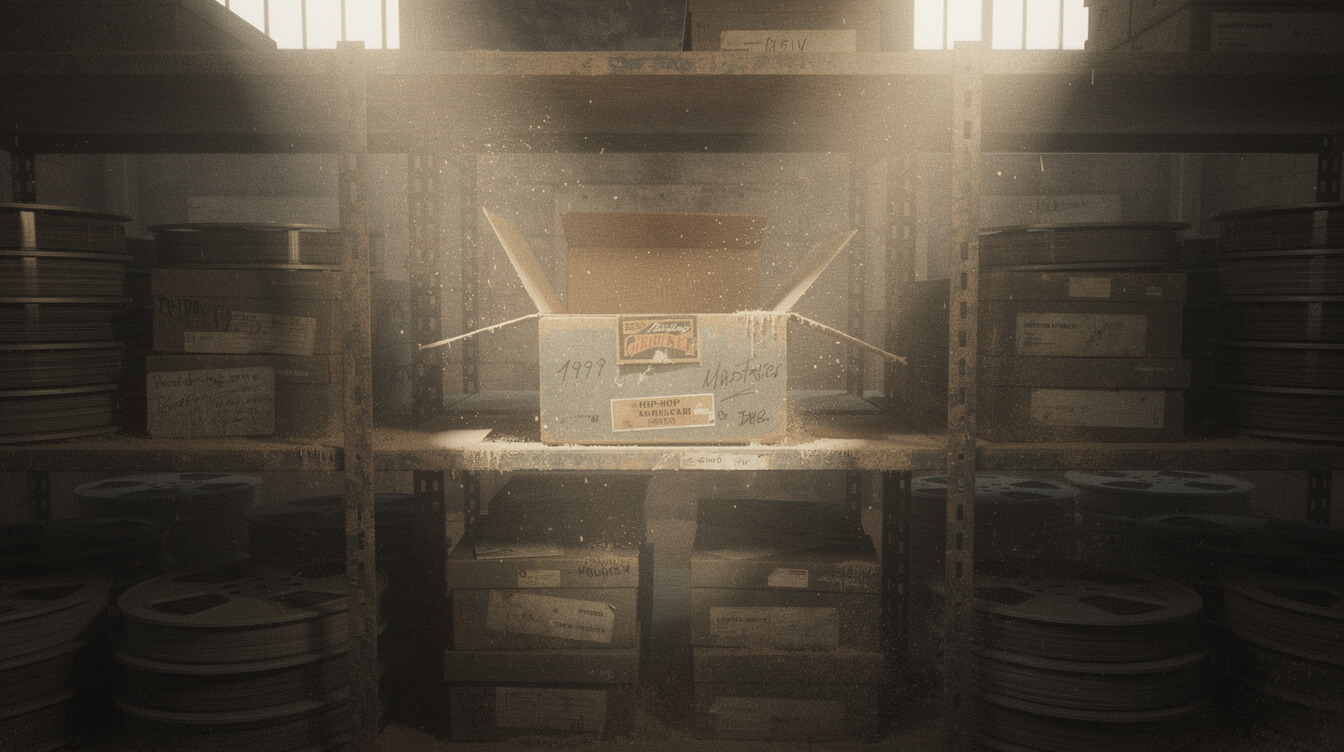
Before Lord Willin’, there was Exclusive Audio Footage — a fully recorded Clipse debut cut for Elektra in 1999 with The Neptunes already at the board. The label shelved it. No rollout, no rescue, just a finished album sealed in a vault while the brothers went back to square one. The lead single “The Funeral” got a video and went nowhere; Elektra moved on, and most of the world never knew the record existed.
It mattered later in a way nobody could have planned. On May 2, 2022, Exclusive Audio Footage finally surfaced on streaming services — twenty-three years after it was made — and suddenly you could hear the prototype: the deadpan menace, the Neptunes skeletal funk, the brick-by-brick drug-trade detail, all of it already loaded in 1999. The lesson of the shelved debut isn’t “what could have been.” It’s that the Clipse template arrived fully formed and a major label still couldn’t figure out what to do with it. Keep that in mind for everything that follows.
Lord Willin’ (2002): The Star Trak Rescue and the “Grindin'” Receipts
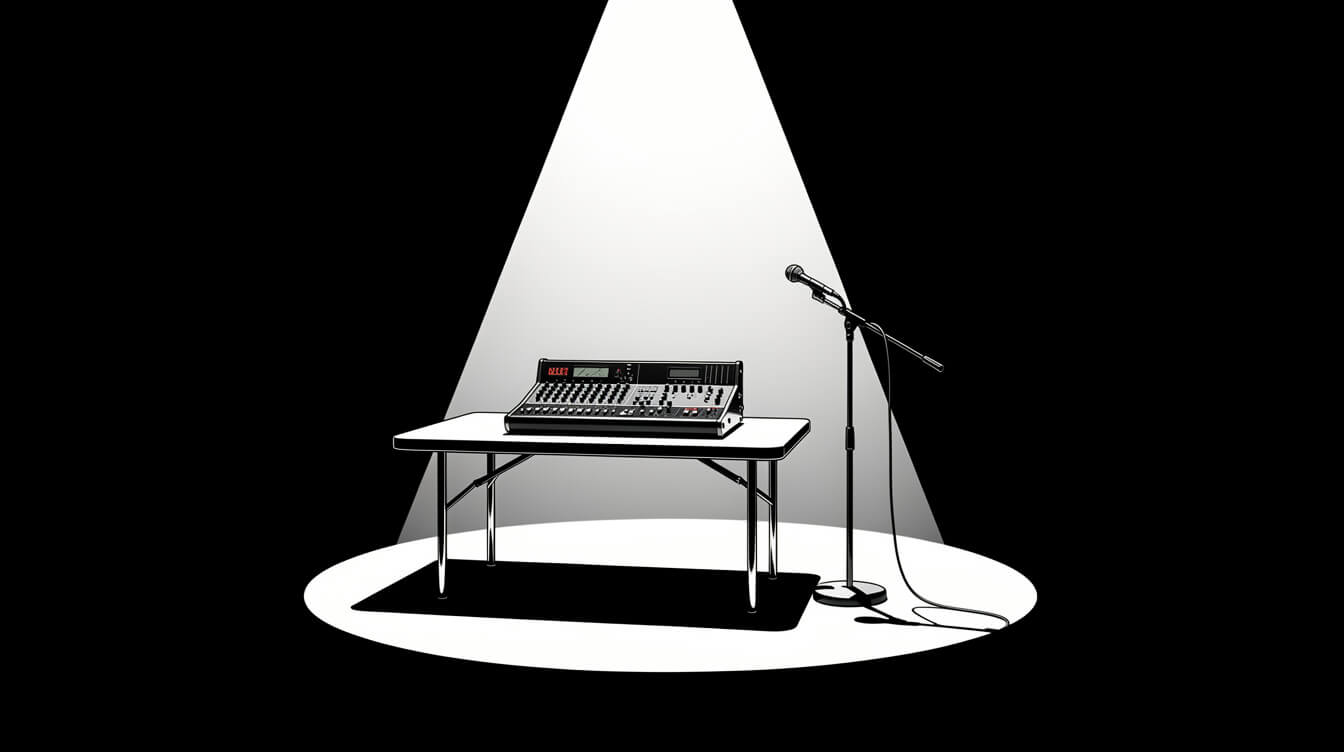
Pharrell pulled them out of label purgatory and onto Star Trak, and Lord Willin’ is what a second chance sounds like when nobody wastes it. It debuted at No. 4 on the Billboard 200, went RIAA Gold, and moved roughly 959,000 copies in the US — numbers a shelved-in-1999 act had no business posting. It’s the most accessible door into the catalog and the popular pick for favorite, even if, as we’ll argue later, it isn’t the critics’ choice.
The engine was “Grindin’.” That beat — the lunch-table knock, all space and snap, the most-imitated drum pattern of its era — has a contested origin worth getting right. N.O.R.E. has claimed the instrumental was his first, that he recorded to it before Pharrell repossessed it for Clipse; treat that as N.O.R.E.’s account, not settled fact, because it’s a single-source claim. What Clipse themselves have said on The Breakfast Club is that the record broke in Philadelphia first, via DJ Cosmic Kev, before it became national — a detail that reframes “Grindin'” as a regional groundswell, not an instant coronation.
What makes Lord Willin’ the right door isn’t just the hit. It’s that the whole record is legible on first listen in a way the later catalog isn’t — the hooks are immediate, the menace is delivered with a wink, and the Neptunes were at the absolute commercial peak of their powers in 2002, the year they were producing what felt like half the radio. Clipse got that production at its apex and pointed it at the most unglamorous subject matter possible. The tension between the gloss of the beats and the cold ledger-keeping of the bars is the entire Clipse thesis stated in its most accessible form. Hear it here first and everything that follows makes sense. If you want the bar-by-bar, we did the full breakdown of the 2002 debut here: our definitive Lord Willin’ deep-dive.
We Got It 4 Cheap (2004–2008): The Mixtape Trilogy That Belongs in the Canon
This is the section the inventory pages skip and the one true heads will tell you matters most. Between Lord Willin’ and the next official album, Clipse — alongside Re-Up Gang affiliates Ab-Liva and Sandman — released the We Got It 4 Cheap mixtape series: Vol. 1 (2004), Vol. 2 (2005), and Vol. 3 (2008). Volume 2 in particular is routinely cited as one of the best mixtapes of the 2000s, period.
Here’s why it belongs in any honest Clipse map rather than a footnote: the tapes weren’t filler between albums. They were the move. With Hell Hath No Fury trapped in label limbo (more on that next), the brothers used borrowed beats and free distribution to keep the brand dangerous and the bars sharper than anything on the radio. It’s the rare case where the unofficial releases carried the legacy through a dead patch the official discography couldn’t.
The mechanics of We Got It 4 Cheap Vol. 2 are why it gets singled out. Clipse and the Re-Up Gang took the most coveted instrumentals in rap at the time — other artists’ hits, other artists’ beats — and out-rapped the originals on their own production, in public, for free, while their actual album sat in a vault they couldn’t open. It was a flex and a survival tactic at once: proof that the writing didn’t need a label, a budget, or even original beats to be the best thing out. Strip the commerce away and the talent was still undeniable, which is exactly the argument a buried act needed to make. Treat the trilogy as canon and the Clipse story stops being “four albums” and becomes a continuous, unbroken run of dominance with no real dead years at all. Any “how many Clipse albums” answer that ignores the trilogy is answering the wrong question.
Hell Hath No Fury (2006): The Masterpiece a Label Tried to Bury
If there’s a single record the critics canonize, it’s this one. Hell Hath No Fury arrived November 28, 2006 after years of Jive/Zomba label friction, peaked at No. 14 in the US, and sold about 205,000 copies — a fraction of Lord Willin’‘s numbers and, by near-unanimous critical agreement, the better album. The Neptunes production is colder, more abstract, more hostile; the writing is paranoid and surgical. It’s the sound of two people who spent the gap years sharpening knives in public and came back with nothing to lose.
The commercial dip is the story, not a flaw in it. A label that didn’t know how to sell this group sat on the record; when it finally came out, it underperformed the debut and outclassed it. The years of friction didn’t soften the album — they concentrated it. Lord Willin’ had to be approachable to justify a second chance; Hell Hath No Fury owed nobody anything, so the Neptunes stripped the production down to almost hostile minimalism and the brothers wrote like they were settling scores with the industry itself. It’s the purest distillation of the Clipse formula precisely because there was no commercial mandate left to serve. That gap — between what sold and what’s revered — is exactly why the “best Clipse album” debate exists at all, and we’ll plant a flag on it below.
Til the Casket Drops (2009): The Album You Can Hear Malice Leaving On
Til the Casket Drops (December 8, 2009) is the most divisive entry and, in hindsight, the most human. It peaked at No. 41 and moved roughly 62,000 US copies — the lowest of the catalog — and the warmer, more accessible production was read at the time as a commercial reach. Listen now and it plays differently. You can hear one of them checking out.
That’s not projection. Pusha T said it plainly in a 2022 TIDAL interview: during the making of Casket Drops, Malice told him “you should just go solo because I don’t want to do this.” The album is the document of a partnership ending in real time — one brother still all the way in, the other already gone in spirit. Knowing that, the record stops being the catalog’s weak link and becomes its most quietly devastating chapter.
The Split, the Silence, and the Return (2010 → 2019 → 2023)
The duo formally split around 2010. Malice re-emerged as No Malice, stepping away from the drug-rap persona for faith-driven music and a public spiritual turn he’d telegraphed all over Casket Drops. Pusha T, meanwhile, became one of the most respected solo voices of the 2010s and a label executive — the silence wasn’t a fade-out, it was two parallel careers running on separate tracks.
The reunion built slowly: scattered features in 2019, more concrete signals by 2023, and then a full creative reset. It’s worth noting how deep the Virginia influence runs through all of it — the same Tidewater workwear-and-grit aesthetic that shows up in the group’s inevitable Carhartt collaboration is the same DNA that made the music sound the way it does. Nothing about the comeback was nostalgia-bait. By the time the brothers were back in a room together, the question wasn’t whether they’d return — it was whether the return could possibly be canon.
Let God Sort Em Out (2025): The Reunion That’s Actually Canon

It is. Let God Sort Em Out dropped July 11, 2025 — a lean 40 minutes and 47 seconds, recorded across 2023–24 between Louis Vuitton’s Paris headquarters and Virginia Beach, and produced entirely by Pharrell Williams, now working without Chad Hugo after the Neptunes’ production partnership wound down. No bloat, no streaming-era filler, no coasting on the name.
And — fittingly, because by now you know the pattern — it came with one more label war. Def Jam’s parent, Universal, reportedly demanded that Kendrick Lamar’s verse on “Chains & Whips” be censored. Clipse’s answer was to leave: they exited the major and self-released the album independently. Twenty-six years after Elektra buried their debut, they finally just refused to let a label touch the work at all.
That detail is the whole thesis closing its loop, so sit with it. The career started with a major silencing them entirely — a finished album, vaulted, no recourse. It ended with a major asking for one edit and the group choosing to lose the major instead. The arc isn’t just survival; it’s leverage finally landing on the right side. By 2025 Clipse had enough standing to treat a censorship demand as the label’s problem, not theirs, and the independence wasn’t a stunt — it’s audible in the record’s refusal to chase a single, its 40-minute discipline, its complete lack of anything resembling a streaming-era concession. Free of the war for the first time, they made the most uncompromised album of the catalog. That’s not a coincidence. That’s the point of the whole story.
The reception backed the defiance. Let God Sort Em Out hit a Metacritic 83 (“universal acclaim”), with The Guardian and HotNewHipHop at 5/5, Rolling Stone and AllMusic at 4/5, and Clash at 9/10. The notable dissent — and there’s always one — was Pitchfork at 6.5/10. We made a Let God Sort Em Out tee for heads who were there for the sixteen-year wait, because a comeback that actually lands as canon is the rarest thing in rap and worth repping. If you want the format breakdown, here’s every Let God Sort Em Out pressing decoded, and the full 25-stop reunion tour recap if you missed the run.
Ranking the Clipse Albums: A Defended Best-to-Worst, With Receipts

Most lists punt here. We won’t. The honest position, weighed against the receipts rather than echoing one publication:
- Hell Hath No Fury (2006) — the critics’ near-consensus No. 1. Complex’s writers put it on top; the Virginia-native critic Soul In Stereo puts it on top. When the people closest to the culture and the people scoring it agree, that’s not a coincidence — it’s the ceiling.
- Lord Willin’ (2002) — the popular pick and the best entry point, even though we’re ranking it below the masterpiece. Gold plaque, No. 4 debut, “Grindin’.” Accessibility is a virtue, not a demerit.
- Let God Sort Em Out (2025) — Metacritic 83 says it sits with the classics, and on pure consistency it might. We rank it third only because the catalog’s top two had a generation to ferment. Give it five years.
- Til the Casket Drops (2009) — last, but reframed. The lowest seller and the most uneven, yet the most emotionally legible once you know it’s a breakup record.
The disagreement is the content. Soul In Stereo controversially drops Lord Willin’ to fourth and Casket Drops to eighth on a wider list — a take we think over-corrects, but it proves the point: nobody serious agrees on the order, and anyone who tells you the ranking is obvious hasn’t actually sat with the catalog. And note the trap in the question itself — leave out Exclusive Audio Footage and the We Got It 4 Cheap trilogy and you’re ranking an incomplete body of work.
Where to Start With Clipse Albums — and Where to Own Them
If you arrived via the 2025 reunion and want the on-ramp, here’s the order that actually works:
- Start with Lord Willin’ — most accessible, biggest hooks, eases you into the Neptunes-and-bricks world.
- Then Hell Hath No Fury — once the language clicks, this is where it goes from great to untouchable.
- Then the We Got It 4 Cheap tapes, Vol. 2 first — the connective tissue that explains how they stayed sharp through the dead years.
- Then Let God Sort Em Out — now you’ll hear the reunion as the payoff of the whole arc instead of a standalone event.
- Backfill Til the Casket Drops and Exclusive Audio Footage last — bookends that hit hardest once you know the full story.
Owning them is its own pursuit. The catalog has become a genuine collector’s lane: Discogs shows live pressing ranges that tell the story — Hell Hath No Fury trading roughly $19 to $236 depending on pressing, and Let God Sort Em Out running about $12 to $250 as the 2025 album drove a real physical-format resurgence. If you’re moving from listener to collector, our definitive Clipse vinyl collector’s guide to all four LPs breaks down which pressing is which and what’s worth chasing.
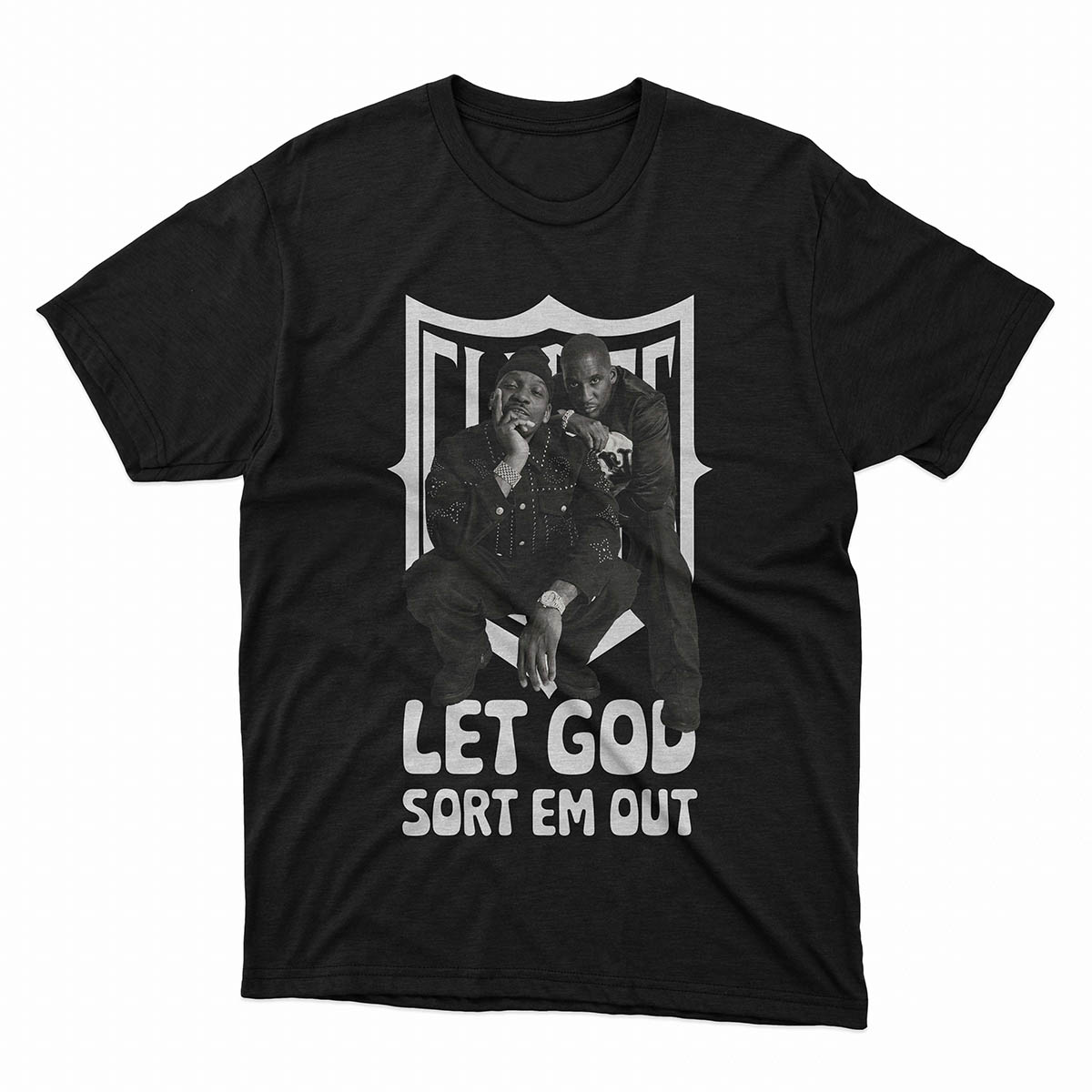
Rep the Virginia legends’ reunion
For the heads who waited sixteen years for Pusha T and No Malice to get back in the room. Let God Sort Em Out fan-art tee, Virginia to the world.
Clipse Albums FAQ
How many albums do Clipse have?
Four official studio albums: Lord Willin’ (2002), Hell Hath No Fury (2006), Til the Casket Drops (2009), and Let God Sort Em Out (2025). Add the shelved 1999 debut Exclusive Audio Footage (surfaced on streaming May 2, 2022) and the three We Got It 4 Cheap mixtapes (2004, 2005, 2008) and the picture changes — which is exactly why “how many” is the wrong question.
What is the best Clipse album?
Critical consensus lands on Hell Hath No Fury (2006) — Complex’s writers and Virginia-native critic Soul In Stereo both rank it No. 1. Lord Willin’ is the popular pick and the best starting point; Let God Sort Em Out hit Metacritic 83 (“universal acclaim”). We take a defended stance with the receipts rather than punt.
What song made Clipse famous?
“Grindin'” (2002) — the minimalist Neptunes lunch-table beat off Lord Willin’. N.O.R.E. has claimed he had the instrumental first and recorded to it before Pharrell took it back (his account, single-source); per Clipse on The Breakfast Club, the record broke in Philadelphia first via DJ Cosmic Kev.
Why did Clipse split?
Malice — now No Malice — stepped away after Til the Casket Drops to make faith-driven music, a turn he telegraphed across that 2009 album. Pusha T confirmed in a 2022 TIDAL interview that Malice told him mid-Casket Drops he wanted out. The duo formally split around 2010 and reunited toward the end of the 2010s.
Are Clipse Southern rap or East Coast rap?
Virginia Beach — geographically Southern, sonically a lane of their own built on Neptunes minimalism rather than either coast’s template. The genre tag misses the point: their sound is a regional invention, not a borrowed one.
In what order should I listen to Clipse albums?
For listeners who arrived via the 2025 reunion: Lord Willin’ first, then Hell Hath No Fury, then the We Got It 4 Cheap tapes (Vol. 2 first), then Let God Sort Em Out, and backfill Til the Casket Drops and Exclusive Audio Footage last.
Is Let God Sort Em Out as good as the classics?
By the numbers it sits with them: Metacritic 83, with The Guardian and HotNewHipHop at 5/5. Pitchfork is the notable dissent at 6.5/10. The honest answer is that it’s canon-tier on consistency and only ranks below the top two because they had a generation to age.
Where can I buy Clipse albums on vinyl?
Discogs shows live pressing and price ranges — roughly $19–$236 for Hell Hath No Fury and about $12–$250 for Let God Sort Em Out — and the 2025 album drove a real physical-format resurgence. See our dedicated Clipse vinyl collector’s guide for which pressing is which.
Final Thoughts
Four albums, twenty-three years, three label wars, one shelved debut, and a mixtape trilogy that kept the lights on between masterpieces. The reason the Clipse catalog has no skips isn’t that the brothers got lucky — it’s that nothing survived to release unless it survived a fight first. Elektra buried the start, Jive sat on the peak, Universal reached for the censor’s pen on the comeback, and every time the music came out harder than the obstacle.
That’s the map. Start with Lord Willin’, graduate to Hell Hath No Fury, sit with the mixtapes, then let Let God Sort Em Out land as the payoff it is. And if the catalog means enough to you to own a piece of it, that’s the whole point — the culture isn’t just streamed, it’s repped. Stay creative — The Custom Creative Team.
Get the culture in your inbox
Deep dives like this one — discography maps, collector breakdowns, and the receipts behind the records — straight to you. No filler.

🎧 Never Miss a Drop
Exclusive product releases, hip-hop deep dives, and member-only discounts. Straight to your inbox.
Free forever. No spam. Unsubscribe anytime.
Get the Culture, Delivered
Deep dives into hip-hop history, exclusive product drops, and discounts sent straight to your inbox. No spam, just culture.
Join 2,000+ hip-hop heads already in the loop. Unsubscribe anytime.