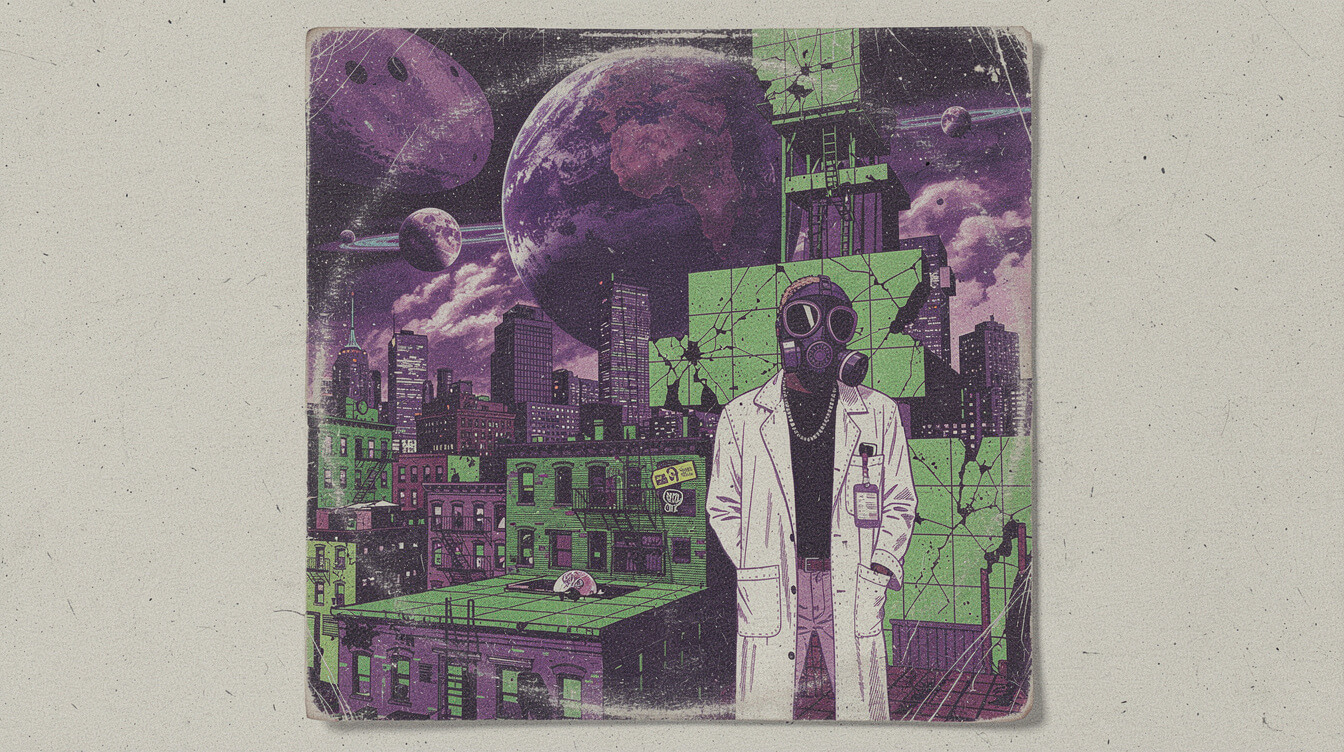
Kool Keith: The Bronx Surrealist Who Built Hip-Hop’s Deepest Alter-Ego Universe
Kool Keith is the most influential rapper most casual hip-hop fans can’t quite place. They know Dr. Octagon. They know the line about the moon men and the half-shark, half-man surgeon. They know MF DOOM owes someone a check. They just don’t always connect the dots back to the Bronx kid who built the blueprint in the first place. This piece is the map — the full Kool Keith universe, from Ultramagnetic MCs to Dr. Octagon to Dr. Dooom to Black Elvis to the lineage he quietly seeded across abstract rap.
Keith Matthew Thornton was born October 7, 1963 in New York City and has been releasing records since 1984. Forty-plus years deep, dozens of aliases, more side projects than a Madlib drum break — and still wildly under-credited in the canon. If you only know one Kool Keith record, you’re missing the architecture. By the end of this guide you’ll know the spine, the receipts, and exactly where every alter-ego fits in the family tree.
The Bronx, Ultramagnetic MCs & Critical Beatdown (1984–1988)
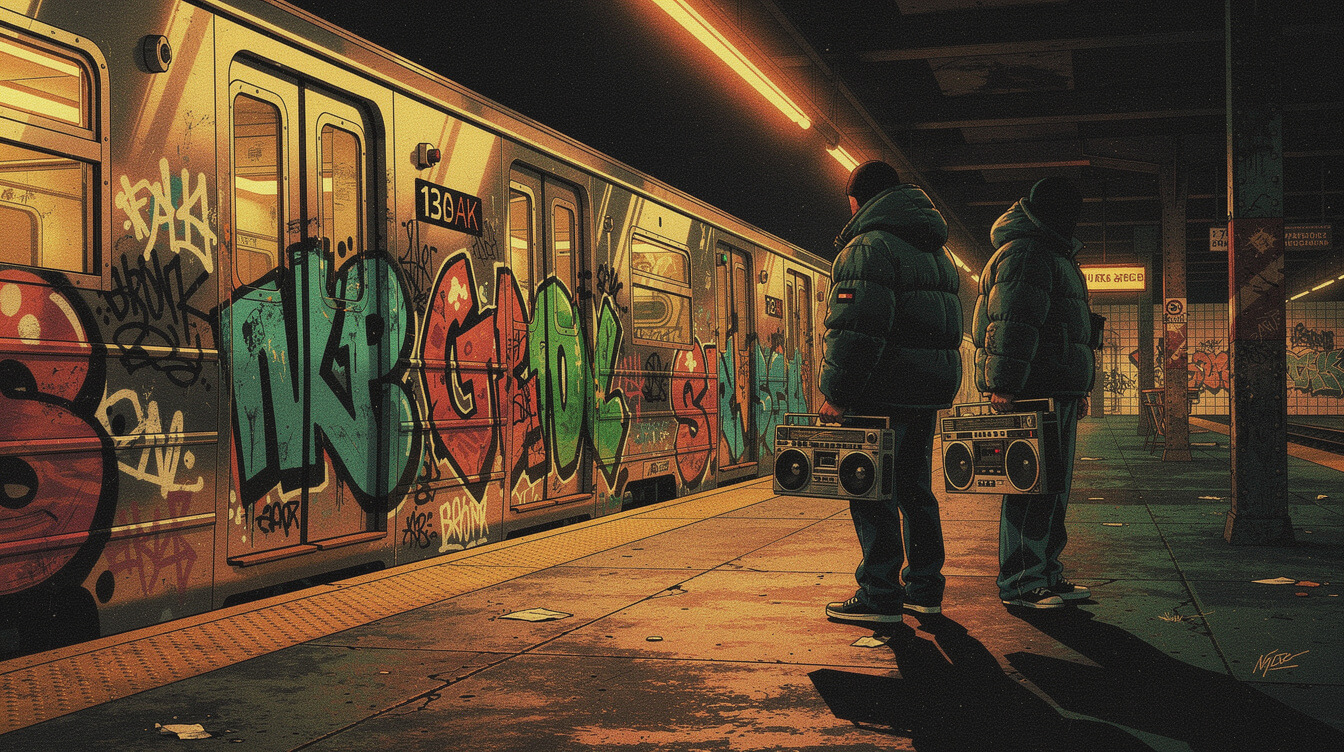
Every Kool Keith conversation has to start in the Bronx in 1984. That’s the year Keith linked up with Ced-Gee, TR Love and Moe Love to form Ultramagnetic MCs — one of the first groups to treat the rap verse like a chess problem rather than a chant. Where most golden age MCs were still working off party-rocking call-and-response, Ultramagnetic were stacking multi-syllabic internal rhyme schemes, switching cadences mid-bar, and slipping science-fiction vocabulary into street rap. Keith was already writing the way most of his peers wouldn’t for another five years.
The 12-inches came first — “Ego Trippin'” in 1986 is still on the short list of greatest pre-album hip-hop singles ever pressed — but it was the LP that locked the legacy in. Critical Beatdown, released October 4, 1988 on Next Plateau Records, is the foundational document. Ced-Gee’s production, built on chopped-up SP-12 drum samples and obscure jazz, soul and funk loops, was so far ahead of the curve that Rick Rubin reportedly used the same technique on early Public Enemy and Boogie Down Productions sessions. The sampling vocabulary of the entire It Takes a Nation / By All Means Necessary era runs back through Critical Beatdown.
What Keith brought to that template was a voice unlike anyone else on the platform — flat-affect, half-detached, occasionally menacing, with a vocabulary that pulled equally from comic books, pharmacology textbooks and street slang. Lines like “I’m the ultimate, the lyricist supreme, you can’t fuck with me, kid, don’t even dream” sound conventional on paper, but his delivery — the way he stretches syllables, ducks the snare and lands punchlines slightly off-grid — was the rhythmic mode that Big Daddy Kane, Rakim, and eventually the entire boom bap era refined into a craft. If you’re hunting an entry point, our take on Rakim’s Follow the Leader and the year hip-hop’s lyrical bar moved overnight covers the broader 1988 inflection that Critical Beatdown was part of.
Critical Beatdown didn’t go platinum. It didn’t even crack the Billboard Top 200 in any meaningful way. But producers, critics and other MCs treated it like sacred text within months of release — the kind of record that other rappers’ rappers cite when they’re asked who actually taught them how to write. That’s the legacy spot Keith has occupied ever since: the architect everyone else credits but the algorithm forgets.
The Bellevue Hinge: How Kool Keith Pivoted From MC to Architect
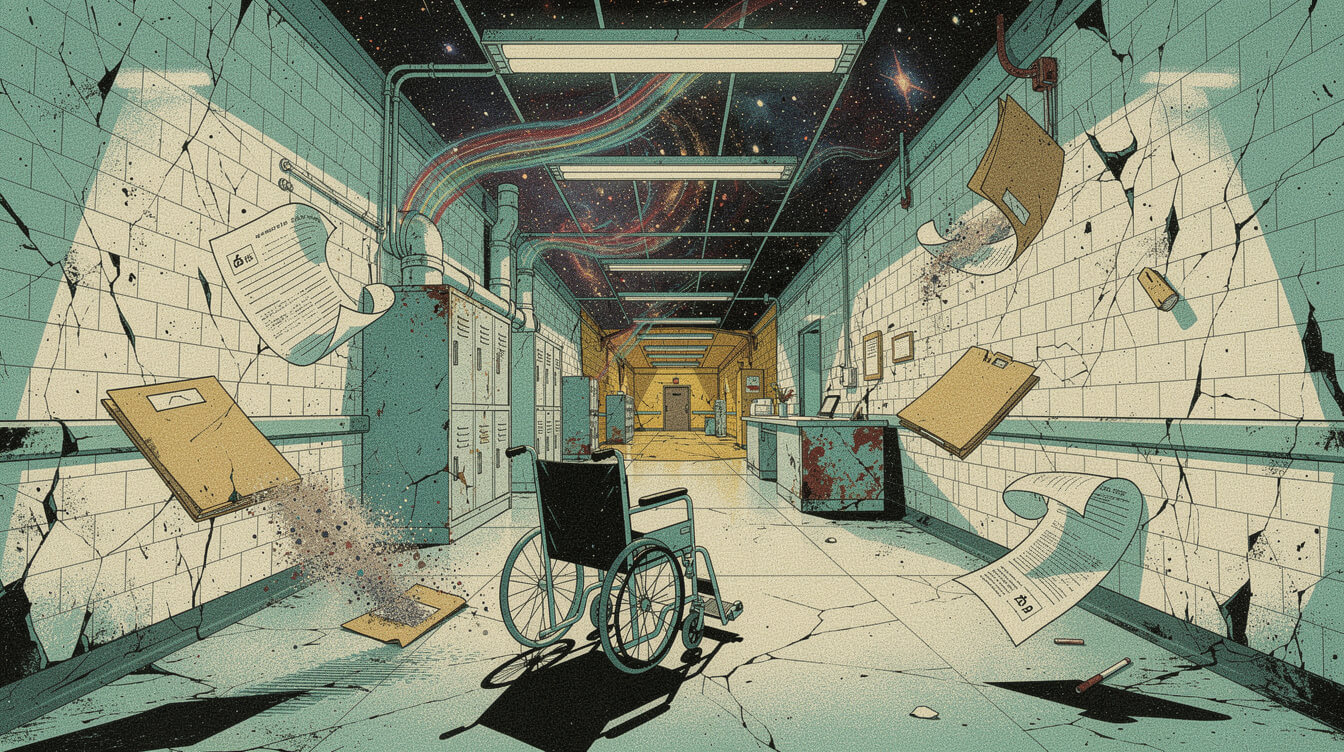
Between Critical Beatdown and the Kool Keith you probably know — the gas mask, the lab coat, the time travel — there’s a story Keith himself has told in different versions over the years. The widely-cited version goes: after Critical Beatdown’s release, Keith was hospitalized at Bellevue Psychiatric Hospital in Manhattan. He’s confirmed and unconfirmed the story in different interviews depending on the mood, the year and the journalist. Whether the stay was a few weeks or a few months, whether it was breakdown or burnout or industry pressure, has never been pinned to anyone’s satisfaction. What is documented is that he came out of the early ’90s with a completely different creative mode.
The Ultramagnetic follow-ups — Funk Your Head Up (1992) and The Four Horsemen (1993) — were transitional records. Major label pressure pulled the group in directions that didn’t match the underground crowd’s expectations from Critical Beatdown. Keith was still rapping at an elite level, but the group dynamic was fracturing. By 1995, Ultramagnetic MCs were essentially done as a recording unit. Keith was unsigned, scattered, and starting to do something nobody else was doing in mainstream rap: writing characters.
The lyrical mode that emerged in the mid-’90s — pornographic non-sequiturs, surgical jargon, science-fiction monologues, intentionally broken syntax — wasn’t a gimmick. It was a working method. Keith stopped writing songs about himself and started writing songs as fictional figures. The Bellevue lore, real or mythic, became the hinge: the moment where “Kool Keith, MC” became “Kool Keith, world-builder.” Everything after this point — Dr. Octagon, Dr. Dooom, Black Elvis, Mr. Gerbik, Tashan Dorsett, Reverend Tom, Cenobites — is downstream of that pivot.
Dr. Octagon (1996): The Extraterrestrial Gynecologist
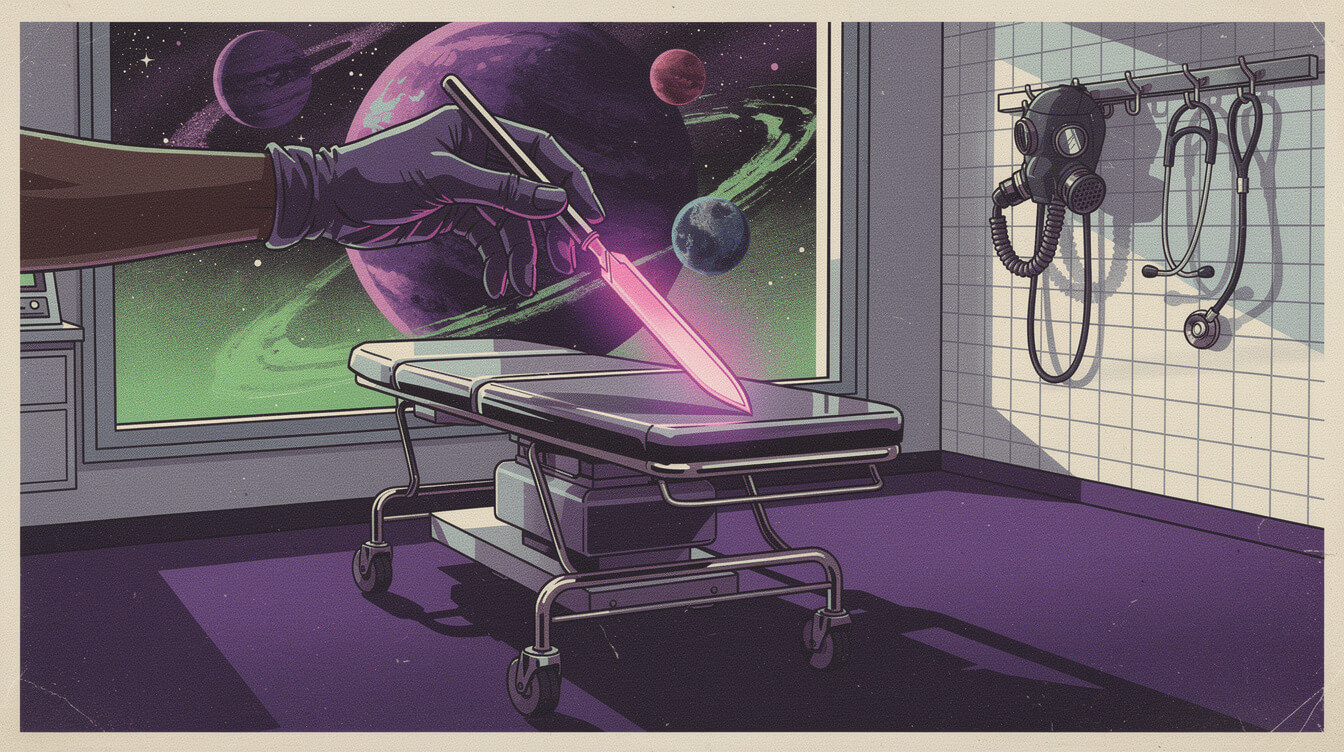
If hip-hop has a Borges, his name is Dr. Octagon. The character is, in Keith’s own writing: a time-traveling, extraterrestrial gynecologist from Jupiter, half-shark and half-man in some verses, performing surgeries on women he probably shouldn’t be performing surgeries on, narrating his own malpractice in clinical detail over the strangest beats anyone had ever heard on a rap record.
The album — officially titled Dr. Octagonecologyst, released April 30, 1996 on Dreamworks (originally on Bulk Recordings in late ’95) — is one of the most influential underground rap records ever pressed. The production was handled by Dan the Automator with scratches from DJ Q-Bert of the Invisibl Skratch Piklz, and the soundbed had almost nothing in common with what was dominating commercial rap radio in ’96. Cellos. Theremins. Skits framed as patient intake forms. The single “Blue Flowers” sounded like a David Lynch score with a beat under it.
What made it work — what makes it still work, thirty years later — is that Keith committed to the character with absolute discipline. There’s no winking. Dr. Octagon doesn’t break the fourth wall and reassure you that this is a bit. The horror, the comedy, the eroticism, the abstract physics are all delivered with the same flat clinical voice Keith had been refining since Critical Beatdown. It’s the first rap album that operates as a piece of literary world-building, and once you hear it that way, you can’t unhear it. Every Madvillain skit, every Quasimoto pitch-shift, every Madlib Invazion concept record runs back through this 1996 release.
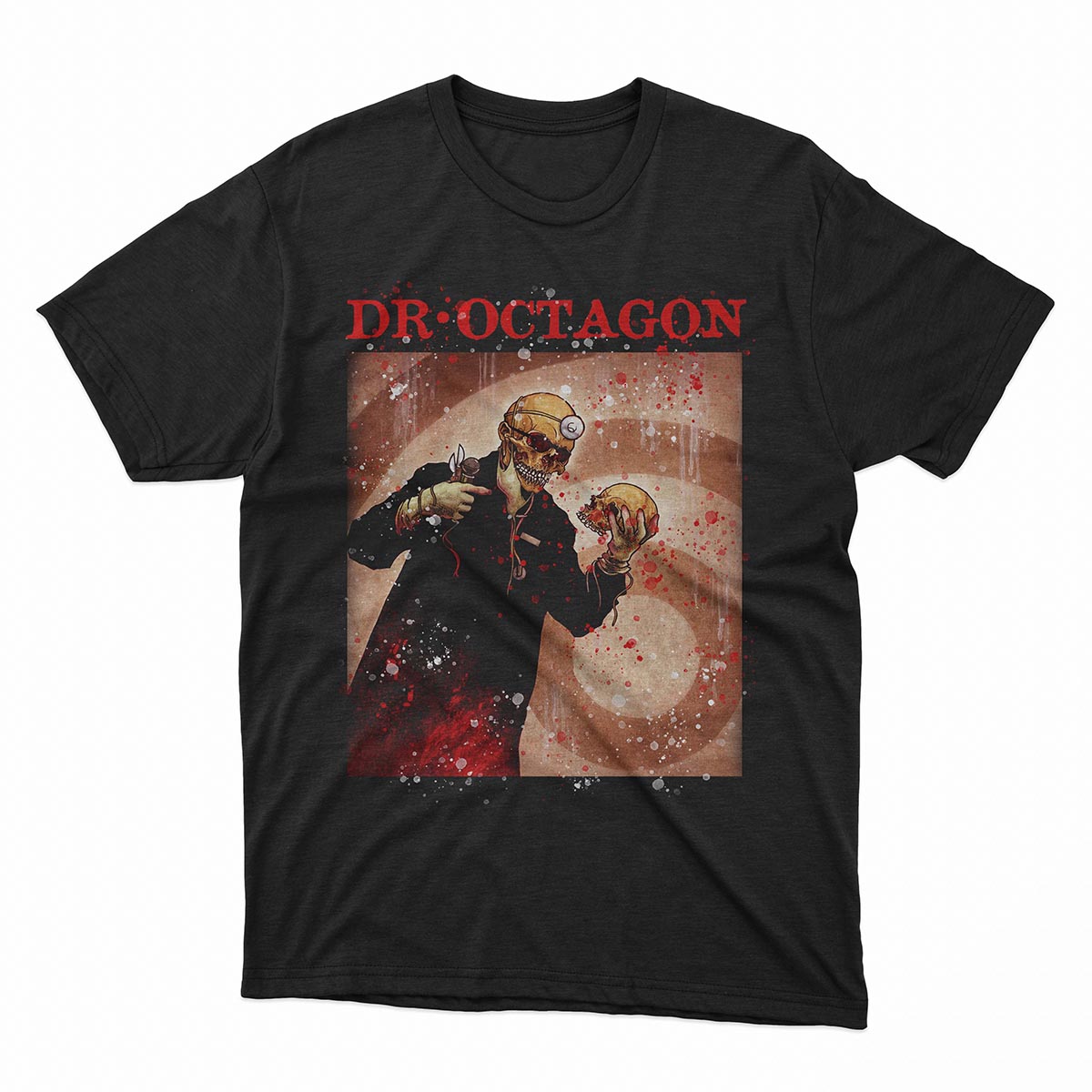
Wear The 1996 Concept Album
Dr. Octagon merch built for heads who actually own the LP. Heavyweight cotton tee, vintage album-cover aesthetic, ships worldwide.
The wider Dr. Octagon catalog — the Instrumentalyst companion, the unauthorized The Return of Dr. Octagon in 2006 that Keith publicly disowned, the reunion Moosebumps: An Exploration into Modern Day Horripilation in 2018 — all branch off from this 1996 hub. If you only own one Kool Keith record, this is the canonical pick. The companion Ultramagnetic MCs Critical Beatdown tee covers the other half of the origin story for collectors building the full Keith timeline on their rack.
Dr. Dooom Kills Dr. Octagon: The 1999 Reset & The Pornocore Era
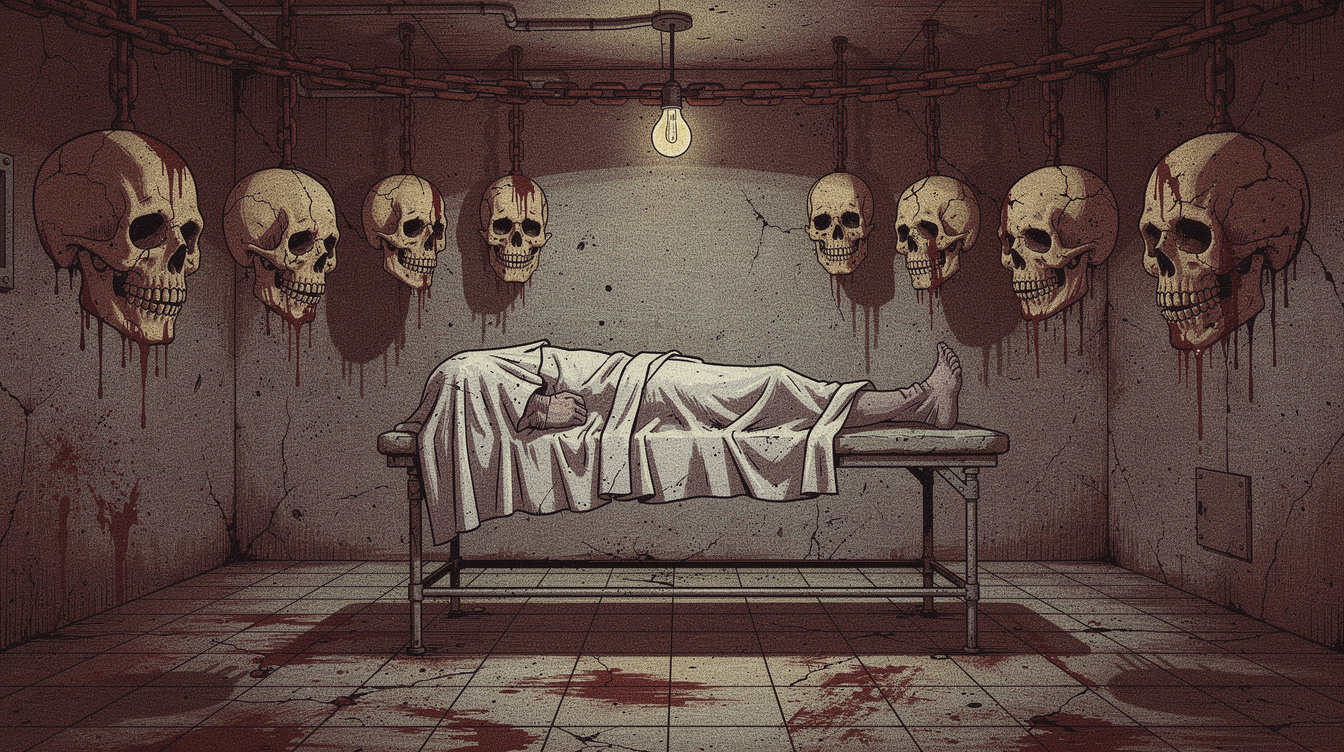
By 1999 Dr. Octagon had become its own commercial weight class. Backpack rap dorms across America were wearing the record out on CD-R. Keith, in classic Keith fashion, decided he was bored with the character and the discourse that had built up around it. So he killed him. Literally, on the first track of the record. The track is “Welcome,” and the character is Dr. Dooom, a mortician / serial killer / horrorcore figure who narrates over the opening seconds of his own album: I found Octagon’s body. Don’t worry, I shot him.
That album — First Come, First Served, released September 14, 1999 on Funky Ass Records — is one of the most underrated reset moves in rap history. It’s not just a character retirement. It’s Keith publicly executing the version of himself that had become a brand. The production from KutMasta Kurt strips away the cinematic Dan the Automator scoring and replaces it with raw, sample-based ’90s East Coast horrorcore. It’s Gravediggaz adjacent. It’s Ill Bill adjacent. It’s not what the Dr. Octagon audience wanted, and that was the point.
The 1997 LP Sex Style, sequenced before this reset, is where Keith coined his self-described genre tag “pornocore” — an entire mode of writing built around graphic, mostly-impossible sex scenarios delivered in the same flat-affect surgical voice. Sex Style is divisive on purpose. The album cover alone got it banned from most retail. But the writing technique — committing to a deliberately uncomfortable persona, sustaining the character for forty-plus minutes, and never breaking the frame — is exactly the same craft you’d hear three years later on First Come, First Served, and twenty-six years later from MIKE, Earl Sweatshirt, Navy Blue and the entire wave of New York abstract rap that grew out of Keith’s lineage.
The pornocore years also produced the Cenobites collab record with Godfather Don, Diesel Truckers with KutMasta Kurt, side projects under names like Tashan Dorsett and Mr. Gerbik — most of which never charted, all of which kept the character-system expanding. By 2000, Keith had quietly become the most prolific concept-album maker in rap history. Forty-plus records, dozens of personas, almost none of them ever being talked about in mainstream criticism.
The Lineage: How Kool Keith Built MF DOOM, Madlib & Abstract Rap

Here’s the argument the SERP never makes: every conversation about MF DOOM as “the supervillain rapper” and Madlib as “the abstract producer with the alter-ego problem” owes a debt the conversation usually doesn’t pay. The rap-villain template, the alter-ego-as-record-frame, the abstract-surrealist mode — all of it has cleaner antecedents in Kool Keith than in any of the other usually-cited sources.
MF DOOM. Daniel Dumile’s character architecture — the metal mask, the fictional biography, the third-person narration, the supervillain frame — is downstream of what Keith was doing on Dr. Octagon and Dr. Dooom three years before Operation: Doomsday dropped in 1999. The name “Dr. Dooom” alone is hard to ignore as a coincidence. DOOM never publicly disrespected Keith, and Keith — to his credit — has been generous about DOOM in interviews. But the lineage is real, and any honest history of ’90s into ’00s abstract rap has to put Keith one step ahead in the timeline.
Madlib. The Quasimoto pitch-shift, the Lord Quas / Yesterdays New Quintet / Jaylib catalog of side personas, the willingness to release a Madvillain skit as if it were a real scene — all of that runs back through the Dr. Octagon template. Madlib has cited Keith in interviews going back to the late ’90s. The DNA shows.
Outkast. Less obvious but worth saying. André 3000’s willingness to inhabit characters by 2003’s The Love Below sits in the same conceptual lane Keith opened. Listen back to the Stankonia skits with Keith’s mode in mind and the connection sharpens.
The current wave. Roc Marciano, Ka, MIKE, Earl Sweatshirt, Navy Blue, billy woods, Mavi, AKAI SOLO, Pink Siifu, the entire Backwoodz Studioz roster — they’re not Keith clones, but the underlying permission structure for what they’re doing (flat-affect delivery, deliberate ambiguity, character work, refusal to play to the chorus, world-building over hooks) is one Keith spent the late ’80s and ’90s proving could carry a full album.
For the broader Bronx-to-Brooklyn experimental lineage that Keith is part of, our read on Stetsasonic — the self-styled “Hip-Hop Band” who made experimentation a survival tool covers the parallel current that produced Prince Paul, De La Soul and the Native Tongues. Stetsasonic and Ultramagnetic MCs both came up in the same late-’80s Bronx-Brooklyn corridor doing things the mainstream press wasn’t sure how to write about. Keith’s career is the longest unbroken thread from that moment to the present.
Kool Keith FAQ: Frequently Asked Questions
Who is Kool Keith?
Keith Matthew Thornton, born October 7, 1963 in New York City — a Bronx rapper and producer active since 1984. First broke through with the group Ultramagnetic MCs. Known for surreal, abstract lyrics and a deep roster of alter-egos including Dr. Octagon, Dr. Dooom and Black Elvis.
What are Kool Keith’s alter-egos?
The major ones are Dr. Octagon (a time-traveling extraterrestrial gynecologist from Jupiter), Dr. Dooom (a mortician / serial killer / horrorcore figure), and Black Elvis (a glam-funk persona explored on the 1999 LP Black Elvis / Lost in Space). Deeper cuts include Dr. Ultra, Poppa Large, Rhythm X, Mr. Gerbik, Tashan Dorsett, Reverend Tom and Tashan. The full system runs into the dozens depending on how you count side-project credits.
What is Kool Keith’s most important album?
Two answers, depending on what you mean by “important.” For influence on the craft of sampling and complex rhyme construction in the late ’80s, it’s Ultramagnetic MCs’ Critical Beatdown (1988). For inventing the surreal concept-album lane he’s known for, it’s Dr. Octagonecologyst (1996). Both are essential, and they’re best heard in sequence.
Did Kool Keith really kill off Dr. Octagon?
Yes — on the first track of the Dr. Dooom album First Come, First Served (1999). The Dr. Dooom character literally narrates finding and shooting Dr. Octagon’s body, retiring the alias in-story. When a 2006 release called The Return of Dr. Octagon came out without his involvement, Keith publicly disowned the project.
Did Kool Keith influence MF DOOM?
The rap-supervillain / alter-ego template DOOM is celebrated for has a clear ancestor in Keith’s character architecture. Dr. Octagon (1996) and Dr. Dooom (1999) both predate Operation: Doomsday (1999) and Madvillainy (2004). Keith is a foundational — and persistently under-credited — root of abstract and persona-driven hip-hop.
Where should a new listener start with Kool Keith?
Start with Dr. Octagonecologyst (1996). It’s the most accessible entry to the world-building mode he’s known for, has the best production, and gives you the vocabulary you’ll need for everything else. From there go backwards to Critical Beatdown (1988) for the lyrical foundation, then forward to First Come, First Served (1999) for the reset, then to Black Elvis / Lost in Space (1999) for the funk-glam persona experiment. After those four records you’ll have the spine.
Final Thoughts
Kool Keith isn’t a rapper who happens to have a few aliases. He’s the architect of hip-hop’s most deliberate alter-ego universe — a Bronx surrealist whose Ultramagnetic-to-Dr. Octagon arc quietly seeded MF DOOM, Madlib and the entire abstract-rap lineage. He’s the missing root in a tree everybody likes to climb without checking whose soil it grew in.
If you’re new to the catalog, the four-record spine is your map: Critical Beatdown, Dr. Octagonecologyst, First Come, First Served, Black Elvis / Lost in Space. Listen in that order and the rest of the discography opens up. If you’re already deep in, the move now is to give Keith his flowers in public — credit the lineage, name the influence, and stop treating one of the most important architects in the genre’s history as a footnote in someone else’s biography.
The Bronx kid from 1984 is still out there making records. He’s still ahead of the curve. He’s still under-credited. Some things in this culture never change. The least we can do as heads is make sure the next generation knows whose blueprint they’re building on.
Get The Culture, Not The Algorithm
Cultural reads on hip-hop’s architects, anniversaries and underrated lineages — delivered weekly. No filler, no SEO sludge.

🎧 Never Miss a Drop
Exclusive product releases, hip-hop deep dives, and member-only discounts. Straight to your inbox.
Free forever. No spam. Unsubscribe anytime.
Get the Culture, Delivered
Deep dives into hip-hop history, exclusive product drops, and discounts sent straight to your inbox. No spam, just culture.
Join 2,000+ hip-hop heads already in the loop. Unsubscribe anytime.