
Masta Ace Confronts Eminem Flow Rumors, Celebrates Juice Crew Legacy & Premieres Hip-Hop Play The Falling Season
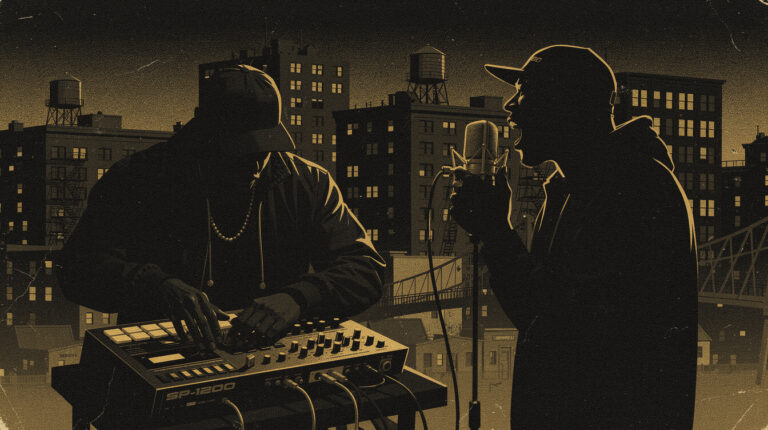
Masta Ace stands as one of hip-hop’s most revered lyricists, a figure whose influence stretches from his break into the legendary Juice Crew to his stand-alone works like Disposable Arts and A Long Hot Summer. His craft never chased fads, instead reflecting a steady drive for authenticity.
In a recent sit-down with Chuck “Jigsaw” Creekmur and DJ Thoro, Ace mapped out his career arcs, gave details on his new theater piece titled The Falling Season, and looked back at his role in “Born to Roll,” the label battles that shaped his sound, and a viral conversation about Eminem’s flow.
Before this conversation, Ace’s career spanned debut hits like “Me & the Biz” and “Jeep Ass N###a” through albums that blended narrative and emotion. Projects such as Disposable Arts and A Long Hot Summer earned cult status for storytelling and grit, solidifying his reputation in hip-hop.
Jigsaw: You’ve sparked a debate about whether Eminem borrowed your style. How do you see those talks?
Masta Ace: “I’ve seen those posts, and honestly, I don’t repost that stuff because I think it’s disrespectful. As artists we all feed off each other. Early on, I even sounded like Rakim. We’re all finding our way. Eminem has said himself he was influenced by a lot of people—Redman, Kane, Onyx, Grap, a long list. I might have been one of those names, but he took it to a whole different plateau. I respect him, and he respects me. He’s influenced me too—with the courage to say things you might not expect a rapper to say, and the way he rhymes words you wouldn’t think of.”
Jigsaw: You’ve expanded your work into theater by reimagining characters from Disposable Arts and A Long Hot Summer in The Falling Season. How did that idea come together?
Masta Ace: “Yeah, the play is influenced by three albums: Disposable Arts, A Long Hot Summer, and The Falling Season. I pulled characters from the skits—like Lisa from Disposable Arts and Fats Belvedere from A Long Hot Summer—and built them into full characters. The play follows a 17-year-old in high school, mixing in parts of my real life with those album storylines. It’s Hip-Hop theater, but authentically Hip-Hop—not just rapping like Hamilton, but something DJs, producers and MCs can truly connect with.”
Jigsaw: Your debut single plan got derailed when the label backed “Me & the Biz” over “Music Man.” What happened behind the scenes?
Masta Ace: “That was Warner forcing my hand. I wanted ‘Music Man’ as my first single. They told me flat out, ‘If ‘Me & the Biz’ isn’t first, don’t expect a second single.’ As a new artist, I couldn’t push back. The label made it into a novelty record, even with the puppet. That wasn’t me. But the lesson I learned pushed me to make Slaughtahouse gritty and hard. That album wouldn’t have sounded the way it did without that experience.”
DJ Thoro: “Born to Roll” nearly got left off the release. How did that version go from B-side to hit single?
Masta Ace: “Real close. ‘Born to Roll’ was actually the remix to ‘Jeep Ass N###a.’ Delicious Vinyl didn’t even want to release it—they were already pushing ‘Slaughterhouse.’ I fought to get it tacked onto the B-side. Radio stations in the Bay and L.A. started playing it instead of the A-side, and it spread nationwide. That’s when the label scrambled and said, ‘We need a video.’ That record set everything off.”
DJ Thoro: At Juice Crew sessions, you shared the mic with G Rap, Big Daddy Kane and Biz Markie on “The Symphony.” How did that competitiveness shape you?
Masta Ace: “The bar was set very high. You had to sink or swim. We weren’t as close personally as people think—we’d mostly see each other at the label or shows—but the competition was real. I knew it’d be hard to stand out, but it shaped me. Funny thing, I wasn’t even signed to Cold Chillin’ when ‘The Symphony’ dropped. They didn’t even plan an album for me until ‘Letter to the Better’ blew up in the U.K. That’s when they finally said, ‘OK, we’ll do an album.’”
Jigsaw: You’ve been active since the ’80s. What fuels you today?
Masta Ace: “The fans. When someone like Thoro tells me a song helped him keep going, or fans come up to me at the merch table and say my music got them through something—that makes it worthwhile. Awards are nice, but knowing I’ve impacted lives is what really counts.”

🎧 Never Miss a Drop
Exclusive product releases, hip-hop deep dives, and member-only discounts. Straight to your inbox.
Free forever. No spam. Unsubscribe anytime.
Get the Culture, Delivered
Deep dives into hip-hop history, exclusive product drops, and discounts sent straight to your inbox. No spam, just culture.
Join 2,000+ hip-hop heads already in the loop. Unsubscribe anytime.