J Dilla’s Donuts Track-by-Track: Every Sample He Chopped in His Hospital Bed
On February 7, 2006, Stones Throw Records released Donuts, a 31-track instrumental album that James Dewitt Yancey — known to the culture as J Dilla — had chopped together largely from his hospital bed at Cedars-Sinai in Los Angeles. Three days later, on February 10, he was gone. This is what “j dilla donuts” actually means: not a legend, not fable, but a timeline so tight that the album’s release date and its author’s death date sit inside the same seventy-two hours.
Twenty years later the SERP still can’t handle it. Wikipedia gives you a 7,700-word article that never once builds a sample map. Stones Throw’s own product page is a commerce blurb. Nobody, to date, has published the full track-by-track receipt work — every 45, every soul flip, every 10cc chop, every Escorts ghost — alongside the MPC3000 technique explainer and the producer-lineage receipts that connect this album to Kanye’s chipmunk soul, Madlib’s crates, Flying Lotus’s Brainfeeder, and Roc Marciano’s murk. That is what this piece is. If you are here for the album’s meaning, you came to the right place.
The 45-Day Album: Hospital Bed to February 7, 2006
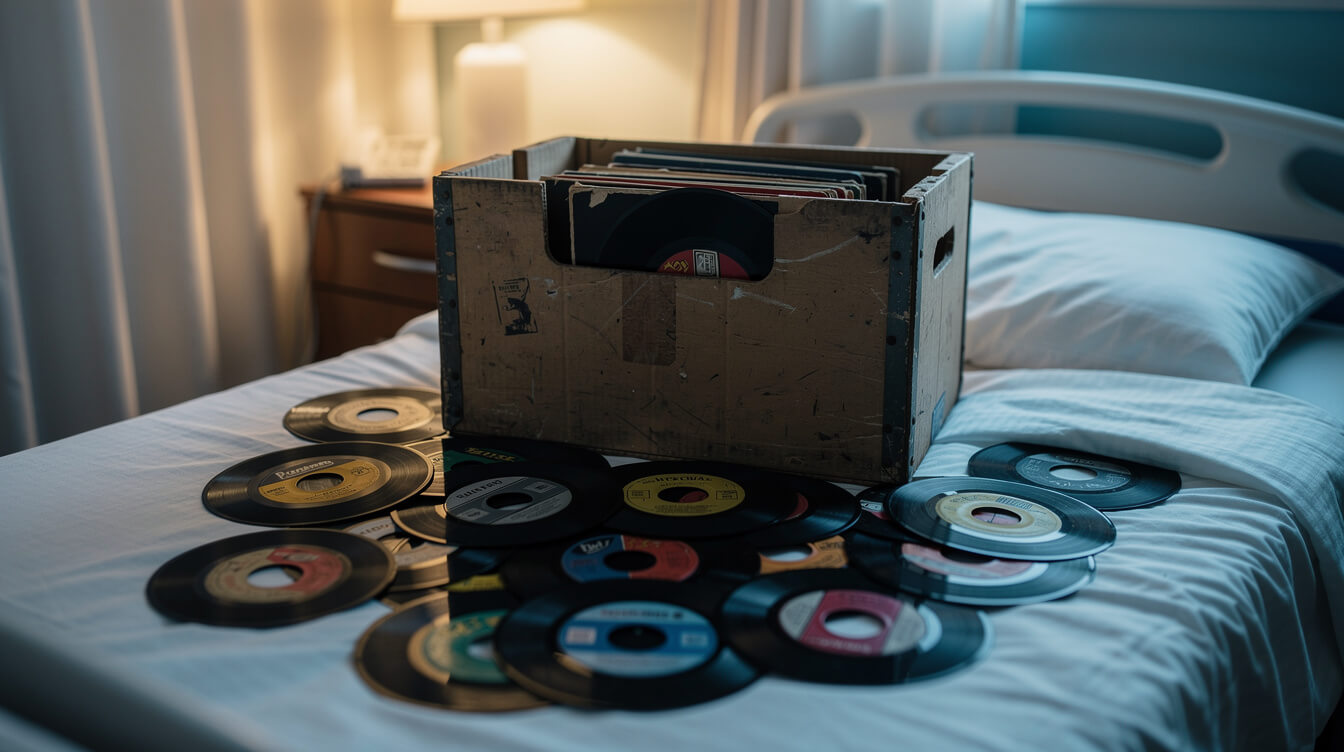
The medical timeline first, because it is the album’s meaning. Dilla was diagnosed with thrombotic thrombocytopenic purpura — TTT, a blood-clotting disorder that starves organs of platelets — layered on top of lupus he had lived with for years. By late 2005 both had triggered kidney failure. He was admitted to Cedars-Sinai in Los Angeles and put on dialysis. He could barely stand. He could not tour. What he could do was sit up and chop.
Peanut Butter Wolf, the Stones Throw founder, came to the room with a portable turntable and a plastic milk crate of 45 RPM soul singles Dilla had asked for. This is not myth — Wolf has recounted it in interviews going back to 2006. Dilla worked on a laptop and an Akai MPC. The tracks arrived in email attachments. His mother Maureen “Ma Dukes” Yancey watched him make music with the same intensity she had watched him hold pencils in kindergarten. On February 7, 2006 — Dilla’s 32nd birthday — Stones Throw released Donuts. Vinyl followed February 8. He died February 10 at Cedars-Sinai with Ma Dukes at the bedside.
Forty-five days is the number most cited for the album’s active production window inside the hospital, but the reality is looser — Dilla had been sketching these ideas for years, and the final assembly happened across the fall and winter of 2005. What is uncontestable is the release-death sandwich. Three days. Any critic who tries to separate Donuts from that fact is describing a different album. This is why every track sounds urgent. This is why the run-time is 43 minutes across 31 tracks — the man was making beats in a race against a diagnosis he already knew the answer to.
The MPC3000 Technique: Why Donuts Sounds Unrepeatable
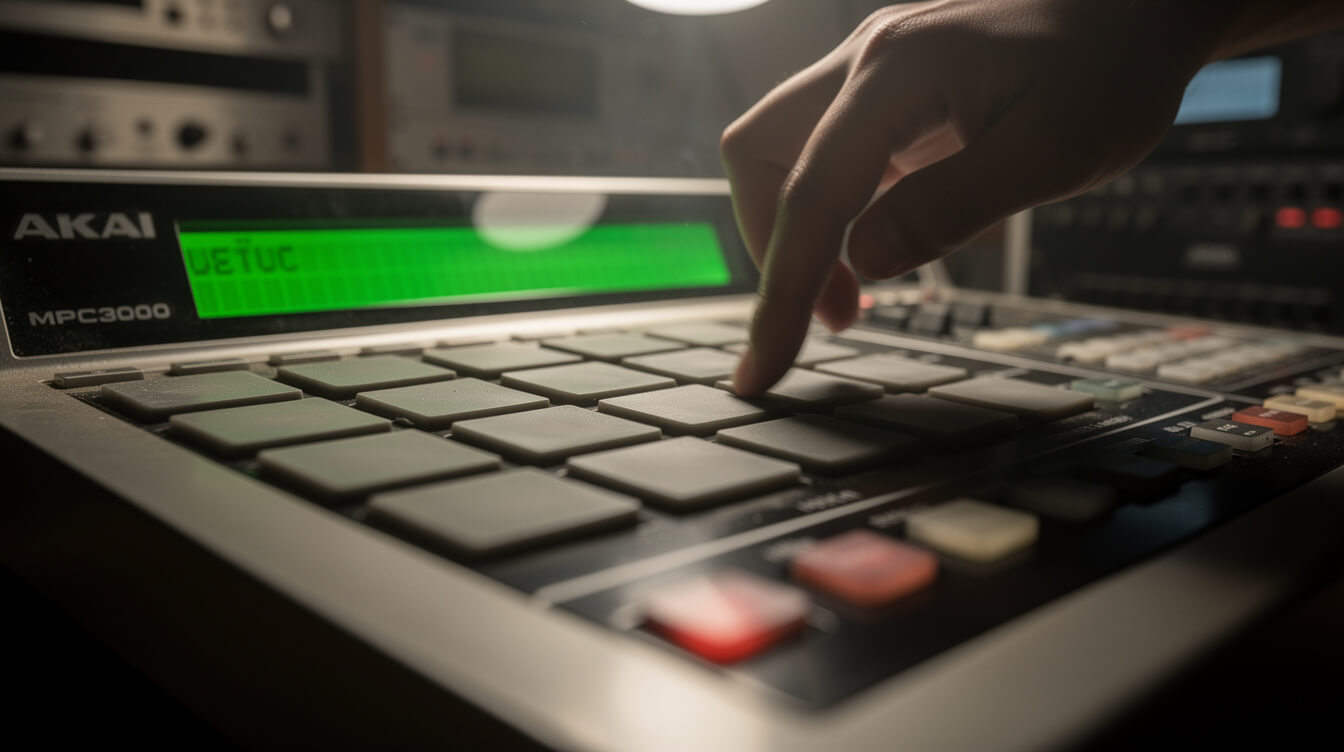
Every producer who has ever tried to sound like Dilla has hit the same wall: the MPC3000 quantize button. Dilla did not use it. That is the entire secret and it is also, functionally, unreachable, because it is not a plugin — it is a decade of muscle memory built into his fingers.
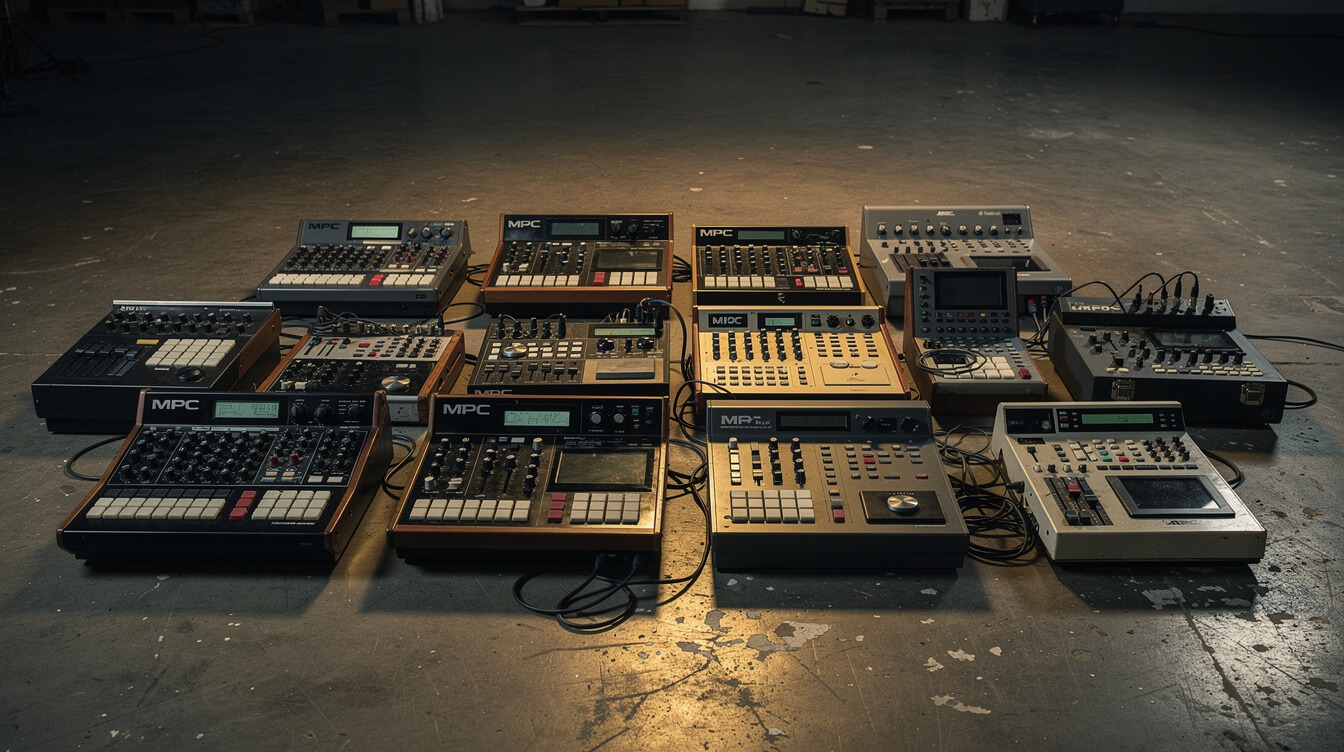
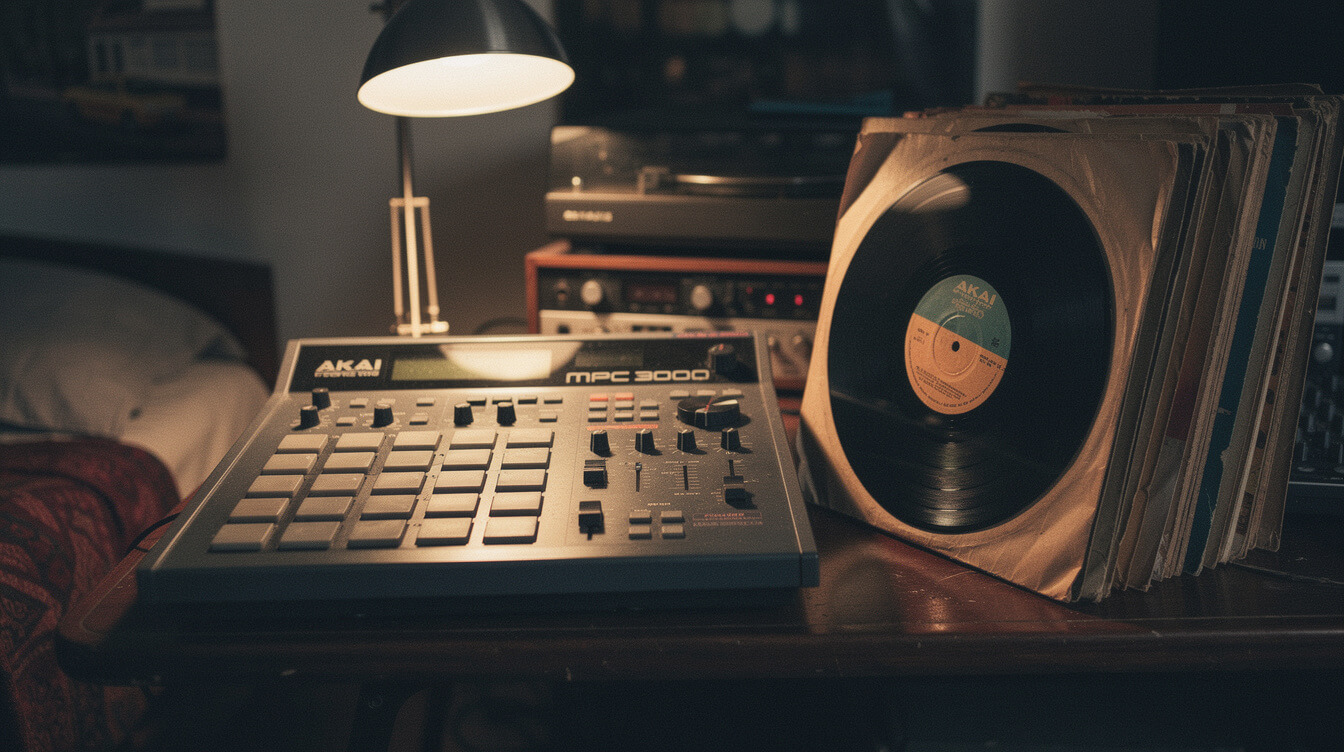
The Akai MPC3000, released in 1994, was Dilla’s daily driver from Slum Village onward. Its 16-pad grid recorded velocity and timing at 96 pulses per quarter note. Most producers who came up on it either quantized their hits to a strict 4/4 grid (which sounded stiff) or used the “swing” function to add a mechanical Motown-lite lilt. Dilla did neither. He turned the swing off. He turned the quantize off. He tapped every drum hit — kick, snare, hat — by hand, and let each hit fall a few ticks early or late, on purpose, keeping the velocities uneven so that a snare might land at 118 one bar and 102 the next.
The result is what producers now call the “Dilla feel” or “drunk drums”: the beat pushes and pulls against the bar line without ever losing the pocket. Listen to Workinonit, the opener. The Beastie Boys “The New Style” vocal chop is quantized — Dilla left the sample where it landed on the sample chain — but the drums under it swing wildly off-grid. That tension is the whole track. Or listen to Two Can Win, where the drums drag behind an Escorts sample so hard the whole beat feels like it is on the verge of collapsing, and then reels itself back in every four bars.
This is why the album is unrepeatable in software. A DAW quantized to 96 PPQ can approximate the timing. It cannot approximate the human-arm decision to hit a snare a hair louder because that bar wanted it that way. Producers who studied Dilla — and there are many — will tell you they learned to turn quantize off before they learned anything else. If you have not spent time inside the album with headphones on, do it once with the drum kit in mind. The whole record is a masterclass in why “wrong” is often just “human.”
Track-by-Track Sample Map: The Receipts Nobody Else Prints
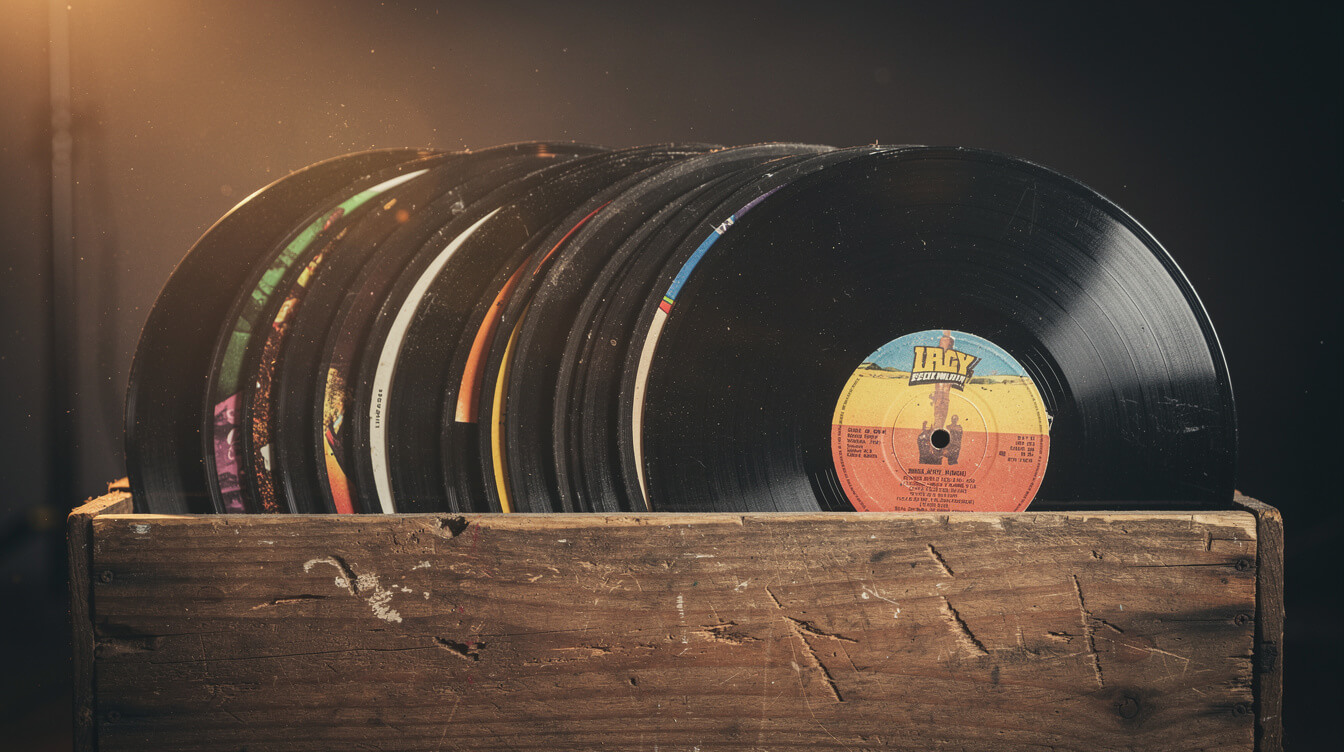
Here is the work that the top of the SERP for “j dilla donuts” has never done. This is a sample map. It is not exhaustive — some of the flip sources are still contested by crate-diggers on WhoSampled and the various Dilla fan Discords — but it covers the flips that are most-documented, most-audible, and most useful for understanding what the man was doing.
- Workinonit (Track 2) — Vocal chop from Beastie Boys “The New Style” over drum breaks looped tight. The bassline is 10cc’s “The Worst Band in the World.” Dilla layered a rock band and a rap crew on top of each other on the opener and dared you to argue.
- Waves (Track 3) — 10cc again, this time “Johnny Don’t Do It.” The organ swell that anchors the track is chopped so tight it becomes rhythmic.
- Light My Fire (Track 4) — Frank Sinatra sings the title fragment; the rhythm bed underneath is Martine Girault’s “Revival.” Two different songs, one flip.
- The New (Track 6) — Enchantment’s “The Way You Used To Be” — a 1976 Detroit soul cut that had languished in obscurity until Dilla put it on Donuts.
- Stop (Track 8) — Dionne Warwick’s “You’re Gonna Need Me” chopped into a chorus, over drums that sit dead behind the beat.
- People (Track 10) — Eddie Kendricks’ “My People, Hold On.” An emotional gut-punch of a track that has been read a hundred ways since 2006 — most obviously as Dilla’s own message to the culture.
- The Diff’rence (Track 12) — Smokey Robinson’s “Wine, Women and Song” chopped into an off-grid loop.
- Anti-American Graffiti (Track 14) — Frank Zappa’s “Idiot Bastard Son.” Zappa on a Dilla beat. That is the sentence.
- Geek Down (Track 15) — JJ Barnes’ “You’ll Lose a Good Thing,” Detroit soul obscurity flipped into a strut.
- Thunder (Track 16) — Gap Mangione’s “Thunder Storm” — a jazz-fusion source most heads had never touched.
- Gobstopper (Track 17) — Motherlode’s “When I Die.” The synth pad is chopped so short it becomes percussion.
- One For Ghost (Track 18) — Frank Sinatra’s “Days of Wine and Roses,” offered up as a tribute Ghostface Killah would return in kind on Fishscale a month later. Read our breakdown of Ghostface’s Fishscale to hear the other half of that conversation.
- Dilla Says Go (Track 19) — Kool & the Gang’s “Sea of Tranquility.” The horn stab is unmistakable if you know the source.
- Walkinonit (Track 20) — 10cc callback. Book-ended by 10cc — this album is loop-shaped in more ways than the running order suggests.
- Time: The Donut of the Heart (Track 21) — Jackson 5’s “All I Do Is Think of You.” Michael’s teenage voice cut into a chorus of one syllable, over drums that ache. Most critics agree this is the emotional center of the album.
- Two Can Win (Track 23) — The Escorts’ “I’ll Be Sweeter Tomorrow.” The Escorts were a doo-wop group of incarcerated men from Rahway State Prison, New Jersey, whose 1973 debut LP is one of the great lost soul records. Dilla flipped them twice.
- Don’t Cry (Track 26) — The Escorts again — “I Can’t Stand.” The way the vocal is chopped, it sounds like the singer is arguing with himself.
- Bye. (Track 31) — The final track. The Isley Brothers’ “Don’t Say Goodnight (It’s Time for Love),” chopped into a single word — Bye. — that loops and fades. He knew what he was doing.
That is 18 of the 31 tracks with source confirmation. The remaining tracks have contested or partially-confirmed sources; the fan community at WhoSampled and the Beat Junkies forums have been working the receipts for two decades. But even at 18, the picture is clear: this is a soul album made from soul records, mostly Detroit and Philly and New Jersey soul, with a couple of 10cc rock-band flips and one Frank Zappa cameo. It is a love letter to the source material that raised Detroit hip-hop.
Rewriting the Producer’s Playbook: Kanye, Madlib, Flying Lotus, Roc Marci
The J Dilla lineage is now so wide it is easier to name the producers who don’t cite him. Start with Kanye West. College Dropout dropped in February 2004 — two years before Donuts — and its chipmunk-soul aesthetic (pitched-up vocal chops from soul records, tight looped drums) drew from the same source-well Dilla had been mining since Slum Village’s 1997 debut. Kanye has said as much publicly. He cited Fantastic, Vol. 2 as a foundation record. When Kanye speeded a Chaka Khan vocal on “Through the Wire,” the technique was Dilla-descended.
Madlib is the direct peer. The two producers had planned Jaylib — a full-length collaboration under the name Jaylib — since 2000; Champion Sound arrived in 2003 as the answer. Madlib’s Shades of Blue, released a year earlier, showed the same crate-digger’s respect for source material and the same swing-off approach to drums. Read our piece on Madlib’s Shades of Blue turning 23 for the full Jaylib context.
Flying Lotus is Dilla’s blood cousin — literally. Steven Ellison is the great-nephew of Alice Coltrane; his Brainfeeder label and the whole beat-scene that emerged in Los Angeles in 2007–2010 (Nosaj Thing, Teebs, Ras G, TOKiMONSTA) built its identity around the Dilla feel. FlyLo’s Los Angeles (2008) is a Dilla tribute in the same way Donuts was a Detroit-soul tribute — same reverence, different generation.
Roc Marciano is the East Coast heir. His murky, sparse loops on Marcberg (2010) and everything since — the way he lets a sample just sit, the way he refuses to add hi-hats to sweeten a beat — is a Dilla philosophy carried into a colder register. If you want to see the producer-lineage merch angle in the flesh, our J Dilla Tribute Tee puts you in the conversation without the meme. Same lineage: MF DOOM’s Viktor Vaughn alias sat on the same continent — check the Viktor Vaughn Vaudeville Villain tee if the Madvillain end of the lineage speaks to you.
Wear the Producer, Not the Meme
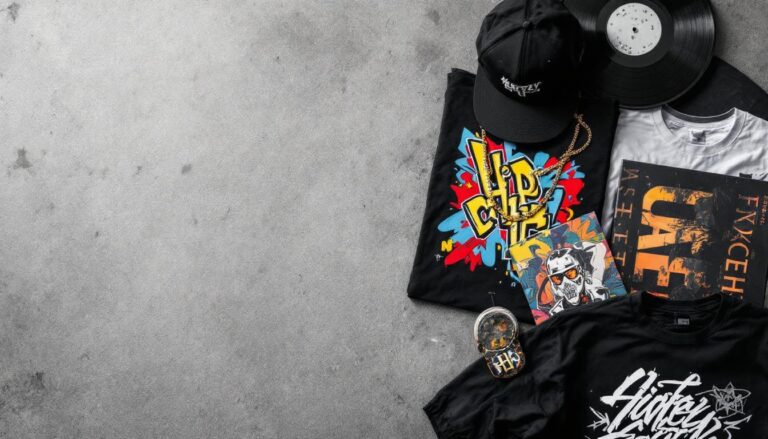
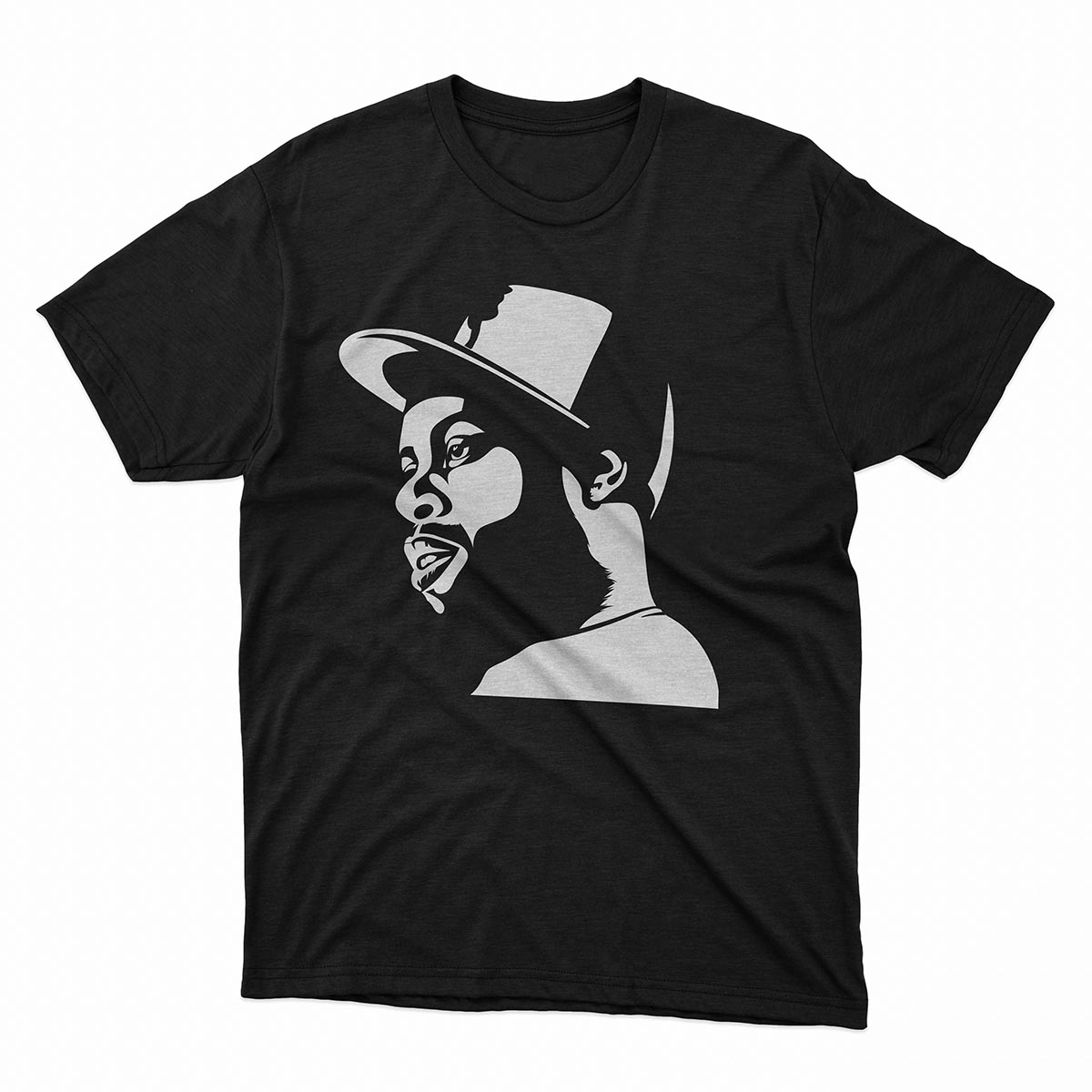
Our J Dilla Tribute Tee is fan art done right — a nod to the man who taught the whole culture how to let drums breathe. Detroit-heavy design. Cotton that lasts.
The Legacy of the Album No Label Would Have Made
Def Jam would not have released Donuts. Neither would Interscope, Aftermath, or any major label of the 2006 era. The math simply didn’t work: 31 instrumental tracks, average length 1:23, no radio single, no featured vocalist, no hook — from a producer whose main visibility outside heads was Slum Village and the credits on The Roots’ Phrenology and Common’s Like Water for Chocolate. Stones Throw released it because Stones Throw could — Peanut Butter Wolf ran the label small enough to make artistic bets like this and mean them.
The vinyl-first release is worth marking. The CD dropped February 7. The vinyl dropped February 8. On a major label the CD would have been the priority and the vinyl an afterthought pressed six months later for the collector market. Stones Throw treated the wax as the primary artifact. The gate-fold jacket is now one of the most collectible pieces of 2000s hip-hop vinyl — original pressings from 2006 change hands for well north of $100 in clean condition.
The streaming era exposed a legal problem the physical release had glossed. Donuts was released with cleared samples in some cases and uncleared samples in many others — the industry standard for a boutique 2006 hip-hop release, but a headache for Spotify and Apple Music once the album finally arrived on streaming. As of 2026 you can stream Donuts, but a handful of tracks — the ones with the most contested Warner Music Group underlying samples — have been in and out of the streaming catalog depending on legal cycles. That’s the culture-versus-industry tax Dilla paid, posthumously, so that everybody who came after him could copy the technique on cleared samples and cash the checks.
The critical reception took a decade to catch up to the head consensus. Pitchfork rated Donuts 9.0 on release. By 2014 it was on their decade-best list. By 2020 it was on their all-time-hip-hop list. Rolling Stone put it on the 500 Greatest Albums update in 2020, at #82 — behind exactly zero other instrumental hip-hop records. That is a slow revision. It is also the correct one.
Ma Dukes, the Foundation, and the Estate Today

Maureen “Ma Dukes” Yancey has been the caretaker of Dilla’s legacy for twenty years now, and the work has been neither easy nor uncontested. The J Dilla Foundation, launched in 2010, funds music-education scholarships in Detroit and Los Angeles — specifically programs that put MPCs, sampling gear, and beat-making instruction into schools that would not otherwise afford it. If you were a Detroit middle-schooler in the 2010s learning how to chop a sample on a hand-me-down Akai, there is a real chance the J Dilla Foundation paid for the class.
The estate has been through its share of legal cycles. From 2015 to 2019 there were disputes over publishing royalties, the executor of the estate, and unreleased material — the kind of thing that unfortunately happens to nearly every artist who dies without a formal will. Ma Dukes came out of that period holding the artistic reins. She has been careful about posthumous releases. She has approved a small handful of them — The Diary (2016), the Yancey Boys record, and select archival material through Stones Throw — and turned down many more.
The Museum of Pop Culture in Seattle mounted a Dilla exhibit in 2020 — the first major museum recognition of a hip-hop producer’s craft in the United States. The exhibit put his MPC3000 (loaned by the family) on display alongside handwritten track sheets, the 45 crate Peanut Butter Wolf brought to the hospital, and a wall of the sample sources laid out one 45 at a time. If you can catch it in a subsequent city — MoPoP occasionally tours the piece — do. There is no substitute for seeing the pads worn down where his thumbs sat.
February 10 has become Dilla Day across hip-hop — a global calendar entry that spans Detroit tributes, Los Angeles listening parties, Tokyo record-store events, and Berlin club nights. It is one of the very few dates on the hip-hop calendar that transcends the era-and-region divisions that usually split the culture. Boom-bap heads and Brainfeeder heads sit in the same room on February 10 and listen to the same album. That is not nothing.
Why Donuts Still Matters in 2026
Two decades on, the album has aged in a direction most 2006 hip-hop hasn’t. It is not tied to a moment. It is tied to a method. The rise of lo-fi hip-hop on YouTube — the whole Chillhop / Lo-Fi Girl universe that scores a generation of homework and remote-work sessions — is downstream of Dilla in a way none of those artists deny. Nujabes cited him. Nujabes’ inheritors cite Nujabes and Dilla in the same breath. The Donuts approach — soul-sampled, humanized drums, short-form, mood-first — is now the default sound of instrumental hip-hop for an entire generation that was in elementary school when the album dropped.
For the culture more broadly, Donuts also settled an argument. Before 2006 the case for instrumental hip-hop as a self-contained art form — no vocalist required, no radio single required — was not fully made. DJ Shadow’s Endtroducing… (1996) had made it once. Prefuse 73 and RJD2 had furthered it in the early 2000s. Donuts made it definitively, and made it in the specific voice of a Black Detroit producer working from the soul-record tradition that had raised him. That mattered then and it matters now.
If you have not sat with the album recently, do. Not as background music — as active listening, headphones on, one bar at a time. Notice how Time: The Donut of the Heart makes Michael Jackson’s twelve-year-old voice into a hymn. Notice how the drums on Two Can Win drag against the pocket like something that doesn’t want to be finished. Notice the loop at the end of Bye. — the way one word, chopped from an Isley Brothers song, becomes a farewell that lasts forty-two seconds. This is a record made by a man who knew the score and refused to let it be a sad one. It is also, still, the best argument in hip-hop for what a producer with a room, a machine, and a stack of 45s can do.
Frequently Asked Questions About J Dilla Donuts
What is the release date of J Dilla’s Donuts?
Stones Throw Records released Donuts on February 7, 2006 — J Dilla’s 32nd birthday. Vinyl followed February 8. Dilla died three days later, on February 10, 2006, at Cedars-Sinai Medical Center in Los Angeles.
How many tracks are on Donuts?
31 tracks. Total run time is approximately 43 minutes, meaning the average track length is roughly 83 seconds. Several tracks clock in under a minute — a deliberate structural choice that makes the album function like a loop rather than a linear listen.
What drum machine did J Dilla use on Donuts?
Primarily the Akai MPC3000 — the same unit he had been using since his Slum Village work in the mid-1990s. Some tracks were sketched on a laptop given his hospitalization, but the signature drum programming came from the MPC3000. His MPC3000 is now periodically exhibited at the Museum of Pop Culture in Seattle.
Are the samples on Donuts legally cleared?
Partially. Some samples were cleared at release; many were not. The 2006 Stones Throw physical release existed in a regulatory grey zone that was industry-standard for boutique hip-hop of the era. When Donuts arrived on streaming platforms in the 2010s, a handful of tracks with contested samples moved in and out of catalogs depending on rights negotiations. Most of the album is streamable today.
Who produced Donuts?
J Dilla alone — every track on Donuts is Dilla-produced. That is part of what makes the album a producer manifesto. There are no featured guests, no vocalists, no co-producers.
What album should I listen to after Donuts?
Three directions. For Dilla’s peer catalog, cue up Champion Sound (Jaylib) and Slum Village’s Fantastic, Vol. 2. For the direct lineage, try Madlib’s Shades of Blue, Flying Lotus’s Los Angeles, or Roc Marciano’s Marcberg. For a same-era 2006 soul-sample masterpiece that talks back to Donuts, revisit Ghostface Killah’s Fishscale — released the month after and featuring Dilla production credits.
Final Thoughts: Wearing the Culture, Not the Meme
Twenty years since Donuts dropped, the album occupies a place in the culture that very few records reach: it is loved by the crate-diggers who know the source material and by the teenagers who found lo-fi hip-hop on YouTube and worked their way backward to the source. That is a rare bridge. It is also a testament to what Dilla was actually doing — building beats from soul records that were themselves acts of Black musical labor, and doing it in a way that honored the source while transforming it into something new. That is the whole hip-hop project, distilled to 43 minutes.
The producer lineage is now permanent. Every beatmaker who has learned to leave the quantize off, every DJ who has watched a room lose its mind to Time: The Donut of the Heart, every lo-fi artist working out of a Brooklyn or Berlin bedroom in 2026 owes something to a man who made an album from a hospital bed in Los Angeles because it was the only place he could still be himself. Wear the tribute if it speaks to you. Read the sample map if you want the receipts. But mostly — sit with the record. It rewards the attention. That is what he made it for.
Get the Culture in Your Inbox
Sample maps, producer deep-dives, and product drops from Custom Creative — one email, no filler. Written by heads for heads.

🎧 Never Miss a Drop
Exclusive product releases, hip-hop deep dives, and member-only discounts. Straight to your inbox.
Free forever. No spam. Unsubscribe anytime.
Get the Culture, Delivered
Deep dives into hip-hop history, exclusive product drops, and discounts sent straight to your inbox. No spam, just culture.
Join 2,000+ hip-hop heads already in the loop. Unsubscribe anytime.