Eric B & Rakim Don’t Sweat the Technique: The 1992 Swansong That Closed Hip-Hop’s Golden Age
Eric B & Rakim Don’t Sweat the Technique wasn’t supposed to be a goodbye record. It was supposed to be the fifth installment of a five-album MCA contract, the bridge between hip-hop’s first decade and whatever came after Dre’s Chronic. Instead, when MCA pressed it to vinyl on June 23, 1992, it became the last sentence of the most important MC-producer partnership rap had ever produced — and the cleanest closing argument in the golden age’s case file. Four years later the duo would be in court instead of the studio. This is the album that ended the era without anyone realizing it.
Below is the deep read on every angle: the Hit Factory sessions, Eric B’s jazz-sample architecture, Rakim’s lyrical peak, the four singles that hit, the breakup that followed, and why the record still sounds like 1992 in the best possible way.
The Album That Closed an Era: What Eric B & Rakim Don’t Sweat the Technique Meant in 1992
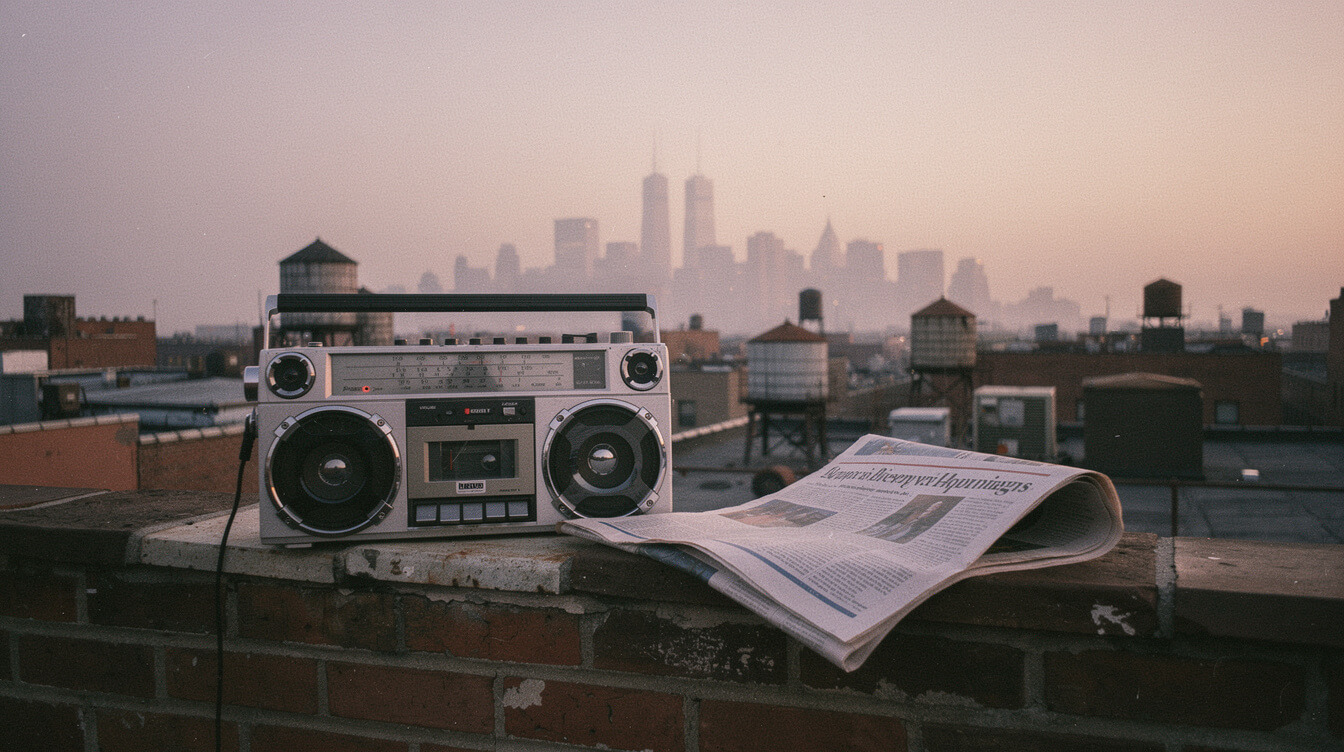
June 23, 1992. The week Don’t Sweat the Technique hit retail, Dr. Dre’s The Chronic was already six months away from rewriting the rules. Death Row was tooling up. Bad Boy hadn’t launched yet but Puff was at Uptown plotting it. East Coast hip-hop was about to fragment into mafioso (Kool G Rap), abstract (Tribe, De La), and the new wave of grimy boom bap (Premier-produced Gang Starr, the just-formed Wu-Tang). Into that thunderstorm walked Eric Barrier and William Griffin Jr. — the duo who’d invented modern lyricism four years earlier — to drop their fourth straight LP in five years.
This wasn’t a comeback record. It wasn’t a reinvention. It was a refinement, and that’s why critics under-read it at the time. Entertainment Weekly gave it a C+ and called it the technique “without the energy.” Spin shrugged at Eric B’s “meat-and-potatoes approach.” Only Christgau and the underground heads — the same heads who later bought every Marley Marl B-side and every Mantronix 12-inch — heard what was actually on the platter: a fourth album from the duo who had nothing left to prove, just things left to perfect.
The album peaked at #22 on the Billboard 200 and #9 on the R&B chart. By 1992 boom-bap standards those numbers were respectable but not era-defining — Public Enemy’s Apocalypse 91 had charted higher the previous fall, and EPMD’s Business Never Personal would peak at #14 just three weeks later. But chart position was never how you measured Rakim. You measured Rakim in how many MCs got influenced. By 1995, every single rapper who mattered — Nas, Mobb Deep, AZ, Big Pun, the entire Wu — had quoted, sampled, or directly emulated something off this record. That’s the truer chart.
Hit Factory Sessions: Eric B’s Jazz-Sample Architecture on Don’t Sweat the Technique
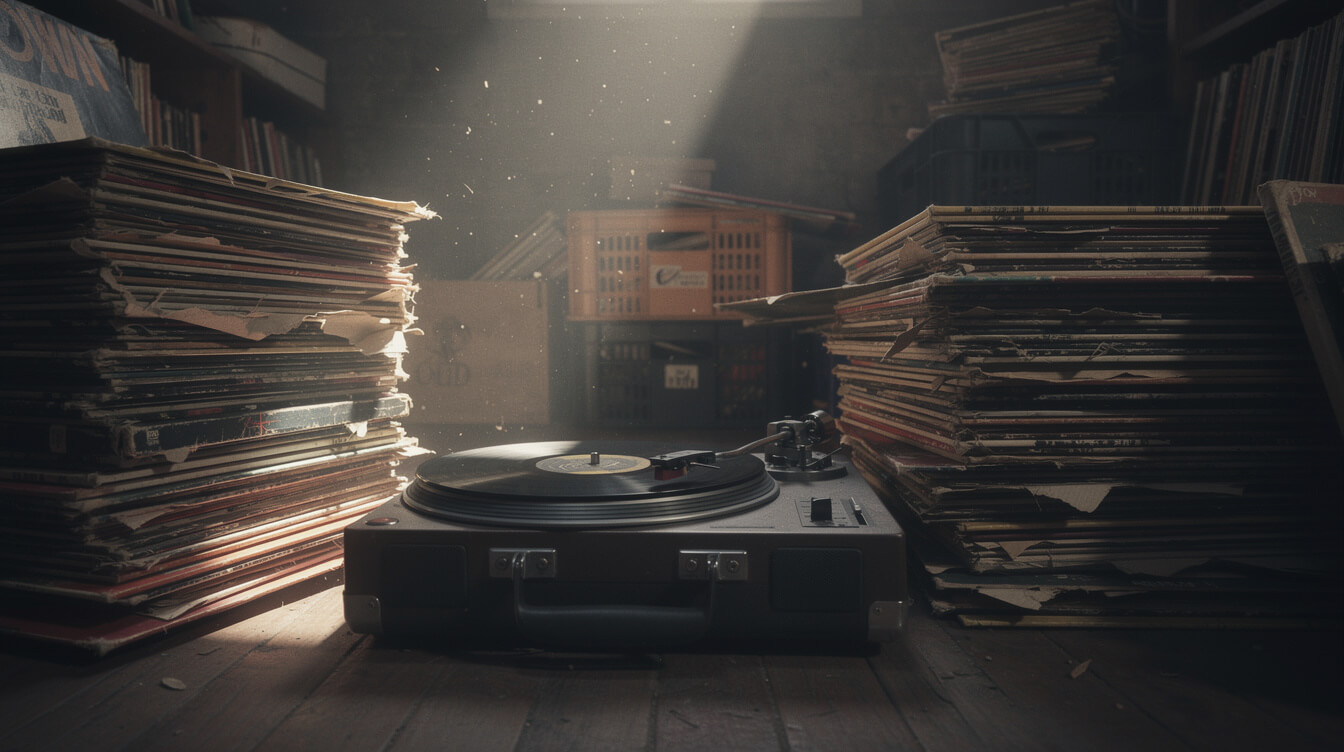
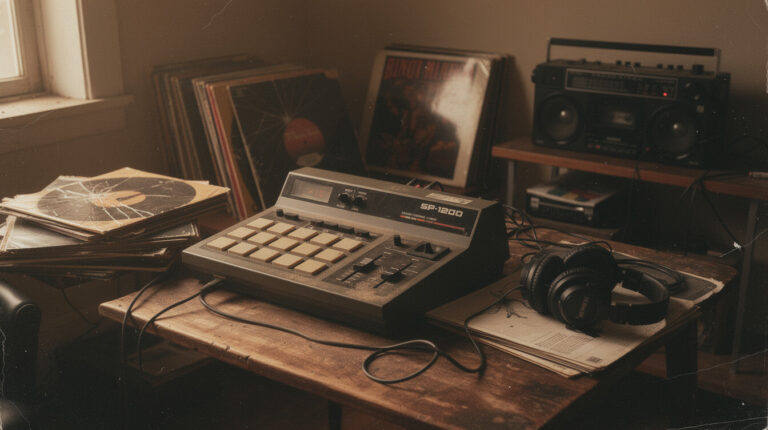
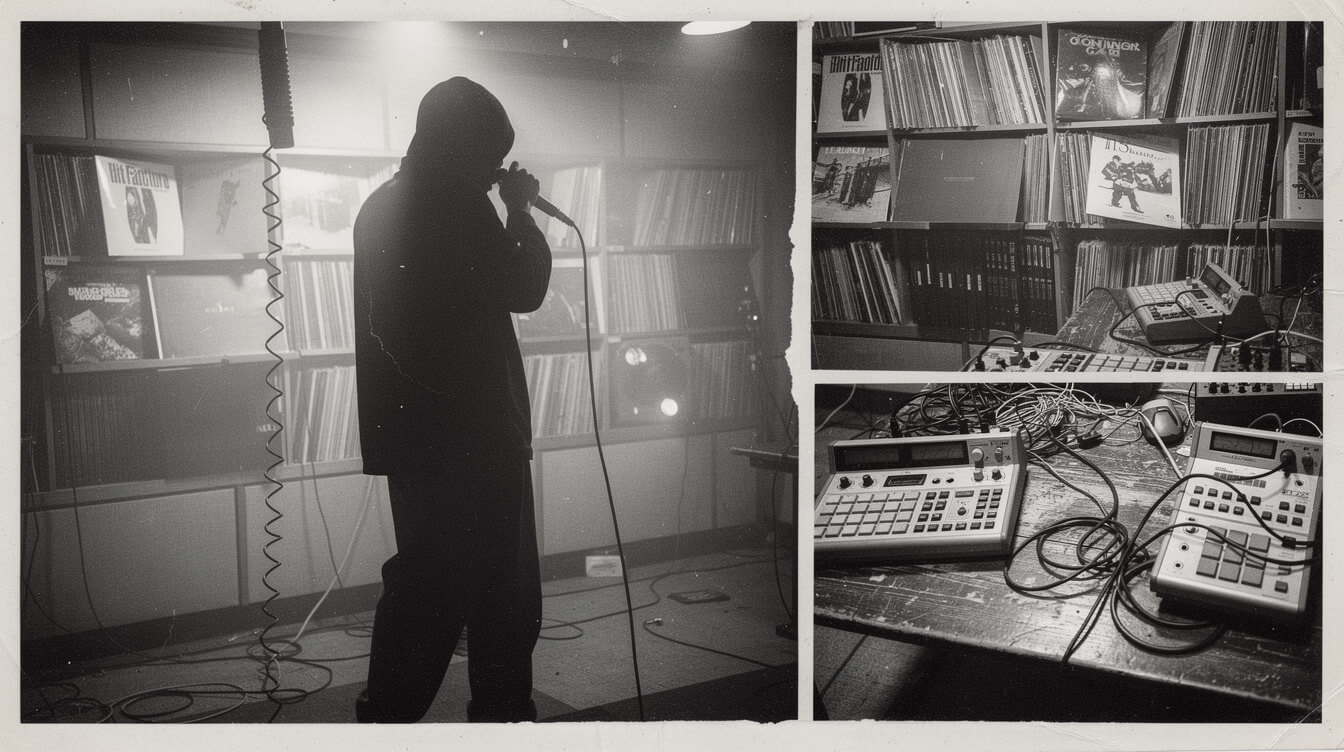
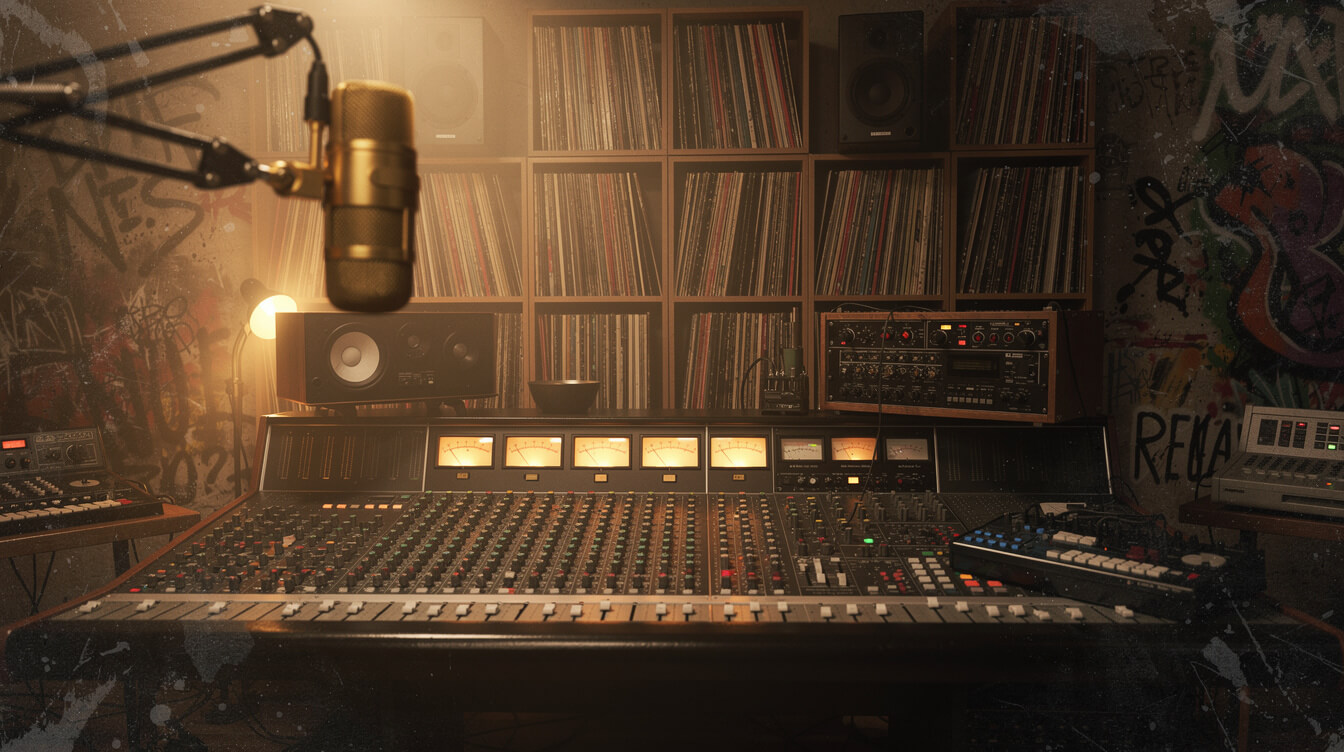
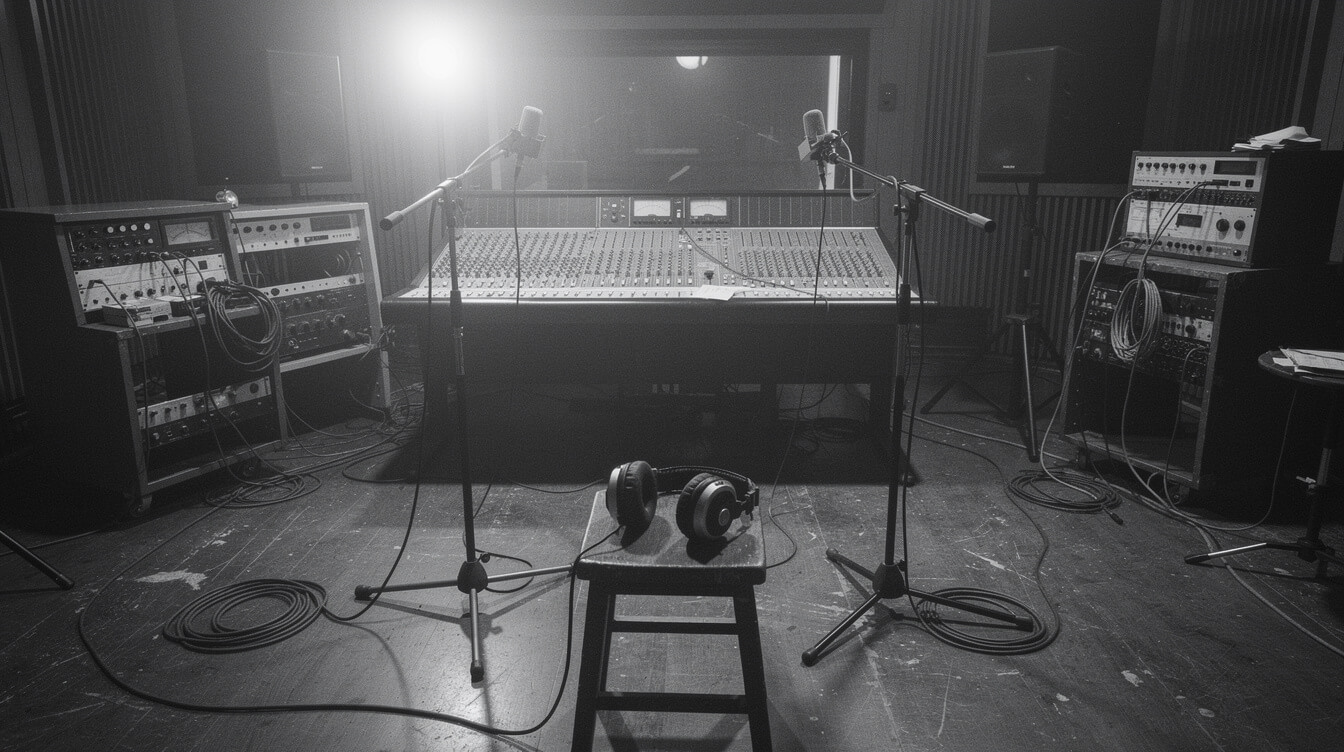
The album was recorded entirely at The Hit Factory on West 54th Street — the same Manhattan room where John Lennon cut Double Fantasy, where Steely Dan tracked Gaucho, and where Michael Jackson would later record large stretches of Bad. By 1992, the Hit Factory had become the studio every East Coast hip-hop act with a major-label budget wanted to be in. That’s where Eric B set up shop, with Large Professor — the LP-era Main Source genius — credited as production coordinator.
Eric B’s sample philosophy on this record was different from everything else on the East Coast that summer. While Premier was chopping single horn stabs into staccato architecture for Gang Starr’s Daily Operation (released the exact same May), and Pete Rock was leaning into the lush keyboards that would define Mecca and the Soul Brother, Eric B went the other direction: he stretched samples out. He let them breathe. He gave them room to ride for full bars, sometimes full eight-bar phrases, without choppy edits. The title track loops a Young-Holt Trio drum break with Eric B’s bassline rolling underneath in long uninterrupted phrases — there’s no flash, just pocket.
That’s the meat-and-potatoes Eric B that Spin mocked. It’s also why DJs still drop “Casualties of War” thirty-three years later without anyone questioning it. The grooves were built to outlast the production trends. While DJ Premier’s chops would get imitated to death by 1995, nobody could really copy Eric B’s negative-space approach — it required the discipline of leaving things alone, which most producers don’t have.
Lyrical Apex: How Rakim Sharpened His Pen for the Last Time
If Paid in Full was Rakim inventing modern internal rhyme and Follow the Leader was Rakim weaponizing it, Don’t Sweat the Technique was Rakim turning the technique into prose. Listen to “Pass the Hand Grenade” or “The Punisher” — the bars are quieter now, less acrobatic. He’s not trying to show you what he can do. He’s already shown you. He’s just talking.
And what he’s talking about matters. “Casualties of War” is the first major hip-hop song to deal directly with PTSD — the narrator is a Black soldier returning from the Gulf War, jumping at sirens, unable to sleep, watching his country bury his service in silence. Rakim was Muslim and the Gulf War was a war against another Muslim nation; the bars don’t just describe trauma, they wrestle with theological complicity. “In every dream I fight to stay alive / Wake up in cold sweat, scream, then I realize / I’m home, no need to fear, the war is over / But the dreams don’t stop, my mind is no soldier.” Nothing on the East Coast in 1992 was that lyrically grown.
“What’s Going On” attacks the crack epidemic, police brutality, and Black-on-Black violence with the same patient observational eye. Rakim is never preaching here — he’s just walking through the neighborhood and naming what he sees. The Christgau A− was for this exact register: “his metaphors exploit the interface between horror movies and the postmodern imagination.” That’s an English-professor read of a hip-hop record, and in 1992 that was rare for any MC outside of KRS-One.
And then there’s “Know the Ledge” — the storytelling apex. Five minutes of first-person narration from inside the head of a neighborhood hustler watching his own ending arrive in slow motion. If you read our deep dive on the 1987 Paid in Full sessions you already know how far Rakim’s pen had traveled. “Know the Ledge” is what happens when that pen turns into a camera.
What makes the lyrical work on Don’t Sweat the Technique still hold up is the restraint. Rakim was operating in 1992 against a peer field that included KRS-One in full philosopher mode, Chuck D in agit-prop mode, and Q-Tip in abstract-poet mode. Rakim could have gone bigger. He could have written a concept record about the LA riots. He could have leaned harder into Five Percent ideology. Instead he kept his focus on character — the soldier in “Casualties,” the hustler in “Know the Ledge,” the everyman observer in “What’s Going On.” Each track is a short film. Each track has a protagonist. Each track resolves on a moral the rapper doesn’t underline, which is the hardest move in lyric writing and the one most MCs blow.
The internal rhyme work was tighter than ever, too, but Rakim was burying it under the conversational flow. On “Rest Assured” the rhyme schemes shift on every quatrain — couplets to triplets to alternating to wraparounds — but the delivery is so dry you can listen to the song six times before you notice. That’s the difference between showing your work and trusting it. By the fourth album, Rakim was trusting it.
The Singles That Hit: Know the Ledge, Casualties of War, and the Title Track
MCA pushed four singles across thirteen months. Each one hit a different lane.
“What’s on Your Mind” dropped first — actually before the album, back in 1991, on the House Party 2 soundtrack. It’s the lightest cut on the record, an obvious play for radio R&B crossover. It hit #34 on Billboard’s R&B chart and #20 on Hot Rap. Solid but not era-defining.
“Know the Ledge” got special treatment. Originally cut as “Juice (Know the Ledge)” for the 1992 Tupac film Juice, then re-titled for the album, it became the second single in February 1992. It hit #96 on the Hot 100 — middling — but it carried in clubs and on Yo! MTV Raps the whole year. Anyone who saw Juice in theaters that January never forgot the GZA-shadowed opening shot of Bishop walking through the projects with that Rakim beat under his footsteps.
The title track — third single, dropped June 27, four days after the album — was the one that actually ran the table. #1 on Billboard’s Hot Rap Songs chart, #14 on R&B/Hip-Hop, sampled on a hundred tracks since. The beat (built on a Young-Holt Trio loop) and Rakim’s “I’m not a regular competitor, first rhyme editor, melody arranger, poet, etc. extra” opening became the most-quoted four bars Rakim ever wrote outside of “Microphone Fiend.” If you want to wear that lineage, our Rakim “God Emcee” Tribute Tee is the limited-edition Bella+Canvas 3000 piece our team designed for the heads who actually know what those opening bars mean.
“Casualties of War” came last, in the fall of 1992. It peaked at #11 on Hot Rap — the lowest of the four — but in critical recap pieces, it’s the one that always gets cited. Twenty-five years later The Roots’ Black Thought said in interviews that “Casualties” was the song that taught him you could put PTSD in a rap verse and still ride the pocket. That’s a debt the genre is still paying.
The Breakup That Followed: Why Don’t Sweat the Technique Was Goodbye
Here’s the story most of the album reviews missed: by the time Don’t Sweat the Technique hit retail, the partnership was already cooked. MCA had signed Eric B and Rakim to a five-album deal in 1990 after they left 4th & B’way. This was album number four. Both sides knew there was one more LP owed. Neither side wanted to make it.
The contract dispute that followed got ugly. Rakim wanted a solo deal. MCA said he couldn’t have one until the fifth Eric B & Rakim album was delivered. Eric B wanted his own producer credit money. The whole thing sat in legal purgatory until 1996, when Rakim finally got free and signed to Universal for The 18th Letter. By the time he was solo, the entire landscape had changed — Biggie had dropped, Jay-Z had dropped, the Wu-Tang had reset what East Coast meant, and the language Rakim had invented was now in everybody’s mouth. For the full receipts on how the duo’s split played out behind the scenes, our long read on what happened to Eric B and Rakim walks the whole timeline. The summary: Don’t Sweat the Technique was already a goodbye, and you can hear it in the spacing on the record. The grooves are slower. The hooks are sparser. There’s a melancholy under “Rest Assured” and “Kick Along” that doesn’t sound like a duo planning a fifth album. It sounds like a duo finishing the sentence.

Wear the Whole Eric B & Rakim Run
The Paid in Full Hoodie is the original-artwork piece — the cover that opened the catalog that ended with Don’t Sweat the Technique. Heavy cotton blend, screen-printed graphic, built to last as long as the music.
Frequently Asked Questions About Eric B & Rakim Don’t Sweat the Technique
When did Eric B & Rakim release Don’t Sweat the Technique?
June 23, 1992, on MCA Records. It was the duo’s fourth and final studio album — and their second on MCA after 1990’s Let the Rhythm Hit ‘Em. The album was recorded entirely at The Hit Factory in Manhattan.
Why is Don’t Sweat the Technique considered their last album?
By the time the record dropped, the relationship between Eric B and Rakim had deteriorated past the point of repair. Both wanted out of the joint contract. The owed fifth MCA album never got recorded, and the legal dispute over the contract kept Rakim from going solo until 1996, when The 18th Letter finally arrived. Our read on Rakim’s 1997 comeback picks up the story.
What is the title track about?
“Don’t Sweat the Technique” is Rakim’s manifesto cut — a four-minute defense of his approach to MCing. The opening bars (“I’m not a regular competitor, first rhyme editor“) became the most-quoted lines on the record. The Young-Holt Trio sample underneath is one of Eric B’s cleanest pocket loops.
Was Casualties of War the first hip-hop song about PTSD?
It’s the first one to use the term and walk through the symptoms — flashbacks, hypervigilance, sleep disturbance — in clinical detail. Public Enemy had touched military trauma in passing on earlier records, but “Casualties of War” was the first full song to make it the subject. Black Thought of The Roots has credited it as a direct influence on his own protest writing.
What samples did Eric B use on the album?
Eric B leaned heavily on jazz and soul records from the 1970s — the Young-Holt Trio (title track), James Brown horn stabs throughout, soul-jazz keyboard loops on “Pass the Hand Grenade” and “The Punisher.” He stretched the loops longer than most of his East Coast peers were doing in 1992, which is part of why the record still sounds patient rather than chopped.
What movie was “Know the Ledge” in?
The 1992 Tupac and Omar Epps film Juice. The track was originally credited as “Juice (Know the Ledge)” on the soundtrack before being re-titled for the album. The song plays during the film’s iconic Bishop introduction sequence.
Where does Don’t Sweat the Technique rank in Eric B & Rakim’s catalog?
Most heads put it third — behind Paid in Full (1987) and Follow the Leader (1988), and ahead of Let the Rhythm Hit ‘Em (1990). The case for ranking it second is real, though. The lyrical content is the most mature of the four, the production is the most patient, and the album functions as a complete artistic statement in a way that Let the Rhythm Hit ‘Em doesn’t. Our deep dive on Follow the Leader makes the case for that 1988 record being the duo’s pinnacle — pick a side.
Final Thoughts: The Album That Should Have Been Bigger

Don’t Sweat the Technique got reviewed against the noise of 1992 — Dre coming, Wu about to land, the Native Tongues at their peak, Public Enemy doubling down on the politics. In that company it sounded conservative. In 2026 it sounds like exactly what it was: two of the greatest practitioners in the form’s history saying everything they had left to say, then walking away clean. There’s no fifth album fans wish existed. The trilogy of Paid in Full, Follow the Leader, and Don’t Sweat the Technique is the catalog, with Let the Rhythm Hit ‘Em as the interstitial. That’s a closed-system catalog the way Wu’s first three solos or Tribe’s first three LPs are closed systems — finite, perfect, complete.
If you’ve been sleeping on this one, run it back in order today: Hit Factory mix, Rakim’s pen at full power, Eric B leaving the loops alone, the genre about to transform. The album that closed the golden age is the album worth closing the playlist with.
— The Custom Creative Team
Get the Culture Drop in Your Inbox
Album deep dives, artist retrospectives, first-look product drops. Hip-hop history with receipts. No spam, no filler — just the culture, delivered weekly.

🎧 Never Miss a Drop
Exclusive product releases, hip-hop deep dives, and member-only discounts. Straight to your inbox.
Free forever. No spam. Unsubscribe anytime.

Get the Culture, Delivered
Deep dives into hip-hop history, exclusive product drops, and discounts sent straight to your inbox. No spam, just culture.
Join 2,000+ hip-hop heads already in the loop. Unsubscribe anytime.