Westside Gunn Merch: Where FLYGOD’s Griselda Aesthetic Actually Comes From
Westside Gunn merch doesn’t drop like a rapper’s tour tee. It drops like a runway show nobody invited you to, and you find out about it three days late in a group chat, already sold out. That’s not an accident. That’s the point.
Search “westside gunn merch” and Google hands you a product grid with zero context — an unofficial-looking storefront selling generic tees, a wall of eBay resale listings, and a Reddit thread full of Griselda heads asking the same question over and over: where do you even cop this legit? Nobody’s explaining why the pieces look the way they look, why they’re priced like a boutique instead of a merch table, or why FLYGOD treats a hoodie drop with the same rollout energy as a gallery opening. That’s the gap. Here’s the receipt-backed version.
FLYGOD Is an Art Director, Not a Merchandiser
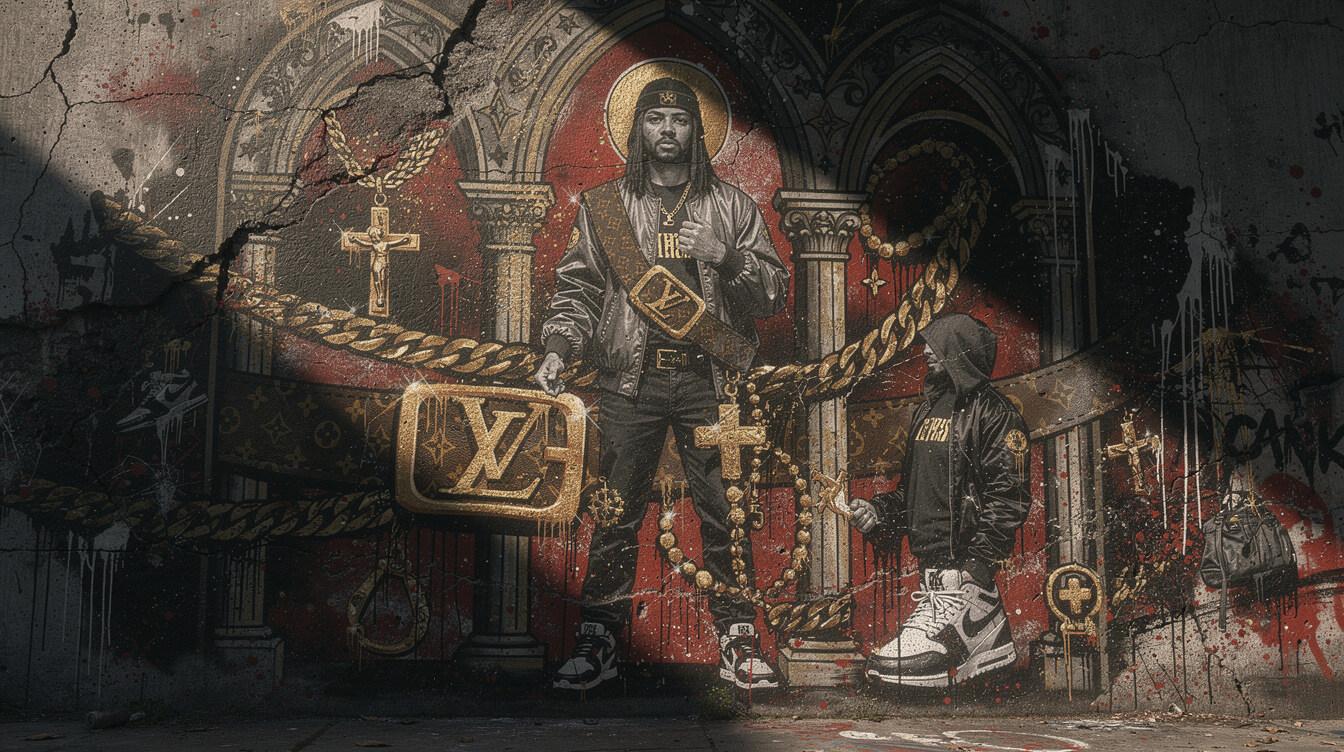
Before “FLYGOD” was an ad-lib, it was a persona built on curation. Westside Gunn has been open for years about running his own gallery outlet under the Fashion Rebels and Dr. Bird names — hosting art shows, flipping vintage furniture and clothing, and treating Buffalo’s underground the same way a downtown curator treats a SoHo pop-up. That instinct is the actual engine behind Griselda merch. Gunn doesn’t approach a hoodie as tour swag; he approaches it as a limited edition, the same mindset he brings to a mixtape cover shot on 35mm or a Hitler Wears Hermès tape sleeve styled like a European fashion editorial.
That distinction matters because it explains everything downstream — the pricing, the scarcity, the photography. Most rap merch treats clothing as a revenue add-on to the music. Griselda merch under Gunn’s direction treats the music as the soundtrack to a broader aesthetic project, one where the clothing is just another canvas. He’s talked openly in interviews about wanting his catalog — records, cover art, tour posters, and apparel alike — to feel like a single curated body of work rather than separate revenue streams bolted together after the fact.
This is also why the merch doesn’t read as an afterthought tacked onto an album cycle. Where a lot of artists drop a tour shirt because the label calendar says “merch window,” Gunn treats a capsule the way a gallery treats a show: there’s a theme, a visual thesis, and a limited window before it’s gone. You’re not buying a souvenir. You’re buying into a curated moment that won’t be repeated the same way twice.
The Griselda Visual Language: Religious Iconography Meets Luxury Branding
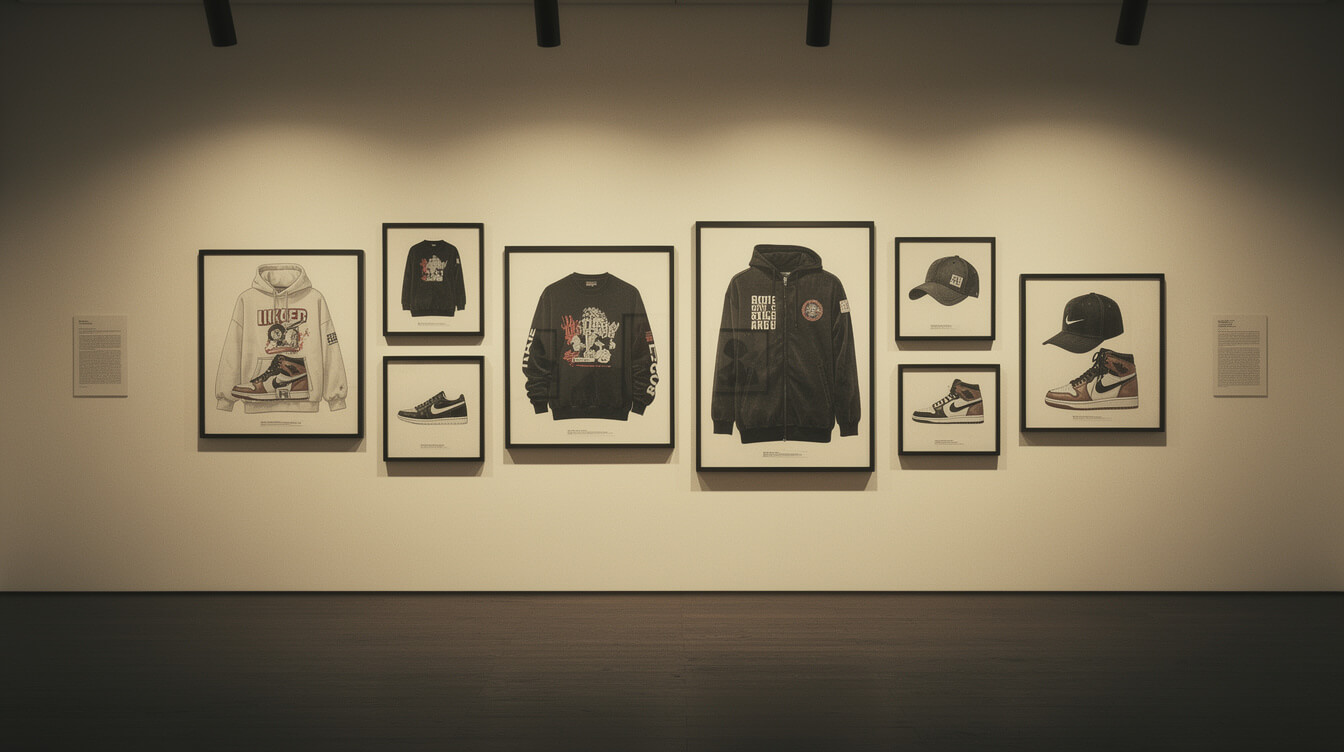
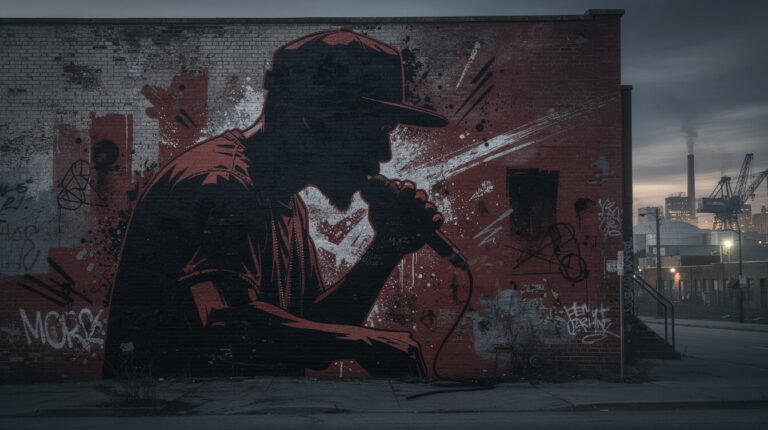
Look at any run of Griselda-orbit merch — Gunn’s own line, Conway the Machine’s pieces, Roc Marciano’s drops — and you’ll see the same visual DNA repeating: gothic type, crosses and rosary imagery, a muted, almost funerary color palette (black, cream, blood red, gold foil), and layouts that borrow more from a luxury fashion house’s lookbook than a rap label’s webstore. It’s drug-rap-as-couture — the same alchemy that turned raw coke-rap bars into gallery-ready visuals, applied to fabric instead of a verse.
That religious-meets-street iconography isn’t incidental. It’s the same tension that runs through the music itself — the sacred and the grimy sitting on top of each other without apology. A rosary print next to a brick-weight reference. A stained-glass motif on a hoodie built around a line about a trap house. The clothing doesn’t clean up the story; it dresses it up, which is a very different move.
There’s a lineage here worth naming: mafioso rap has always borrowed Catholic imagery — the guilt, the ritual, the gold — to dramatize its own moral contradictions. Griselda’s merch just makes that borrowing literal and wearable. A crucifix on a hoodie isn’t decoration; it’s the same visual shorthand the music’s been running since the crew’s earliest tapes, just moved from a lyric sheet to a garment tag.
Why This Reads as “High Fashion” Instead of “Merch”
Part of it is photography. Griselda drops get shot like editorial spreads — moody lighting, styled sets, models who look like they walked off a runway rather than off a block. Part of it is restraint: limited colorways, minimal branding, no giant logo screaming for attention. That’s a luxury-house playbook, not a merch-table playbook, and it’s exactly why resale prices on early Griselda pieces climb the way sneaker resale does.
Compare that to a typical rap merch drop — a bold wordmark stamped across the chest, primary colors, a print run big enough that nobody’s chasing it a year later. Griselda flips every one of those defaults. Smaller type. Quieter color story. Print runs tight enough that missing the window actually means missing it. That’s the exact formula streetwear houses use to manufacture desirability, and it works on hip-hop merch just as well as it works on a hoodie with a box logo.
Scarcity as Strategy: Why “Where to Buy” Is a Real, Recurring Question
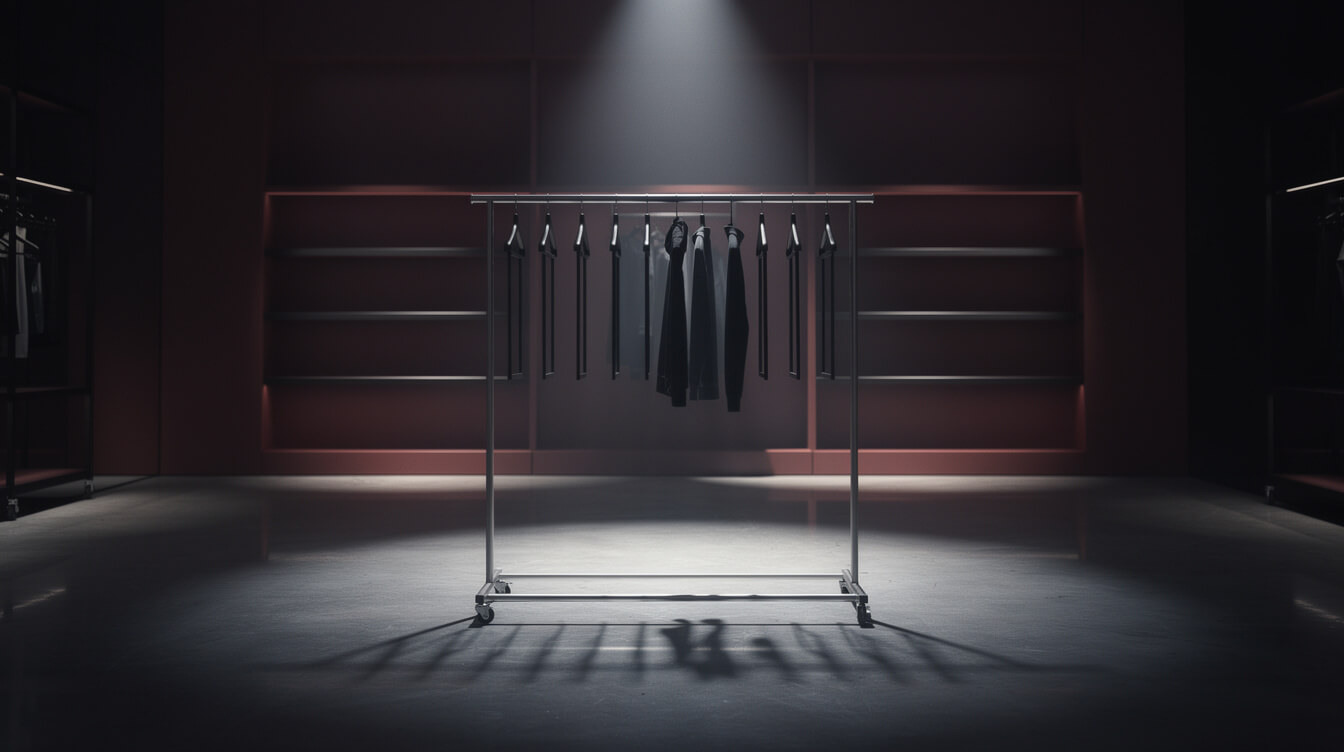
That Reddit thread asking where to legitimately buy Westside Gunn merch isn’t a fluke — it’s the intended outcome. Small-batch runs, quiet announcement windows, and short sale periods are the same scarcity mechanics streetwear labels like Supreme built an entire business on, and Gunn has been transparent in interviews about studying that world closely, treating his own drops with the same “if you know, you know” energy.
The confusion in the market is a feature. A piece that’s hard to find and doesn’t restock reads as more valuable than a piece sitting on a shelf for a year. It also protects the art-direction angle — when a drop is capped low, every piece can get the same level of attention in photography and packaging that a mass tour-merch run never could. Scarcity and craft reinforce each other here.
It also creates the exact vacuum that unofficial storefronts and resale listings fill. When the legitimate cop window is short and poorly advertised outside of Gunn’s own social channels, opportunistic sellers step in with lookalike product and inflated eBay listings — which is precisely why a first-page Google search for “westside gunn merch” surfaces more confusion than clarity. The demand outran the infrastructure a long time ago, and nobody’s built the resource that actually explains what’s official versus what’s not.
The Cost of Being Late
Because drops move fast and rarely restock, the community has effectively turned “catching the window” into its own skill — following the right accounts, checking at the right hour, knowing which announcement channels actually get used. That’s not an accident of poor marketing; it’s the same velocity-driven hype loop that keeps sneaker release culture perpetually anxious, just running on a smaller, more devoted rap-adjacent audience.
It also changes how the fanbase talks about the merch itself. Instead of “I bought the hoodie,” the conversation becomes “I caught the drop” — language borrowed straight from sneaker culture, where the act of successfully copping something scarce carries its own social currency separate from just owning the item. That shift in language is a pretty reliable tell that a merch line has crossed over from “band tee” territory into genuine collector-culture territory.
Standout Pieces: Hoodies, Runway-Style Tees, and Collab Capsules
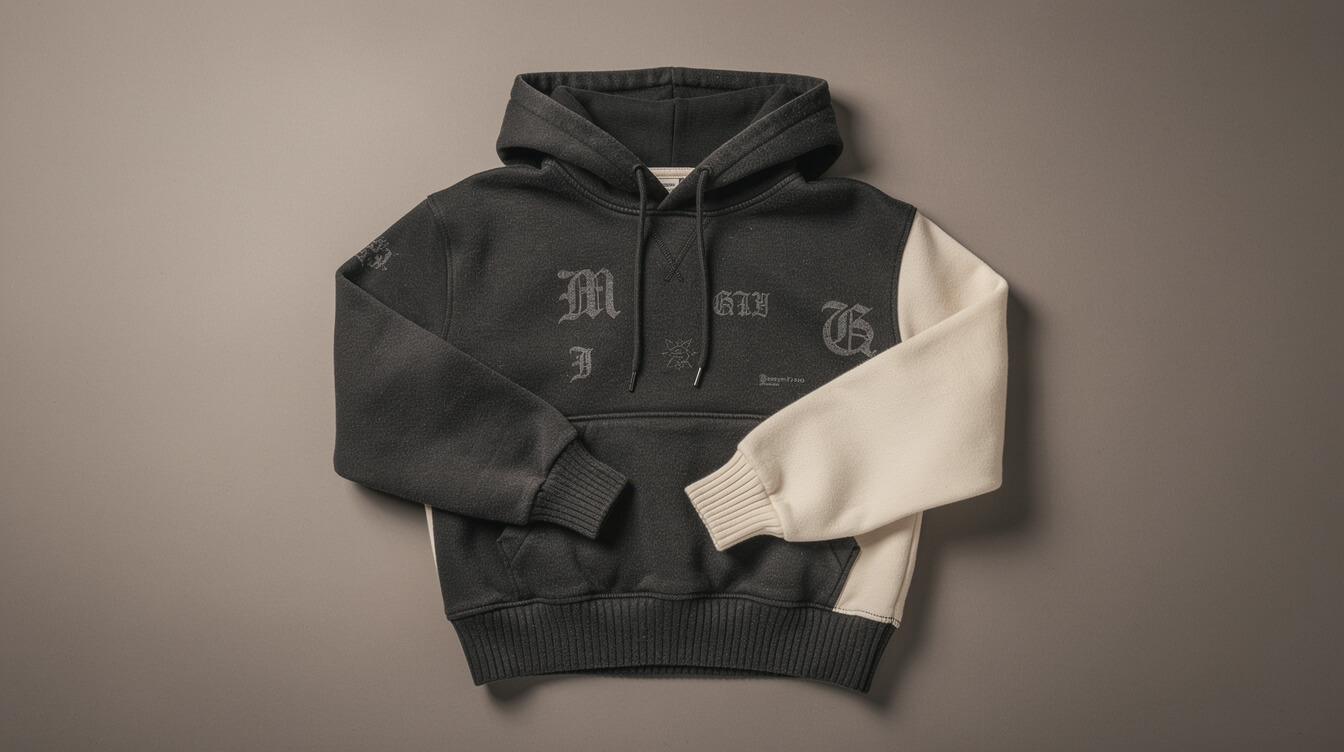
The strongest Griselda-orbit pieces share a few traits worth calling out if you’re trying to actually evaluate a drop instead of just cop whatever’s trending:
- Heavyweight hoodies over lightweight tees — the catalog leans into fabric weight the same way a streetwear label does, because a hoodie holds a print and a silhouette better than a thin cotton tee.
- Album-specific capsules over generic logo runs — pieces tied directly to a project (think the visual language pulled straight from a tape’s artwork) outperform anything with just a wordmark slapped on.
- Collaborative capsules with sneaker and streetwear partners — Gunn’s relationships across the sneaker and fashion world (he’s been publicly close with figures across the Nike and broader streetwear design community) have opened doors to collab-style capsules that read as legitimate crossover pieces, not licensing cash grabs.
- Muted, editorial colorways — black, off-white, and deep maroon dominate over primary colors, keeping the line visually cohesive across drops.
- Packaging as part of the product — even the unboxing experience on limited Griselda-orbit drops tends to mirror boutique fashion releases rather than a standard merch-fulfillment box.
None of that happens by accident, and none of it is cheap to produce at scale, which is a big part of why these drops stay small. You can’t run 50,000 units of a heavyweight, editorial-shot, boutique-packaged capsule and keep the margins — or the mystique — intact.
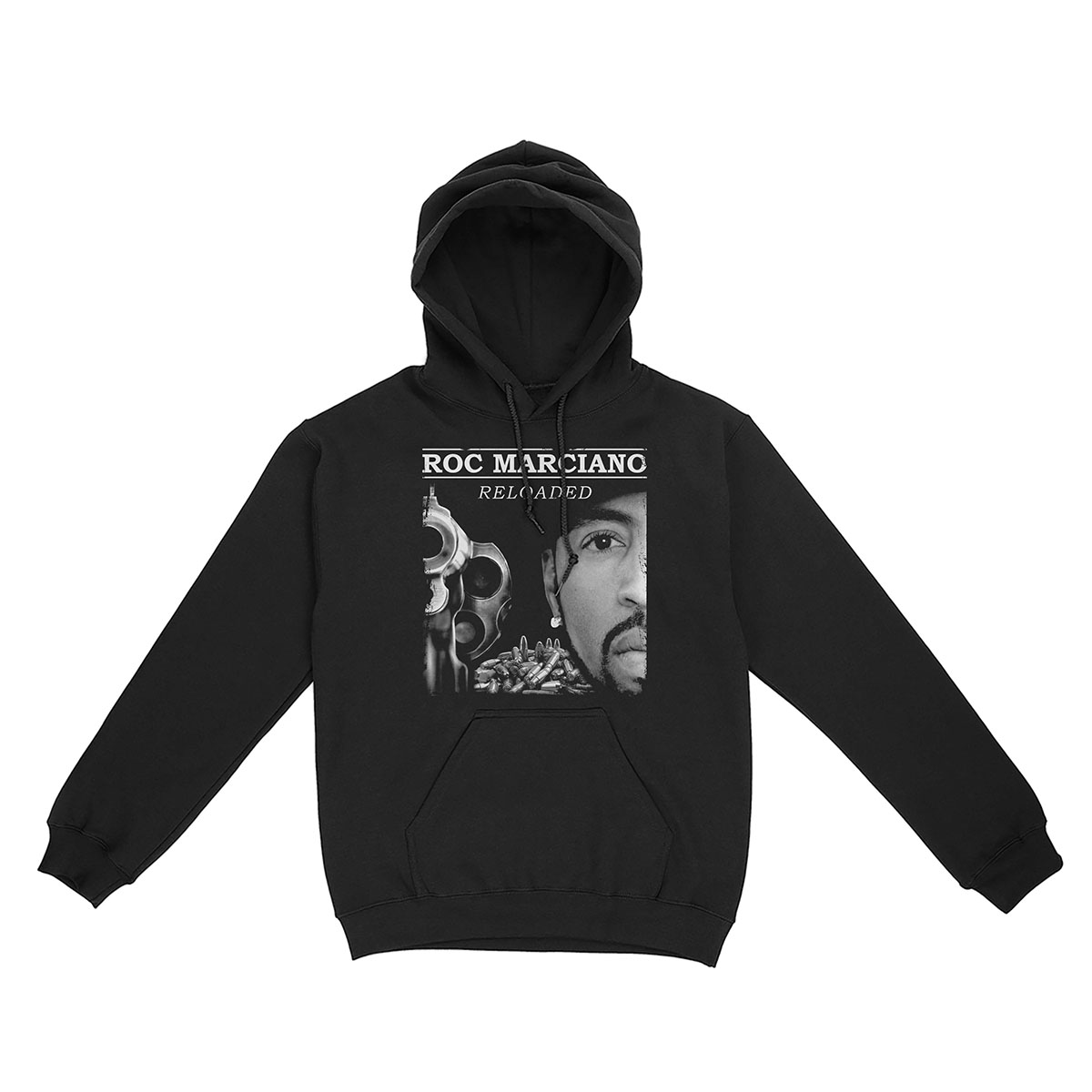
If you’re building a rotation around this aesthetic without chasing every Griselda-specific drop, our Roc Marciano – Reloaded Hoodie sits in that same underground-luxury lane — heavyweight construction, muted palette, built for the same crowd that respects the art-direction-first approach over a logo dump.
The Griselda Family Tree: How This Aesthetic Shaped Conway, Benny, and Roc Marciano’s Own Merch
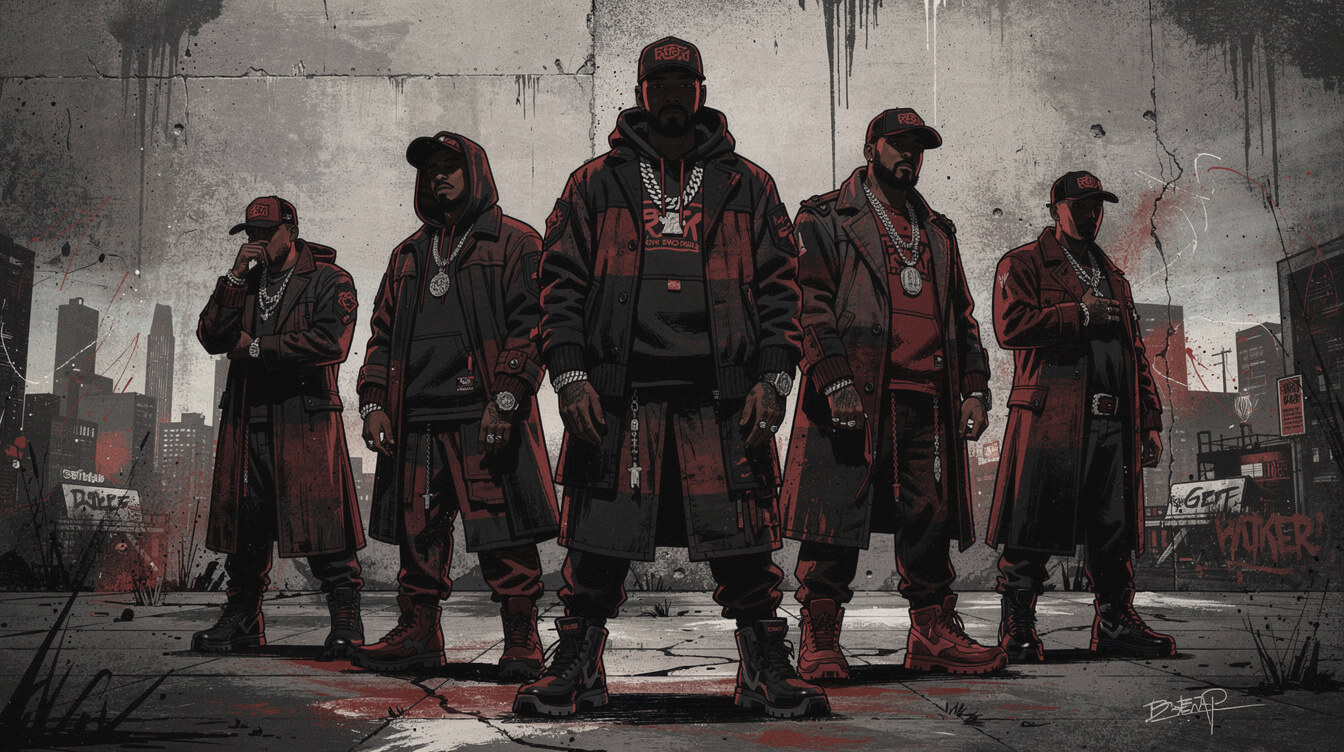
Gunn didn’t just build his own lane — he set the house style for everyone orbiting Griselda Records. Conway the Machine’s solo merch carries the same restrained, gothic-luxury sensibility. Benny the Butcher’s pieces lean into similar heavyweight construction and muted palettes. And Roc Marciano — the guy whose stripped-down, no-hook production style basically willed the entire Griselda sound into existence years before the label had a name — has run his own capsule drops with that same underground-couture logic: small runs, strong typography, zero pandering.
That consistency isn’t a coincidence; it’s a shared aesthetic philosophy that spread through the crew the same way a producer’s sound spreads through a label’s catalog. Once one artist proves scarcity and art-direction sell better than a loud logo tee, the rest of the roster follows the blueprint. It’s the same top-down influence you see in production credits across Griselda’s discography — one artist’s approach becomes the house standard, and everyone downstream inherits it whether they set out to copy it or just absorbed it by proximity.
That’s also part of why the broader Griselda merch ecosystem functions almost like a shared visual universe rather than four separate artist stores. A fan who collects Gunn pieces and a fan who collects Conway pieces are chasing the same aesthetic thread, just through different artists’ individual drops — which is exactly why the confusion around “official” versus “unofficial” gets worse the deeper you go into the extended Griselda-orbit roster, not better.
For the full lineage of how this label rebuilt an entire regional sound from Buffalo outward, our Griselda Records deep dive breaks down the whole story.
Where This Fits Hip-Hop’s Underground-to-High-Fashion Pipeline
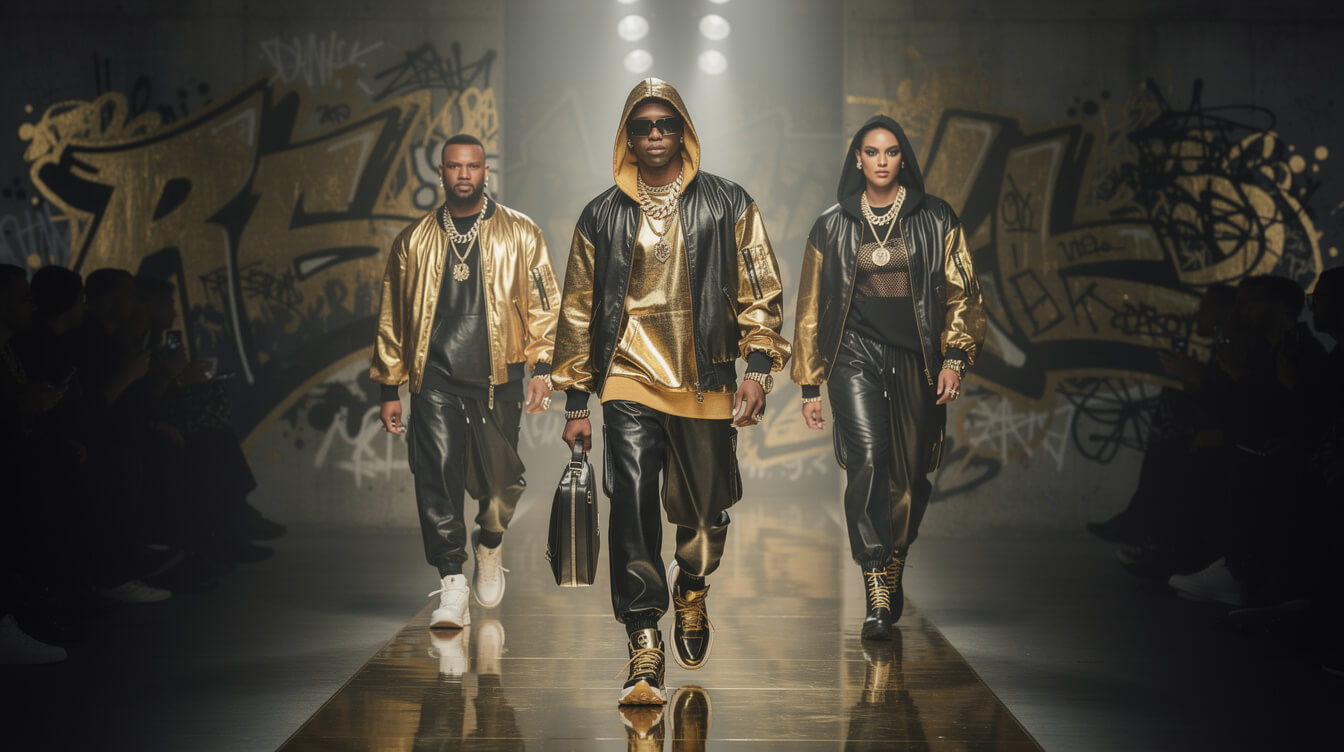
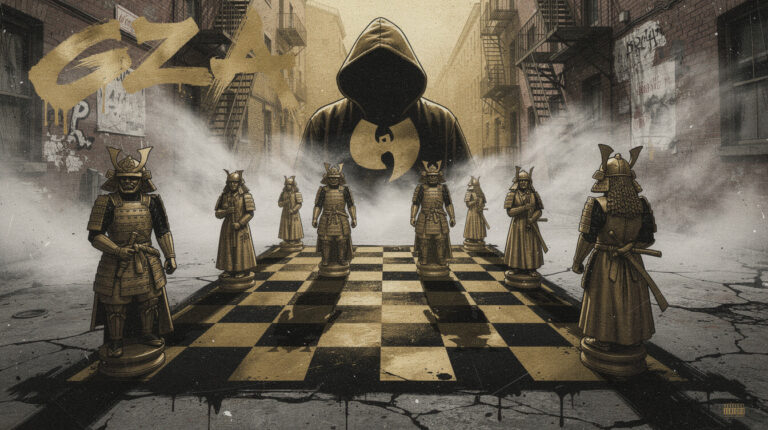
Hip-hop merch treating clothing as art rather than a revenue afterthought isn’t brand new — Wu-Tang did it with kung-fu iconography decades before “brand extension” was a phrase anyone used in rap, building a visual identity so strong it outlived the group’s commercial peak. What Gunn’s done is apply that same instinct to the post-streetwear era, where scarcity drops, editorial photography, and gallery-adjacent presentation are the actual currency, not just a logo on a chest. It puts Griselda merch in conversation with labels that came up through skate and streetwear culture rather than traditional rap merch tables — closer to a small fashion house than a tour booth.
That’s also why the Reddit confusion matters as a signal, not just a nuisance. When fans are actively hunting for a legitimate cop point instead of just buying whatever’s on the artist’s official site, it means the demand has outpaced the awareness — exactly the gap that gets filled by pieces built with the same underground-luxury DNA, whether or not they’re the exact official drop.
This is the same pipeline that’s pulled hip-hop aesthetics into actual runway and gallery spaces over the last two decades — rappers sitting front row at fashion week, streetwear founders crediting rap album art as direct influence, museum retrospectives treating classic hip-hop merch as design history rather than novelty. Gunn’s approach doesn’t just borrow from that pipeline; it’s a genuinely new entry into it, built from the ground up by someone who was curating art shows before he was headlining them.
It’s also worth noting how rare it is for that crossover to happen organically instead of top-down. A lot of hip-hop’s high-fashion moments came from luxury houses reaching down to co-sign an artist for credibility — a collaboration, a runway cameo, a campaign face. Griselda’s merch pipeline runs the opposite direction: an artist built the visual language himself, on his own terms, out of a regional underground scene, and the fashion-world respect followed the work instead of the other way around. That’s a harder story to tell in a product listing, which is exactly why almost nobody online is telling it.
Frequently Asked Questions
What makes Westside Gunn’s merch different from typical rap merch?
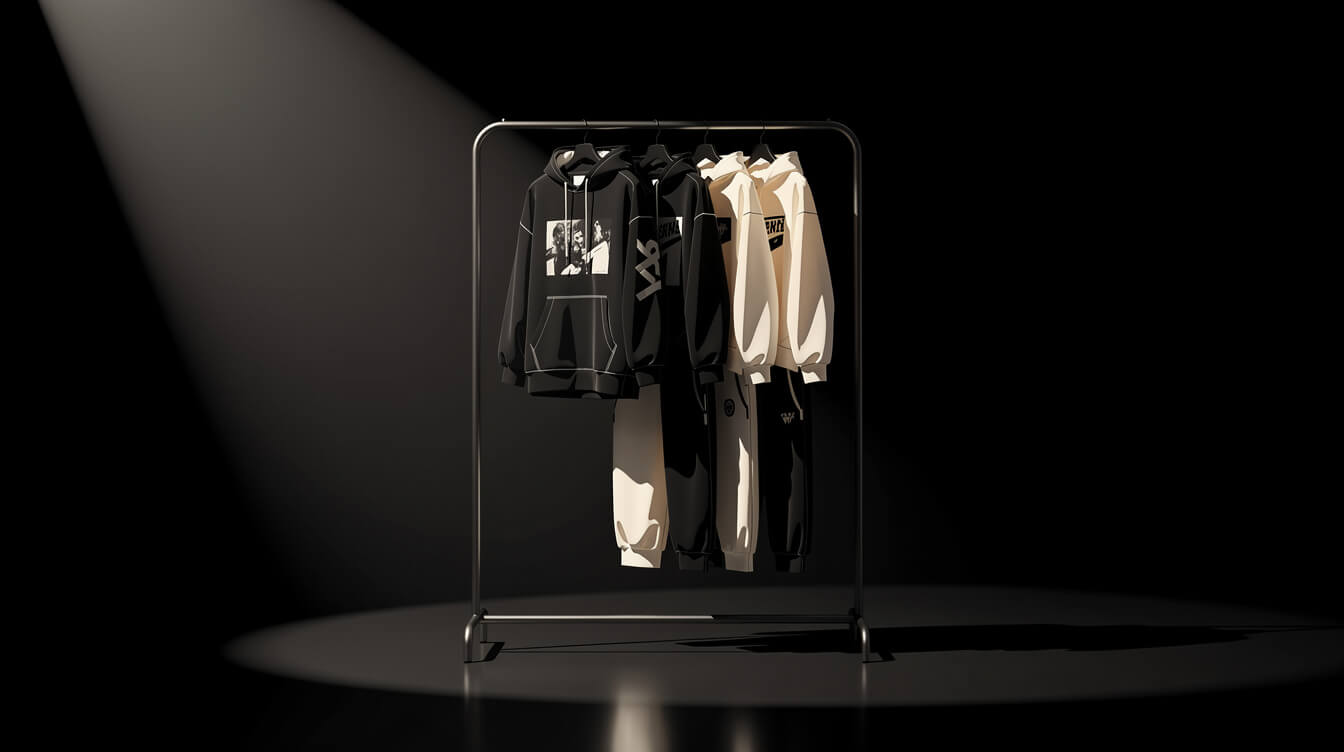
It’s treated as art direction, not a revenue add-on — limited runs, editorial photography, muted luxury-leaning palettes, and religious/gothic iconography instead of a straightforward logo run. The whole catalog reads as one curated body of work rather than a series of unrelated tour-cycle products.
Why is legitimate Westside Gunn merch hard to find?
Small-batch scarcity is deliberate — short sale windows and low print runs, the same playbook streetwear labels like Supreme built hype around, keep pieces feeling collectible rather than mass-produced. That scarcity is also exactly why unofficial storefronts and resale listings crowd the search results.
Do other Griselda artists share this merch aesthetic?
Yes — Conway the Machine, Benny the Butcher, and Roc Marciano all carry variations of the same gothic-luxury, muted-palette house style Gunn established for the label’s orbit, functioning almost like a shared visual universe across the extended roster.
What should I look for if I want this aesthetic without chasing every official drop?
Heavyweight construction, muted or monochrome colorways, and album-specific artwork over generic branding — the same traits that define the strongest Griselda-orbit pieces, whether they come from Gunn himself or the artists his aesthetic influenced.
Final Thoughts
Westside Gunn didn’t stumble into merch that reads like couture — he built it that way on purpose, running his clothing drops through the same curator instincts he’s applied to galleries, mixtape art, and his own persona for years. That’s the actual story behind the hype, and it’s a story most of the SERP isn’t telling. Next time a Griselda-adjacent drop goes up and sells out before you screenshot it, you’ll know exactly why it was built to move that way — scarcity, restraint, and a real point of view, not just a logo somebody threw on a blank tee.
Same Underground-Luxury Lane
Heavyweight construction, muted palette, zero logo-dump energy — the Roc Marciano Reloaded Hoodie sits right in the Griselda-orbit aesthetic this whole piece is about.
Culture First, Drops Second
Get the deep-dive stories and first word on new CC drops, straight to your inbox — no fluff, just the culture.

🎧 Never Miss a Drop
Exclusive product releases, hip-hop deep dives, and member-only discounts. Straight to your inbox.
Free forever. No spam. Unsubscribe anytime.
Get the Culture, Delivered
Deep dives into hip-hop history, exclusive product drops, and discounts sent straight to your inbox. No spam, just culture.
Join 2,000+ hip-hop heads already in the loop. Unsubscribe anytime.