Freddie Gibbs Songs: The Complete Catalog Guide From Gary Grind to Alfredo 2
Freddie Gibbs songs don’t reward casual listening. They reward rewinding. Across two decades — from self-financed Gary, Indiana mixtapes nobody outside the Region was supposed to hear, to a 2025 Alchemist sequel that debuted at #1 on the Indie chart — Gibbs built one of rap’s most quietly complete catalogs by refusing to make the same record twice. This is the guide to how he did it: solo grind, Madlib chemistry, Alchemist partnership, and the deep cuts that separate the heads from the algorithm listeners.
What makes Gibbs’s discography worth mapping isn’t just volume — it’s range married to consistency. He’s rapped gutter street narrative over minimalist boom-bap, jazz-loop introspection over Madlib’s crate-dug samples, and cinematic crime-noir over Alchemist’s most expensive-sounding loops, and the bar quality never dips. Below, section by section, is the real shape of the catalog.
The Gary, Indiana Grind: The Mixtape Years (2003–2011)
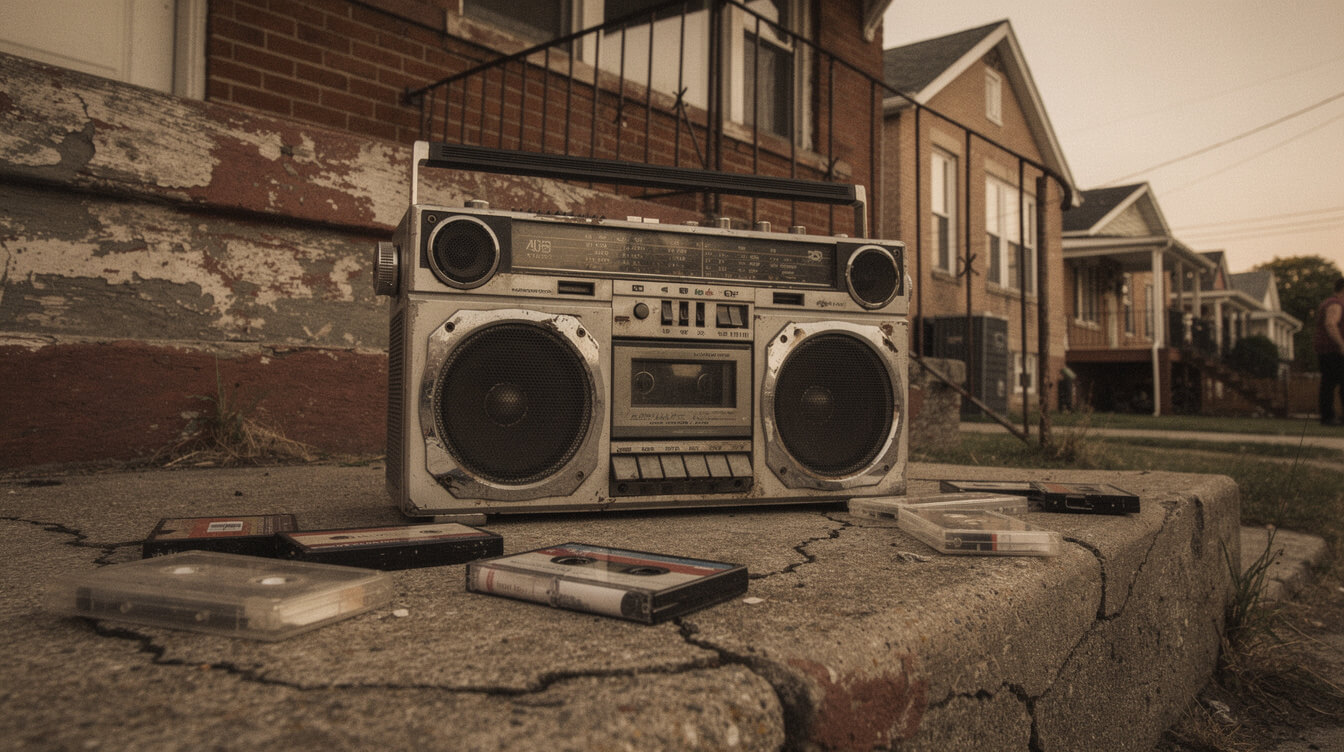
Before there was a Freddie Gibbs album to review, there was a decade of self-released tape grind that most fans have never touched. Starting with Full Metal Jackit Vol. 1 in 2003, Gibbs put out tape after tape on his own No Tamin’ imprint — This Is My Hustle, the two Big Bizness volumes, Live from Gary Indiana — building a Region-specific street-rap identity years before anyone in the industry was paying attention. This is the same stretch where Interscope briefly signed and then dropped him in 2006, a rejection that became a career-defining chip on his shoulder rather than a career-ending setback.
The turning point was The Miseducation of Freddie Gibbs (2009) and Str8 Killa No Filla (2010) — the tapes where the “gangsta gangsta” label critics reached for started to look lazy. Gibbs was writing character-driven street narrative with a technical density closer to a Nas or Scarface than the trap-adjacent sound dominating 2010 radio. Cold Day in Hell (2011) tightened the formula further, and Baby Face Killa (2012), his DJ Drama-hosted Gangster Grillz tape, is the moment the industry finally caught up — it’s the release that got him into rooms with CTE World and Young Jeezy’s camp.
If you’re building a Freddie Gibbs starter pack from this era, start with “National Anthem (Fuck the World)” and “The Real” from Str8 Killa No Filla — both still hold up as some of the most purely technical street-rap writing of the early 2010s.
Context matters here: Gary, Indiana isn’t Chicago, and Gibbs has never let anyone flatten the two together. The city’s steel-mill collapse in the ’80s and ’90s left it one of the hardest-hit post-industrial towns in the Midwest, and that specific, unglamorous decay is baked into every bar from this stretch of his catalog — there’s no G-Funk gloss or trap-hi-hat sheen, just block-by-block reportage from a place most rap fans had never heard mentioned on a record before him. That regional specificity is also why the “gangsta rapper” tag always undersold him — critics reaching for a lazy Southern or West Coast comparison were missing that Gibbs was inventing his own regional lane in real time, with no local scene or label infrastructure to lean on.
ESGN and the Solo Studio Run
ESGN (2013) is Gibbs’s actual studio-album debut — a decade into his career, which tells you everything about how long the grind actually took. The title itself, “Evil Seeds Grow Naturally,” became shorthand for his entire independent ethos and eventually his own label imprint. It’s a harder, more claustrophobic listen than what came after, built for fans who wanted the mixtape-era Gibbs scaled up rather than reinvented.
Shadow of a Doubt followed in 2015, and it’s the record where Gibbs first let real vulnerability into the writing — tracks dealing directly with a paternity-fraud legal case and a brief prison stint in France sit next to the usual street-crime reportage, and the tonal whiplash works because he never softens the delivery to sell the sentiment. You Only Live 2wice (2017) is the outlier of the run: seven songs, under 30 minutes, written and recorded almost entirely in the aftermath of a European extradition case that nearly ended his career. It’s the leanest, angriest project in his catalog and arguably his most purely cathartic.
Later single “Feel No Pain” gave the solo catalog its biggest guest-list flex — Anderson .Paak and Chance the Rapper both showed up — proof that by mid-decade the mainstream had fully caught up to what Region rap heads already knew.
What’s easy to miss about the ESGN-through-2wice run is how much of it was written under genuinely serious legal pressure — the paternity case, the France extradition fight, stretches of real uncertainty about whether there’d be a next album at all. Most rappers soften up or go quiet under that kind of weight. Gibbs did the opposite: the writing got sharper and more specific, not less, and “ESGN” itself stopped being just an album title and became the name of his label and clothing line — the physical proof that the independent business model wasn’t a talking point, it was the actual operation.
The Madlib Chemistry: Piñata and Bandana
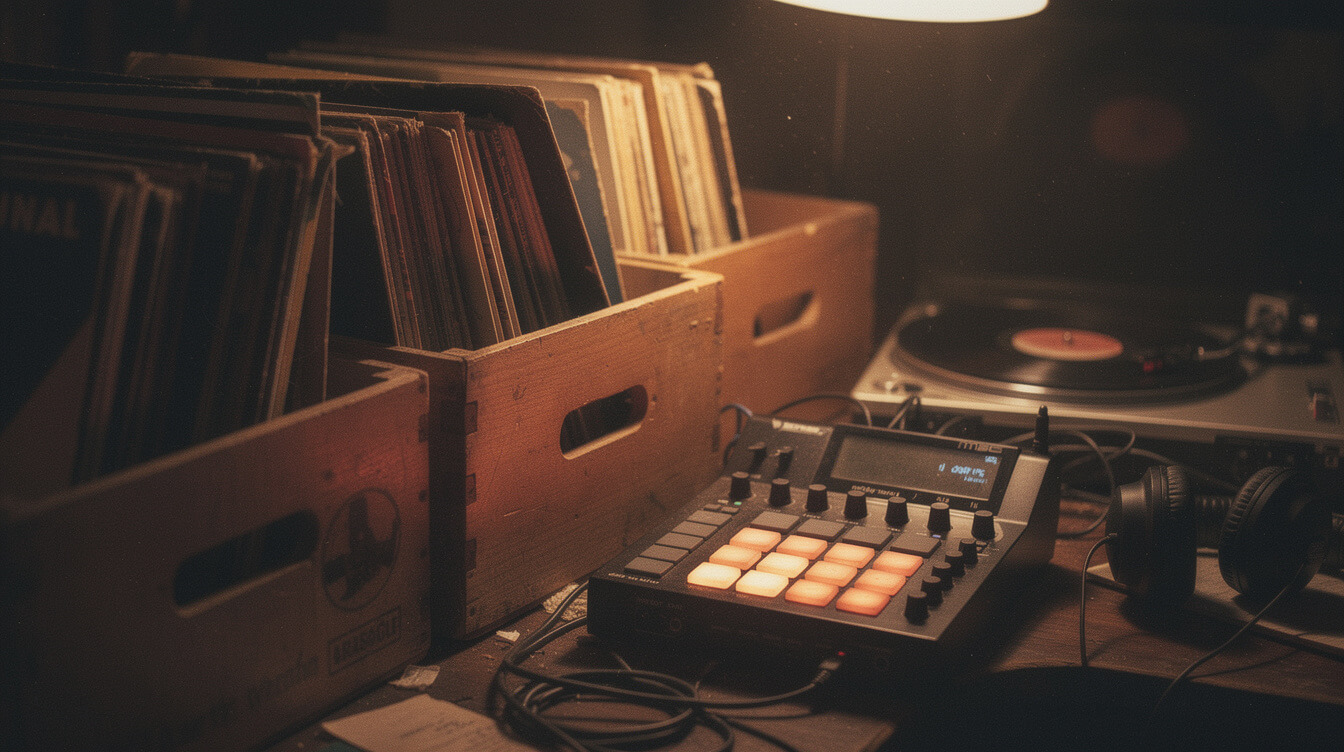
If a stranger to the catalog only has time for one Freddie Gibbs album, the answer is almost always Piñata (2014). Built entirely from Madlib’s beat archive — the same crate-dug, jazz-and-soul-sample well that fed Madvillainy — Piñata paired Gibbs’s most vivid street storytelling with production that never once played it safe. “Thuggin'” is the AOTY community’s highest-rated Gibbs song for a reason: it’s the thesis statement for the whole album, four bars of Gary street-corner detail per line over a loop that sounds like it was dug out of a church basement. “High” (featuring Danny Brown), “Shitsville,” and the title track “Piñata” (with Mac Miller, Domo Genesis, and Meechy Darko among others) round out an album that peaked at #39 on the Billboard 200 — his first chart entry ever, a full eleven years into his recording career.
Bandana (2019) is the more polished, more song-structured sequel, and it charted even higher — #21 on the Billboard 200, his best solo/duo chart position to that point. “Crime Pays” and “Education” (which stacks a Mos Def and Black Thought guest verse onto a single Madlib loop) are the standouts, and the whole record shows a rapper and producer who’d fully learned each other’s instincts after five years apart. Where Piñata feels like a discovery, Bandana feels like a victory lap that never gets lazy.
The pairing matters beyond the two records themselves. Piñata came out on Madlib’s own Madlib Invazion imprint — the same crate-dug, one-producer-one-rapper format that made Madvillainy a classic a decade earlier — and it’s a big part of why critics reached for the Madvillain comparison instantly. That format, one rapper fully surrendering to one producer’s sonic vision for a full album, wasn’t the industry standard in 2014. It’s become one since, largely because Piñata proved how good the results could be, and Gibbs would go on to repeat the formula with the Alchemist to even bigger commercial results.
The Alchemist Era: Fetti, Alfredo, and Alfredo 2
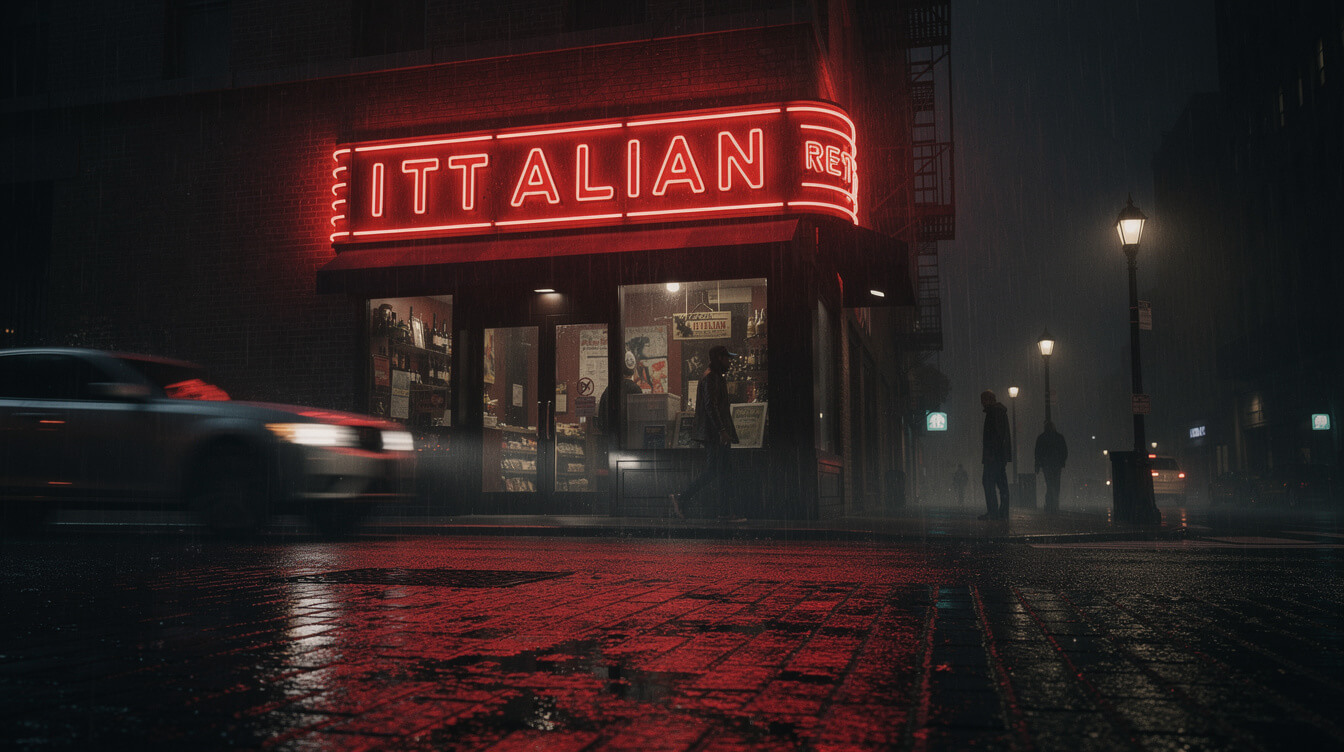
Gibbs’s second great producer partnership started almost as a formality — 2018’s Fetti was a three-way split with Curren$y and the Alchemist that mostly read as a victory-lap posse project. Nobody was fully prepared for what the Gibbs/Alchemist pairing alone would produce two years later. Alfredo (2020) is Gibbs’s commercial and critical peak: #15 on the Billboard 200, a Grammy nomination, and a sound built entirely around Alchemist’s most expensive-sounding loops — sped-up soul and cinematic strings that made every verse feel like it was scoring its own crime film. Rick Ross’s guest verse on “Scottie Beam” and Tyler, the Creator’s turn on “Something to Rap About” are catalog highlights, but the record’s real strength is how consistently Gibbs matched loop for loop across all ten tracks.
Where a lot of artists would’ve left a classic like Alfredo alone, Gibbs and Alchemist went back to the kitchen five years later: Alfredo 2 (July 2025) actually out-charted the original, debuting at #13 on the Billboard 200 and hitting #1 on the Independent Albums chart. “Ensalada,” featuring Anderson .Paak, is the standout — the AOTY community has it rated as one of the three or four best songs Gibbs has ever put his name on, right alongside “Thuggin’.” The fact that a sequel to a five-year-old album could rank that highly against his entire catalog says something about how deliberately Gibbs and Alchemist built the follow-up rather than chasing a quick cash-in.
Alfredo also stands as one of Gibbs’s biggest formal industry recognitions — a Grammy nomination for Best Rap Album, arriving well over a decade after his first self-released mixtape. It’s worth sitting with that gap: an artist who’d been putting out records consistently since 2003 needed a beat tape’s worth of loops from a producer, not a major-label push, to finally get Recording Academy attention. That’s the through-line of the entire Alchemist era — recognition on Gibbs’s own terms, built the same independent way as everything that came before it.
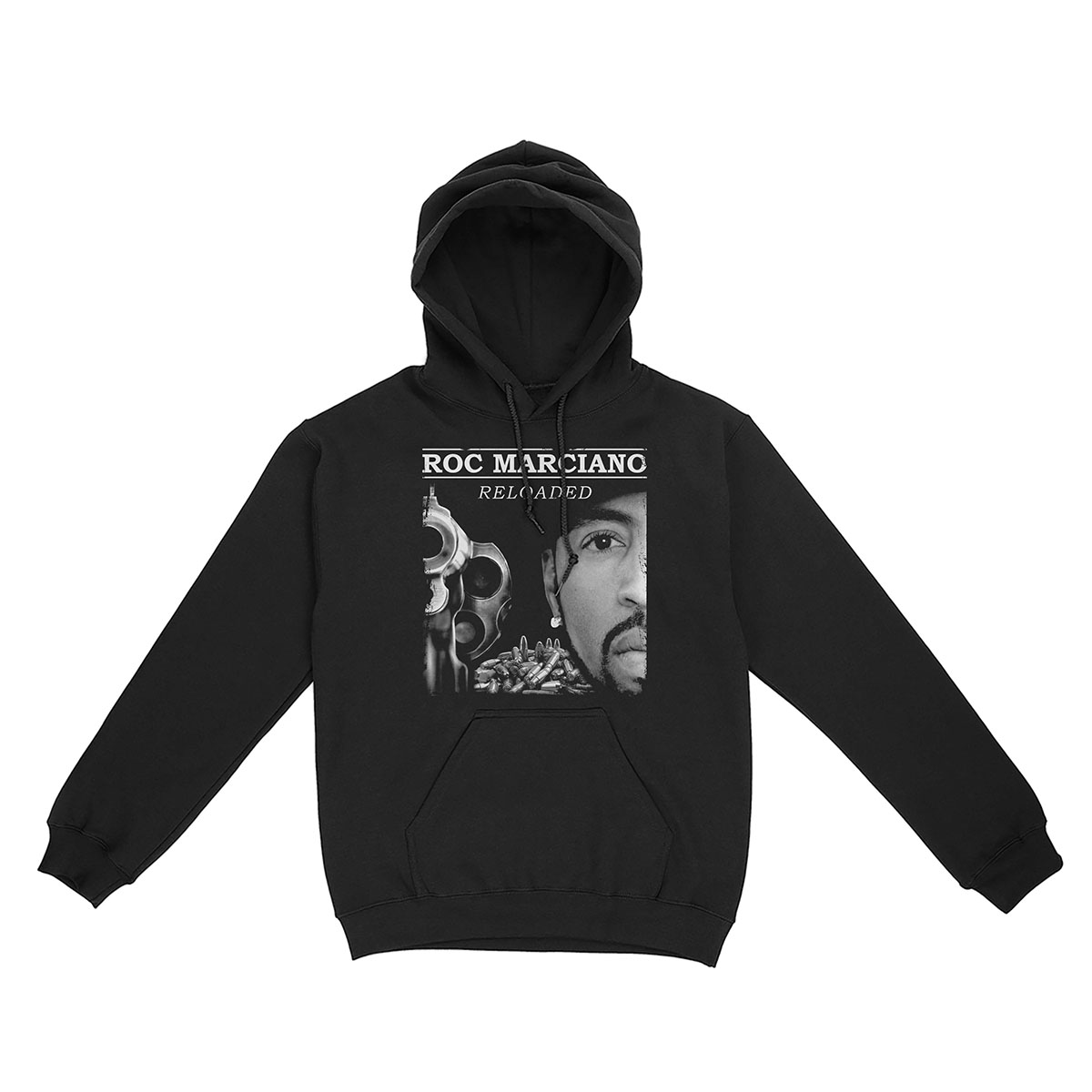
If you’re a fan of the noir, sample-driven crime-rap lane Gibbs and Alchemist built together, our Roc Marciano Reloaded Hoodie honors the exact same drumless, dense-imagery lineage — Marciano’s 2012 self-produced classic is the record that taught half the Griselda camp how to rap in the first place, and it sits comfortably next to Gibbs and Alchemist’s own catalog.
Deep Cuts Only Real Heads Know
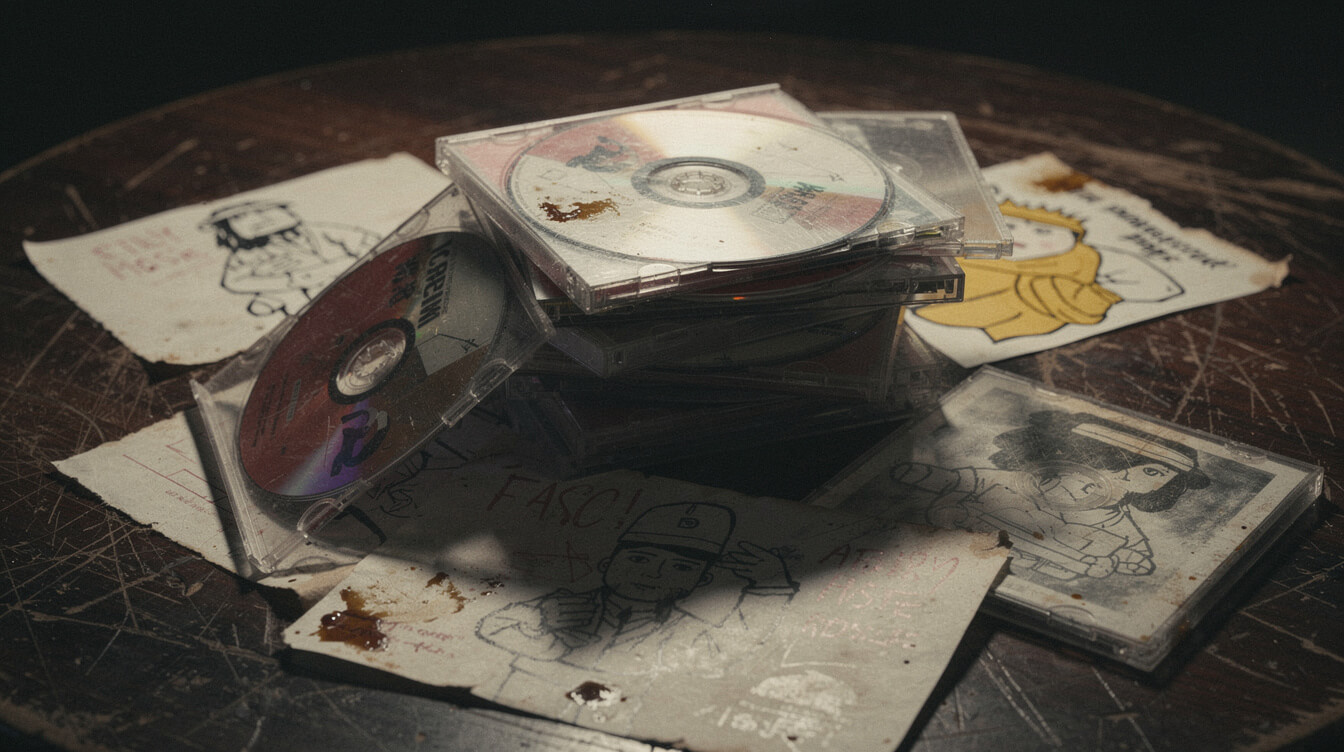
Beyond the studio albums and the Madlib/Alchemist collaborations, Gibbs has quietly built one of the deepest mixtape catalogs of his generation — twenty mixtapes and two compilation projects total, most of which never touched a chart and don’t need to. Freddie (2018), his debut commercial mixtape, is the underrated hinge point between the mixtape-era Gibbs and the studio-album Gibbs — loose, confident, and packed with the kind of throwaway one-liners that would’ve been album singles for a lesser writer.
For anyone who wants to go past the obvious entry points: Str8 Killa No Filla‘s “National Anthem” and “The Real” show the technical foundation everything later was built on. “Deeper” from Piñata — a Danny Brown and Raekwon collaboration that somehow didn’t make the AOTY top-ten list despite being one of the album’s most quoted tracks — is the deep-cut litmus test for whether someone’s actually listened past the singles. And the pre-2013 No Tamin’ catalog, largely absent from streaming in its original form, remains the true collector’s corner of the discography — Gary, Indiana rap history that most casual fans have never heard a single bar of.
The mixtape era also left a bigger footprint on the current underground than most fans realize. The DJ Drama Gangster Grillz association put Gibbs in the same lineage as Jeezy, T.I., and Lil Wayne’s classic mixtape runs, while the raw, unpolished, self-financed ethos of the No Tamin’ years is the exact same template Griselda’s camp — Westside Gunn, Conway the Machine, Benny the Butcher — would run back a decade later to build their own independent empire. Gibbs rarely gets credited as a direct blueprint the way Roc Marciano does, but the DIY infrastructure — own label, own distribution hustle, no waiting on a major to say yes — traces straight back to Gary in the 2000s.
For the Drumless, Dense-Imagery Heads
Same crime-noir lineage as Alfredo — Roc Marciano’s Reloaded rewrote the rulebook for sample-chopped, mafioso storytelling rap. Premium heavyweight hoodie for the ones who quote the bars nobody else caught.
Freddie Gibbs Songs: Frequently Asked Questions
What is Freddie Gibbs’s most popular song?
By community rating and cultural footprint, “Thuggin'” from Piñata (2014) is the consensus answer — it’s the AOTY community’s top-rated Gibbs track and the song most often cited as the entry point into his catalog.
What is the best Freddie Gibbs album to start with?
Piñata (2014) with Madlib. It’s the most acclaimed, most sample-rich, and the album where his storytelling and a producer’s instincts lined up perfectly for the first time.
How many albums does Freddie Gibbs have?
Five solo studio albums, five collaborative studio albums (including two with Madlib and two with the Alchemist), twenty mixtapes, and twelve EPs, per his official discography — one of the deepest and most consistent output rates of any rapper from his generation.
Did Freddie Gibbs ever chart on the Billboard 200?
Yes — starting with Piñata at #39 in 2014, and climbing with every major release since. Alfredo (2020) hit #15, and Alfredo 2 (2025) went even higher at #13, also topping the Independent Albums chart at #1.
What’s an underrated Freddie Gibbs song?
“Deeper,” his Piñata collaboration with Danny Brown and Raekwon, rarely makes best-of lists despite being one of the album’s most quotable tracks — a good litmus test for who’s actually gone past the singles.
Is Freddie Gibbs from Chicago or Indiana?
Indiana — specifically Gary, a post-industrial city on Chicago’s southeastern edge, often lumped into the broader Chicagoland media market but culturally and economically its own place. Gibbs has always been precise about that distinction, and it’s central to how his early street-narrative writing reads.
Final Thoughts: Why Gibbs’s Catalog Rewards Going Deep
What separates Freddie Gibbs from most of his peers isn’t a signature sound — it’s the opposite. He’s spent two decades proving he can adapt his exact same street-level lyrical precision to whatever a producer puts in front of him, from his own bare-bones Gary, Indiana beats to Madlib’s crate-dug jazz loops to Alchemist’s cinematic strings, without ever sounding like he’s performing a role. That’s why a catalog this deep never feels like a chore to dig through — every era has a different flavor, and every flavor holds up.
There’s also a business lesson buried in the music, for anyone paying attention beyond the bars. Every major leap in Gibbs’s career — the Madlib deal, the Alchemist partnership, the ESGN label and merch line — happened because he built the relationships and the infrastructure himself first, then let the work speak once the right ears were listening. No industry co-sign got him here faster than the tapes did. That’s the same DIY ethic that shows up across the entire underground and boom-bap lane Custom Creative pulls from — Griselda, Roc Marciano, the whole crate-digging, self-made corner of the culture that never needed a major label’s permission to matter.
If this deep-dive sent you down a rabbit hole, our Griselda Records guide covers the exact underground lineage Gibbs helped build the blueprint for, and our Freddie Gibbs Tour History piece picks up where the catalog leaves off — on stage, where these records actually get tested live.
Get the Culture in Your Inbox
Weekly hip-hop deep dives, boom-bap archaeology, and first-drop access to every new Custom Creative capsule. No filler, no fluff — just the culture.

🎧 Never Miss a Drop
Exclusive product releases, hip-hop deep dives, and member-only discounts. Straight to your inbox.
Free forever. No spam. Unsubscribe anytime.
Get the Culture, Delivered
Deep dives into hip-hop history, exclusive product drops, and discounts sent straight to your inbox. No spam, just culture.
Join 2,000+ hip-hop heads already in the loop. Unsubscribe anytime.