Every Ghostface Killah Album Ranked: From RZA-Era Ironman (1996) to Set the Tone (2024) — A Wu Solo Career Only Rivaled by GZA
Twenty-eight years. Thirteen-plus solo LPs, four Raekwon collaborative albums, side-project runs with Adrian Younge, MF DOOM, and BADBADNOTGOOD — Ghostface Killah albums map the most improbable Wu solo arc anyone in the Clan ever put together. Only GZA’s front-loaded catalog even holds the comparison. And unlike GZA, Pretty Toney kept building — trading RZA’s dusty soul for Alchemist’s cinematic haze, then swapping that for Adrian Younge’s giallo-orchestra Roman-noir, then walking into a Toronto jazz-club with BADBADNOTGOOD to cut Sour Soul in 2015, then dropping Set the Tone (Guns & Roses) in 2024 with a guest list that reads like a hip-hop encyclopedia.
This is the ranked, era-by-era buyer’s guide the SERP has been dodging for years. Wikipedia hands you a release-date table. Genius gives you the tracklists. AOTY collects the star ratings. Nobody actually walks a new listener through why Ghostface’s four production eras sound so different, which Raekwon collab you should stream first, or where a first-time Wu-Tang solo shopper should start. That’s the gap this piece fills — with specific producer credits, sample sources, and entry-point picks by rap-fan genotype.
How to Read a Ghostface Solo Catalog: Four Production Eras
Every serious hip-hop head eventually notices the same thing about Ghostface Killah’s discography — it doesn’t sound like one artist’s catalog. It sounds like four catalogs stitched together by one voice. That’s not a bug. That’s the whole architecture. Ghost is one of the few rappers who let the producer reshape the record and rode the reshape without losing his identity. So instead of ranking the albums cold, you have to read them era-by-era.
Era 1 — The RZA Years (1996-2001): Wu-Tang Forever-adjacent, RZA on the boards, Stan Getz saxophone loops and dusty soul flips. Ironman, Supreme Clientele, and Bulletproof Wallets live here. The sound is the Shaolin sound — 4-track basement grit, chess-piece piano hits, and Cappadonna and Raekwon on every third bar. If you love 36 Chambers, this is the era you’ll marry.
Era 2 — The Alchemist/DOOM Era (2004-2009): After the RZA cut back on his day-to-day production for individual Clansmen, Ghost pivoted to outside beats without losing his voice. The Pretty Toney Album, Fishscale, More Fish, The Big Doe Rehab. Alchemist supplied the haze; MF DOOM’s Special Herbs instrumentals gave Fishscale its most-hallowed cuts. If you love the Roc Marciano / Griselda school, start here.
Era 3 — The Adrian Younge Era (2013-2015): The concept-album pivot. Ghostface teamed with LA composer Adrian Younge on Twelve Reasons to Die, then the Wu-Tang-adjacent Twelve Reasons to Die II, then 36 Seasons — cinematic Italian-giallo soul-orchestra records with a full narrative arc. RZA executive-produced Volume I. This is where Ghost turned into a screenwriter who happened to rap.
Era 4 — The BADBADNOTGOOD & Indie Era (2015-2024): Sour Soul with the Toronto jazz-rap trio in 2015; The Lost Tapes archival cut in 2018; and finally Set the Tone (Guns & Roses) in 2024 — a 17-track statement album with Method Man, Nas, Busta Rhymes, Kanye West, and a Killer Mike verse. The indie era is where Ghost stopped chasing the mainstream cycle and started curating.
Era 1 — The RZA Years: Ironman (1996), Supreme Clientele (2000), Bulletproof Wallets (2001)
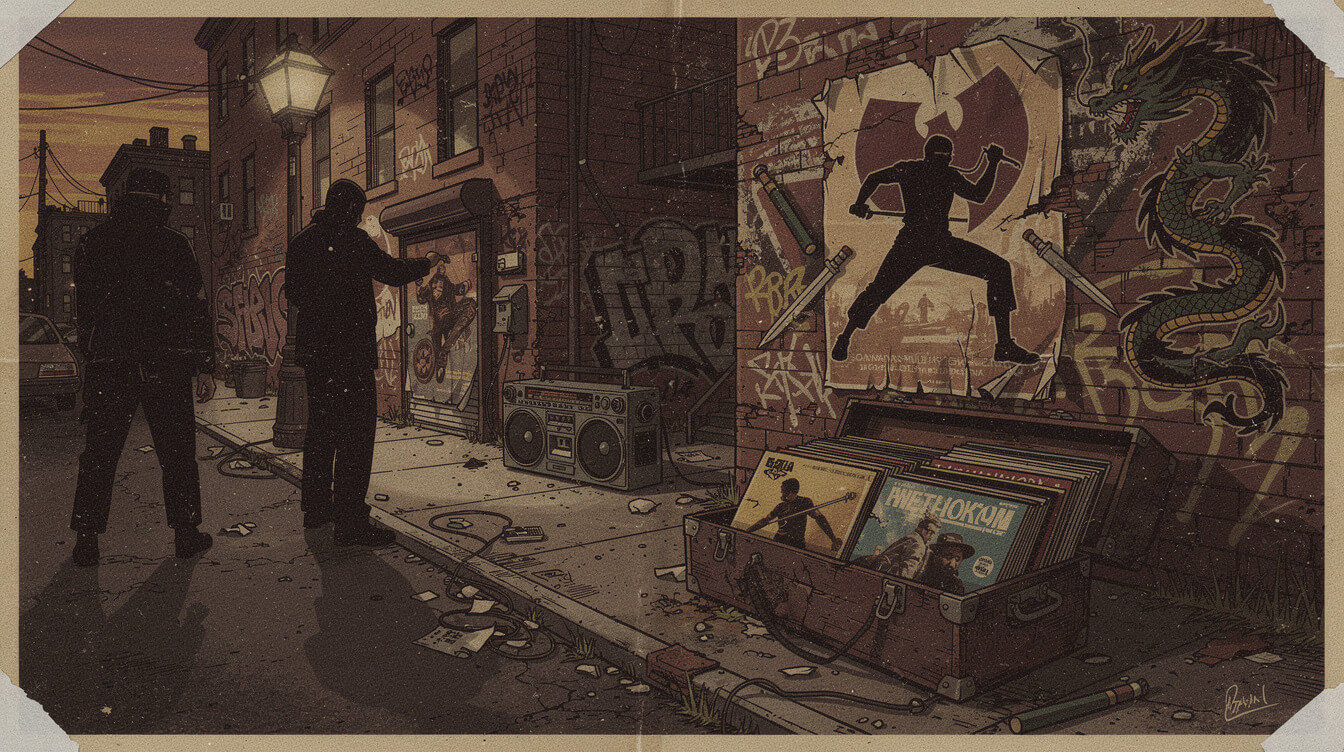
The three Ghostface Killah albums from the RZA era are the reason “Pretty Toney” is a canonical name at all. Ironman dropped October 29, 1996 on Razor Sharp/Epic — the seventh Wu-Tang solo debut in a two-year run that had already produced Return to the 36 Chambers, Only Built 4 Cuban Linx, Ironman‘s direct predecessor. Raekwon and Cappadonna are on Ironman so heavily that early pressings sometimes get miscategorized as a Ghost/Rae/Cap group album. That was the point — Ghost brought his crew into the booth in a way no other Wu solo had, and it defined the sound.
RZA produced or co-produced every track on Ironman. The soul-loop template comes straight from the Enter the Wu-Tang 4-track lineage — Al Green’s “Rhymes” flipped on “Assassination Day,” The Delfonics’ “La-La (Means I Love You)” laced through “After the Smoke Is Clear,” Force MDs samples on “All That I Got Is You.” That last cut — the Mary J. Blige-featuring elegy to Ghost’s Staten Island childhood — is the single track that turned a Wu deep-cuts audience into a mainstream Ghost audience.
Then came the four-year detour. Ghost pulled back after 1996, and when he returned with Supreme Clientele in February 2000, the game had moved on. Except Supreme Clientele hadn’t. RZA produced roughly half the record — “Nutmeg,” “One,” “Wu Banga 101” — but the other half was outsourced to Choo the Specialist, Carlos Bess, and Ghost himself under the Ghostface Killah production credit. The album is now widely considered the greatest post-Wu-Tang Forever Wu solo LP. Rolling Stone put it at #423 on their 500 Greatest Albums list. If you’re new to the catalog, this is the one people mean when they say “Ghost is the best MC in the Wu.”
Then came Bulletproof Wallets in November 2001, and the wheels came off the sample-clearance system. Half the tracks Ghost recorded for the album got shelved — the Michael Jackson “Rock With You” sample on “The Juks,” Radiohead’s “Airbag” on the leaked “Never Be the Same Again” — because the original artists refused clearance. What made the final cut is still a solid record, but it plays like a Wu-solo missing 4-5 songs. The bootleg circulation of the unreleased material became a mid-2000s Wu-fandom badge.
Era 2 — The Alchemist/DOOM Era: Fishscale (2006), More Fish, The Big Doe Rehab
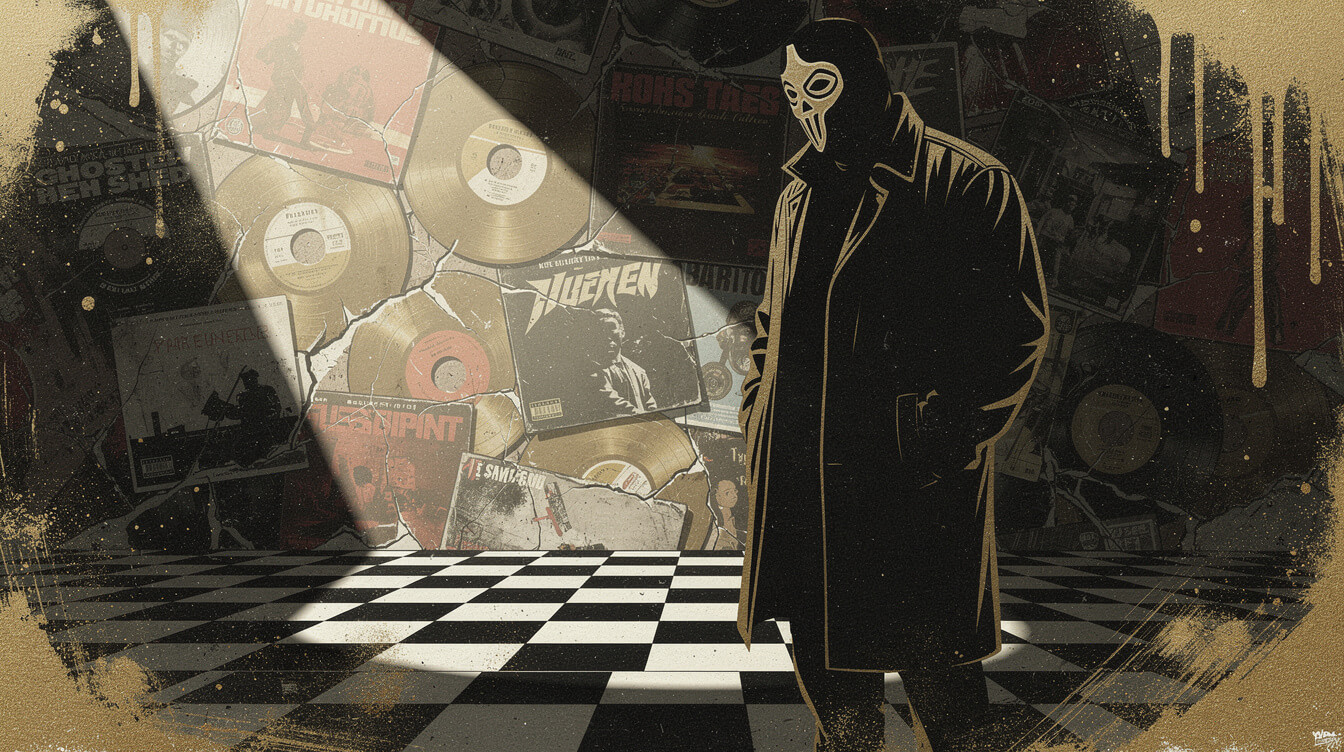
By 2006, RZA had pulled back from track-by-track production for individual Wu solos, and every Clansman was hunting for the next producer relationship that could carry a full album. Ghost found two — Alchemist and MF DOOM — and out of that partnership came Fishscale, released March 28, 2006. If Supreme Clientele is the RZA-era peak, Fishscale is the post-RZA peak. Alchemist produced “R.A.G.U.” and “Momma,” Pete Rock produced “Be Easy,” and MF DOOM’s Special Herbs instrumentals were licensed for four of the album’s most beloved cuts: “Underwater,” “9 Milli Bros” (Wu-Tang posse cut), “Beauty Jackson,” and “Jellyfish.”
The Doom loops changed the record. DOOM’s Special Herbs series was originally intended as a beat-tape catalog for other MCs to license — Ghost was the first major-label rapper to actually cash in the offer at scale. The result is the closest thing to a Doom/Ghost collab album that ever existed (the mythical Swift & Changeable was announced multiple times, teased with 2007 studio photos, and never delivered before Doom’s 2020 death). For an on-site deep-read of the record’s production architecture, sample chains, and cinema logic, see the Ghostface Killah Fishscale deep-dive — it walks through the DOOM-Alchemist-Pete Rock triangle track by track.
More Fish arrived December 12, 2006, less than nine months later — a rarities-and-outtakes companion to Fishscale. The album has the Wu-blog reputation of being a Fishscale B-sides EP dressed up as an LP. That reputation is mostly right, but “Miguel Sanchez” and the Trife Diesel-heavy Theodore Unit tracks are worth the price of admission. Ghost was clearly using the follow-up to promote his affiliates rather than pad his own resume.
The Big Doe Rehab (December 4, 2007) is the underrated one from this era. Anthony Acid produced “We Celebrate,” Sean C & LV cut “Yolanda’s House” (a mafioso-cinema centerpiece that plays like an audio short film), and the record leaned harder into the concept-song architecture that Ghost would double-down on in the Adrian Younge era. If you’ve heard Fishscale and want the sequel that critics slept on, this is it.
Era 3 — The Adrian Younge Era: Twelve Reasons to Die I & II, 36 Seasons
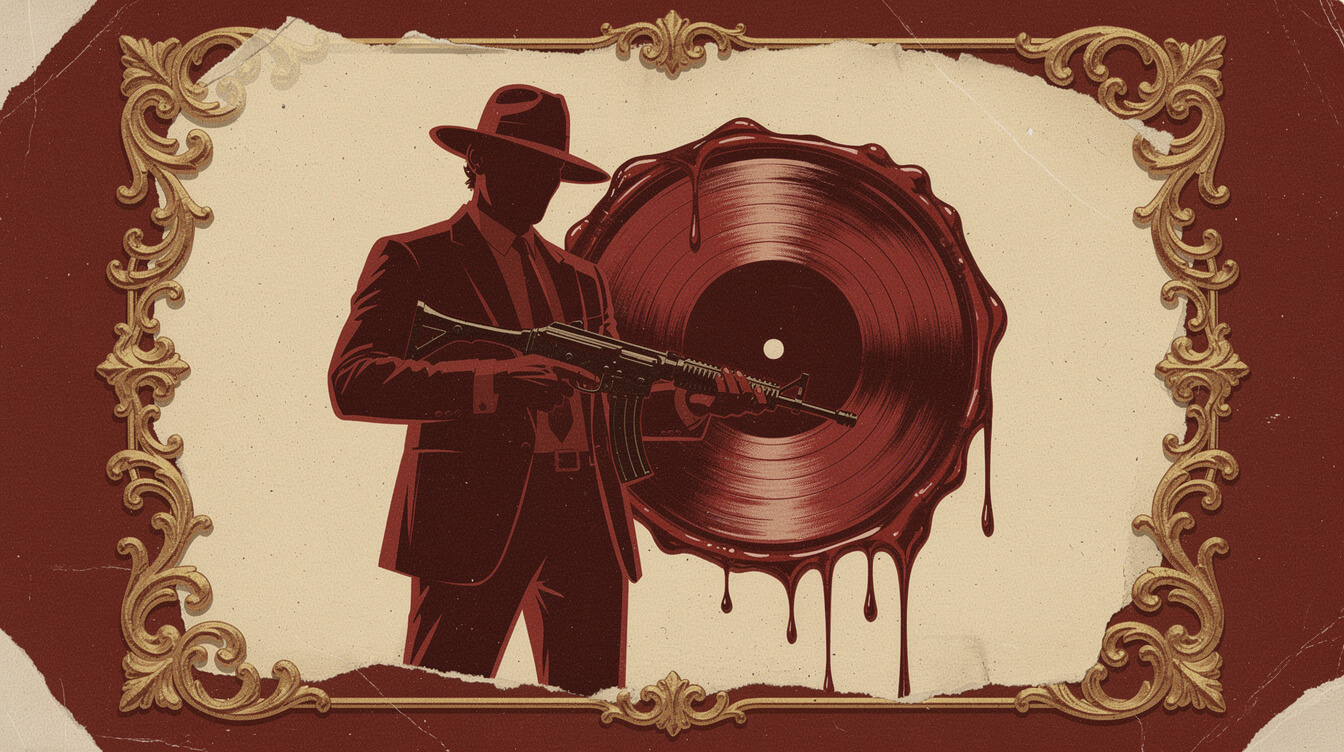
Adrian Younge is a Los Angeles composer, multi-instrumentalist, and analog-tape purist whose Delfonics record Adrian Younge Presents The Delfonics (2013) caught RZA’s ear and Ghost’s ear simultaneously. What came out of that meeting was the most conceptually ambitious record in Ghost’s catalog — Twelve Reasons to Die, released April 16, 2013 on Soul Temple with RZA as executive producer.
The premise: a full-length concept album narrated by Ghost as Tony Starks, a 1960s Italian-mob enforcer betrayed by the DeLuca crime family, murdered, and pressed into a set of twelve vinyl records that resurrect him as the Ghostface Killah avatar every time they’re played. Younge scored the album live — real strings, real Rhodes, real analog compression — in the tradition of Ennio Morricone and David Axelrod, then Ghost rapped over the finished cinematic tracks. RZA anchors the whole thing with a spoken-word intro on “Beware of the Stare” and executive-producer taste.
Twelve Reasons to Die II followed July 10, 2015, this time on Linear Labs with Raekwon added as full co-lead. RZA stepped back to a lighter role, and the sequel expanded the narrative into a full mafia-family saga. Some fans prefer Volume II for the Rae features; the majority hold Volume I as the peak. Both records reward front-to-back listening — this is the only Ghost catalog where shuffle mode actively hurts the experience.
Between the two Younge collaborations, Ghost dropped 36 Seasons (December 9, 2014) with The Revelations backing him. Same concept-album architecture — a full narrative about Ghost’s return to Staten Island after nine years — with soul-orchestra live band production instead of Younge’s Younge-signature giallo strings. AZ, Kool G Rap, and Pharoahe Monch guest. The record is short (37 minutes, 12 tracks), tight, and cinematic. Undervalued in the mainstream, revered in Wu-fan circles.
Era 4 — The BADBADNOTGOOD & Indie Era: Sour Soul (2015), Set the Tone (2024)
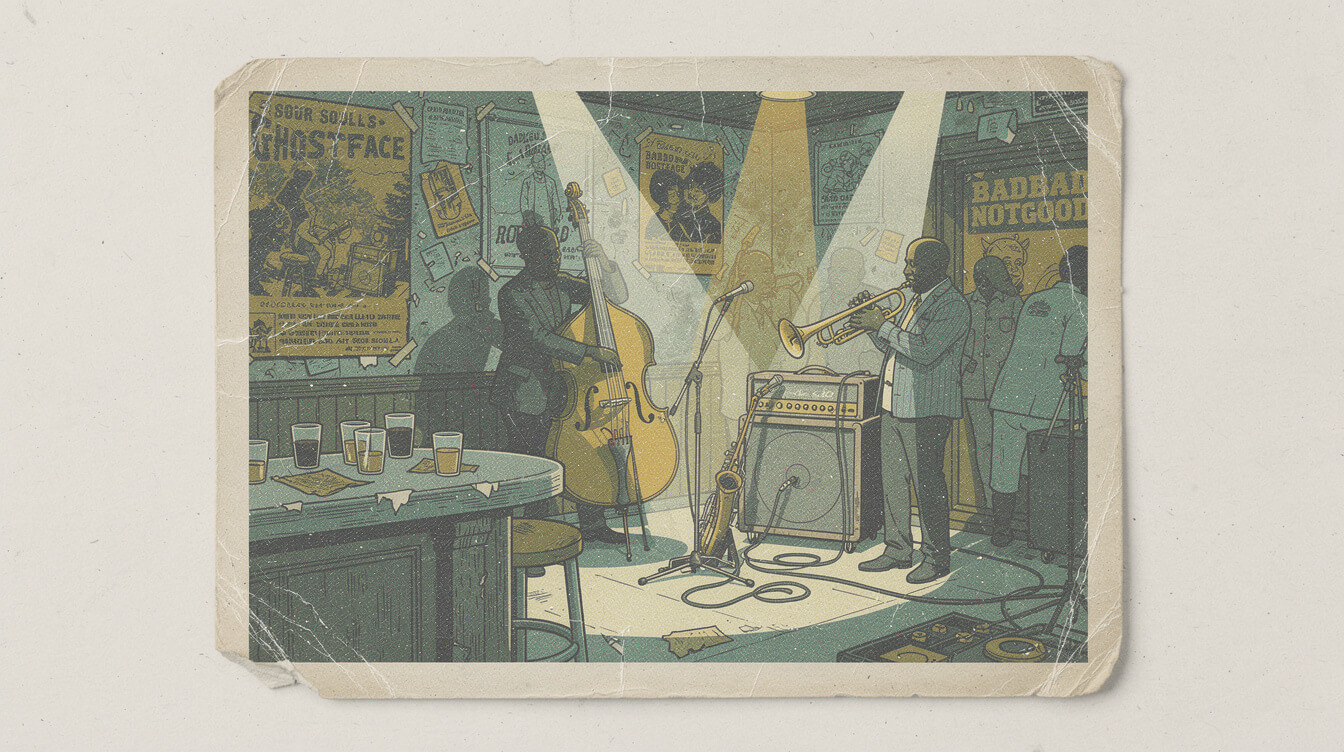
By 2015, Ghost had already done RZA-era, Alchemist-era, DOOM-era, and Adrian Younge-era. What was left? A Toronto jazz-rap trio. Sour Soul dropped February 17, 2015 on Lex Records — Ghost rapping over full BADBADNOTGOOD live-band arrangements. Danny Brown guests on “Six Degrees,” DOOM on “Ray Gun,” Elzhi on “Gunshowers.” At 33 minutes, it’s the shortest Ghost solo project of the modern era, and it plays like a jazz-club set. If you want to hand a first-time Ghost listener a low-commitment entry point, this is it — no concept-album baggage, just Ghost on top of live instrumentation.
The Lost Tapes (May 25, 2018) is the archival release — vault material from various eras cleaned up and sequenced by Big Ghost Ltd. Not essential, but a fan-service release that helps fill the gaps between the Adrian Younge era and the Set the Tone rollout.
Then, after a six-year gap that had Wu-fandom convinced Ghost had retired from solo albums, Set the Tone (Guns & Roses) arrived May 10, 2024 on Mass Appeal. 17 tracks, 61 minutes, and a guest list that reads like a hip-hop yearbook: Method Man, Nas, Busta Rhymes, Kanye West, Killer Mike, Fat Joe, Beanie Sigel, Rick Ross, and Sheek Louch. Production credits span The Alchemist, Frank Dukes, Denaun Porter, and Ghost himself. The record is the closest Ghost has come to a “legacy statement” album, and it landed at #22 on the Billboard 200 — his highest-charting solo since Fishscale.
The wardrobe from this era is where a lot of Ghost fans go crate-digging. If you’re building out a Wu-solo collector wardrobe from scratch, our Ghostface Killah Supreme Clientele T-Shirt anchors the RZA-era shelf — the record’s title-track chess-piece iconography rendered in vintage-print texture, sized to run with a Wu-Tang W hat or a Twelve Reasons to Die jacket.

Wu-Tang Forever Neon LED Sign
A studio-grade LED neon in the Wu-Tang W silhouette. Same aesthetic Ghost has been wrapping his cover art in for 28 years — hang it above your record shelf next to the Ironman and Fishscale pressings.
The Raekwon Partnership Arc: OB4CL, Ironman, Wu Massacre, Cuban Linx 2
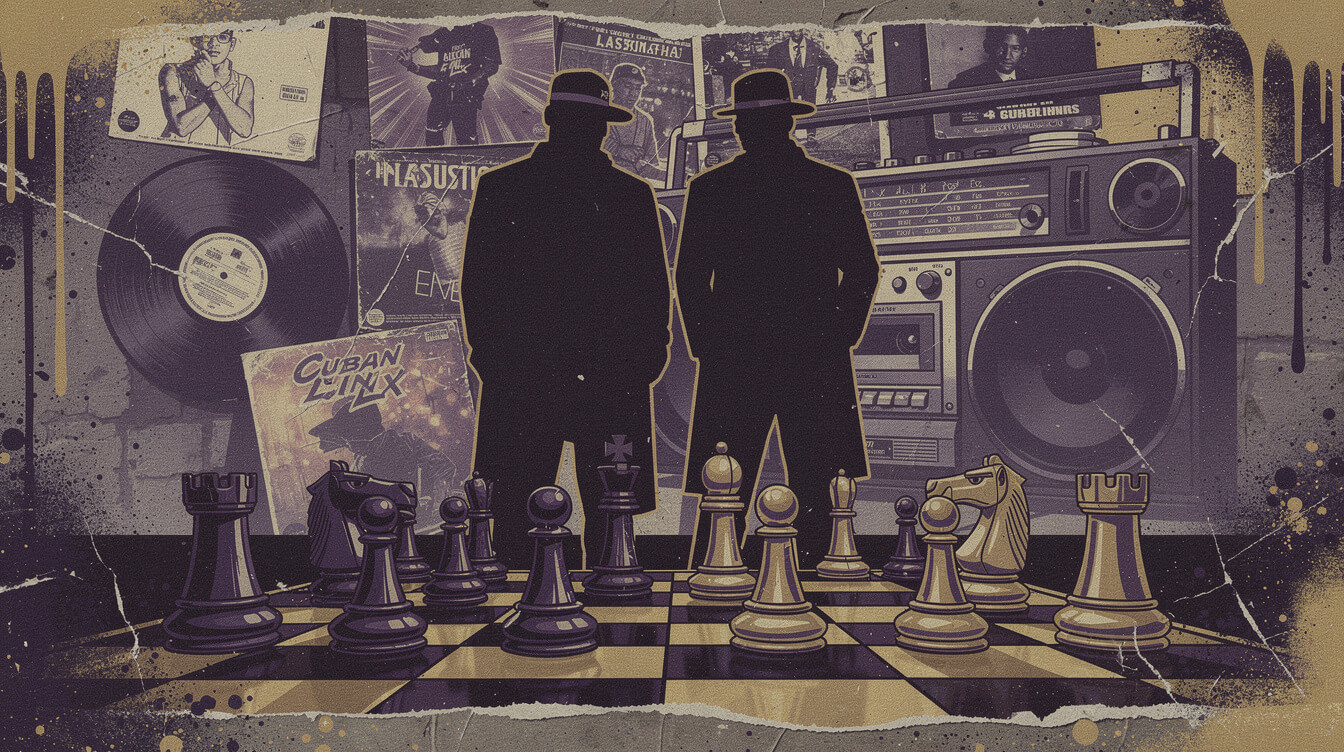
No conversation about Ghostface Killah albums is complete without the Raekwon arc. The two Staten Island cousins-in-arms have run a 30-year creative partnership that started with Ghost delivering the guest-verse of a lifetime on Only Built 4 Cuban Linx… (August 1, 1995) — the Wu-Tang album that established the mafioso-rap subgenre in one stroke. Ghost is credited as co-lead on OB4CL, and though it’s officially a Raekwon solo, in every practical sense it’s the first Ghost/Rae collab album. Both MCs are on 15 of the 18 tracks.
Then Rae returned the favor by anchoring Ironman the following year, Cappadonna and Rae on nearly every cut. The two records are twin siblings, made in the same 4-track basement, with the same soul-loop palette. Serious collectors treat them as a two-album set.
The partnership went dormant through the early 2000s while both artists cut solo LPs. Then came Only Built 4 Cuban Linx… Pt. II (September 8, 2009) — the sequel Rae had been threatening for over a decade. Ghost is on 10 of the 22 tracks. The record was widely heralded as a return to form for Rae specifically, and by extension the Ghost/Rae chemistry.
Then came the group album everyone had been asking for: Wu-Massacre (March 30, 2010) — a Method Man / Ghostface / Raekwon collaborative LP, 12 tracks in 30 minutes, RZA on the boards for three cuts. It’s short, tight, and unloved by half the Wu fandom for its brevity. The other half considers it a lost classic. Both camps are partially right.
The most recent chapter is Ghostface Playing Fields — repeated announcements from 2020-2024 for a full Ghost/Rae collab album that has yet to materialize. Rae confirmed in a 2024 Complex interview that the sessions exist. Whether it ever drops is a fandom-perpetual question. Add it to the Swift & Changeable pile.
First-Listener Entry-Point Guide: Ranked by Rap-Fan Genotype
Here’s the actual entry-point question a new Ghost listener asks: “I only have time for one album — which one?” The answer depends on what kind of rap fan you are. The below matches Ghostface’s four eras to five common listener profiles.
- You love 36 Chambers-era Wu-Tang. Start with Ironman (1996). It’s the RZA-era LP that sounds most like Wu-Tang Clan. Cappadonna and Raekwon are all over it, and the soul-loop production is directly out of the Enter the 36 Chambers studio sessions. Follow-up: Supreme Clientele for the more-refined version of the same aesthetic.
- You love Roc Marciano, Griselda, or modern boom-bap. Start with Fishscale (2006). The Alchemist/DOOM/Pete Rock production template is the direct ancestor of the Roc Marci / Ka / Westside Gunn / Benny lineage. If Roc Marciano’s Marcberg was your entry into modern boom-bap, Fishscale is where that DNA came from.
- You love concept albums or cinematic rap. Start with Twelve Reasons to Die (2013). Adrian Younge’s live orchestral production and the full narrative arc give you a Kendrick’s To Pimp a Butterfly-style listening experience with a mafioso plot instead of a jazz-funk-social one. This is the album to play front-to-back with headphones.
- You love jazz-rap, Robert Glasper, or Anderson .Paak. Start with Sour Soul (2015). BADBADNOTGOOD’s live-band arrangements give you the jazziest Ghost record on the shelf. Short, tight, and no concept-album prerequisites required.
- You want the modern legacy statement. Start with Set the Tone (Guns & Roses) (2024). Nas, Method Man, Kanye West, Killer Mike, and Busta Rhymes on the guest list. Frank Dukes, The Alchemist, and Denaun Porter on production. This is Ghost curating his 28-year catalog into a single 61-minute statement.
If you have time for two, add either Supreme Clientele or Only Built 4 Cuban Linx… (technically a Raekwon solo, but functionally Ghost’s first collab album). If you have time for three, add Fishscale. If you’re ready to go completist, the entire Fishscale-era catalog is where the Wu-solo deep-dive really starts to reward the investment.
Where Ghostface Sits Among Wu Solo Careers: The Nine-Man Pantheon
Nine original Wu-Tang members have solo catalogs. Ranking them is a Reddit-thread bloodsport, but here’s the honest breakdown of where Ghostface Killah albums sit in the Wu solo pantheon — measured by consistency, longevity, cultural footprint, and post-2010 relevance.
- GZA: Liquid Swords (1995) is possibly the greatest Wu solo LP ever cut, but the follow-ups (Beneath the Surface, Legend of the Liquid Sword, Grandmasters, Pro Tools) never reached that ceiling. GZA is peak-first but front-loaded.
- Ghostface Killah: The longest sustained solo run in the Clan. Four production eras, 13+ solo LPs, still charting on Billboard 200 in 2024. No other Wu solo has kept the release cadence and quality bar this consistently.
- Raekwon: Only Built 4 Cuban Linx… is a top-3 Wu solo. OB4CL Pt. II is a top-3 late-career Wu solo. But the mid-career (Immobilarity, The Lex Diamond Story) had multi-year troughs.
- Method Man: Tical (1994) was the first Wu solo debut and defined what a Wu solo would sound like. The catalog since has been Def Jam-solid without ever hitting a second peak.
- RZA: Bobby Digital in Stereo and Digital Bullet are cult classics that never crossed into the mainstream. RZA’s solo work is more a producer’s showcase than an MC’s catalog.
- ODB: Return to the 36 Chambers is untouchable. The unfinished-catalog tragedy of his 2004 death leaves this one incomplete by nature.
- Inspectah Deck: Uncontrolled Substance (1999) is underappreciated. The rest of the solo catalog is inconsistent.
- Cappadonna: Never officially credited as a founding member, so semi-in-the-conversation. The Pillage (1998) is a solid opener.
- U-God and Masta Killa: Both have honorable-mention solos (Golden Arms Redemption, No Said Date) but weren’t in the album-a-year rotation.
The honest ranking: GZA has the highest peak (Liquid Swords is untouchable), Ghost has the deepest catalog. Only Masta Killa’s ten-year gap before his own solo debut can be measured against Ghost’s four-decade consistency, and Masta Killa never released 13 LPs. In the discography-marathon race, Ghostface is unrivaled.
Frequently Asked Questions About Ghostface Killah Albums
How many solo albums has Ghostface Killah released?
13 studio solo albums plus 2 collaborative LPs (with Adrian Younge on Twelve Reasons II with Raekwon; and Wu-Massacre with Meth & Rae) plus 1 archival release (The Lost Tapes, 2018). Depending on how you count the collaborative Volume II, the total sits at 13-16.
Which is Ghostface Killah’s best-selling album?
Supreme Clientele (2000) is the highest-certified — Gold by the RIAA — and remains his highest-selling first-week debut. Fishscale (2006) charted at #4 on the Billboard 200, his highest chart position ever. Set the Tone (Guns & Roses) (2024) landed at #22.
Which Ghostface album should a first-time listener start with?
Depends on taste. If you love classic Wu-Tang, start with Ironman. If you love modern boom-bap, start with Fishscale. If you love concept albums, start with Twelve Reasons to Die. If you want the modern legacy statement, start with Set the Tone. Full breakdown in the entry-point section above.
Is there a Ghostface Killah / MF DOOM collab album?
No — despite years of announcements. The rumored Swift & Changeable project was teased from 2007 through DOOM’s 2020 death and never dropped. The closest thing that exists is Fishscale, on which four of DOOM’s Special Herbs instrumentals were licensed for Ghost tracks. That’s the DOOM/Ghost collab album — hidden inside a Ghost solo record.
What’s the deal with Ghostface Playing Fields?
It’s the announced-but-unreleased Ghost/Raekwon collab LP that Rae has been referencing in interviews since 2020. Sessions exist. A release date does not.
Final Thoughts: The Longest-Running Wu Solo Catalog
Twenty-eight years, four production eras, thirteen-plus solo LPs, and no obvious slowdown — that’s the sentence that separates Ghostface Killah from every other Wu-Tang solo career. The Clan itself has been dormant as a nine-man recording unit for most of the last two decades. Ghost has not.
You could organize your listening around the RZA-era foundation (Ironman → Supreme Clientele), the Alchemist/DOOM golden years (Fishscale → More Fish → The Big Doe Rehab), the Adrian Younge cinematic concept trilogy (Twelve Reasons → 36 Seasons → Twelve Reasons II), and the indie-era statement records (Sour Soul → Set the Tone). Or you could go by producer — the RZA cuts, the Alchemist cuts, the DOOM-instrumental cuts, the Younge live-orchestra cuts, the BADBADNOTGOOD live-band cuts. Or by Raekwon partnership density. Every listening architecture reveals something different, because Ghost’s discography is one of the most producer-plural careers in hip-hop history.
That’s the real answer to “which Ghostface album is best.” It’s not a ranking. It’s an era, a producer, a listener genotype. Match the era to your taste, then work outward. That’s how the deepest catalog in the Wu solo pantheon rewards the time you put in.
Hip-Hop Deep-Dives, Delivered Weekly
Producer credits, sample chains, album retrospectives, and Custom Creative merch drops — all in one weekly email. No fluff, no filler, real culture.

🎧 Never Miss a Drop
Exclusive product releases, hip-hop deep dives, and member-only discounts. Straight to your inbox.
Free forever. No spam. Unsubscribe anytime.
Get the Culture, Delivered
Deep dives into hip-hop history, exclusive product drops, and discounts sent straight to your inbox. No spam, just culture.
Join 2,000+ hip-hop heads already in the loop. Unsubscribe anytime.