Fugees The Score at 30: How a $135K Booga Basement Album Became Hip-Hop’s Best-Selling Group Record Ever
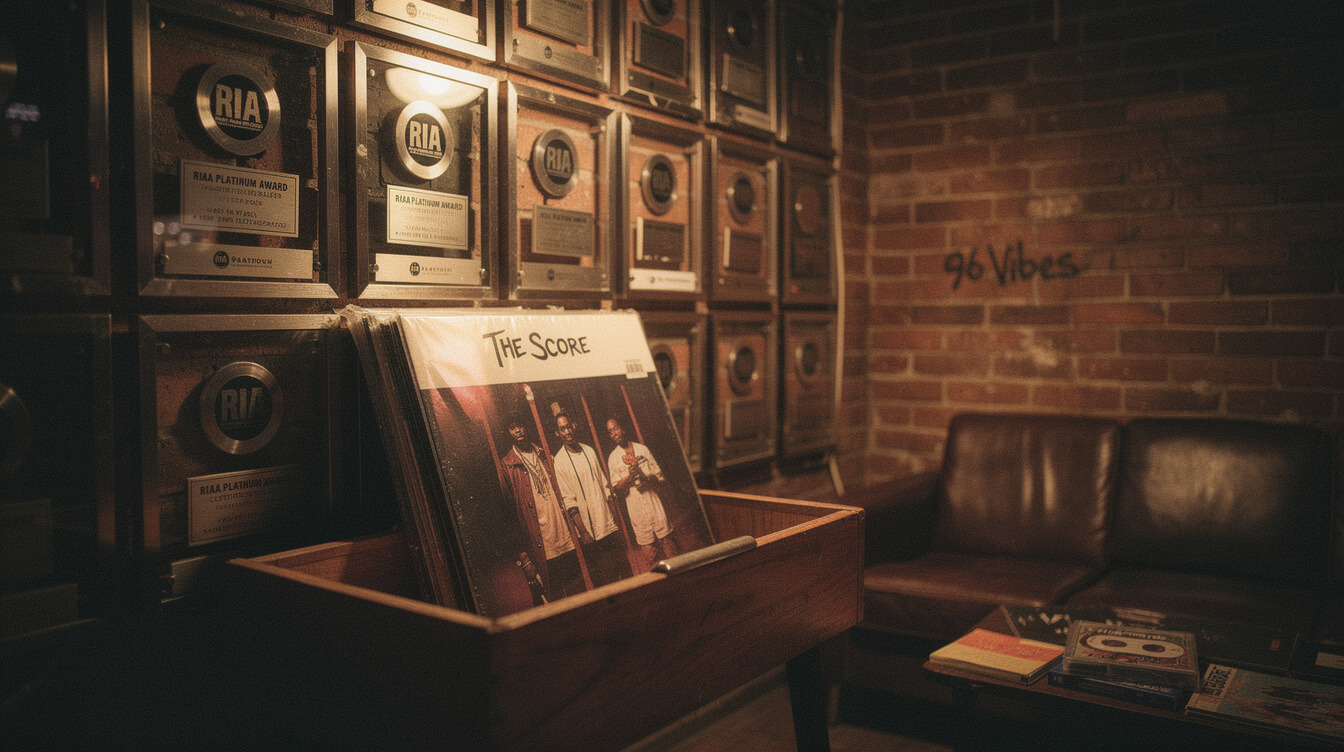
The Score Fugees dropped on February 13, 1996, and by the summer of that year the trio from the Booga Basement — Lauryn Hill, Wyclef Jean, and Prakazrel “Pras” Michel — had done what no rap group had done before or has done since. Twenty-two million copies moved worldwide. Seven-times platinum in the United States. Diamond in France. Number one on the Billboard 200 and eight consecutive weeks atop the R&B/Hip-Hop chart. The Best Rap Album Grammy. And the single “Killing Me Softly” hitting number one in twenty countries.
Thirty years later, The Score is still the best-selling album by any hip-hop group in history — and with the 28th anniversary of Lauryn Hill’s Miseducation just nine days away, it’s time to revisit the Newark-area sophomore album that made everything that followed possible. This is the deep-dive on the score fugees: how three kids with a $135,000 advance and total artistic control built alternative hip-hop’s crossover blueprint, and why the album’s DNA still shows up in every “musical” rap record made in the last three decades.
The Booga Basement Setup: How a $135K Advance and Total Artistic Control Made The Score Possible
To understand The Score, you have to understand what came before it — and what almost didn’t happen at all. The Fugees’ 1994 debut, Blunted on Reality, was a critical and commercial dud. Uneven, tonally scattered, and undersold, it should have ended the group. Any other label executive in 1994 would have written a check for the recoupment and moved on. Chris Schwartz, the head of Ruffhouse Records, did the opposite.
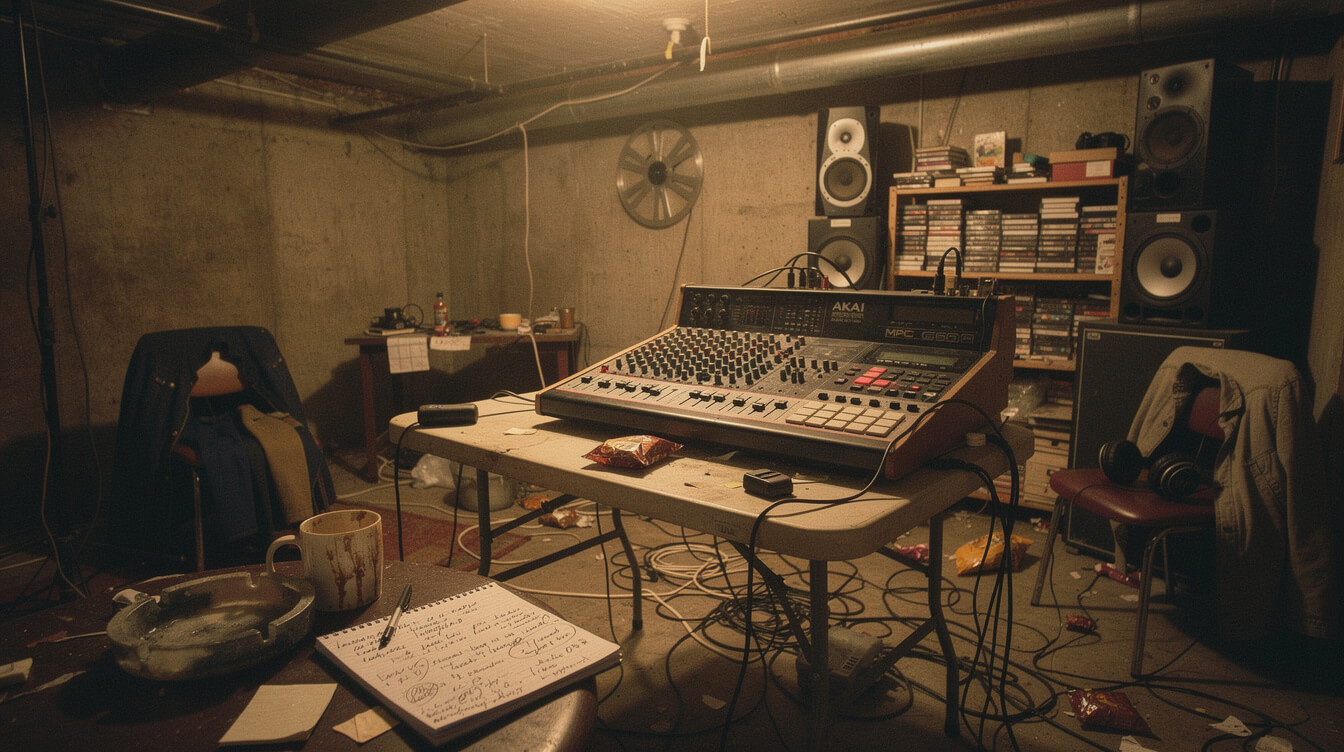
In early 1995, Schwartz handed the trio a $135,000 advance and — here’s the part that changes everything — complete artistic control. No A&R rewrites. No mandate for radio singles. No producer-of-the-moment shoehorned onto the sessions. The Fugees took the money and did what every young artist secretly wants to do with a check that size: they built their own studio. Wyclef Jean’s uncle had a basement in East Orange, New Jersey. They filled it with gear — a mixing board, an Akai sampler, outboard preamps, tape machines — and christened it the Booga Basement.
Recording ran from June through November of 1995 at a pace Wyclef later described as “relaxed… almost unconsciously. There wasn’t any pressure — it was like ‘let’s make some music,’ and it just started forming into something amazing.” That deliberate absence of pressure is the whole story. In an era when hip-hop was pivoting hard into gangsta signifiers and shiny-suit R&B collaborations, three Haitian-American kids in a New Jersey basement were building what Lauryn Hill would later call “an audio film… like how radio was back in the 1940s. It tells a story, and there are cuts and breaks in the music. It’s almost like a hip-hop version of Tommy, like what The Who did for rock music.”
The Booga Basement is where every stylistic instinct on The Score was forged: the reggae-inflected cadences, the live guitar, the Fela-influenced horn arrangements, the sampled Delfonics ache. It’s also where hip-hop’s most consequential three-headed monster figured out that Lauryn Hill could sing lead, rap show-stealing verses, and co-produce — all at nineteen years old. That triple threat is the album’s engine.
Track-by-Track: The Score’s 13-Song Blueprint (and Why the Sample Choices Matter)
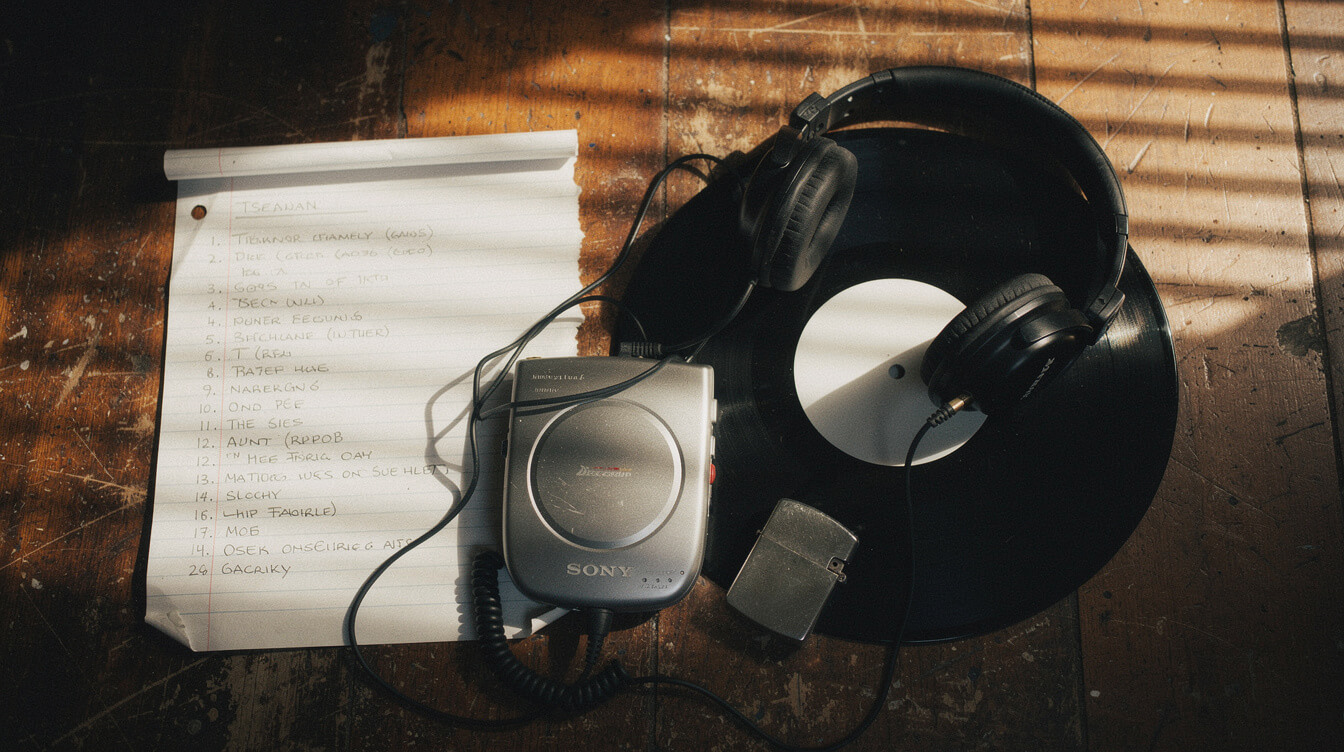
The Score runs 60 minutes and 52 seconds across 13 tracks. Every one of those tracks was built with the same production instinct: interpolate a soul, reggae, or doo-wop classic, then layer live instrumentation and lyrics that read like scripts more than verses. This is the tracklist — and the sample DNA that makes it move.
- “Red Intro” (1:51) — DJ Red Alert and Ras Baraka set the audio-film stage.
- “How Many Mics” (4:28) — Lauryn’s show-stealing opener was named a Hip-Hop Quotable in The Source‘s February 1996 issue. Produced by Wyclef, Shawn King, and Lauryn.
- “Ready or Not” (3:47) — Interpolates The Delfonics’ “Ready or Not, Here I Come (Can’t Hide from Love)” and samples Enya’s “Boadicea.” See our full breakdown of the Enya sample that rewrote music publishing.
- “Zealots” (4:20) — Built on The Flamingos’ “I Only Have Eyes for You.” Wyclef’s second verse is a direct diss at an unnamed Vibe reviewer who wanted him and Pras out of the group.
- “The Beast” (5:37) — Anti-police anthem with a stripped-down groove.
- “Fu-Gee-La” (4:20) — Salaam Remi production interpolating Teena Marie’s “Ooo La La La.” The album’s lead single, released December 13, 1995.
- “Family Business” (5:43) — Featuring John Forté and Omega. Wyclef plays live guitar. The Fela horns are impossible to miss.
- “Killing Me Softly” (4:58) — The Roberta Flack cover, originally by Charles Fox and Norman Gimbel. See the sample-clearance section below for why the Fugees ended up doing a cover instead of the rewrite they wanted.
- “The Score” (5:02) — Featuring Diamond D. The title track is meta: it samples vocal fragments from every previous track on the album.
- “The Mask” (4:50) — Character-study raps about the fronts people wear at work, at home, and on the block.
- “Cowboys” (5:23) — Posse cut featuring the Outsidaz (Young Zee, Rah Digga, Pacewon) and John Forté. Six MCs, spaghetti-western swagger.
- “No Woman, No Cry” (4:33) — The Bob Marley cover with Wyclef on lead, uncredited backing vocals from Stephen Marley, Sharon Marley, and reggae singer Pam Hall.
- “Manifest/Outro” (5:59) — DJ Skribble scratches, a Poor Righteous Teachers sample flip (“Rock Dis Funky Joint”), and Red Alert closes it out.
The sample map matters because it’s the album’s philosophical statement. Where Wu-Tang built 36 Chambers from kung-fu films and dusty soul loops, and Ready to Die leaned on Isaac Hayes-era funk, the Fugees pulled from Celtic ambient (Enya), Philadelphia soul (Delfonics, Thom Bell), doo-wop (Flamingos), reggae (Marley), Jamaican dancehall (Sly & Robbie remix work), and 1970s R&B (Teena Marie). It’s a stateless, borderless record — which is exactly what “Refugees” was pointing at all along.
Killing Me Softly, Fu-Gee-La, Ready or Not: The Three Singles That Broke the Album Worldwide
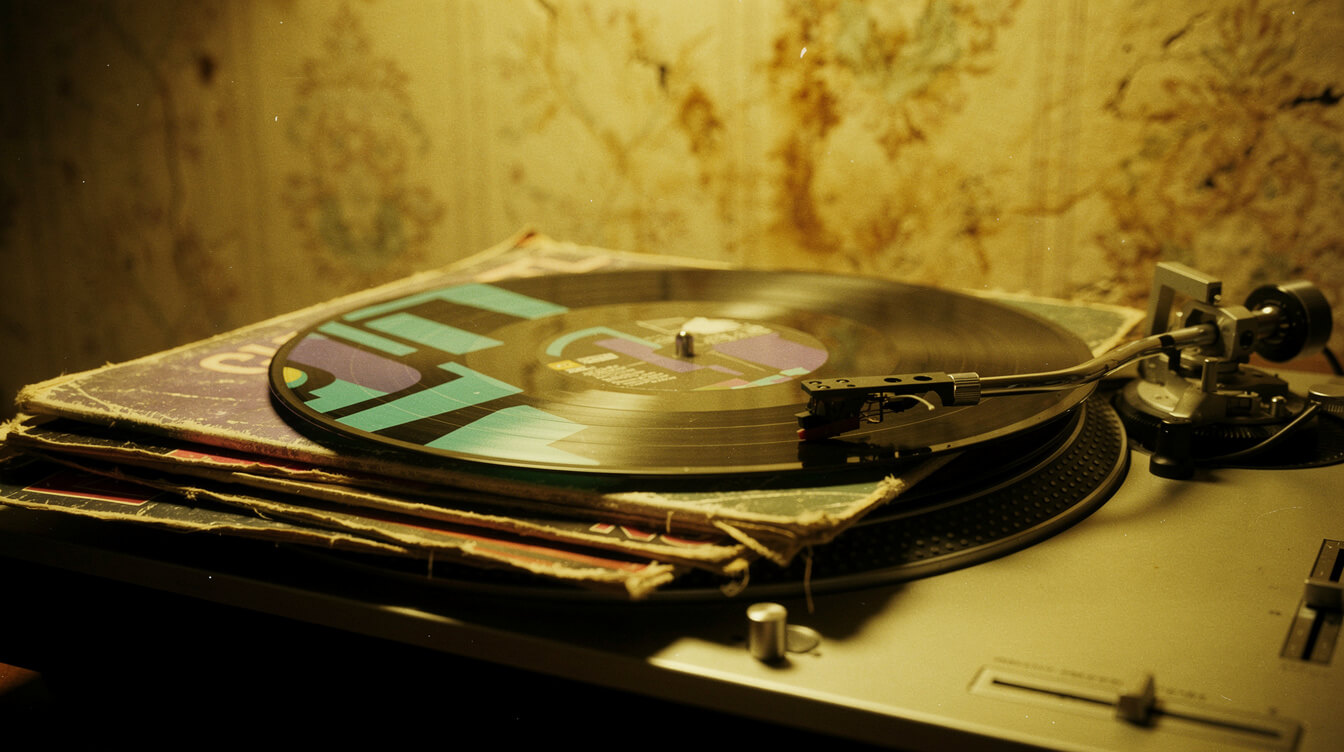
Three singles carried the album to 22 million copies, and each one did work no other rap single of the era could touch.
“Fu-Gee-La” (December 13, 1995)
The advance single, produced by Salaam Remi. It peaked at #29 on the Billboard Hot 100, #13 on Hot R&B/Hip-Hop Songs, and #2 on Hot Rap Songs. That’s a strong rollout single by any measure — but by rap standards in 1995, “Fu-Gee-La” doing crossover pop numbers with a Teena Marie interpolation and Lauryn Hill’s voice out front was already signaling that this album was going to break rules. Three official remixes shipped as bonus tracks (Refugee Camp, Sly & Robbie, Refugee Camp Global), with uncredited Akon vocals on the Sly & Robbie mix — a footnote that would have been a Billboard headline five years later.
“Killing Me Softly” (May 31, 1996)
Here’s where The Score stopped being a hip-hop record and became a global pop phenomenon. Roberta Flack’s 1973 recording of Charles Fox and Norman Gimbel’s “Killing Me Softly with His Song” was the source. Lauryn Hill wanted to rewrite it — she planned to call it “Killing Them Softly” and re-address it to the artistry of a rapper who moves a listener. Fox and Gimbel refused to license the rewrite. They agreed to let the Fugees release a straight cover.
That was, in retrospect, the luckiest publishing decision in modern pop. Lauryn’s cover went to number one in twenty countries. It topped the UK Singles Chart. It became one of the region’s best-selling singles ever. Because Columbia never made the track available for physical purchase in the US, “Killing Me Softly” was ineligible for the Billboard Hot 100 under the pre-1998 rules — but it still hit number one on both Mainstream Top 40 and Rhythmic airplay charts. In 1997 it won the Grammy for Best R&B Performance by a Duo or Group with Vocals.
“Ready or Not” (September 2, 1996)
The third single is arguably the most artistically important. It interpolates The Delfonics’ 1968 Philly-soul heartbreaker “Ready or Not, Here I Come (Can’t Hide from Love),” but the sonic identity comes from an entirely different source — Enya’s “Boadicea” from her 1987 self-titled album. That Celtic ambient wash is what makes “Ready or Not” feel like it’s floating six inches off the ground. Marcus Nispel directed the music video for roughly $1.3 million, which was reported at the time as one of the most expensive music videos ever made. It’s a Bond-film pastiche: helicopters, submarines, three Fugees in tactical gear. In the UK it went to number one for two weeks. In the US it charted at #34 on Rhythmic Top 40. Pras later said Lauryn cut her vocals in tears. “It made me want to cry too.”
The Sample Archaeology: Enya, Delfonics, Teena Marie, and the Near-Lawsuit That Rewrote Publishing
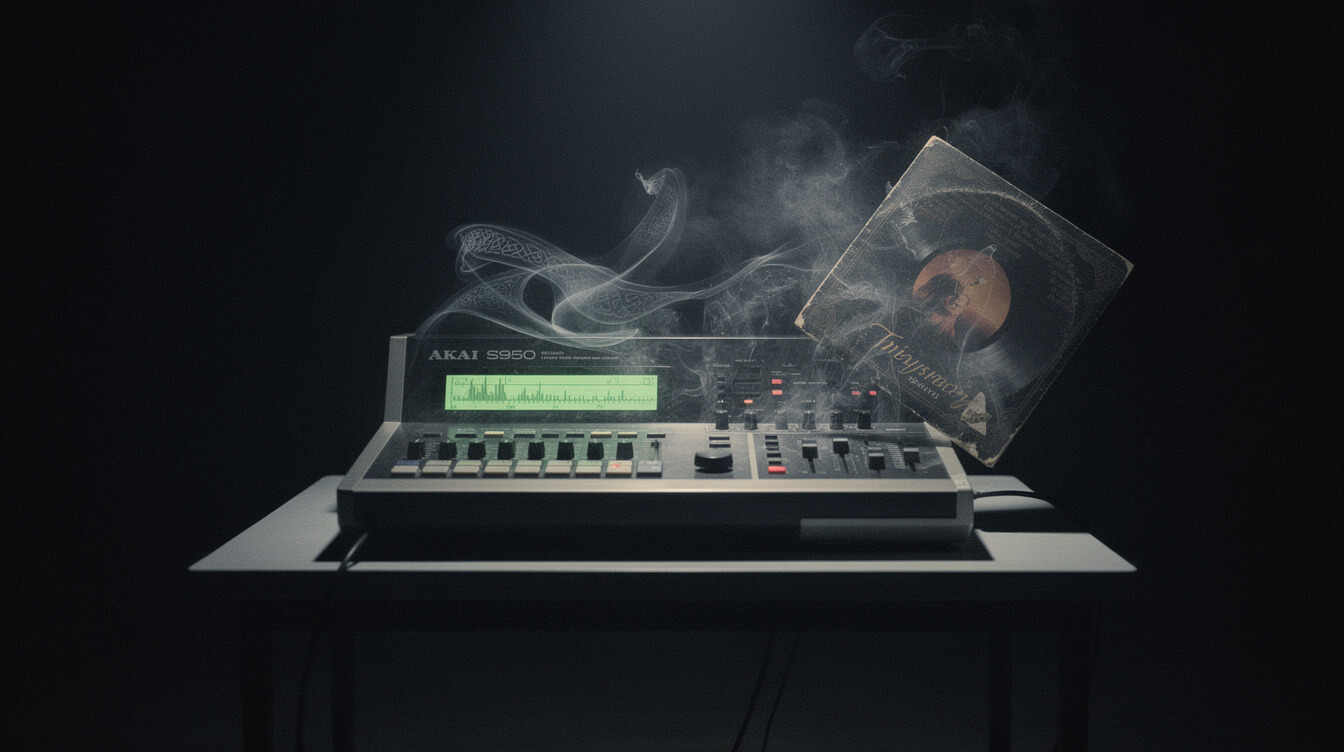
The Score‘s sample game is where the album’s rebel spirit gets legally interesting. Two clearance stories from this record permanently changed how hip-hop lawyers approach publishing.
Enya and “Ready or Not.” The sample of “Boadicea” was originally uncredited. When Enya’s publishing team discovered it, they were fully prepared to sue for infringement — a full-freight statutory-damages copyright suit that could have cost the Fugees more than they earned from the album. Enya reportedly personally intervened. She reviewed the record. And in the story that has become folklore in publishing circles, she decided not to pursue the lawsuit only because she confirmed the Fugees were not gangsta rappers. The sample was retroactively credited, publishing was carved out, and everyone got paid. It’s one of the most consequential retroactive clearances in rap history, and it’s why every A&R and lawyer in the game now checks Celtic and ambient publishing catalogs the way they check obscure funk records.
Charles Fox, Norman Gimbel, and “Killing Me Softly.” This one is more subtle but arguably more important as a precedent. The Fugees didn’t want to cover “Killing Me Softly.” They wanted to rewrite it. Lauryn’s original vision was a piece called “Killing Them Softly” that would flip the song’s romantic devastation into a meditation on being murdered by a rapper’s verse. The composers refused. Their reason was straightforward: a cover license lets a new artist perform an existing composition, but a rewrite license would have required them to endorse the new lyrics. They didn’t want their names attached to Lauryn’s reframing. The Fugees pivoted, released a faithful cover, and — in the ultimate irony — the cover became a bigger hit than any rewrite ever could have been.
Teena Marie and “Fu-Gee-La.” The Teena Marie interpolation of “Ooo La La La” was cleared cleanly. Salaam Remi produced the track knowing exactly what he had. Marie’s estate and camp were credited from day one. This is the mirror-image case to Enya’s — do the paperwork up front and the record makes everyone money for decades.
Add in the sampled Delfonics on “Ready or Not,” the Flamingos on “Zealots,” Poor Righteous Teachers on “Manifest/Outro,” and Bob Marley on “No Woman, No Cry,” and the sample budget for this album must have been enormous. That’s the boring back-office story that makes the whole thing possible — and it’s why, when the Fugees earned out their advance, the record label was still writing checks to publishers thirty years later.
The Grammy Sweep and 22 Million Copies: Chart Numbers That Still Haven’t Been Beaten
Numbers-wise, The Score is a record book unto itself. Here’s the ledger.
On the Billboard 200, it debuted at #1 and held there for weeks that mattered. On the Top R&B/Hip-Hop Albums chart, it stayed at number one for eight consecutive weeks — at the time, the longest number-one run for any hip-hop group in the chart’s history. It topped the 1996 year-end R&B/Hip-Hop chart outright. It became the third best-selling album of 1996 in the United States across all genres — behind only Alanis Morissette’s Jagged Little Pill and Celine Dion’s Falling Into You.
The RIAA has certified The Score seven times platinum in the United States as of February 2021. In France, where the album has been certified Diamond, it is the best-selling album by any American hip-hop act in the country’s chart history. Global sales estimates put lifetime copies moved at 22 million — which briefly made it the best-selling hip-hop album of all time at the moment of that milestone and, as of 2026, remains the best-selling album by any hip-hop group in history.
At the 39th Annual Grammy Awards in 1997, The Score won Best Rap Album. The album’s nomination for Album of the Year is a separate and stranger record: it was the second rap album ever to receive an Album of the Year nomination (after MC Hammer’s Please Hammer Don’t Hurt ‘Em), and the first from a hip-hop group. “Killing Me Softly” took home Best R&B Performance by a Duo or Group with Vocals.
Long-tail acclaim has done nothing but grow. The album is listed on the Rock and Roll Hall of Fame’s 200 Definitive Albums. Rolling Stone‘s 2020 revision of the “500 Greatest Albums of All Time” placed The Score at #134 — higher than most rap albums released since. As of June 2021, it was the fifth-most streamed 1990s hip-hop album on Spotify. Thirty years in, it plays like it dropped last quarter.
What Happened Next: How The Score Launched Miseducation, Carnival, and the End of the Fugees

The cruel arithmetic of The Score is that it was too big. Sales that size force decisions no group is prepared to make. In the 18 months after the album’s release, the Fugees toured, released a companion project (Bootleg Versions, 1996), and started to fracture. Every member had solo material stockpiled. Every member had a manager whispering that a solo album would do The Score-adjacent numbers. And every member had at least one very good reason to think that whisperer was right.
Wyclef went first, in 1997, with The Carnival — a sprawling multi-genre solo album that ended up going double platinum in the US and confirmed his identity as a producer-artist auteur. It’s a fantastic record. It is not The Score.
Pras followed in 1998 with Ghetto Supastar, whose title track (featuring ODB and Mýa) topped charts in 15 countries and briefly made Pras the most commercially successful of the three solo debuts. Sequenced correctly, it’s a legitimate Top-40 pop record. It is also not The Score.
Then, on August 25, 1998, Lauryn Hill released The Miseducation of Lauryn Hill. This is the record that reframed everything. It won five Grammys, including Album of the Year — the first hip-hop-inflected record to ever win the category. It sold 8 million copies in the US alone. It is one of the two or three most-cited albums in modern R&B lineage discussions. And it made The Score retroactively feel like a warm-up act for the main event.
To understand the full arc — how Miseducation extended, complicated, and eventually eclipsed the Fugees legacy for one member — read our complete Lauryn Hill discography guide, which walks through all four of her solo records and the 30-year touring arc that connects them.
The reunion attempts
The Fugees have never made another studio album together, and at this point they probably never will. There have been reunion shows — an aborted 2005 comeback attempt, a 2021 25th-anniversary tour that was postponed by the pandemic and then canceled — but the deep-rooted business and personal disagreements between the three members have kept a proper reunion out of reach. Pras’s federal conviction on foreign-lobbying charges in 2023 complicated things further. See our Lauryn Hill tour history for the full 25th-anniversary chronology and every teased-and-canceled Fugees reunion since.
If you’re looking for a modern rap artist carrying the Lauryn Hill lyrical torch — the same insistence on craft, cultural literacy, and moral seriousness — Rapsody is the current standard-bearer. Our Rapsody Laila’s Wisdom T-Shirt honors the 2017 Roc Nation debut that made critics start pulling the “next Lauryn” comparisons for real.
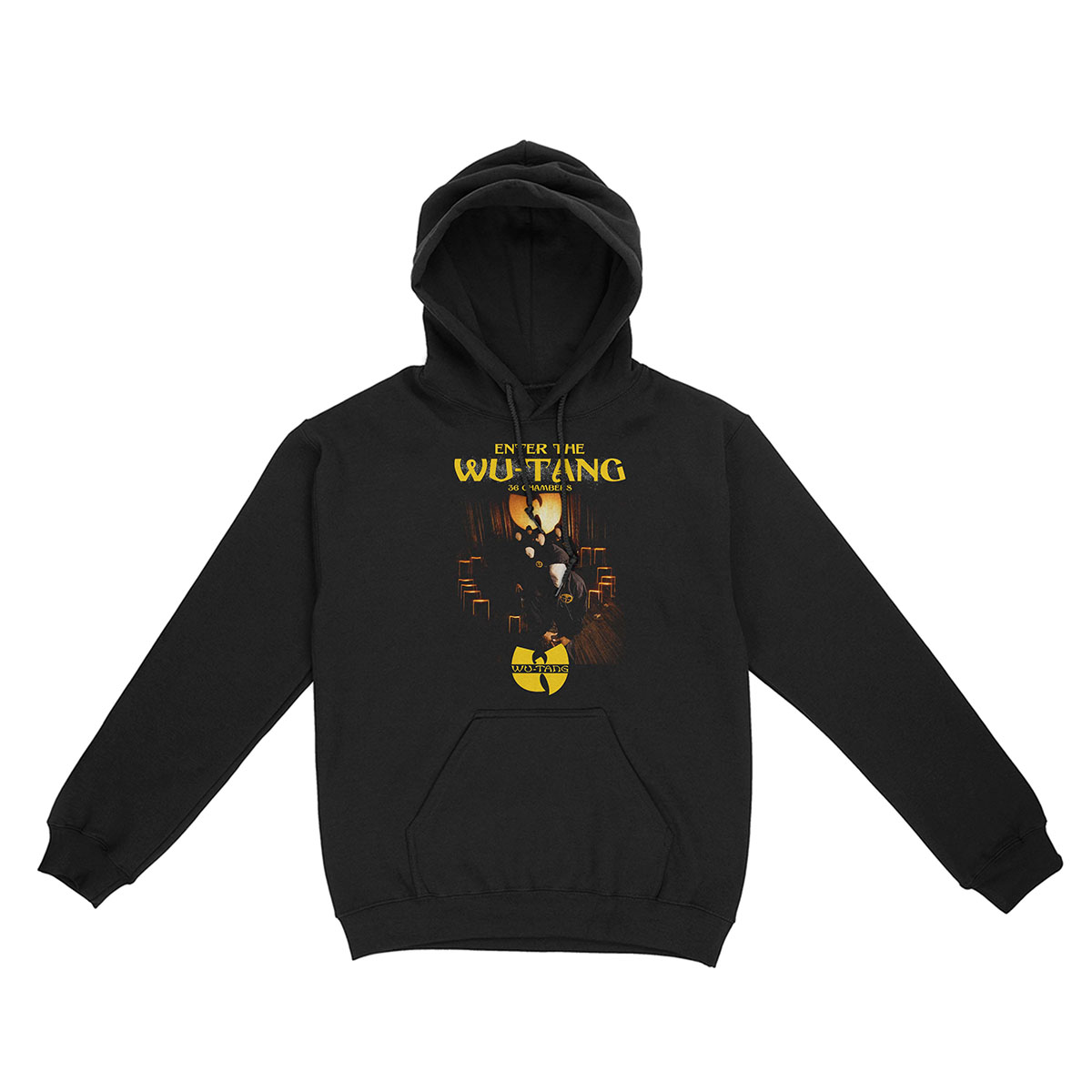
Enter The Wu-Tang: The 1993 Companion to The Score
Two Newark-area records, two years apart, redrew the East Coast map. Rep the other half of the mid-90s alt-hip-hop foundation with the Enter The Wu-Tang (36 Chambers) hoodie — screen-printed on premium heavyweight cotton.
The Score at 30: Why the Album Aged Into Alt-Hip-Hop Canon
Certain records are called “important” as a polite way of saying they no longer play well. The Score is not one of them. Put on “How Many Mics” or “The Beast” or the “Ready or Not” chorus in 2026 and the room reorients. What was a commercial anomaly in 1996 has become, three decades later, the sonic and philosophical template for an entire lane of hip-hop.
Consider the family tree. When Kanye West built Late Registration‘s string arrangements with Jon Brion in 2005, when Common laid Be over the top of soul samples that year, when The Roots stopped playing hip-hop’s backing band and started headlining festivals, when Lupe Fiasco layered concept-album ambition onto rap in 2006, when J. Cole staked a career on “in-my-head” lyricism and organic production, when Kendrick Lamar built To Pimp a Butterfly‘s jazz-live scaffolding — every one of those creative choices has a lineage that runs directly back through Lauryn Hill’s Miseducation, and every branch of Miseducation runs directly back to a Fugees basement in East Orange.
The album also aged into a foundational reference for how women in hip-hop are heard. Lauryn Hill’s presence on this record is not a featured-guest situation. She raps as many bars as either of her groupmates and she does it better. She sings the biggest hooks and she does that better too. She co-produces the singles that broke the album and she does that better than most producers on the label. In 1996, that combination was theoretically possible and empirically almost unseen. In 2026, it is the standard against which any woman-fronted rap project is measured. That standard was set on The Score.
Streaming has been kind to the record. As of 2021, it was the fifth-most streamed 1990s hip-hop album on Spotify — a position it has held or improved on since. That’s not a nostalgia number. That’s people finding the record for the first time in 2024 and 2025 and 2026 and pressing play until they hit the end. Records that survive discovery like that are records that were built to last.
Frequently Asked Questions About Fugees The Score
When did Fugees release The Score?
February 13, 1996, on Ruffhouse/Columbia Records. The album was recorded between June and November 1995 at the Booga Basement studio in East Orange, New Jersey.
How many copies has The Score Fugees sold?
Approximately 22 million copies worldwide, including seven-times platinum RIAA certification in the United States and Diamond certification in France. It is the best-selling album by any hip-hop group in history.
What samples are on The Score?
Key samples include Enya’s “Boadicea” and The Delfonics’ “Ready or Not, Here I Come” on “Ready or Not”; Teena Marie’s “Ooo La La La” on “Fu-Gee-La”; The Flamingos’ “I Only Have Eyes for You” on “Zealots”; The Headhunters’ “God Made Me Funky” on “Ready or Not”; and Poor Righteous Teachers’ “Rock Dis Funky Joint” on “Manifest/Outro.” “Killing Me Softly” is a cover of the Charles Fox / Norman Gimbel composition.
Did The Score win a Grammy?
Yes. At the 39th Annual Grammy Awards in 1997, The Score won Best Rap Album, and “Killing Me Softly” won Best R&B Performance by a Duo or Group with Vocals. The album was also nominated for Album of the Year — only the second rap album ever nominated in that category and the first from a hip-hop group.
Who produced Fugees The Score?
Primary production credits go to Wyclef Jean, Lauryn Hill, Pras, and Jerry “Te Bass” Duplessis. Additional production came from Salaam Remi (who produced “Fu-Gee-La”), Diamond D (who produced the title track), John Forté, Shawn King, and Warren Riker.
Will the Fugees ever tour or record again?
Full reunions have been repeatedly attempted and repeatedly canceled — most notably the 2021 25th-anniversary tour that was postponed by the pandemic and later called off. Ongoing business, personal, and legal issues (including Pras Michel’s 2023 federal conviction) make a full studio reunion unlikely. Occasional one-off appearances have happened. See our Lauryn Hill tour history for the full anniversary-cycle chronology.
Final Thoughts: Thirty Years of an Album That Refused to Sit Still
The Score Fugees is a record about identity, migration, resistance, and craft — themes it takes seriously without ever tipping into self-importance. It is also a record that made 22 million people believe hip-hop could contain a Bob Marley cover, an Enya sample, a Roberta Flack tribute, a Fela horn line, a six-MC posse cut, and a Delfonics interpolation without losing its rap bona fides for a single bar. It won every major award available to it in its era. It launched two solo careers that went double platinum, and one — The Miseducation of Lauryn Hill, released on the 28-years-ago-next-week date of August 25, 1998 — that reshaped the entire genre.
Thirty years in, The Score still sounds like it was cut for tonight. And that’s the highest compliment any 1996 record can be paid.
Stay creative — The Custom Creative Team
Hip-Hop History in Your Inbox
Album-anniversary deep-dives, sample archaeology, and the artist stories the algorithm keeps pushing down the feed — delivered when they matter, never when they don’t.

🎧 Never Miss a Drop
Exclusive product releases, hip-hop deep dives, and member-only discounts. Straight to your inbox.
Free forever. No spam. Unsubscribe anytime.
Get the Culture, Delivered
Deep dives into hip-hop history, exclusive product drops, and discounts sent straight to your inbox. No spam, just culture.
Join 2,000+ hip-hop heads already in the loop. Unsubscribe anytime.