So Be It by Clipse: The Sample That Almost Vanished, the Travis Scott Receipts, and the 16-Year Return Decoded
Clipse’s “So Be It” isn’t a single. It’s a tripwire. Track four on Let God Sort Em Out, three minutes and fourteen seconds long, the song almost didn’t survive its own release day — the Saudi sample at its core failed to clear in time for the July 11, 2025 drop, and for a brief, weird window streaming services served a sampleless alternate (“So Be It Pt. II”) before Swizz Beatz called in a favor through his Saudi connections and the original was restored. That story alone would be enough. But “So Be It” is also a Travis Scott diss with the receipts laid out in plain language, a No Malice eulogy for the Neptunes hidden inside a flex, and the cleanest distillation of why Clipse’s sixteen-year silence ended exactly when and how it did. This is the definitive breakdown — not a lyrics page, not a SERP recap. The full braided story of so be it clipse, end to end.
The Three Minutes and Fourteen Seconds That Pulled Clipse Back
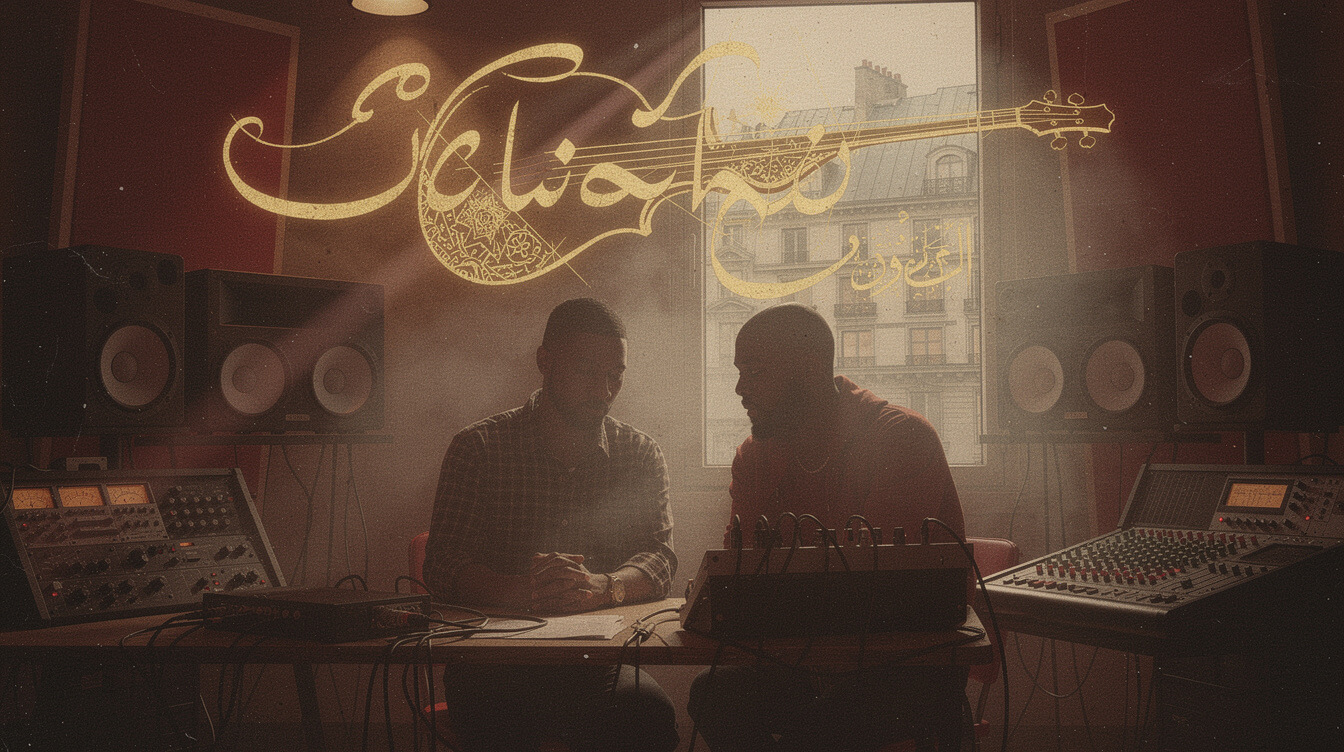
Pusha T and No Malice spent the better part of two decades not making Clipse records. There were Pusha solo runs (the Daytona peak, the Drake war, It’s Almost Dry), a No Malice reinvention into a faith-led artist, an attempt at a 2014 album that quietly evaporated, and a Pharrell production catalog that drifted further from the lean, militaristic coke-rap that built the brothers’ name in the first place. The first sustained sign that something might actually happen was a GQ cover story in 2024 where Pusha all but said it — and then “Ace Trumpets” arrived as the first promotional record in early 2025, with “So Be It” landing as the second.
Three minutes and fourteen seconds is not a long time to reset a discography. But “So Be It” does it. The beat is Pharrell at his most economical — a Middle Eastern violin loop, sparse drums, the kind of “backwards” 808 thump that turns a verse into a sentence you finish with your jaw. Pusha and Malice trade nothing — no hook, no bridge, no chorus to speak of, just three blocks of writing that escalate. By the time No Malice closes with “no more Neptunes, peace Saturn,” the record has already done its job: it has reminded a generation of listeners what a Clipse record is supposed to feel like, and it has put the rest of the rap world on notice that the brothers came back with their pens still loaded.
The contested critical read is where to take a stance. Vibe and HotNewHipHop both called the song an album-of-the-year contender. Pitchfork’s Alphonse Pierre, reviewing Let God Sort Em Out, wrote that “Pusha and Malice’s hearts aren’t in their disses.” That read isn’t wrong on its face — there’s a measured, almost procedural quality to the way Pusha lays out the Travis Scott receipts. But it misreads the temperature on purpose. Clipse have never been a “hearts in it” group in the screaming sense. The whole brand is restraint. The brothers menace by enumeration, not by volume. On “So Be It” they enumerate cleanly, and the result is the song that defines the record.
The Sample That Almost Vanished: Talal Maddah and the Swizz Beatz Saudi Rescue
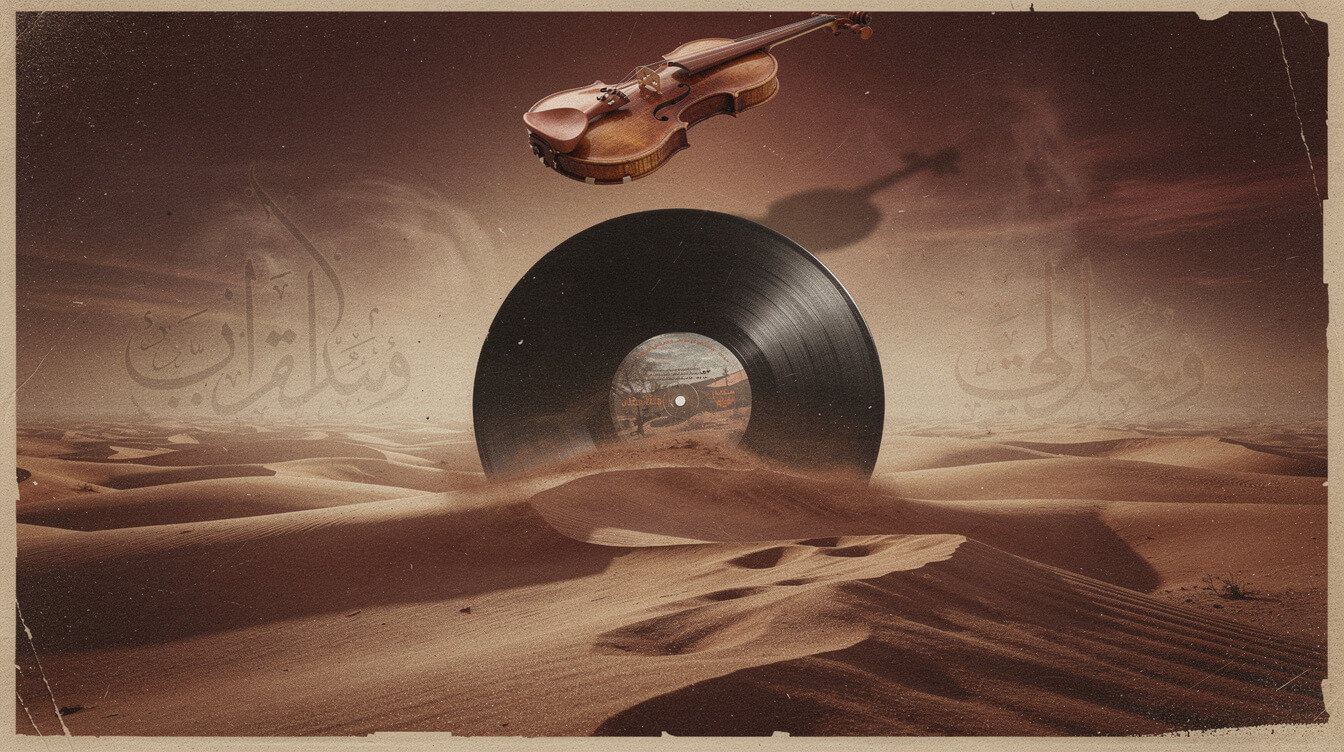
The looped violin and vocal phrase at the spine of “So Be It” is lifted from “Maza Akloulou” by Talal Maddah — a Saudi Arabian singer often called “the Voice of the Earth,” who died on stage in 2000 mid-performance and is a foundational figure in Khaleeji music. That is not background trivia. The sample is the song. Strip it out and you have a sparse drum loop with nothing to push against; leave it in and you have one of the most distinctive sonic palettes Pharrell has built in a decade.
The cleanup for the sample did not happen in time. Let God Sort Em Out dropped on July 11, 2025, and for a small window on release day the version of “So Be It” on streaming was not the version Clipse wanted. Pharrell had built a second alternate take — quietly cataloged as “So Be It Pt. II” — that contained no Talal Maddah sample at all, intended as a contingency in case the clearance came through after release. For a few hours, that contingency was the official version. Listeners pulling up the album on Spotify and Apple Music on launch morning briefly heard a version of the song the producer had built specifically to be replaceable.
The fix came through Swizz Beatz. The producer’s deep relationships in the Gulf — built across years of curating concerts and cultural exchange in Saudi Arabia and the UAE — translated into a direct line to the rights-holders for Maddah’s catalog. The clearance came through within the day. The original sampled version replaced “Pt. II” on streaming, and the Pt. II take quietly disappeared from the official tracklist on later pressings. Physical first-run vinyl pressings, however, were committed before the fix landed — collectors hunting the day-one variants have been logging the discrepancy across the various Let God Sort Em Out vinyl pressings ever since, and a clean copy of an early pressing with the Pt. II tracklist is already a future grail.
The sample saga matters because it tells you something about how the record was assembled. Pharrell did not build “So Be It” assuming the clearance would arrive on time. He built it knowing it might not, with a backup ready, and pushed for the original anyway. That is a Pharrell-circa-1999 decision — favor the harder loop, ship the contingency only if forced. The fact that the original ended up the version of record is what made the song instantly identifiable. The Maddah loop has now soundtracked late-night cyphers, BBL Drizzy-tier remix threads, and at least one Kimmel performance.
Pharrell Built It in Paris — Inside the Louis Vuitton HQ Session
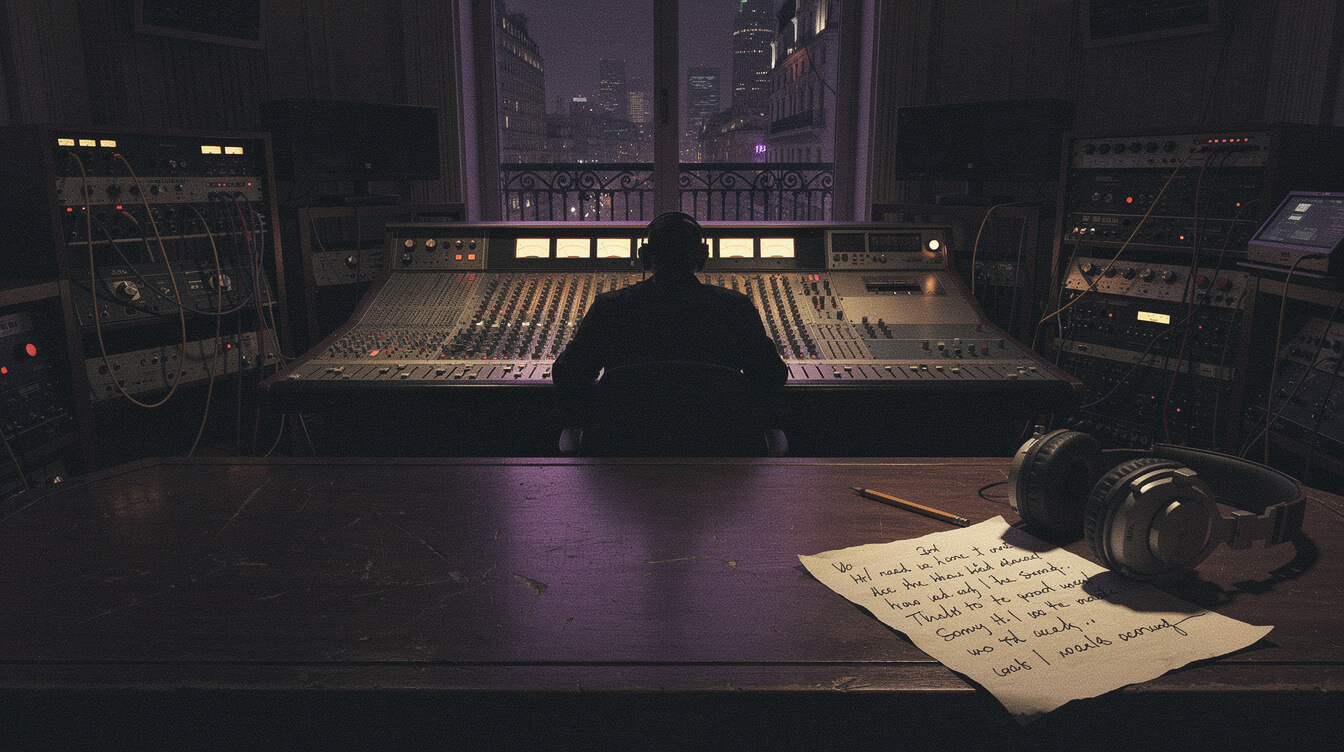
The Pharrell of 2025 is not the Pharrell of 2002. He is the men’s creative director of Louis Vuitton, working out of a Parisian studio annexed to the LVMH operation, and that is where most of Let God Sort Em Out — including “So Be It” — was built. Complex’s cover-story reporting on the album puts Pusha and Malice in that Paris studio across multiple sessions, watching Pharrell lay down beats live, swapping verses, and absorbing the foot traffic of the building. The foot traffic is the second half of the diss story.
That production environment shows up in the record. The sparseness of the beat — three or four elements doing all the work, the Maddah loop as the only ornament — is the sound of a producer building inside a luxury house’s working studio, where the gear is immaculate and the temptation to overstuff is real but resisted. Pharrell credits the entire album to himself; there are no outside producers on the tracklist, no co-production credits, no “produced by The Neptunes” — and that absence is, as No Malice will make explicit on this very track, deliberate.
The brothers also brought a deliberately old-fashioned writing ritual to those Paris sessions. Both have talked in interviews about returning to handwritten notebooks for Let God Sort Em Out — Pusha in particular has spoken about wanting to feel the friction of a verse on paper again. “So Be It” reads like a written record. The bars compress the way a written verse compresses; there are no off-the-dome moments, no improvised flourishes that wouldn’t survive a second draft. Every line carries weight because every line was meant to.
Reading the Diss — Travis Scott, Kanye, Jim Jones, A.E. Edwards
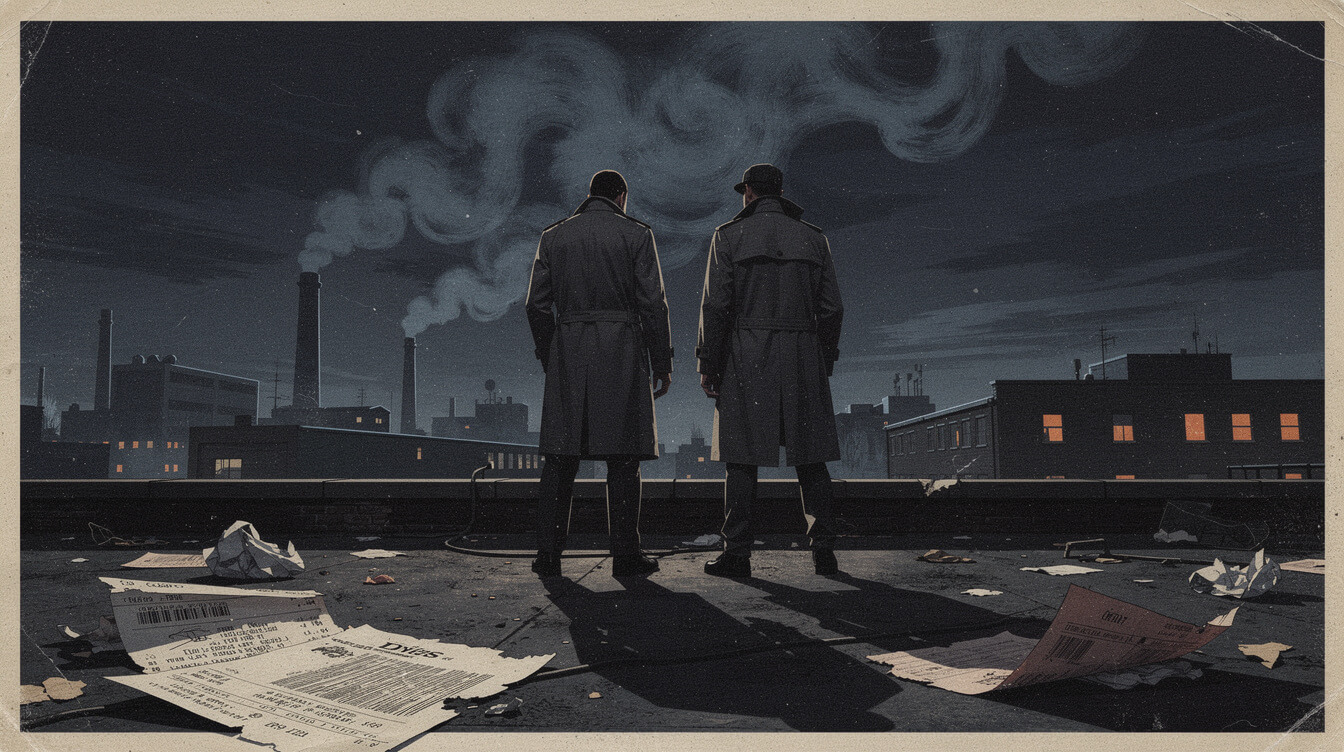
The headline diss target on “So Be It” is Travis Scott, and the receipts are the cleanest part of the song. Pusha’s third verse references Calabasas, Kylie Jenner, and Utopia — the three load-bearing identifiers — and ties them back to a Paris incident in which Travis allegedly walked into the same Pharrell sessions Clipse were recording in, an intrusion Pusha frames as both personal and procedural. The “Meltdown” chains line in particular — a callback to the 2023 Travis song that took a public shot at Pusha — functions as the dated receipt. Pusha is not throwing shots in the abstract. He is itemizing.
The Travis read is the surface read. Below it sits a secondary cluster of targets that the average listener has missed. There are shots at Kanye West throughout the record — the Pusha-Kanye fallout following Pusha’s Daytona-era handling of the Kid Cudi situation has continued to widen, and “So Be It” pushes another inch. There is a reference some listeners have logged as a pointer at A.E. Edwards (the security figure who has surfaced in multiple Travis-adjacent stories and has clashed with Pusha’s associates), though that specific read is contested. And No Malice’s third verse contains a clean shot at Jim Jones, who has spent the better part of 2025 trading low-grade jabs with Pusha across podcasts and interviews. The Jim Jones moment is the more revealing one: No Malice rarely engages in petty beef, and when he does, the target has earned it.
The diss work on “So Be It” rewards close reading the way the Lord Willin’ era’s coke-rap parables rewarded close reading. There is no theatrical aggression. Pusha lays his targets out, marks them with dates and locations, and walks away. The line that closes the verse — the title hook itself, “so be it” — functions like a notary stamp. Whatever just got said is the final word on it. For heads who treat this record like the event it was, we made a Let God Sort Em Out tee built around the album-art moment “So Be It” anchors — Pusha and No Malice, Virginia, Pharrell at the boards, the proof-of-life year compressed into one wearable piece.
“No More Neptunes, Peace Saturn” — The Grief Buried in a Victory Lap
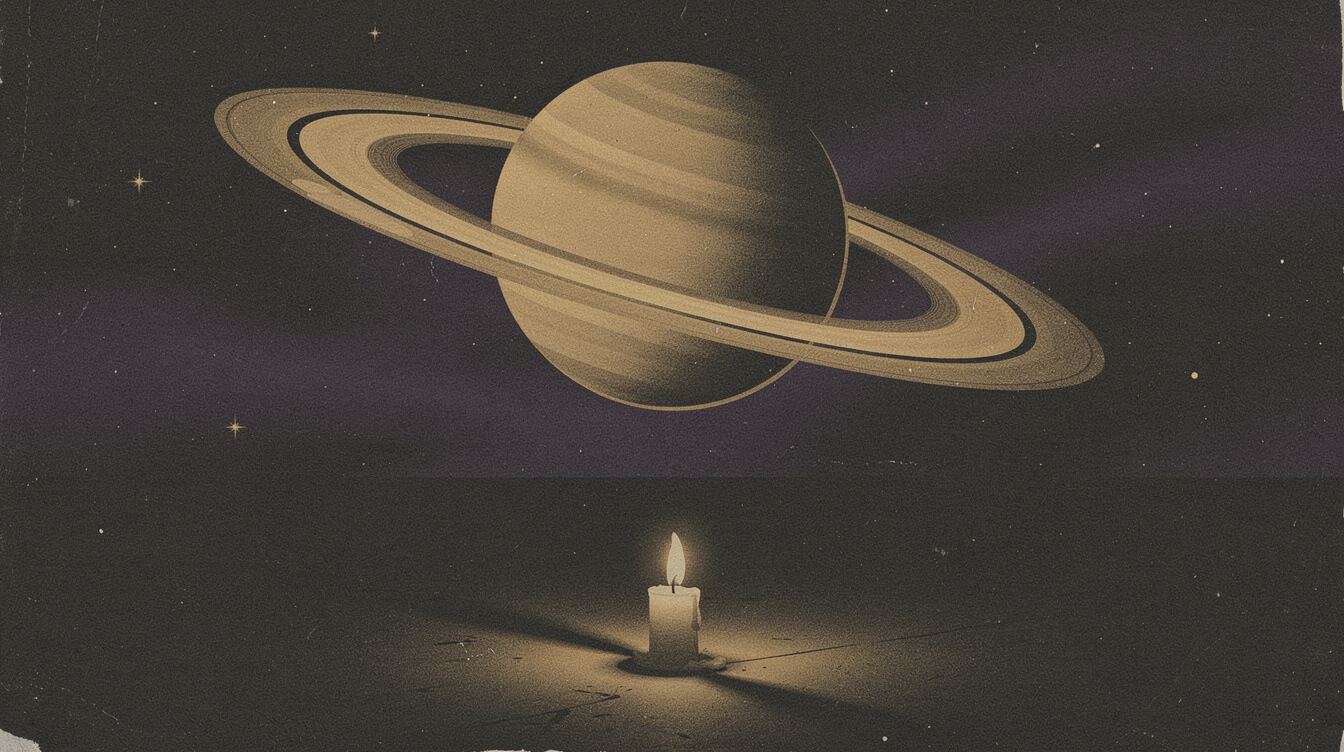
The most slept-on bar on “So Be It” is one that almost no SERP result indexes correctly. In No Malice’s verse, buried inside what reads on first listen as a flex, Malice delivers: “no more Neptunes, peace Saturn.” That is not a throwaway. It is the closest thing the album has to a thesis on the Pharrell-Chad Hugo schism — the legal dispute over the rights to the Neptunes name that became public in 2024 and that has effectively ended The Neptunes as a working producer duo.
Pharrell has been producing Let God Sort Em Out alone, with no Chad Hugo presence, and the album’s sound reflects that absence — leaner, sparser, less of the maximal R&B-into-rap funk that defined the Neptunes’ early-2000s peak. Clipse have known Pharrell and Chad since the Virginia Beach origin story. The Hugo brothers and the Thornton brothers grew up in the same scene. For No Malice — the more contemplative writer of the two — to nod at the schism in a single, devastating six-syllable phrase is its own kind of public mourning. “Peace Saturn” is a farewell, polite, definitive, and final.
The reason that line lands so hard is because it is one of the only moments on the entire album where the proof-of-life energy briefly cracks into something quieter and more honest. Most of Let God Sort Em Out is a record that does not want you to feel sorry for it. The Saturn line is the exception. It tells you that, for all the Paris sessions and Vuitton-adjacent sheen, the people making this record understand that an era of their lives — and an era of Pharrell’s career — has closed. The flex is real. So is the grief.
Where “So Be It” Sits in the 16-Year Clipse Mythology
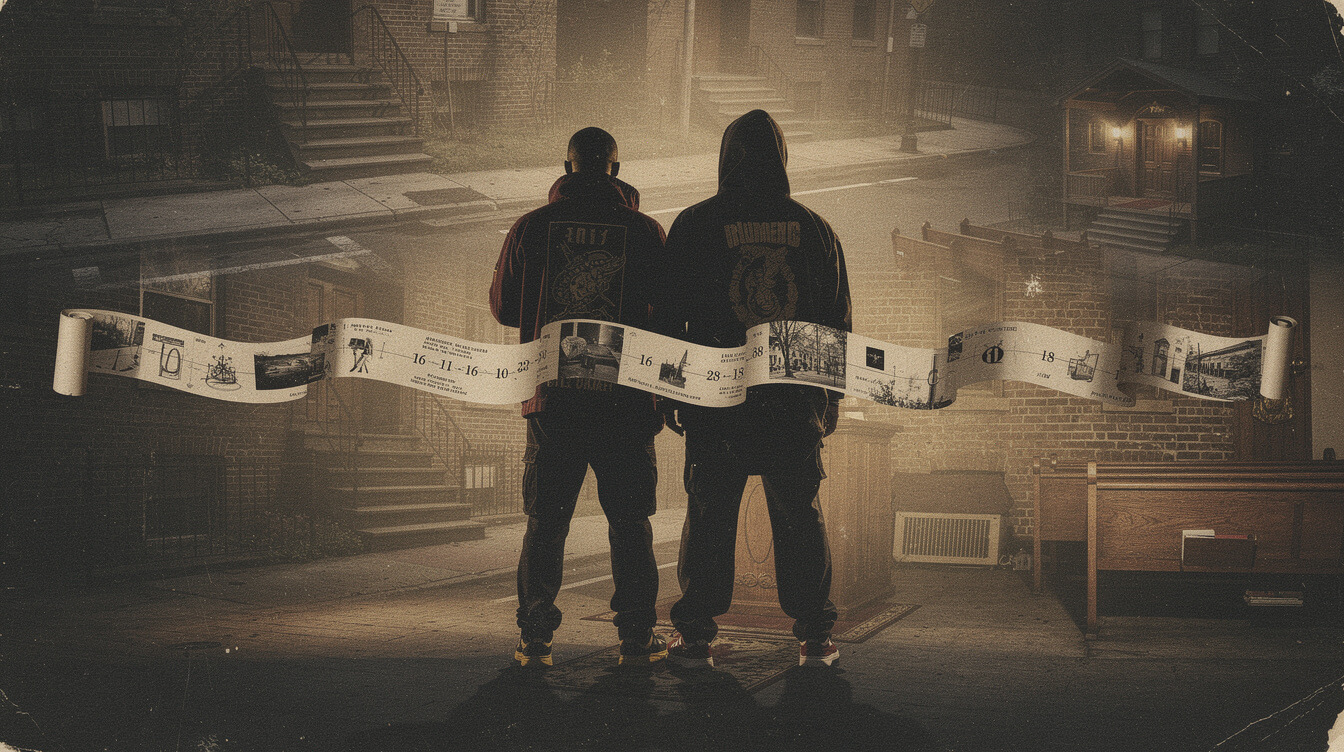
It is worth saying plainly: Clipse have made exactly four albums in twenty-three years. Lord Willin’ (2002), Hell Hath No Fury (2006), Til the Casket Drops (2009), and Let God Sort Em Out (2025). The gap between the third and fourth is sixteen years. There has never been a four-album rap discography this lean and this load-bearing — every record carries an outsized share of the brand. “So Be It,” because it is the second promotional single and the first track on the album that fully sets the brothers in front of new listeners, ends up doing the proof-of-life work for the entire run.
Place it in lineage. The cold militaristic palette of Hell Hath No Fury is the closest direct ancestor — same restraint, same enumeration, same “the verse is the verse” pacing. “So Be It” reads like a record that could have lived on HHNF‘s tracklist if you dropped it back nineteen years, which is precisely the point. The brothers came back not pretending sixteen years didn’t happen, but also not letting sixteen years rewire what made them Clipse. The Maddah sample is new. The pen is not.
The album’s live and merch rollout has matched the record’s restraint. The tour cycle behind Let God Sort Em Out, which we tracked in the full Let God Sort Em Out tour recap, has favored mid-size venues and tight ninety-minute sets over festival-scale spectacle — which is in keeping with the album’s mood. The merch line, including the Carhartt collaboration that arrived alongside the rollout (logged in our Carhartt collab breakdown), has stayed equally lean: workwear silhouettes, restrained graphics, no maximalism. The whole campaign understands that Clipse’s brand equity is built on what they leave out.
“So Be It” is the cleanest distillation of that brand equity. The samples have changed, the producer’s day job has changed, the geography of the studio has changed. The discipline has not. That is the proof of life.
Where the Record Sits on the Album, and Why That Matters
Let God Sort Em Out opens with “The Birds Don’t Sing,” a Pusha-led mood piece that establishes the album’s grief-and-resolve register. “Chains & Whips” lands second with the Kendrick Lamar feature that dominated the early news cycle. “P.O.V.” comes third. “So Be It” sits fourth — which is the album’s first true Clipse-only flex moment, and the first track that does not lean on a guest verse to do its work. That sequencing is not accidental. The brothers wanted the proof-of-life record to land after the album had earned its weight with three opening statements, and before the back half slid into longer, more introspective tracks. As track four, “So Be It” is the load-bearing column of the front half.
The chart performance has been modest by mainstream-rap standards and significant by Clipse standards. “So Be It” peaked at #97 on Canada’s Hot 100 chart and #173 on Billboard’s Global 200 — numbers that, for a 16-year-return single from a duo with no contemporary radio play, function less as a benchmark and more as evidence that the song traveled past its core audience. The Jimmy Kimmel Live! performance in October 2025 gave the record a national-TV moment that did not exist in 2009. The cultural footprint, in other words, has outsized the streaming numbers, which is exactly what a Clipse record should do.
For the fuller picture of the era this record belongs to, our complete Clipse vinyl collector’s guide traces how each of the four albums has been pressed and re-pressed across two decades, and where Let God Sort Em Out sits in that physical-media lineage. “So Be It” is the song that earns the album its place in that catalog. Everything else on the record either builds toward it or builds out from it.
Frequently Asked Questions
What does “So Be It” by Clipse mean?
It is a proof-of-life flex-and-warning record off Let God Sort Em Out — Pusha T and No Malice asserting wealth, loyalty, and dominance after sixteen years away, with the title hook “so be it” framing every threat and grievance as a settled, consequence-free fact.
Who is Pusha T dissing on “So Be It”?
Primarily Travis Scott in the final verse (the Kylie Jenner / Calabasas / Utopia references). Pusha also takes shots at Kanye West and references the security figure A.E. Edwards; No Malice sends shots at Jim Jones in the third verse.
What is the sample in “So Be It”?
Pharrell flipped “Maza Akloulou” by Saudi Arabian music legend Talal Maddah — a Middle Eastern violin and vocal loop layered over sparse, thumping drums and “backwards” 808s.
Why is there a “So Be It Pt. II”?
The Talal Maddah sample failed to clear in time for the July 11, 2025 album release, so Pharrell produced an alternate version without the sample (“So Be It Pt. II”) that briefly appeared on streaming services on launch day. The original — cleared with help from Swizz Beatz’s Saudi connections — replaced Pt. II within the day.
Is “So Be It” on Spotify?
Yes. After the sample was cleared, the original sampled version replaced the temporary Pt. II on streaming services. The Pt. II take was not on the official tracklist for the digital release once the fix landed, though it briefly appeared on some early physical pressings.
Who produced “So Be It”?
Pharrell Williams — who produced the entire Let God Sort Em Out album solo, with no Chad Hugo (Neptunes) co-production.
What album is “So Be It” on, and what track is it?
It is track four on Clipse’s Let God Sort Em Out (2025, Roc Nation), the duo’s first album in sixteen years.
What’s the “no more Neptunes, peace Saturn” line about?
No Malice nods to Pharrell now operating as a solo producer, alluding to the legal dispute between Pharrell and Chad Hugo over rights to The Neptunes name — a quiet eulogy for the duo, buried inside a victory-lap verse.
Final Thoughts
“So Be It” is the kind of song that only happens when an artist has spent a decade and a half not making the thing they are about to make. Sixteen years of silence is not normally a creative advantage. For Clipse, it forced the brothers to come back with no slack — every line had to earn its keep, every beat had to justify the wait. Pharrell understood the assignment. So did Pusha and No Malice. The result is a three-minute-fourteen-second track that does the work a full comeback album would normally need an hour to do.
The Talal Maddah sample, the Pt. II contingency, the Travis Scott receipts, the Jim Jones jab, the buried Neptunes elegy — every detail on this record is load-bearing. That is the Clipse brand. Nothing decorative. Everything earns its keep. Sixteen years out, the brothers’ discipline is exactly intact, and “So Be It” is the proof.
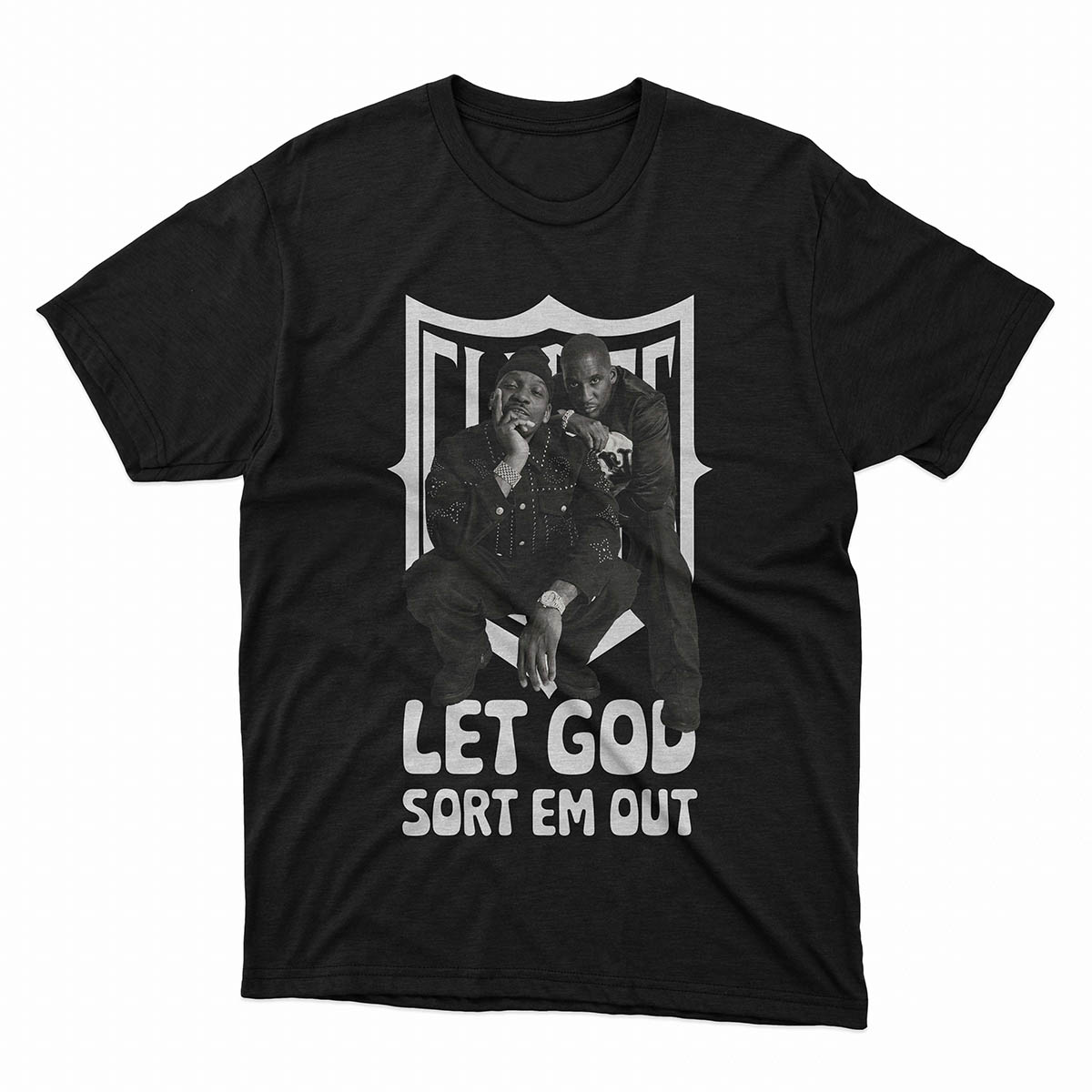
Rep the 16-Year Return
We built a Clipse Let God Sort Em Out tee for the heads who treat this album like the event it actually was. Pusha, Malice, Virginia, Pharrell at the boards — the moment “So Be It” anchors, on a black tee, sizes XS–3XL.
Get the Culture in Your Inbox
Album breakdowns, sample receipts, and new drops from Custom Creative — straight to your inbox, never watered down.

🎧 Never Miss a Drop
Exclusive product releases, hip-hop deep dives, and member-only discounts. Straight to your inbox.
Free forever. No spam. Unsubscribe anytime.
Get the Culture, Delivered
Deep dives into hip-hop history, exclusive product drops, and discounts sent straight to your inbox. No spam, just culture.
Join 2,000+ hip-hop heads already in the loop. Unsubscribe anytime.