The Ice Cube Boyz n the Hood Story: How Doughboy Turned Rap’s Angriest Voice Into a Movie Star
Before Ice Cube was a movie star, a franchise owner or a director, he was a 20-year-old who had just walked out of the most dangerous group in rap and was figuring out what came next. The Ice Cube Boyz n the Hood story starts there. Inside roughly two years, Cube left N.W.A, dropped a solo debut produced by the Bomb Squad, played Darrin “Doughboy” Baker in John Singleton’s first film, and released Death Certificate. The role didn’t soften his records. It proved the most feared voice in rap could hold a movie screen without changing a word of what he was saying.
This is the rap-history read on the film: how a USC student talked his way into Cube’s car, why the first audition went badly, who else from N.W.A was supposed to be in it, what’s actually on the soundtrack, and how Doughboy opened the lane that led to Friday. Every date here comes from the receipts: RIAA certifications, release credits, and the cast and crew’s own accounts.
1989–1991: The Two Years That Made Ice Cube
To understand why Doughboy hit so hard, you have to line up the calendar. Ice Cube wasn’t an actor who happened to rap. He was the sharpest pen on the West Coast, right in the middle of the most productive run of his career, and the film landed in the dead center of it.
December 1989: Walking away from N.W.A
Cube left N.W.A in December 1989. By his account, it came down to money. He had written a huge share of Straight Outta Compton and Eazy-E’s Eazy-Duz-It, and he said the contract manager Jerry Heller put in front of him never treated him as a full member or paid him like one. Heller always disputed that. Cube sued, and the case settled out of court. What matters for this story is the timing: he left the biggest group in rap just a few months before the movie that would make him a household name started shooting.
May 1990: The Bomb Squad record
Instead of staying in Los Angeles, Cube flew east and cut his solo debut with Public Enemy’s production team, the Bomb Squad. AmeriKKKa’s Most Wanted came out on Priority in May 1990. It sounded like nothing else in West Coast rap: Cube’s South Central storytelling over the dense, noisy collage that Hank Shocklee, Keith Shocklee and Eric Sadler had built for Chuck D. The RIAA database lists it as certified Platinum on September 6, 1991. If you want to rep the record that started the solo run, the Cube’s AmeriKKKa’s Most Wanted T-Shirt puts that era on your chest.
That record also matters to the film directly. Singleton heard it before almost anyone else did, sitting in Cube’s passenger seat while the beats were still unfinished. More on that below.
December 1990 to October 1991: EP, film, album
The Kill at Will EP followed in December 1990, while Cube was already shooting Boyz n the Hood. The RIAA lists it as a Platinum “short form album” as of September 16, 1992, a rare feat for an EP in that era. Then the film opened nationwide on July 12, 1991. The soundtrack, led by Cube’s “How to Survive in South Central,” had hit stores three days earlier. On October 29, 1991, Death Certificate came out, debuted at No. 2 on the Billboard 200, topped the R&B/Hip-Hop chart, and was certified Platinum by December 20, 1991.
Put it all together and you get the bridge this post is about. Between December 1989 and December 1991, Cube went from the guy who left N.W.A to a two-time solo platinum artist with a breakout film role.
The Ice Cube Boyz n the Hood Casting Story: A Blown Audition and a Second Shot
Singleton wrote Doughboy for Cube. He said it plainly to Vice in 2016: he couldn’t see anyone else in the part. Getting Cube to take it seriously took longer.
Arsenio, a parking lot and a Suzuki Sidekick
The two first met in 1989, when Singleton was a USC film student interning on The Arsenio Hall Show. As Singleton told Vanity Fair in 2016, Cube had come by the studio and security was giving him trouble, so the intern stepped in and vouched for him. Singleton told him that one day he’d put him in a movie. Cube’s memory of that moment, from the same Vanity Fair piece: he thought the kid was “a little delusional.”
The real turning point came in January 1990. Cube, freshly solo, played the Palace in Hollywood. Singleton found him afterward, and the two stood talking in the parking lot until it emptied. Singleton told him he had finished the script and that Cube was perfect for it. Then he needed a ride back to his dorm.
That ride is the jewel of the whole story. In the Vanity Fair reunion, Singleton started to say it was a Suzuki Samurai, and Cube cut in to correct him: a Suzuki Sidekick. They drove down the Harbor Freeway into the neighborhood, and Cube cycled through the beats from AmeriKKKa’s Most Wanted, which he was still writing lyrics for, explaining what each song was going to be. Singleton pitched his movie right back. Two kids, one car, one album and one film, neither of them guaranteed to exist. By that summer, Singleton could call Cube and tell him it was real.
“Didn’t you read my script?”
Then Cube went to the audition and bombed it. He’s told the story more than once, including to Vanity Fair in 2016 and on the Million Dollaz Worth of Game podcast in 2021. He was focused on being the best rapper alive, not on acting. When his manager handed him the script, he tossed it in the back seat of his car and never read it. At the audition, he said, he was terrible.
Singleton’s answer was the line Cube still quotes: “Didn’t you read my script?” According to Vanity Fair, Singleton told him to go home and read it, said the studio didn’t want to hire him, and promised one more shot. Cube went home, read it, and realized someone was about to put the neighborhood he grew up in on a movie screen. He came back knowing every character. “I could have played any of them,” he told Vanity Fair, “because they were all people I grew up with and knew.” Singleton’s verdict on the second audition was that you could see a star being born.
Who Doughboy was based on
Doughboy wasn’t invented from rap records. Singleton told Vanity Fair the character was based on a childhood friend, Michael Winters, who went by “Fatbacc.” Singleton described him as the one kid in his original crew who was really in the gang life, and someone who could talk a mile a minute. Cube brought the menace. Singleton’s friend supplied the heart that sits under it.
Doughboy on Screen: Why the Performance Still Hits
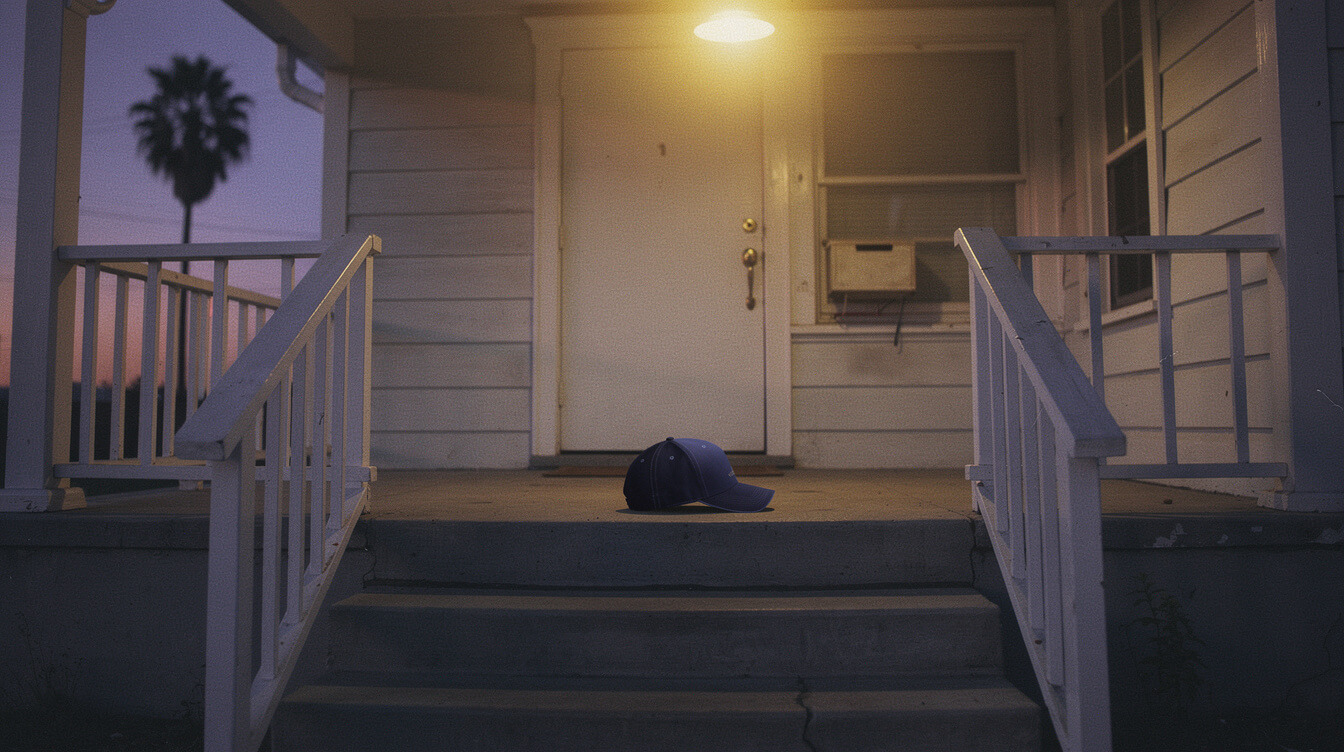
Shooting started on October 1, 1990, on the Inglewood and South Central streets Singleton grew up on. It was the first film role for Cube, Morris Chestnut (Ricky) and Regina King (Shalika). Cuba Gooding Jr. played Tre Styles. Laurence Fishburne, the one established name, played Tre’s father, Furious Styles. Angela Bassett, Nia Long and Tyra Ferrell rounded out the core cast.
Fishburne as the set’s acting coach
Most of the cast had never carried a film. According to Vanity Fair, Fishburne, who had been acting since he was a teenager on Francis Ford Coppola’s Apocalypse Now, became the de facto acting coach on set, bringing Coppola’s habit of improvising before a take. Gooding has also said, on the PBD Podcast in 2024, that he helped Cube through the crying scenes. Cube’s reported reaction was that he wasn’t built for that. On screen, it doesn’t show.
Why Doughboy is the emotional center
Tre is the protagonist, but Doughboy is the one people quote. Cube plays him as funny, loyal, quick-tempered and completely aware of how the story ends for guys like him. His brother Ricky is the football star with a USC offer. Doughboy is the one his mother treats as already lost. When Ricky is killed, Doughboy does what the neighborhood’s logic tells him he has to do, and Tre, at the last moment, chooses not to.
Singleton was clear about what he was showing. Asked by Thomas Golianopoulos (in a 2006 interview republished by The Ringer) whether he had made the Bloods the villains, he pushed back: “I set out to make it like the guys were shadows of each other. Doughboy is just like the guy in the movie he ends up killing.” The gang names are never spoken in the film. The point is the cycle, not the colors.
The morning-after monologue
The scene everyone remembers comes the next morning on the porch. Doughboy tells Tre he saw the news, and nobody was talking about his brother. His verdict is the line that has outlived the film: “Either they don’t know, don’t show, or don’t care about what’s going on in the hood.” Cube delivers it flat, without a single raised word. That restraint is the performance. Then the film fades out on a title card telling you Doughboy saw his brother buried and was killed two weeks later. It’s the cruelest edit in the movie, and the most honest one.
“By the end of Boyz n the Hood, I realized I had seen not simply a brilliant directorial debut, but an American film of enormous importance.” — Roger Ebert, after the 1991 Cannes screening
Real-world tension on set
The shoot wasn’t sealed off from the world it depicted. Both The Ringer’s oral history and Vanity Fair’s reunion piece describe a local Bloods leader meeting producer Steve Nicolaides to warn him off filming Doughboy’s revenge scene at a burger stand near his territory. The production moved the scene to a burger stand in the Crenshaw mall instead. “We shot there, had no problem,” Nicolaides told Vanity Fair.
The Soundtrack: “How to Survive in South Central” and the Music Around the Film
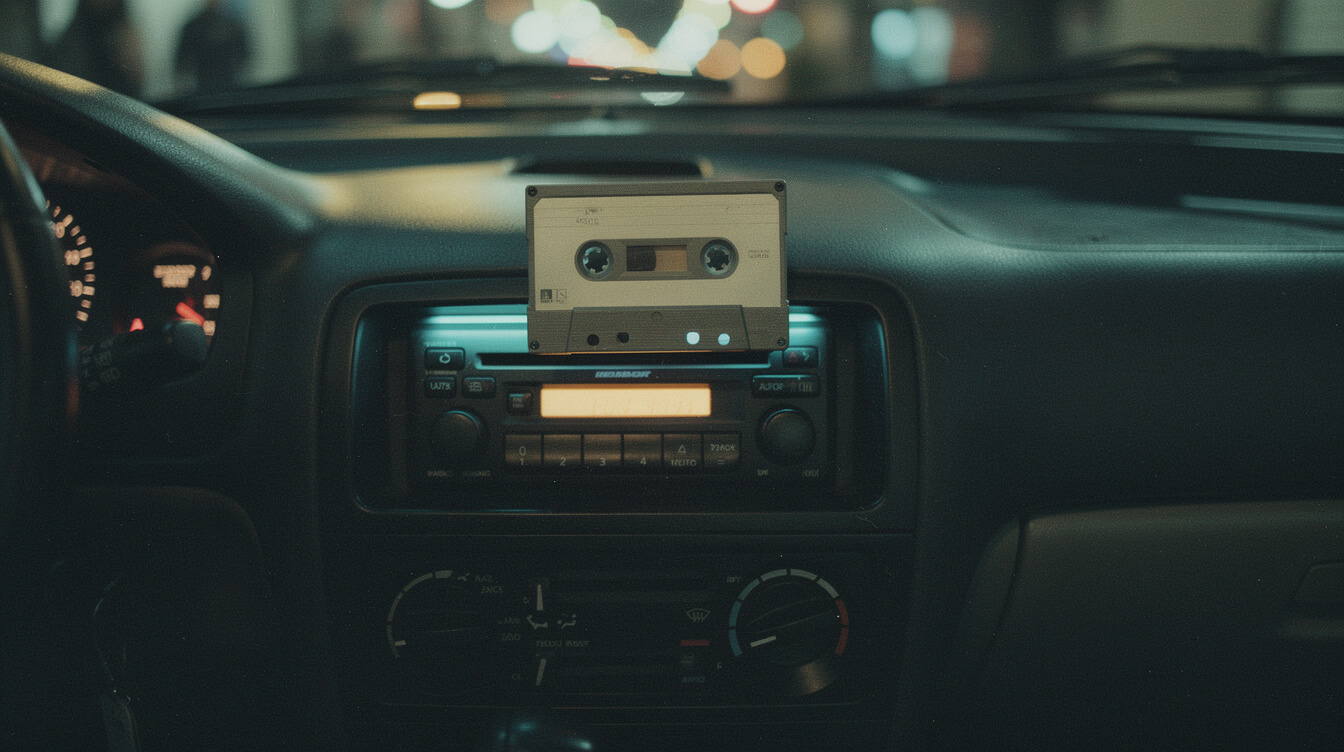
The Boyz n the Hood soundtrack came out on July 9, 1991, on Quincy Jones’ Qwest label through Warner Bros., three days before the film’s wide release. The RIAA certified it Gold on September 12, 1991. It’s a 14-track snapshot of where rap and R&B were in the summer of ’91, and it leans harder on the East Coast than you might expect from a South Central film.
Cube’s survival guide opens the album
Track one is Ice Cube’s “How to Survive in South Central,” co-produced by Cube and Sir Jinx, his longtime collaborator from the C.I.A. days. It plays like a set of survival rules handed to an outsider, which is the same move the film makes: take an audience that has only seen the neighborhood on the news and walk them through it. The song didn’t appear on Death Certificate when it came out that October. It later surfaced on Priority’s 2007 compilation In the Movies.
The full 14-track lineup
- Ice Cube – “How to Survive in South Central”
- Tevin Campbell – “Just Ask Me To”
- Yo-Yo – “Mama Don’t Take No Mess”
- Compton’s Most Wanted – “Growin’ Up in the Hood”
- Main Source – “Just a Friendly Game of Baseball (Remix)”
- Tony! Toni! Toné! – “Me and You”
- Monie Love – “Work It Out”
- Kam – “Every Single Weekend”
- Hi-Five – “Too Young”
- 2 Live Crew – “Hangin’ Out”
- Too $hort – “It’s Your Life”
- Force One Network – “Spirit (Does Anybody Care?)”
- Quincy Jones – “Setembro”
- Stanley Clarke – “Black on Black Crime”
The deep cuts worth knowing
Three details make this tracklist a real document of 1991. First, Yo-Yo was Cube’s protégé. He produced her 1991 debut Make Way for the Motherlode, so her spot comes from the same Lench Mob orbit. Second, Kam was another rapper from Cube’s circle. Third, Compton’s Most Wanted’s “Growin’ Up in the Hood” is the bridge to the next wave of hood films. MC Eiht, the group’s frontman, played A-Wax in Menace II Society two years later (we covered that link in our Straight Checkn ‘Em anniversary piece).
Then there’s Main Source. “Just a Friendly Game of Baseball” uses a baseball metaphor to talk about police shootings, and it came from Queens and Toronto, not LA. It’s on the album because the subject was national. Our Breaking Atoms anniversary post goes deeper on that record. The score belongs to jazz bassist Stanley Clarke, whose “Black on Black Crime” closes the album and gives the film its quiet, aching underscore.

The Album That Dropped the Same Year as Doughboy
Three months after Boyz n the Hood opened, Cube came back with Death Certificate and didn’t soften a single bar. We made the Cube Death Certificate T-Shirt for anyone who knows 1991 was his year on both screens.
The Rappers in Boyz n the Hood, and the N.W.A Cast That Almost Was
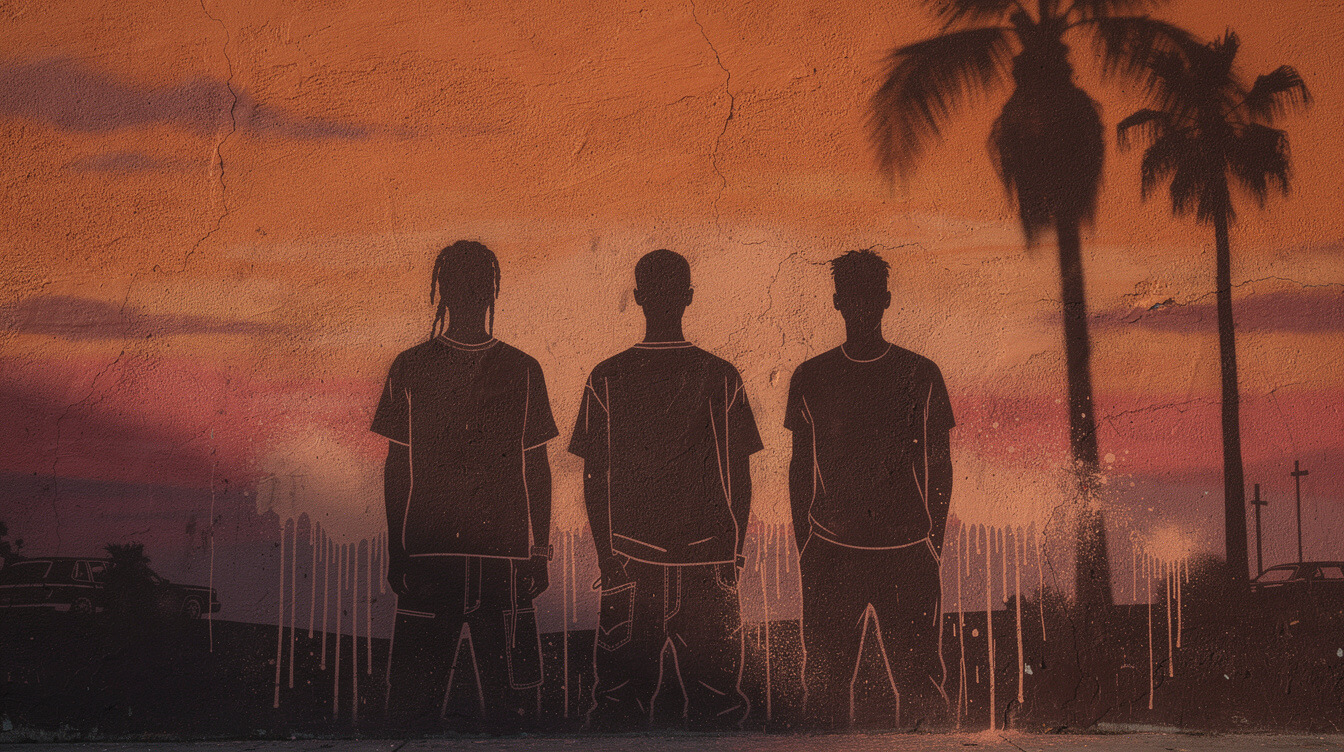
One of the most-searched questions about the film is which rappers are in it. The short answer is Ice Cube, plus a brief appearance by Yo-Yo, who is credited as herself. Everyone else in the core cast came from acting. But that isn’t how Singleton first drew it up.
Singleton’s original plan: all of N.W.A
Singleton wrote the script with Straight Outta Compton and Eazy-Duz-It on repeat. He told The Ringer’s Thomas Golianopoulos that he loved how Dr. Dre built scenes inside the beats so you could see what was happening. His first idea for the cast, per that oral history, was the group itself: Dr. Dre as Monster, Eazy-E as Chris, MC Ren as Dooky and Ice Cube as Doughboy. Cube was the only member Singleton actually knew, and when Cube left the group at the end of 1989, the plan fell apart.
Why wasn’t Eazy-E in Boyz n the Hood?
Plenty of fan pages speculate about this. The documented answer is simpler. Singleton told Vice in 2016 that the other N.W.A members “were supposed to be in it,” but when he met Eazy, Eazy wasn’t interested. Singleton responded the way a 22-year-old director would: he put Eazy-E shirts into the film as a jab. And the connection between the two runs deeper than casting. The film’s title comes from “Boyz-n-the-Hood,” the 1987 single Ice Cube wrote and Dr. Dre produced for Eazy-E’s solo debut. According to Vanity Fair, Singleton paid Eazy $50,000 for the rights to use the title. If you’re an Eazy fan, the Eazy-E Eazy-Duz-It T-Shirt reps the album Singleton wrote the script to, and our piece on Eazy-E’s business legacy covers the Ruthless side of the story.
The irony of the title
Sit with that for a second. The film that made Ice Cube a movie star is named after a song he wrote for the group he’d just left, performed by the man he was about to feud with on record. Singleton had to pay Eazy for the title of a song Cube wrote. That’s the N.W.A breakup in one sentence.
From Doughboy to Friday: How the Role Built Cube’s Hollywood Lane

Boyz n the Hood premiered in the Un Certain Regard section at Cannes in May 1991. Singleton and Cube were both there. Singleton told Vanity Fair it was his first time out of Los Angeles. Roger Ebert’s review turned the film into a crossover event. It opened in the US on July 12, 1991, made about $10 million on its opening weekend, and finished around $57 million domestic on a budget of roughly $6 million. In February 1992, Singleton was nominated for Best Director and Best Original Screenplay. At 24, he was the youngest Best Director nominee ever and the first African American nominated in the category. The Library of Congress added the film to the National Film Registry in 2002.
What the role proved
For Cube, Doughboy settled an argument the industry hadn’t even finished having. In 1991, the people who made rap records like his were treated as a threat to be managed, not as talent to be cast. Doughboy showed that the guy from the most controversial group in America could carry real dramatic weight on screen, in a film critics called important, without toning down his music to get there. Three months after the film opened, Death Certificate was every bit as confrontational as anything he’d made before. The role didn’t buy him out of his politics. It added a second platform for them.
Higher Learning and the writer’s chair
Cube and Singleton worked together again on Higher Learning, released January 11, 1995, with Cube as Fudge, the older student who sees the campus clearly. Then Cube made the move that defined the rest of his career. He co-wrote Friday with DJ Pooh, a producer who had also worked on Death Certificate, and starred in it alongside Chris Tucker. Directed by F. Gary Gray and released by New Line on April 26, 1995, it cost about $3.5 million and made roughly $27 million domestically.
Friday is Doughboy’s neighborhood turned into a comedy, written from the inside by someone who’d already shown Hollywood the tragic version. Without Doughboy, there’s no leverage to get Friday made the way Cube wanted it. From there it’s a straight line to directing The Players Club in 1998 and the producer career we break down in Ice Cube’s directed movies.
Wearing the Era: Cube’s 1990–91 Album Art as Streetwear

The look of 1991 Cube is part of why the era still sells. On screen, Doughboy wears a blue Detroit Tigers cap. As Vanity Fair recounts, it was enough to make a local gang leader complain that the colors in the movie were taking sides. Off screen, Cube’s album covers did the visual work. The Death Certificate cover, with its flag-draped body and a toe tag reading “Uncle Sam,” is a political cartoon as much as album art. Covers like that are design statements as much as packaging, which is exactly why they still work on a black tee decades later.
Madonna jogging in a Boyz n the Hood tee
Film merch was part of the story from the start. Singleton told Vanity Fair that at Cannes he found himself hanging out with Madonna while she went jogging in the mornings in a Boyz n the Hood T-shirt. A first-time director from Inglewood watched one of the biggest pop stars on the planet wear his title on the French Riviera. That’s how fast the film crossed over.
Repping the run, not the license
We don’t sell film-licensed merch, and we’re not going to pretend to. What we make are tribute pieces built around Cube’s own records from those same two years. The Ice Cube Death Certificate Hoodie and the Cube’s AmeriKKKa’s Most Wanted Hoodie are the heavyweight versions for the cold months. For the full rundown of official, licensed and bootleg Cube gear, our Ice Cube shirts guide breaks down every era from the N.W.A years through Friday.
Ice Cube Boyz n the Hood FAQ
When did Boyz n the Hood come out?
The film premiered in Los Angeles on July 2, 1991, and opened across the US on July 12, 1991. Before that, it played in the Un Certain Regard section at the Cannes Film Festival in May 1991.
Who did Ice Cube play in Boyz n the Hood?
Ice Cube played Darrin “Doughboy” Baker, Ricky’s older half-brother and Tre’s childhood friend. It was his first film role. Singleton wrote the part with Cube in mind.
Was Ice Cube still in N.W.A when he made Boyz n the Hood?
No. Cube left N.W.A in December 1989. Filming started on October 1, 1990, by which point he had already released AmeriKKKa’s Most Wanted (May 1990).
What rappers are in Boyz n the Hood?
Ice Cube is the only rapper in a major role. Yo-Yo, Cube’s protégé, makes a brief appearance credited as herself. Singleton originally pictured the whole N.W.A lineup in the cast, but that plan ended when Cube left the group.
Why wasn’t Eazy-E in Boyz n the Hood?
Singleton told Vice in 2016 that he wanted the other N.W.A members in the film, but Eazy-E wasn’t interested when they met. The title does come from Eazy-E’s 1987 single “Boyz-n-the-Hood,” which Ice Cube wrote.
Is Ice Cube’s “How to Survive in South Central” on Death Certificate?
Not on the original 1991 release. It opens the Boyz n the Hood soundtrack and later appeared on the 2007 Priority compilation In the Movies.
Did Boyz n the Hood win any Oscars?
No, but John Singleton was nominated for Best Director and Best Original Screenplay. At 24, he was the youngest person ever nominated for Best Director and the first African American nominated in that category.
Where was Boyz n the Hood filmed?
On location in South Central Los Angeles and Inglewood, the neighborhoods Singleton grew up in. Production moved Doughboy’s revenge scene to a burger stand in the Crenshaw mall after a local gang leader objected to the original location.
Final Thoughts: Doughboy Was the Bridge
Line up the dates and the Ice Cube Boyz n the Hood story makes a lot more sense than “rapper tries acting.” Cube walked away from N.W.A, flew to New York to make the hardest West Coast record of 1990, rode down the Harbor Freeway playing unfinished beats for a film student, blew an audition, came back and nailed it, and then stood in front of Cannes, Roger Ebert and a national audience as Doughboy. Three months later, he dropped Death Certificate without blinking.
The role didn’t make Ice Cube safe. It made him impossible to ignore in two industries at once. Everything that followed, from Friday to the director’s chair, runs back to a kid from South Central who refused to tone down his records to get a part, and a 22-year-old director who refused to cast anyone else.
Want the backstory on the songwriting that came before Doughboy? Our Straight Outta Compton track-by-track breakdown shows exactly how much of that record Cube wrote. And for the Cube birthday rundown, see Ice Cube Turns 57.
Stay creative — The Custom Creative Team
Get the Culture in Your Inbox
Film-and-rap deep dives, credit receipts, anniversaries and first dibs on new drops. No spam, just hip-hop.

🎧 Never Miss a Drop
Exclusive product releases, hip-hop deep dives, and member-only discounts. Straight to your inbox.
Free forever. No spam. Unsubscribe anytime.
Get the Culture, Delivered
Deep dives into hip-hop history, exclusive product drops, and discounts sent straight to your inbox. No spam, just culture.
Join 2,000+ hip-hop heads already in the loop. Unsubscribe anytime.