Baduizm at 29: The Album That Invented Neo-Soul (Full Track Breakdown + The Headwrap Fashion Legacy)
On February 11, 1997, a 25-year-old Erykah Abi Wright from South Dallas walked into record stores with a debut album, a stack name change (Kedar Massenburg swapped Abi for a Kemetic spelling), and a tall wrap on her head that would rewire Black music’s silhouette for a decade. Baduizm is 29 years old this year — the debut record that didn’t just launch a career, it named and shaped an entire genre in real time. Neo-soul existed as a rumor before Erykah Badu; after her, it existed as a marketing category, a fashion mood, a Soulquarians ecosystem, and eventually a lineage that runs through Jill Scott, Musiq Soulchild, Solange, Ari Lennox, and H.E.R.
Wikipedia will tell you Baduizm hit number one on the R&B chart, went triple platinum, won two Grammys, and got produced in part by The Roots. All true. What Wikipedia won’t do is trace the D’Angelo Brown Sugar → Baduizm → Lauryn Hill Miseducation triangle that birthed neo-soul as a distinct genre, or explain why Kedar Massenburg had to invent a marketing term because Motown’s radio format guys refused to spin the record. This is the cultural-lineage read the SERP hasn’t written — the erykah badu baduizm story told from inside the ecosystem it created.
Baduizm’s Release Context: 1997, Motown, Kedar Records, and a Genre Being Born
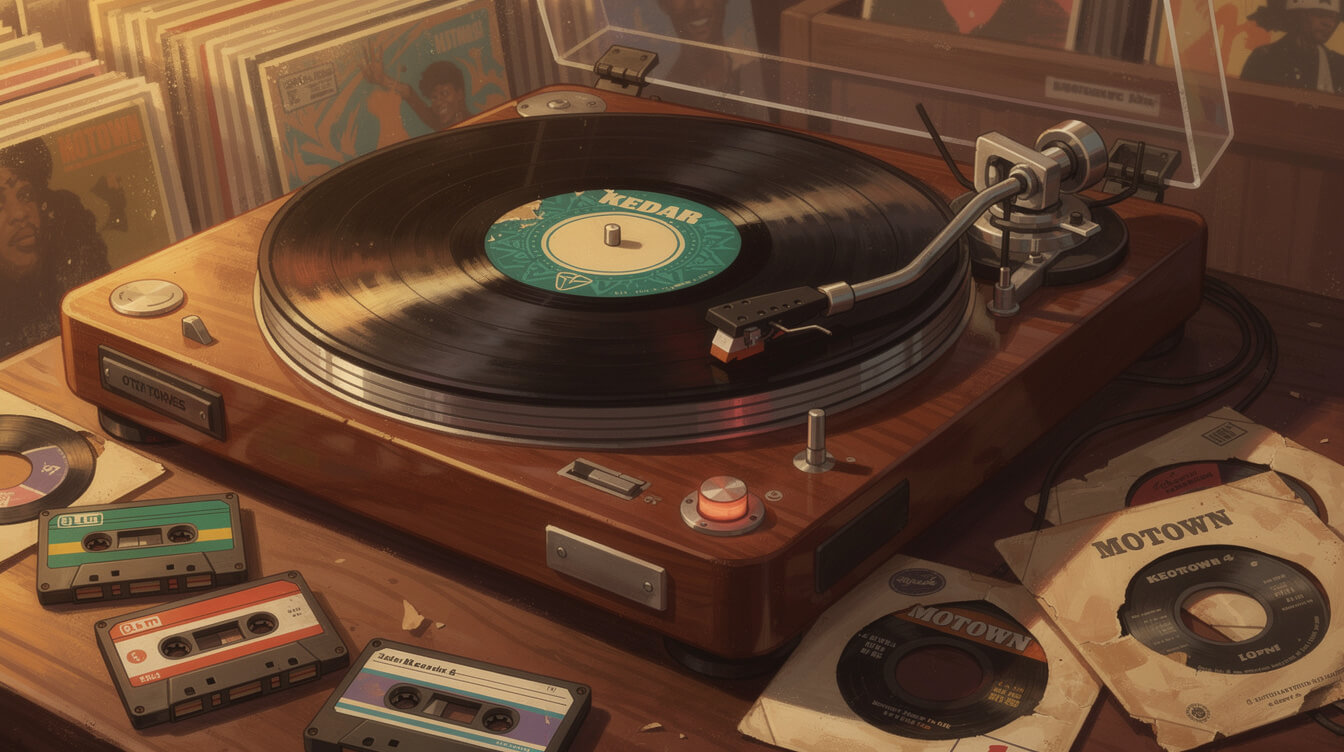
Universal Records dropped Baduizm on February 11, 1997, through the newly-formed Kedar Records imprint. The label was a two-person operation run by Kedar Massenburg — the A&R man who a year earlier had A&R’d D’Angelo’s Brown Sugar. Massenburg’s pitch to Universal was surgical: R&B radio in 1996 was Mary J. Blige, Toni Braxton, and a Bad Boy production template dominated by shiny-suit Puff Daddy remixes. The 90s R&B budget went to Jodeci-style bedroom slow jams and Timbaland’s stuttering hi-hats. Nobody was signing 25-year-old Black women who wanted to sound like a young Billie Holiday in front of a live rhythm section.
Massenburg’s counter-programming was to invent a category so critics would have somewhere to put the record. He called it “neo-soul.” Erykah reportedly hated the term (she still does — she has publicly said “there is no such thing as neo-soul”), but the framing did what marketing frames do: it gave Baduizm a lane, and radio programmers a bin to file it in. It also gave the next four years of Motown’s roster a template. By 1998, Kedar Records had signed Chico DeBarge and re-signed a few late-era Motown vets under the same neo-soul banner. By 2000, every major label had an artist marketed as “neo-soul” in their press release, whether or not the music warranted it.
The Country Cousins demo is the origin story most SERP results skip. Before Massenburg heard her, Erykah and her cousin Robert “Free” Bradford had cut a 19-song demo tape while touring on a shoestring — the kind of self-financed, workshop-grade project that A&R men in the mid-’90s were still willing to actually listen to. Massenburg heard the tape, flew to Dallas, and set up a duet session with D’Angelo on a cover of Marvin Gaye and Tammi Terrell’s “Your Precious Love.” That duet is the pivot. It’s how Erykah crossed into the D’Angelo orbit, and it’s the recording that convinced Universal to sign her.
The D’Angelo Bridge: How Brown Sugar (1995) Set the Table
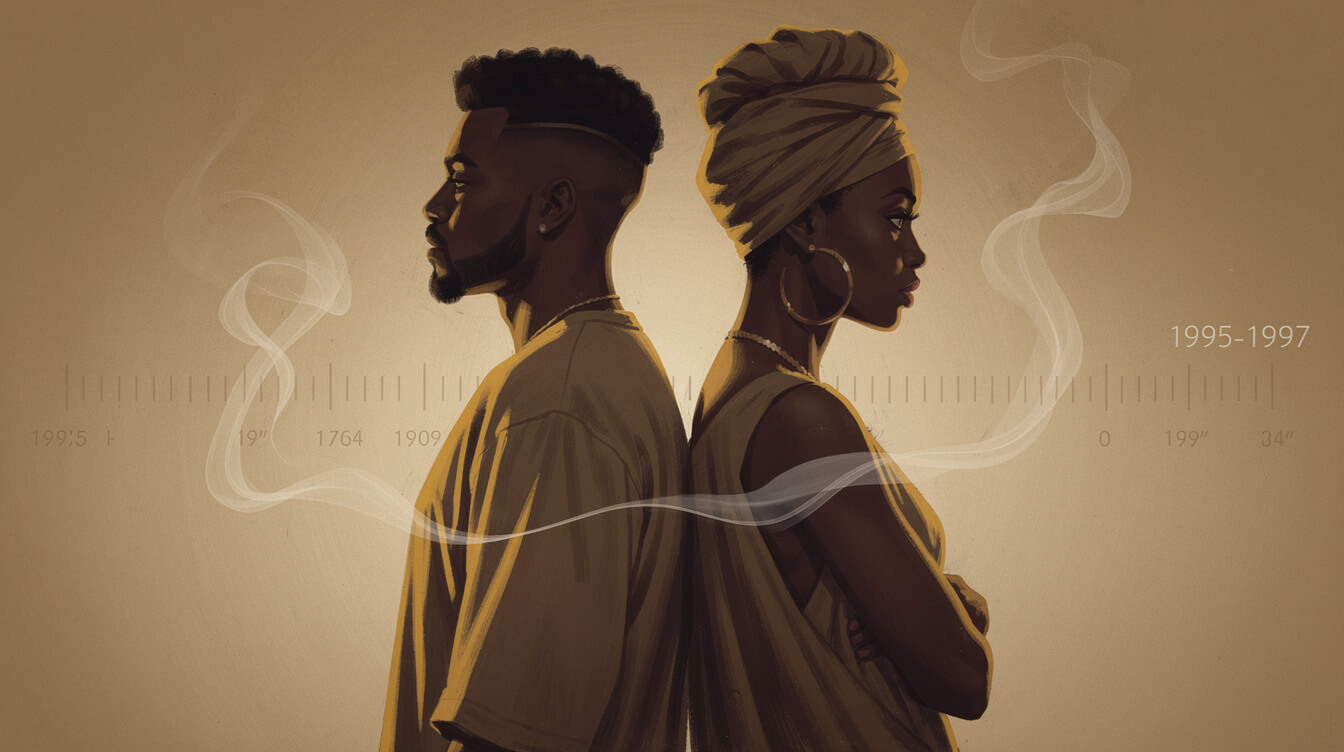
To understand why Baduizm hit as hard as it did, you have to hear Brown Sugar first. D’Angelo dropped his debut in July 1995 through EMI, and it did something no R&B album had done in a decade: it made the case that a young Black artist could sing about romance and marijuana over live Rhodes electric piano, brushed drum kits, and standup bass without any Bad Boy sampling apparatus, and still move a million units. Brown Sugar was a slow burn — took nearly a year to go platinum — but the critical reception was immediate. Michael Eugene Archer had reintroduced the idea that Black music could look backward at 1972 Roberta Flack and Sly Stone records and forward at the same time.
Kedar Massenburg A&R’d that record. He’d watched Brown Sugar teach the industry that “Black music that isn’t chasing radio” was actually a viable commercial format, and by early 1996 he was searching for the female counterpart. The Brown Sugar → Baduizm arc is not a coincidence — it’s a strategy. The same A&R hand that discovered D’Angelo went looking for Erykah, put them in a room together to record “Your Precious Love,” and used that duet as the connective tissue that would let radio and press treat the two records as siblings.
The third leg of the triangle is Lauryn Hill’s The Miseducation of Lauryn Hill, which dropped in August 1998 — 18 months after Baduizm and three years after Brown Sugar. Miseducation shipped 400,000 copies its first week (a debut record for a female artist at the time) and eventually went diamond, winning five Grammys including Album of the Year. That record cemented what Brown Sugar and Baduizm had proposed: that neo-soul was not a temporary press cycle but a full-scale commercial movement. Take those three albums away and you don’t have the 1998-2003 stretch that produced Musiq Soulchild, Angie Stone’s Black Diamond, India.Arie’s Acoustic Soul, Bilal, Jill Scott, or anything Solange or H.E.R. would eventually build on top of.
Track-by-Track: ‘On & On’, ‘Otherside of the Game’, ‘Next Lifetime’, ‘Appletree’, ‘Rimshot’
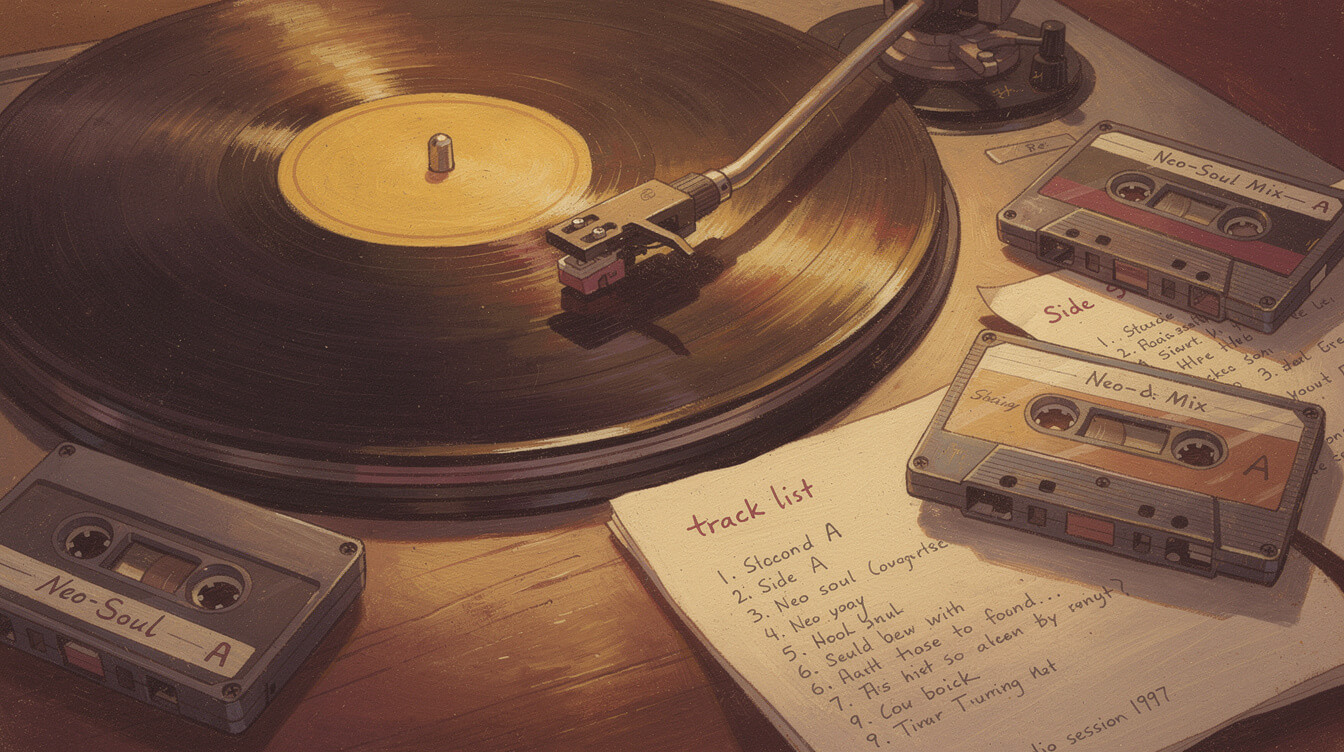
“On & On” — Released as the lead single on December 10, 1996 (nearly two months before the album), “On & On” hit number 12 on the Billboard Hot 100 and won Erykah her first Grammy for Best Female R&B Vocal Performance. The Madukwu Chinwah production loops a slippery, jazz-inflected bassline underneath a chorus that quotes the Five Percent Nation’s lessons (“If we were made in his image, then call us by our names”) without ever announcing itself as anything but a summer radio single. It’s the record that made Erykah famous — but it’s also the record that told anyone paying attention that she was smuggling Islamic mathematics into pop radio.
“Otherside of the Game” — A The Roots co-production, and the moment on the album where the Philadelphia connection becomes unmistakable. Erykah reportedly grew unhappy with the material she’d cut in New York with Bob Power, flew to Philly, and cut “Otherside of the Game” and “Sometimes” with The Roots at Sigma Sound. That decision — leaving a nearly-finished major-label album to re-record with a hip-hop band — is the origin moment of the Soulquarians ecosystem. The song is about a woman staying with a boyfriend she knows is dealing, told without judgment or resolution, over a live rhythm section that swings the way early ’70s Curtis Mayfield sides swung. It’s the album’s emotional center.
“Next Lifetime” — The second single, released June 2, 1997. Erykah wrote the song about meeting someone and knowing the timing is wrong. The line “guess I’ll see you next lifetime” reframes a breakup as a Kemetic reincarnation cycle, which is the through-line of the whole album: personal songs that Erykah keeps opening onto a larger cosmological frame. The music video, directed by Andy Morahan, is a triptych spanning ancient Egypt, the American 1970s, and the year 3000. The visual language of that video (ankh, headwrap, sun-orange color grade) became the visual language of neo-soul.
“Appletree” — The fourth and final single, dropped November 17, 1997, and probably the album’s most underrated track. The chorus (“I picks my friends like I picks my fruit”) sounds like a throwaway on first listen and reveals itself, five plays in, as one of the sharpest lines about the politics of Black female friendship anyone wrote in the ’90s. The Bob Power production is stripped almost to a Rhodes and a drum machine — the exact opposite of what R&B radio was rewarding in 1997 — and the record still charted.
“Rimshot (Intro)” and “Rimshot (Outro)” — The album opens and closes with a scat vocal over just Ron Carter’s standup bass. Ron Carter is the Miles Davis Quintet bassist, one of the most important living jazz musicians. That Massenburg and Erykah got him to bookend a 1997 debut R&B record with a solo vocal-and-bass duet was a statement of intent: this record intends to be read as jazz, not R&B. It’s the single clearest piece of evidence that Baduizm was never trying to compete with Mary J. Blige. It was trying to sit next to Betty Carter and Sarah Vaughan.
The Roots, Kedar Massenburg, and Yasiin Bey — The Soulquarians Ecosystem Baduizm Ignited
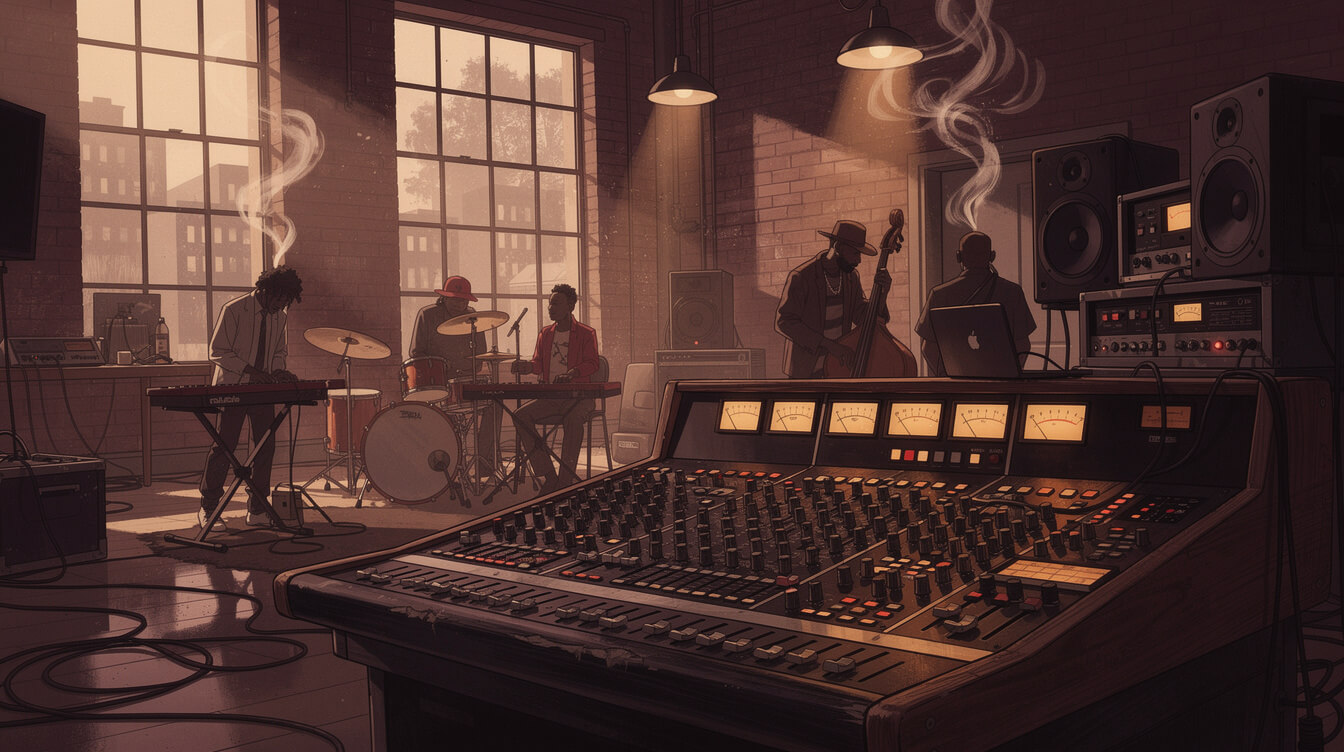
The Soulquarians are the collective the general public has heard of and the ecosystem that only music heads actually understand. The name came from a series of late-’90s recording sessions at Electric Lady Studios in Manhattan, organized around Questlove of The Roots. The core members: Questlove, D’Angelo, J Dilla, James Poyser, Mos Def (now Yasiin Bey), Common, Bilal, Q-Tip, Talib Kweli, and Erykah. Between roughly 1998 and 2002 that room produced D’Angelo’s Voodoo, Common’s Like Water for Chocolate, Erykah’s Mama’s Gun, Bilal’s 1st Born Second, and a stretch of The Roots material culminating in Things Fall Apart. Neo-soul as a critical category owes almost everything to what came out of those Electric Lady sessions.
Baduizm is the record that lit that fuse. The “Otherside of the Game” session in Philly was the first time Erykah worked directly with The Roots’ Richard Nichols and James Poyser (Poyser is credited as a producer on the record). Once that connection existed, the entire network wired itself around it. Yasiin Bey (still Mos Def in 1998) shows up on Black on Both Sides the next year with a sound that owes to that same live-band-plus-hip-hop conversation. Common’s Like Water for Chocolate in 2000 is credited to The Soulquarians on the sleeve. Erykah’s Mama’s Gun in 2000 is essentially the Soulquarians’ second album.
The wider producer credits on Baduizm tell the same story: Bob Power (A Tribe Called Quest’s engineer, the guy who mixed Low End Theory and Midnight Marauders), Madukwu Chinwah, JaBorn Jamal, Ike Lee III. The album was tracked at Battery Studios in New York, Sigma Sound and Ivory Studios in Philadelphia, and Dallas Sound Lab. Three cities, three sonic subcultures, one album — that geographic spread is why the record doesn’t sound like any single ’90s R&B scene. It sounds like a national conversation.
Fashion Legacy: The Headwrap, The Ankh, The Africana Aesthetic Through 2026
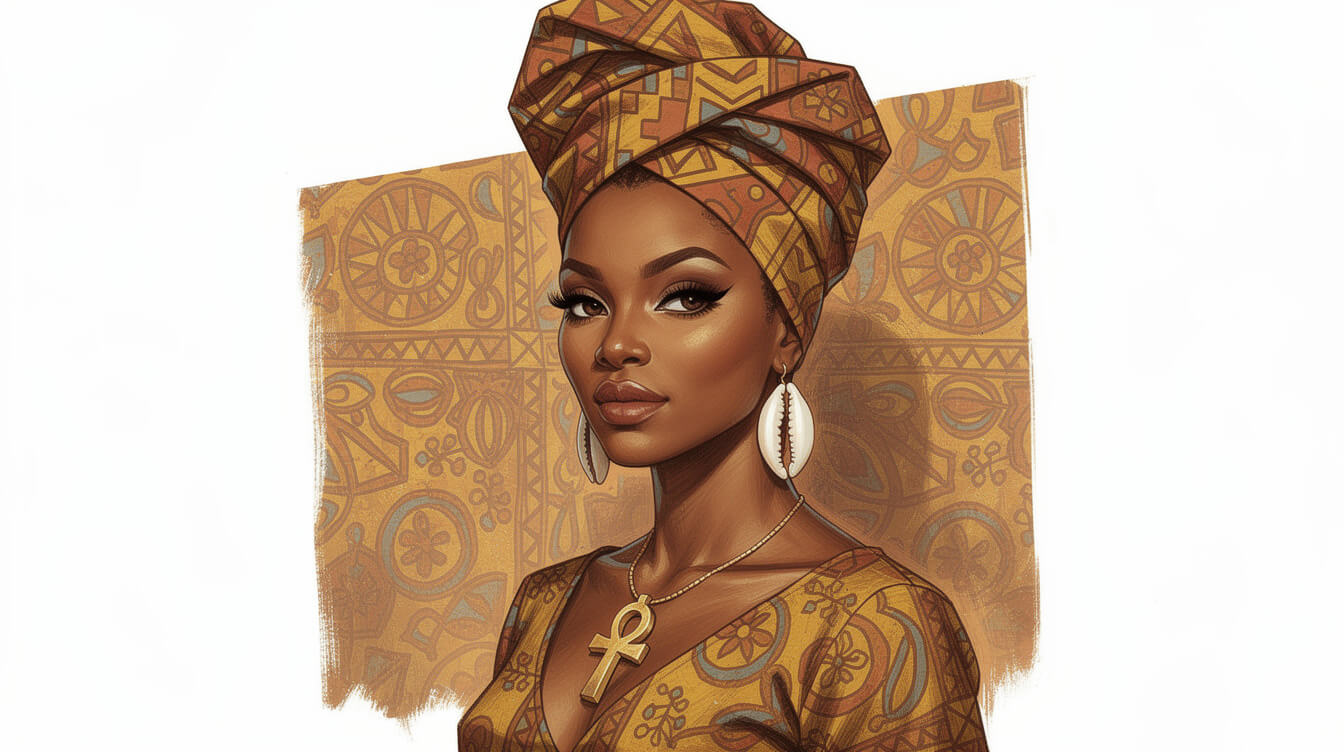
Erykah’s Baduizm-era look — floor-length skirts, wax-print fabrics, ankh pendants, cowrie shell jewelry, and above all the tall geometric gele head wrap — did what only a handful of visual identities in Black music history have done: it made an entire aesthetic mainstream in under 24 months. Before “On & On” hit MTV, Africana fashion in America was a specific and often-marginalized set of choices worn mostly by Black women who had explicit political reasons for wearing it. After Erykah, it was fashion — Vogue was shooting headwraps, Essence was running whole issues on wrap technique, and by 1999 you could buy a “Badu” wrap kit at Sally Beauty.
The lineage doesn’t stop in 1999. The through-line from Erykah’s 1997 headwrap to Solange’s A Seat at the Table visual identity in 2016 is direct. Solange has been explicit about it in interviews — the geometric hair sculptures on that album cover and in the “Cranes in the Sky” video are downstream of what Erykah made legible to the culture. Ari Lennox’s entire early-career visual language (the “Shea Butter Baby” cover, the wax-print styling in “BMO”) reads as a 2019 update of the same aesthetic. H.E.R.’s stylist has cited Erykah in interviews. Doja Cat’s Africana glamour phase in 2021-22 is a maximalist iteration of the same visual grammar.
The record itself is the reason. Album covers in 1997 were designed to sell records in a physical retail environment — the cover was a billboard in a Sam Goody bin. Baduizm‘s cover (Erykah in profile, tall gele, warm sepia grade) is one of the small handful of 1990s covers that still gets sold as a poster in 2026. That visual is why the fashion moved: a million teenage Black girls saw the record in a store, in a magazine, in a music video, and translated what they saw into a personal style choice. Streetwear culture picked it up next — by 2001 you had Africana-motif tees moving through boutique streetwear on both coasts, and by 2010 it was a permanent lane of the culture.
Chart and Award Performance: Two Grammys, Triple Platinum, Cultural Cement
Baduizm debuted at number two on the Billboard 200 and number one on the Top R&B/Hip-Hop Albums chart — a debut position no one at Universal expected. The RIAA certified the album triple platinum (3 million U.S. units sold) and it went Gold in the U.K. and Canada. As of February 2017 the album had sold approximately 2.8 million copies in the United States alone, and streaming has added meaningfully to that total in the years since.
The Grammys took notice quickly. Baduizm won Best R&B Album at the 40th Grammy Awards in 1998, and “On & On” won Best Female R&B Vocal Performance the same night. That was the double haul that legitimized the neo-soul category inside the Academy — one year later Lauryn Hill would sweep, and by the early 2000s the “R&B Album” category had effectively split into Bad-Boy-lineage records and neo-soul-lineage records, with the Grammys treating both as serious. Erykah is largely the reason that split exists.
Commercially, the important number is the follow-through. Baduizm spawned a live album (Live, November 1997) that shipped platinum in three months — a debut artist releasing two platinum records inside one calendar year is almost unheard of. Mama’s Gun in 2000, Worldwide Underground in 2003, and New Amerykah Part One in 2008 all charted top ten. Erykah did not repeat Baduizm‘s commercial peak, but she never had to — the debut set a floor high enough that every subsequent release was received as a major cultural event.
If you want to wear the ecosystem that produced Baduizm, the closest a hip-hop-culture apparel catalog gets is Philadelphia’s own — The Roots. Their Illadelph Halflife (1996) is the record they were making right before Erykah pulled Ahmir and Rich to Sigma Sound to save “Otherside of the Game.” Our Roots Illadelph Halflife T-Shirt is the sonic sibling record to Baduizm, cut in the same building, by the same people who ended up producing on it.
Apple’s 100 Best Albums Placement — And Why #64 Undersells It
Apple Music’s editorial team dropped its “100 Best Albums” list in 2024 and placed Baduizm at #64. That is a real piece of cultural validation from an editorial team that had to argue against 999 other candidates, and Erykah has publicly thanked Apple for the placement. But #64 undersells what the record actually did.
Consider what a “genre-defining debut” list would look like. The Chronic defined a G-funk template. Illmatic defined a lyrical bar for the East Coast. Ready to Die defined a Bad Boy sonic universe. The Miseducation of Lauryn Hill won Album of the Year and defined a moment. Each of those records lives inside the top 30 on most all-time critical lists. Baduizm did the same job — it named and shaped an entire genre, seeded an ecosystem (Soulquarians) that produced at least six top-tier records, and set a visual identity template that ran through the next 25 years of Black pop culture — and it sits at #64.
The gap between what Baduizm did and where the SERP-adjacent lists rank it is not an accident. It’s a reflection of how the critical apparatus underrates neo-soul relative to hip-hop and to boom-bap-era rap specifically. Head over to the definitive rap-album lists (Rolling Stone, Pitchfork’s 100 Best) and you’ll find Illmatic and Ready to Die in the top 20 as a matter of course. Head to R&B-specific lists and Baduizm is typically top 5 to top 10. Combine them and it slides down. The genre categorization is doing work the record deserves credit for pushing back against.
Baduizm’s Direct Descendants: Jill Scott, Musiq Soulchild, Solange, Ari Lennox, H.E.R.
Jill Scott — The most direct descendant, geographically and stylistically. Jill grew up in Philly, was part of the Roots’ extended orbit, and her 2000 debut Who Is Jill Scott? Words and Sounds Vol. 1 is essentially the second Kedar-Records-style neo-soul debut. The Soulquarians network that Erykah wired at Sigma Sound is the same network that Jill entered from a different door. Read our Jill Scott “Golden” at 22 breakdown for the direct lineage on that record, or the 15 Best Jill Scott Songs ranked. Also check the breakdown of Jill Scott’s 2026 comeback album To Whom This May Concern — the record that proves the ecosystem Baduizm started is still producing in 2026.
Musiq Soulchild — Signed to Def Soul in 2000. His Aijuswanaseing debut is arguably the most commercially successful neo-soul record after Miseducation. Musiq’s producers were the same Soulquarians-adjacent Philadelphia crew that had cut with Erykah.
India.Arie — Acoustic Soul in 2001, seven Grammy nominations that year, cemented the “acoustic guitar plus soulful Black woman vocalist” as a legitimate neo-soul lane. Directly downstream of Baduizm‘s “Appletree”-and-“Rimshot” aesthetic.
Solange — A Seat at the Table (2016) is the most artistically ambitious neo-soul-lineage record of the last decade. Solange has cited Erykah’s visual and sonic influence explicitly. The Africana aesthetic on that album’s cover and in “Cranes in the Sky” is the direct visual descendant of Erykah’s 1997 headwrap moment.
Ari Lennox — Shea Butter Baby (2019) is what happens when the Soulquarians’ rhythm-section aesthetic gets updated with a J Cole / Dreamville production infrastructure. Ari has publicly named Erykah as an influence.
H.E.R. — Won Album of the Year at the 2021 Grammys, and her R&B-lineage songwriting is a straight-line descendant of Erykah’s habit of writing personal songs that open onto larger frames. The stylistic vocabulary is different (H.E.R. is closer to Prince and Sade than to Roberta Flack) but the strategic move is the same.
Doja Cat, Steve Lacy, Cleo Sol, Cleo Sol’s Sault ensemble — Every one of these 2020s artists exists downstream of the neo-soul → soul-revival lineage that Baduizm named. Sault in particular has done more to reactivate the live-rhythm-section-plus-Black-female-lead vocabulary than any collective since the actual Soulquarians. The through-line runs clean from February 1997 to the present.
Wear the Philly That Made Baduizm
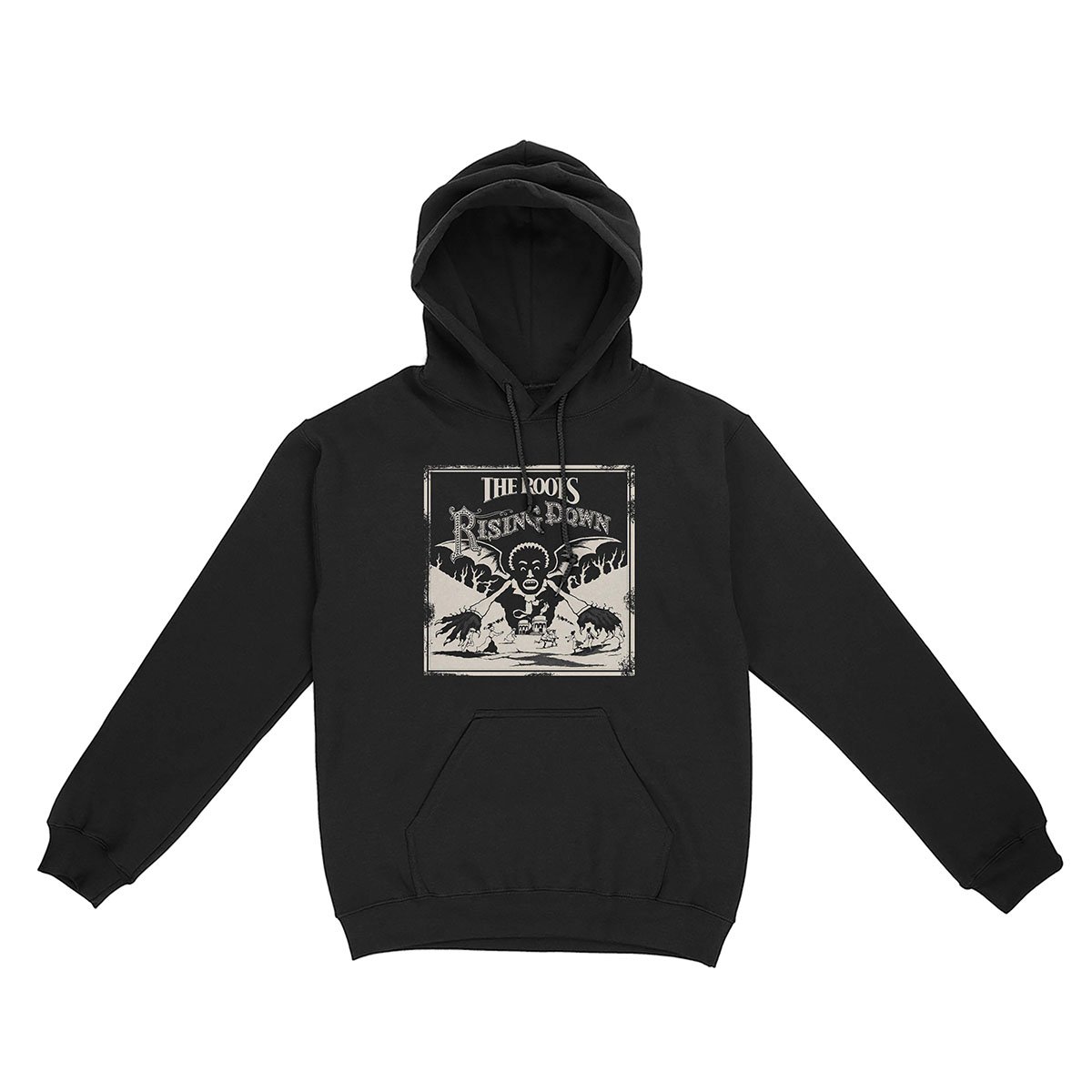
The Roots are the band Erykah pulled to Sigma Sound to save “Otherside of the Game” — and the crew that seeded the Soulquarians ecosystem. Cop the Rising Down hoodie and rep the sonic lineage on your back.
Final Thoughts: Twenty-Nine Years of Baduizm
Twenty-nine years after February 11, 1997, the argument to make about Baduizm is not that it’s a good debut album — that’s obvious. The argument is that it is one of the last records of the CD era that named and shaped a full genre in real time, and that the genre it named is still the operating template for a huge slice of what the culture currently listens to. Every time a Black woman with a live rhythm section makes an album that doesn’t chase radio, she’s operating inside the frame Erykah and Kedar Massenburg built in 1996-97.
What no one on the SERP tells you is how narrow the window was. If Massenburg had signed Erykah to a smaller label, or if D’Angelo’s Brown Sugar hadn’t gone platinum in mid-1996, or if The Roots hadn’t been available to fly Erykah to Philly and re-cut “Otherside of the Game,” this record is a beloved cult debut and neo-soul is a lower-case-n adjective critics use about a few scattered records. The record’s success was engineered, and the engineering was a network of A&R men, producers, and one 25-year-old woman from Dallas who refused to sing in front of anything but a live rhythm section.
Twenty-nine years. Every Solange, Ari Lennox, H.E.R., Cleo Sol, Steve Lacy, and Doja Cat record downstream of it. The headwrap and the ankh still moving through Black fashion. The Soulquarians still cited by every producer under 40. That is the actual measurement of what Baduizm did. Apple’s #64 isn’t wrong so much as it’s small — the record’s real position on any honest ranking is inside the top 15 debuts of any genre, any decade, any label. Wikipedia and Apple can’t say that. We can.
Culture Delivered Weekly
Anniversary breakdowns, Soulquarians deep dives, and the album stories the SERP won’t write — dropped in your inbox the day they hit. Join the crew.

🎧 Never Miss a Drop
Exclusive product releases, hip-hop deep dives, and member-only discounts. Straight to your inbox.
Free forever. No spam. Unsubscribe anytime.
Get the Culture, Delivered
Deep dives into hip-hop history, exclusive product drops, and discounts sent straight to your inbox. No spam, just culture.
Join 2,000+ hip-hop heads already in the loop. Unsubscribe anytime.