Best Ghostface Killah Songs: The Essential Cross-Catalog Guide
Ghostface Killah doesn’t write songs. He builds scenes. Fifteen years deep into a Wu-Tang catalog stacked with legends, Tony Starks is still the one whose verses you can see — the roaches in the cereal box, the ketchup on the fries during a stickup gone sideways, the King Tut hat lamping on the throne. Rank him by album and you’re comparing eras. Rank him by ghostface killah song and you get the real story: the entry points, the posse cuts he stole outright, the storytelling peaks, and the deep cuts that separate the heads from the tourists.
This is a cross-catalog guide — solo cuts, Clan cuts, guest verses, all of it. No hierarchy by album era, just the songs that actually move.
Why Rank Ghostface By Song, Not Album
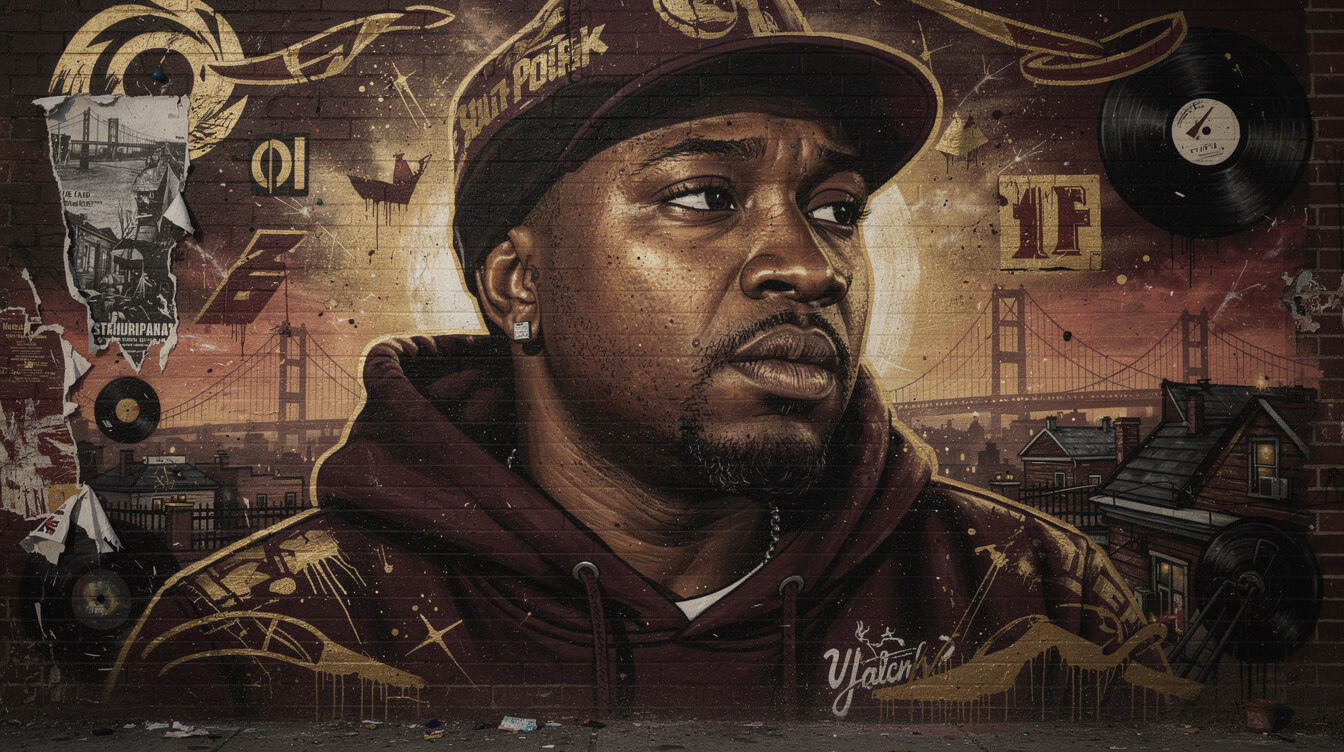
Every “best of” list treats Ghost’s discography like a staircase — Ironman, then Supreme Clientele, then Fishscale, climbing toward some consensus peak. That’s backwards. Ghostface doesn’t have a weak album, but he absolutely has songs that outrun their own records — tracks buried on uneven projects that hit harder than anything on the “classic” years, and posse cuts on other people’s albums where he shows up and takes the whole thing over.
Staten Island raised him. Wu-Tang built the platform. But the reason Ghostface still gets talked about the way MF DOOM and Rakim get talked about is the pen — dense, associative, half-mystic and half-hood, jumping between Five Percenter codes, R&B samples, and a level of narrative detail nobody else in the genre attempts. RZA gave him the beats. Ghost gave every one of them a plot.
So this list skips the album-by-album scorecard. It’s organized the way heads actually talk about Ghost: where to start, where the storytelling peaks, where he steals another rapper’s posse cut, and where the real digging pays off.
There’s also a practical reason to work this way. Album rankings tend to bury a handful of untouchable songs inside otherwise inconsistent records, and they tend to leave off Ghost’s guest work entirely — which is a real gap, because some of his most quoted verses live on tracks he doesn’t even own. A song-first approach fixes both problems at once: every entry earns its spot on its own terms, not because the album around it got a good review.
The Entry Points: Where New Listeners Should Start
“All That I Got Is You” (1996) is the correct starting point, not because it’s the most technically dazzling verse Ghost ever wrote, but because it’s the most honest. First single off Ironman, built around a Mary J. Blige and Tekitha hook and a swelling gospel-soul loop, it rewinds his Staten Island childhood in a three-bedroom apartment with fifteen people in it — roaches in the cereal box, four to a bed, sugar water as a meal. No slang code to decipher, no abstract imagery. Just the rawest version of the man before Tony Starks the character took over.
“Daytona 500” ft. Raekwon & Cappadonna (1996) is the flip side — pure velocity. RZA chops a Force MDs vocal into a siren hook that ODB shouts over (“Ghost! Face! Killah!”), and Ghost, Rae, and Cappadonna trade sharp, clipped verses like they’re racing the beat itself. If “All That I Got Is You” shows you why Ghost matters, “Daytona 500” shows you why he’s fun.
“Apollo Kids” ft. Raekwon (2000) rounds out the on-ramp. Haas G’s horn-blaring instrumental sounds like a victory lap, and Ghost comes in loud and unfiltered — Five Percenter references stacked against food metaphors and a red-robe swagger that reintroduced him after the Supreme Clientele comeback. New listener? Start with these three and you’ve got the emotional register, the chemistry with Raekwon, and the raw chaos all in one sitting.
The Storytelling Peaks: When Ghost’s Verses Become Cinema
This is the register no other MC in the Clan — or arguably in hip-hop — fully matches. Ghost doesn’t narrate in the past tense. He puts you inside the scene as it happens.
“Shakey Dog” (2006) is the high-water mark. Built over a lush, doom-laden sample of The Dells, the track drops you into a stickup gone wrong in real time — ketchup on fries, tartar sauce on kicks, the smell of fish in the whip, a pitbull loose in the apartment, Frank spiraling out. No hook, no breather. Just scene after scene stacked until the final line — “to be continued” — closes like a door slamming. It’s less a rap verse than a screenplay compressed into two minutes.
“Motherless Child” ft. Raekwon (1996) works the same instinct at a colder register — a robbery narrative that spirals through plush cars, drugged-out parents, and stray shots inside the Albee Square Mall, all under a ghostly vocal loop RZA leaves raw and unforgiving. There’s no chorus offering relief, just the hook repeating like a warning: “sometimes I feel like a motherless child.”
“One” (2000) flips the camera inward — frenzied, half-possessed verses over a Sweet Inspirations sample that read more like a psyche cracking open than a narrative with a beginning and end. Where “Shakey Dog” is plotted like a film, “One” is closer to a transmission from inside Ghost’s head. Both are storytelling. Neither sounds like anyone else working today.
The Posse-Cut Steals: When Ghost Runs Away With Someone Else’s Song
Most “best of” lists for a Wu-Tang solo artist exclude the crew cuts entirely — too crowded, too hard to credit one MC. That’s a mistake with Ghost specifically, because some of his most essential moments happen when he’s sharing the track and still walks off with it.
“Winter Warz” ft. U-God, Masta Killa, Cappadonna & Raekwon (1996) is a full-clip cipher over a paranoid piano loop — Ghost glides through with layered internal rhymes and total control, setting up Cappadonna’s legendary closing verse, a nearly two-minute slang blizzard he’s claimed was freestyled on the spot. It also crossed over onto the Don’t Be a Menace soundtrack, giving Ghost an early mainstream footprint outside the Clan’s own releases.
“Wu Banga 101” ft. Raekwon, Masta Killa, GZA & Cappadonna (2000) closes out Supreme Clientele with the full Clan orbiting a chopped Gladys Knight & the Pips loop from Mathematics — GZA opens with cryptic wisdom, Raekwon swerves into designer chaos, but Ghost bookends the whole thing with luxury-slang surrealism that ties every voice back to his world.
“9 Milli Bros.” ft. Wu-Tang Clan (2006) is the one that hits different now — every living member checks in over an MF DOOM instrumental built from “Fenugreek,” with a posthumous Ol’ Dirty Bastard ad-lib haunting the hook. Ghost anchors it, but the real weight is the Clan unity itself, four years after ODB’s death, still moving as one body.
“Buck 50” ft. Method Man, Redman & Cappadonna (2000) is the purest chaos of the bunch — a flipped Baby Huey “Hard Times” sample carrying four verses of pure character. Meth opens with sharp swagger, Redman closes in full demolition mode, and Ghost’s Parcheesi-face, silk-textured second verse is the connective tissue holding the whole cut together.
Deep Cuts Only Real Heads Know
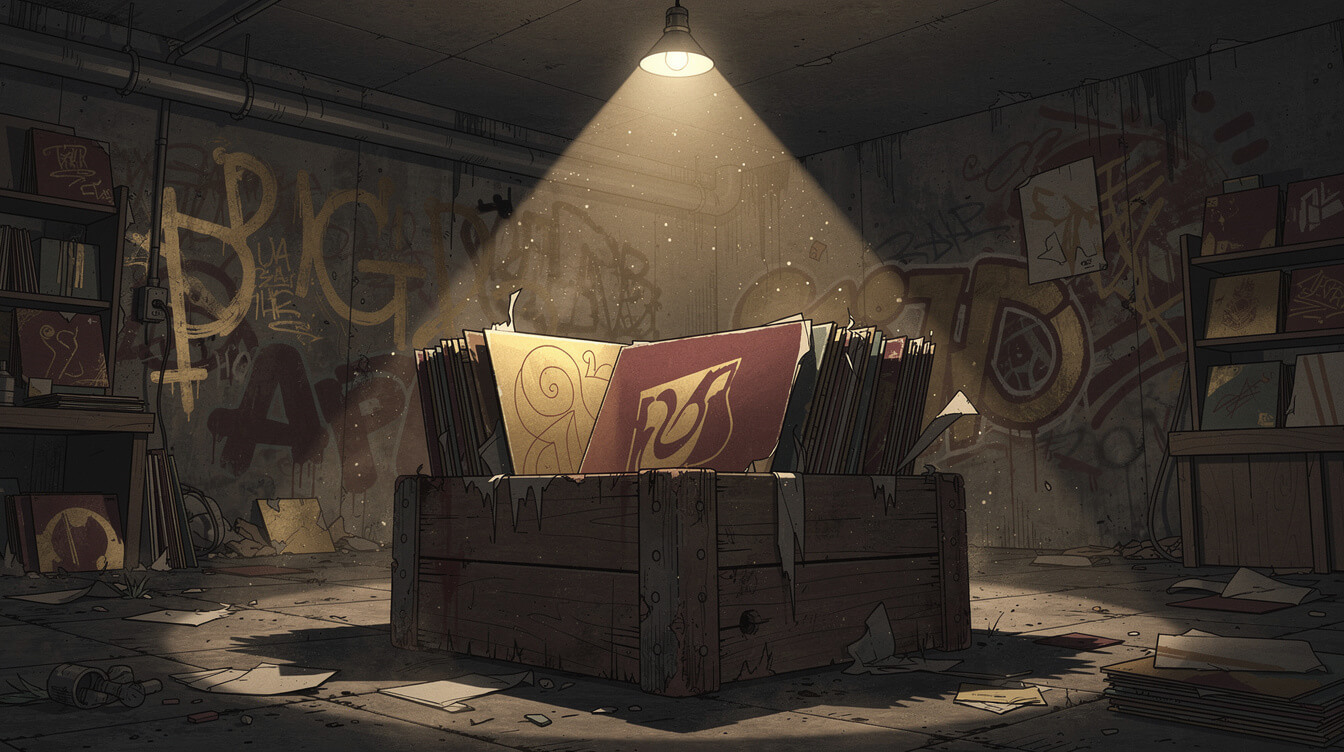
“Kilo” ft. Raekwon (2006) is a clinical, unglamorized audit of the brick economy — no moralizing, no flexing, just prices, weights, and paranoia over a soul sample that swings like a dirty nursery rhyme. It’s Fishscale‘s most underrated cut precisely because it refuses spectacle.
“Mighty Healthy” (2000) has no chorus and no detours — just Mathematics’ vintage soul breakbeat and Ghost in full attack mode, stacking surreal flashes of street theology and celebrity name-drops with a flow that feels like it’s colliding with the beat on every bar.
“Murder Spree” ft. U-God, Masta Killa, Inspectah Deck & Killa Sin (2013) comes from Twelve Reasons to Die, Ghost’s underappreciated concept-album collaboration with producer Adrian Younge — a horror-noir crime opera where five Clan voices take turns writing case files in blood over grimy, cinematic loops. Ghost sets the tone first, calm and descriptive, listing methods of disposal like he’s reading from a hitman’s handbook without ever raising his voice — Deck answers with graphic menace, Masta Killa floats through with a surgeon’s detachment, and U-God closes the loop with blunt-force efficiency. It’s the most slept-on project in Ghost’s entire catalog, and this track is the reason to start digging into it.
“Run” ft. Jadakiss (2004), off The Pretty Toney Album, is pure adrenaline — a frantic project-stairwell chase over an RZA beat that looms like a storm cloud, with Jadakiss adding cold-eyed paranoia from the stash-house window. It rarely makes mainstream “best of” lists, which is exactly why it belongs on this one.
The Sample Science Behind Ghost’s Best Cuts
Part of why this catalog holds up is what’s under the vocals. Ghost has always worked with producers who dig for soul and doo-wop records nobody else is flipping, and the sample choices are half the reason these songs land the way they do.
RZA built “Daytona 500” out of chopped Force MDs vocals stacked with cracked drums and record scratches pulled straight from the Wu vault — the same sonic chaos he brought to “Motherless Child,” where a ghostly vocal loop sits raw and unresolved under Ghost and Raekwon’s robbery narrative. Both tracks share that early-RZA fingerprint: dusty, paranoid, deliberately unpolished.
“Nutmeg” flips a different lane entirely. Producer Black Moes-Art took Eddie Holman’s “It’s Over” and rolled it into a hypnotic loop that just keeps rolling under Ghost’s free-associative avalanche of slang — RZA closes the track out with his own verse, martial-arts metaphors and cosmic references included, a rare case of the label boss stepping back onto the mic on someone else’s song.
Mathematics — RZA’s in-house engineer turned producer — handled two of the Clan’s biggest posse-cut moments on this list. “Mighty Healthy” runs on a vintage soul breakbeat with no hook to interrupt it, and “Wu Banga 101” closes Supreme Clientele by chopping Gladys Knight & the Pips’ “Queen of Tears” into a loop that sounds like a memory reel breaking down mid-playback, perfectly matched to a track passing the mic between five Clan voices.
The later catalog goes further afield. “9 Milli Bros.” is built from an MF DOOM flip of “Fenugreek,” an eerie enough loop that Ol’ Dirty Bastard’s posthumous ad-libs feel like they belong inside it rather than layered on top. “Shakey Dog” leans on a lush, doom-laden sample of The Dells that gives the whole stickup narrative its cinematic swell. And “Murder Spree,” from the Adrian Younge collaboration Twelve Reasons to Die, trades sample-digging for live instrumentation entirely — Younge scored the record from scratch, giving Ghost’s horror-noir concept album a sound no other Wu solo project has touched.
Even “Buck 50” earns a mention here — Method Man, Redman, Ghost, and Cappadonna trading verses over a flipped Baby Huey “Hard Times” break, the kind of soul source that connects a 2000 Wu posse cut straight back to the same crate-digging tradition RZA built the Clan’s whole sound on in 1993.
How These Songs Connect Back To The Albums
None of this replaces knowing the records. If “All That I Got Is You” and “Daytona 500” pull you in, the deep dive on Ironman’s full RZA-era production run is the natural next stop — both tracks live there, alongside the rest of Ghost’s 1996 debut. If “Shakey Dog” and “Kilo” hit harder, go straight to the breakdown of Fishscale as Ghost’s 2006 cinematic comeback, where the coke-rap tension of both cuts gets the full context.
For the bigger picture — how Ironman, Supreme Clientele, Fishscale, and everything after stack up against each other — every Ghostface Killah album ranked is the companion piece to this list, album-by-album where this one goes song-by-song. Read both together and you get the full picture: which records hold up start to finish, and which individual tracks are worth chasing even when the album around them doesn’t.
And for the posse-cut side of things, the crew chemistry on “Winter Warz” and “9 Milli Bros.” only makes full sense with the group’s own catalog behind it — the Wu-Tang Forever anniversary retrospective covers the double-album era these cuts orbit.
If you’re building a Ghost rotation, the Ghostface Killah Supreme Clientele T-Shirt is cut from the same era as “Nutmeg” and “Apollo Kids” — the same abstract, chaotic energy that made the 2000 comeback hit as hard as it did.

Rep the Supreme Clientele Era
Same year as “Nutmeg” and “Apollo Kids” — abstract, chaotic, unmistakably Ghost. Built for heads who know the catalog past the singles.
Frequently Asked Questions
What is the best Ghostface Killah song?
“All That I Got Is You” is the most acclaimed — the first single off Ironman, built on a Mary J. Blige hook and a childhood-poverty narrative that’s as raw as anything in his catalog. But “Shakey Dog” is the strongest case for his single greatest technical performance — a real-time stickup narrative with no hook and no wasted bar.
What’s the best Ghostface Killah song to start with?
“All That I Got Is You,” “Daytona 500,” and “Apollo Kids” together give a new listener the full emotional and stylistic range — vulnerability, velocity, and chaos — without needing album context first.
Which Ghostface Killah posse cuts are essential?
“Winter Warz,” “Wu Banga 101,” “9 Milli Bros.,” and “Buck 50” — each one has Ghost sharing the track with at least three other MCs and still walking away as the clearest voice on it.
What’s an underrated deep cut to start digging into?
“Murder Spree” from Twelve Reasons to Die — Ghost’s 2013 concept-album collaboration with producer Adrian Younge is the most slept-on project in his catalog, and this track is the entry point into it.
Final Thoughts
Rank Ghostface by album and you get a tidy career arc — debut, comeback, comeback again. Rank him by song and you get the truth: a catalog so deep that a track like “Shakey Dog” or “Kilo” can sit two decades old and still out-write most of what’s charting today. Start with the entry points, work through the storytelling peaks, run down the posse cuts he stole, then go dig for the deep cuts. That’s the real Ghostface starter playlist — no shortcuts, no algorithm, just the pen.
Stay Creative
Deep-catalog breakdowns, product drops, and hip-hop history — straight to your inbox, no filler.

🎧 Never Miss a Drop
Exclusive product releases, hip-hop deep dives, and member-only discounts. Straight to your inbox.
Free forever. No spam. Unsubscribe anytime.
Get the Culture, Delivered
Deep dives into hip-hop history, exclusive product drops, and discounts sent straight to your inbox. No spam, just culture.
Join 2,000+ hip-hop heads already in the loop. Unsubscribe anytime.