Let God Sort Em Out: Clipse, the Gospel-Rap Throughline & Every Receipt From the 2025 Reunion
Let God Sort Em Out is a gospel-rap album that learned to dress like a coke-rap album so the radio would still play it. Released July 11, 2025 — Clipse’s first record together since Til the Casket Drops in 2009, a 16-year gap that broke a brotherhood in half and then welded it back — the project debuted at #4 on the Billboard 200 with 118,000 album-equivalent units and Clipse’s biggest streaming week ever (77.49M on-demand streams). Critics called it a comeback. They were wrong. It’s a synthesis.
This is the long-form decoder the SERP refuses to write: how a 13-track, 40-minute Pharrell-produced reunion became the year’s most underrated theological statement, why Pusha T’s prosecutor voice and No Malice’s witness voice answer each other across the tracklist, what the Stove God Cooks placement actually signals about lineage, and how an album that everyone called “small” outlasted Chromakopia and GNX in the only way that matters — by being the one you can’t quote without quoting twice.
Why Let God Sort Em Out Is a Gospel Album Wearing Coke-Rap Clothes
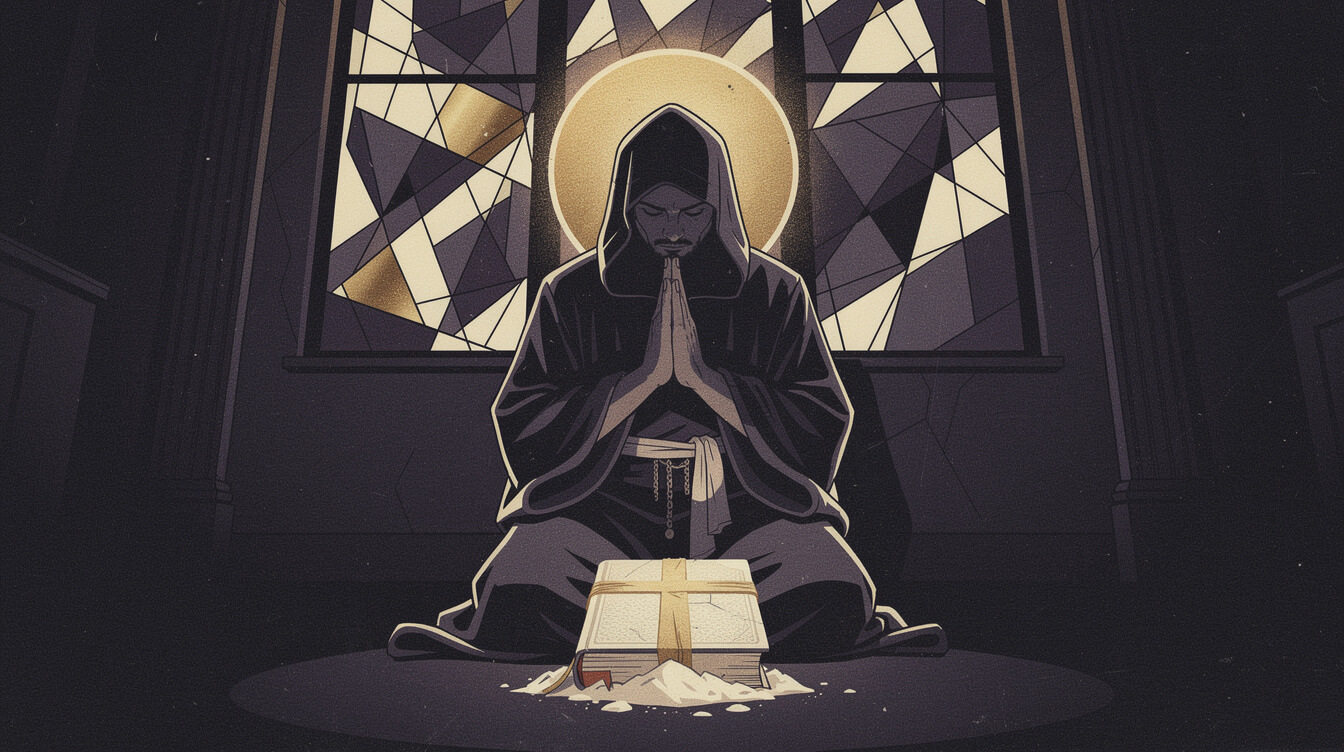
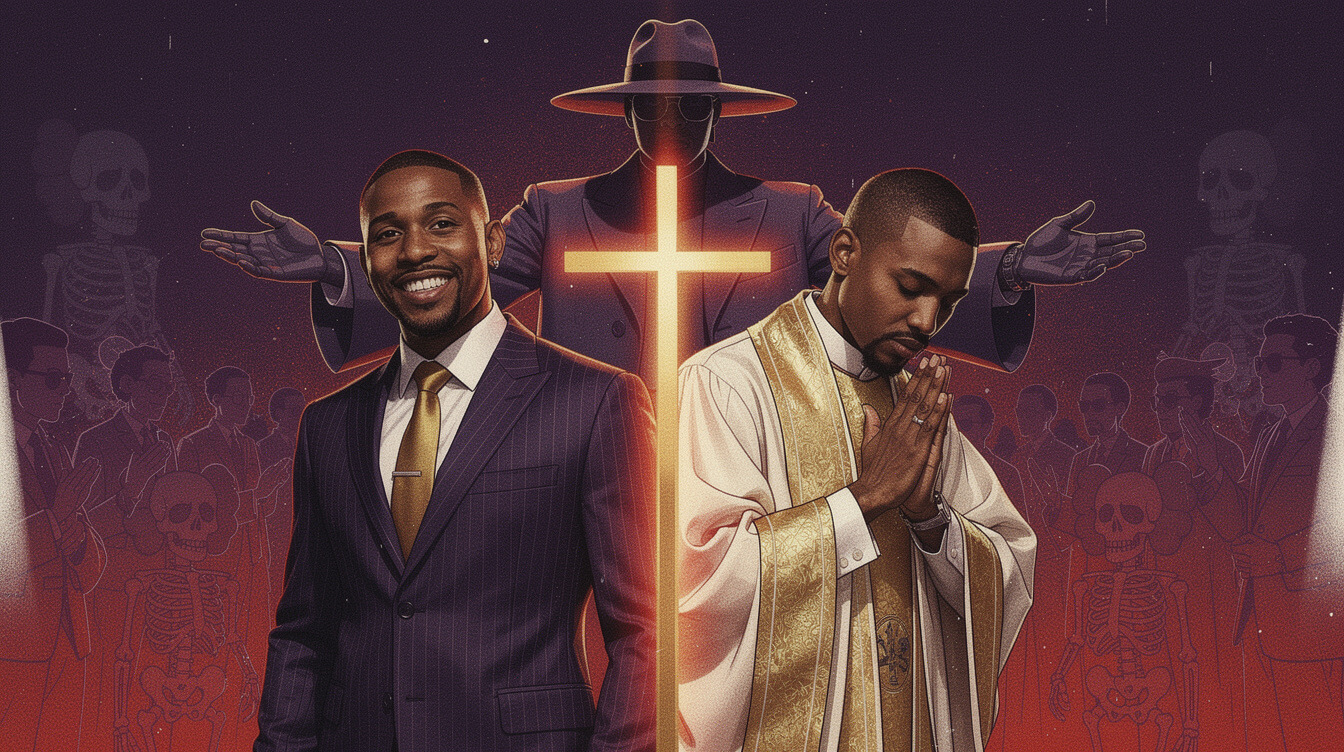
Start with the title. “Let God sort ’em out” is a paraphrase of a phrase the U.S. military and the medieval Crusades both borrowed — “kill them all, God will know his own.” It’s the most violent prayer in the Western canon. And Clipse weaponized it as a record title because the album is, structurally, a courtroom where every verse is testimony and every chorus is a verdict deferred to heaven.
The opener, “The Birds Don’t Sing,” features John Legend and the Voices of Fire choir over a Stevie Wonder–credited composition. Track 1, before a single coke metaphor lands, is literal gospel music. Track 13, “By the Grace of God,” closes the album the same way — Pharrell on the hook, a sung blessing, the runtime collapsing back into church. Between those two bookends every drug bar is framed as confession, every flex is framed as testimony, and every threat is framed as prophecy. The tracklist is shaped like a sermon: invocation, scripture readings (verses), congregational response (the features), benediction.
The shortest critic-take on the album was Metacritic 83/100 with “universal acclaim.” The longest critic-take was the Guardian’s full five stars. The actual take that nobody printed: this is the album Malice’s 2012 solo record Wretched, Pitiful, Poor, Blind and Naked always wanted to make. He needed his brother and Pharrell to make it possible. Malice’s full conversion-and-comeback story is the prerequisite reading; this album is the dissertation defense.
The 16-Year Gap, Decoded: From Malice’s 2012 Baptism to the 2025 Reunion Handshake
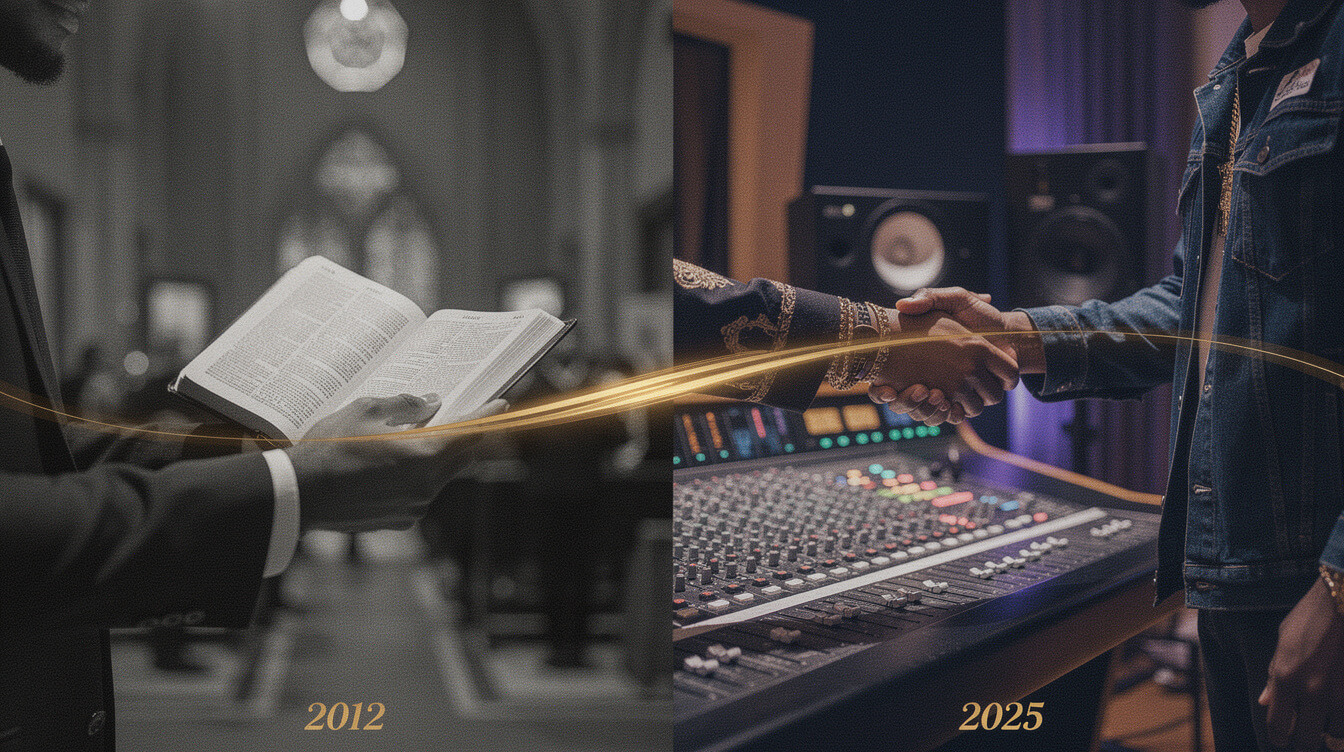
The split was not a beef. That’s the lazy reading. The split was a religious crisis on one side and a label crisis on the other, and the two crises ran in parallel for almost a decade and a half before they finally re-converged.
2009 — Til the Casket Drops
The third Clipse studio album lands in December 2009 and the duo is already cracking from the inside. Malice’s brother-in-law and longtime Clipse manager Anthony Gonzalez had been indicted in a 2009 federal drug-trafficking case, which would put Gonzalez away for over three decades. The man who managed the brand built on selling cocaine was now serving time for actually selling cocaine. Malice’s faith, already brewing, hardens into conviction. Our full decode of the Clipse studio-album cycle covers this rupture in more depth — but the short version is: Til the Casket Drops was a goodbye record nobody recognized at the time.
2010–2012 — The Witness Born
Malice quietly leaves the music industry. He renames himself No Malice, writes a memoir called Wretched, Pitiful, Poor, Blind and Naked (released as both a book and an album in 2013), and steps fully into ministry. The album cover is him on his knees. The lyrics are direct addresses to a God he didn’t believe in five years prior. It moves no units. It moves him.
2013–2018 — The Prosecutor Solo Era
Pusha T signs to G.O.O.D. Music as President. My Name Is My Name (2013), King Push – Darkest Before Dawn (2015), and DAYTONA (2018) — all classic-rated solo records, all of which lean harder and harder into the prosecutor-grade specificity that always set Clipse apart. DAYTONA at 8 — the 21-minute album that started a war — is the apex of this period and the moment Pusha proves he can carry the Clipse voice solo. But he can’t carry the gospel half of it. That’s the structural absence the next seven years are about.
2019 — Pharrell at Louis Vuitton, the Handshake at the Console
The brothers’ on-camera reunion happens in front of a Pharrell-produced beat. The 2019 sessions don’t produce anything releasable. They produce permission. The album that becomes Let God Sort Em Out doesn’t start recording until 2023, after Pharrell has been appointed Creative Director of Louis Vuitton Menswear in February of that year — which is also why some of the album was tracked at the Louis Vuitton headquarters in Paris. Luxury fashion bought the studio time that hip-hop reunion politics couldn’t.
2024–2025 — The Def Jam Stalemate, the Self-Release
Originally a 2024 release, the album was held when Def Jam and Universal Music Group demanded Kendrick Lamar’s guest verse on “Chains & Whips” be either censored or removed — citing concern over political blowback from then–U.S. President Donald Trump, who’s name-checked in Kendrick’s verse. Clipse refused. The album was self-released through Roc Nation distribution on July 11, 2025. It debuted #1 on Billboard’s Independent Albums chart. The 25-stop reunion run that followed was built on that refusal — a tour built around a verse that wasn’t supposed to exist.
Pusha T’s Prosecutor Voice vs. No Malice’s Witness Voice — How the Two Verses on LGSEO Answer Each Other
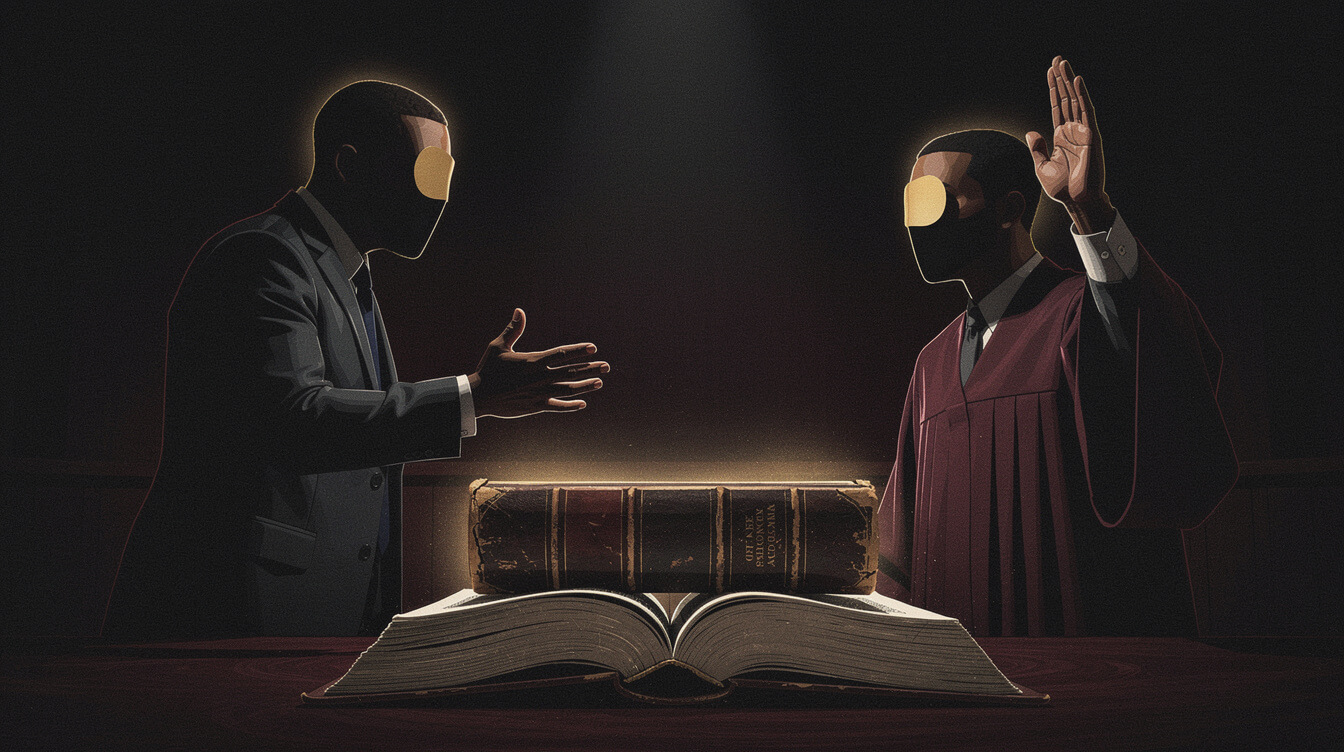
Read the album as a transcript of a courtroom where one brother is opening arguments and the other is the witness whose testimony makes the whole case land. Pusha is the prosecutor. He builds the indictment — specifics, dates, brand-names, receipts. Malice is the witness. He testifies to what the prosecutor cannot directly enter into evidence: the conscience.
Hear it on the first three tracks as a sequence. “The Birds Don’t Sing” opens with John Legend over choir. The brothers each take a verse processing the deaths of their parents. Pusha’s verse is forensic — what their mother was wearing, what their father said. Malice’s verse is consolation — addressing his own children, processing grief publicly with a believer’s vocabulary. Same loss, two completely different evidentiary modes.
“Chains & Whips” with Kendrick Lamar is the indictment proper. Pusha’s verse is a prosecutor cross-examining the entire industry. Kendrick’s verse — the one Def Jam tried to kill — is the surprise witness whose testimony nukes the trial. Then Malice closes the same song with a witness-stand verse that re-frames the entire prosecution as confession. “I would tell the truth, but who would believe me?” That line is the structural hinge of the whole album. It’s also a sentence a man only writes if he believes there’s a court above the court.
“P.O.V.” with Tyler, the Creator is the defense-witness verse. Tyler — Clipse-coded since the original Odd Future obsession with Hell Hath No Fury — testifies on behalf of the duo’s stylistic heirs. Our full Hell Hath No Fury decode traces exactly how this stylistic lineage runs from 2006 through Tyler’s first three albums and back to this verse. The two-camera structure repeats: Pusha as prosecutor, Malice as witness, every guest verse a deposition.
Pharrell as the Third Clipse: The Production Arc From Lord Willin’ to Joyride
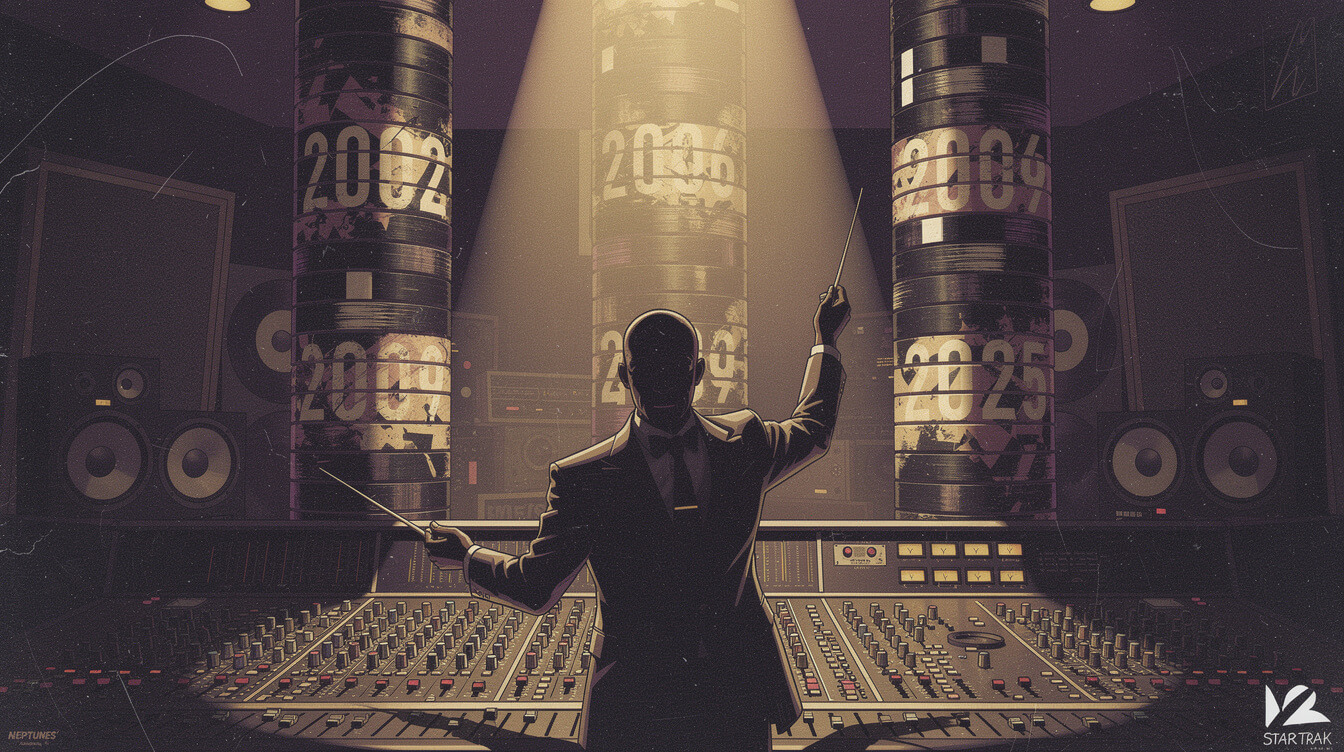
The receipt critics keep missing: all 13 tracks on Let God Sort Em Out are produced by Pharrell Williams, sole producer credit, no Chad Hugo. This is the first Clipse album made entirely without The Neptunes as a co-credited duo, because The Neptunes effectively ended in late 2024 when Pharrell and Hugo split their decades-long partnership. So when you hear LGSEO, you’re hearing what Pharrell sounds like as a solo producer in 2025 — and it sounds remarkably different from anything else in his catalog.
Lord Willin’ (2002) — Coke-Rap Cathedral
Heavy snares, neon-pink synths, Pharrell singing the hook himself. “Grindin'” is one of the most-imitated drum patterns of the 2000s. The full Lord Willin’ breakdown covers how that drum pattern was reverse-engineered into a global trap-beat default by 2008. The Pharrell of Lord Willin’ is a 28-year-old chart-killer who’s never produced an album that wasn’t aimed at radio.
Hell Hath No Fury (2006) — Death-Knell Minimalism
The opposite move. Cold, mechanical, almost industrial. Pharrell and Hugo stripped the Lord Willin’ palette down to bone — single hi-hats, deep sub-bass, no melodic warmth. The album is widely held as Clipse’s masterpiece and remains a Neptunes-production peak. Why the original 2006 pressings of Hell Hath No Fury are still the most sought-after Clipse vinyl goes deeper on this.
Til the Casket Drops (2009) — Major-Label Compromise
The lone Clipse album where Pharrell and Hugo were pulled into making concessions to mainstream radio — and the album where the duo is most audibly distracted, with side projects, label fights, and the brewing Malice-conversion arc all warring underneath the tracklist.
Joyride / Star Trak Reissues (2010–2023) — The Wilderness Years
Pharrell produces N.E.R.D. albums, scores films, becomes the Creative Director of Louis Vuitton Menswear (Feb 2023). Hugo continues separate production work. They appear in public together less and less. By the time the 2024 Clipse sessions begin, they are no longer functionally a duo — and the album credits make that official.
Let God Sort Em Out (2025) — The Cathedral Rebuilt Without the Co-Architect
Pharrell solo. Recorded at Louis Vuitton HQ in Paris, Masterworks in Virginia Beach, and seven other studios across Miami, Philadelphia, Hollywood, Eleuthera, Atlanta, and New York. Lenny Kravitz and Stevie Wonder contribute additional musicianship (Wonder is credited as a writer on “The Birds Don’t Sing”). The sound is the most lush, organic, and live-instrumented Pharrell production palette in 20 years — full choirs, string sections, gospel-piano flourishes. It is sonically the inverse of Hell Hath No Fury and the maturation of Lord Willin’. Half the album sounds like a sermon. Half sounds like a heist. That’s not an accident — it’s the third Clipse drawing the structural blueprint that the two brothers fill in.
The Stove God Cooks Placements — Why Clipse Cosigned the Heir
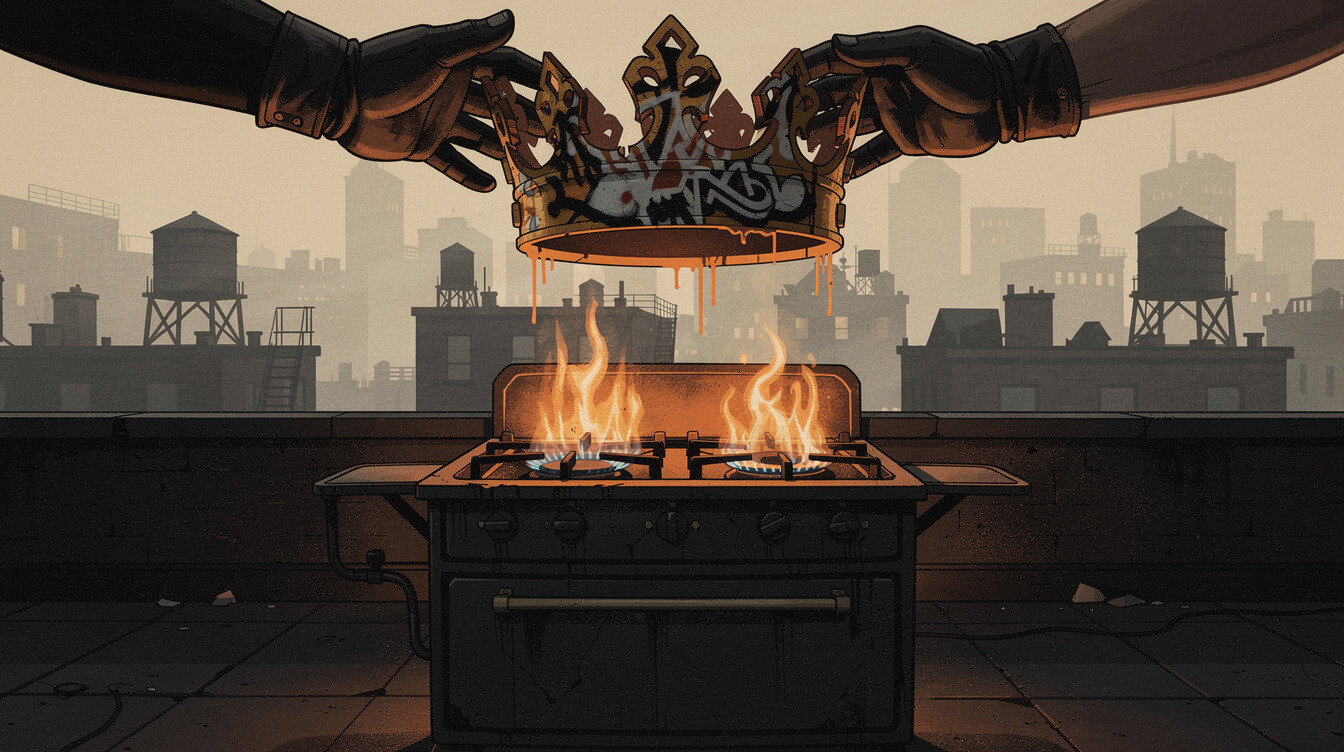
Track 9, “F.I.C.O.” features Stove God Cooks — Syracuse-born rapper Aaron Cook, longtime Roc Marciano collaborator, Griselda-adjacent figure whose 2020 Reasonable Drought (produced entirely by Roc Marci) was widely treated as the most lineage-pure coke-rap record since Hell Hath No Fury. Putting Cooks on track 9 is not a guest-feature choice; it is a public coronation.
Here is what the placement actually communicates: the coke-rap throne does not pass laterally to Roddy Ricch or Future or any of the trap-fluent commercial-rap descendants. It passes vertically — from Clipse to Stove God Cooks. Same regional specificity. Same writer’s-room obsessiveness with metaphor. Same emphasis on what didn’t happen (the bust, the indictment, the prison sentence) as much as on what did. F.I.C.O. is structured as a transfer-of-knowledge verse: Pusha sets the standard, Cooks demonstrates he’s already meeting it, Pusha closes by confirming.
The longer arc this fits into: Roc Marciano produced for Westside Gunn, who built Griselda, who signed Boldy James, who toured with Stove God Cooks, who now appears on a Clipse album produced by Pharrell. Six degrees of lineage that took 15 years to assemble — and the placement on LGSEO is the moment the line closes the circle. The “So Be It” decode covers a parallel Clipse stylistic-lineage choice on the same album in more depth.
LGSEO in the 2025 Lineup: Against Chromakopia and GNX, the Album That Won by Being Smallest

2025 was a stacked year. Tyler, the Creator dropped Chromakopia in late 2024 and toured it into mid-2025. Kendrick Lamar surprise-released GNX in November 2024, Super Bowl–performed it in February, and rolled it through the Grand National Tour all year. Drake dropped $ome $exy $ongs 4 U with PARTYNEXTDOOR. Future and Metro Boomin’ shipped follow-ups to WE DON’T TRUST YOU. And in the middle of that, Let God Sort Em Out — 13 tracks, 40 minutes, no skits, no interludes, no obvious radio single until “Ace Trumpets” reverse-engineered itself into one.
It won by being the smallest record in the lineup. Chromakopia is 14 tracks at 53 minutes. GNX is 12 tracks at 44 minutes — closer to LGSEO’s runtime but operating in completely different emotional territory (Kendrick is reclaiming a throne; Clipse is testifying about whether the throne is moral). The albums share an audience but cannot share an argument.
The receipts: Metacritic 83/100, Guardian 5/5, Clash 9/10, Consequence A−, AllMusic 4/5, Pitchfork giving the project a Best New Music designation. AnyDecentMusic? at 7.5/10. The album won every critical battle that didn’t require commercial size — and on the commercial side, the 118,000 first-week album-equivalent units exactly matched Lord Willin’s 2002 debut. Twenty-three years between matching openings. That is a circle closing on the chart.
The reason LGSEO outlasts Chromakopia and GNX in conversation is the same reason gospel records outlast pop records: it’s quotable in moral language. Tyler’s lines are funny; Kendrick’s are righteous; Clipse’s are theological. You can drop “let God sort ’em out” into a sermon. You cannot drop “DODGER BLUE” into one. Long-tail durability is built on quotability, and the album’s quotability ceiling is the highest of any rap record released in the back half of the decade so far.
After the Victory Lap: Pusha Solo, Malice’s Ministry, and the Brotherhood

What happens after a 16-year reunion record that everyone agrees is a critical victory? Three threads, all already running.
Pusha T’s Next Solo Move
Pusha is no longer G.O.O.D. Music President (that chapter closed when he and Kanye West publicly broke in late 2022). He’s free of label constraints for the first time in a decade. The expected next album is a Pharrell-produced solo follow-up to DAYTONA — likely 2026, likely under 30 minutes, likely featuring at least one direct response to the Drake/Travis Scott narrative that DAYTONA started. Watch for the rollout to begin once the LGSEO tour cycle is fully wrapped.
No Malice’s Ministry, Now With Reach
Malice’s ministry is no longer underground. The LGSEO press cycle re-introduced him to a generation of rap fans who only knew Pusha-as-solo-artist and assumed Malice had retired permanently. His pre-existing book, podcast, and church work all now operate at a multiple of their previous reach. Expect a No Malice solo gospel-rap project before the next Clipse album, written from a position he could not have written from in 2013 — being heard by a non-believing audience.
The Brotherhood, Recalibrated
The defining post-LGSEO question is not “will there be another Clipse album?” It’s “what is the gap going to be?” Clipse confirmed at multiple album-cycle interviews that they intend the next record to be on a much shorter timeline — but neither brother is committing to a window narrower than three years. The implied truth: they need the gospel-rap synthesis they found on LGSEO to settle into the culture before they re-enter it. Re-entering too quickly would dilute what they just landed.
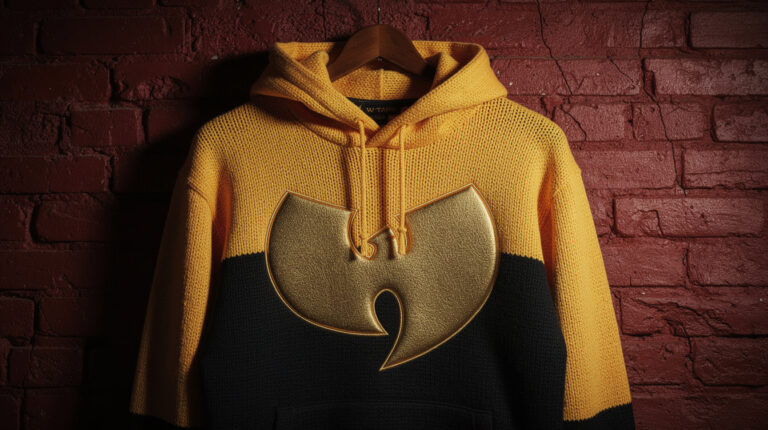
For listeners and collectors, the takeaway is this: every artifact from the LGSEO cycle — first pressings, tour merch, the original 2025 Carhartt collab pieces — is now front-half-of-its-curve collectible. Our full Clipse merchandise decoder covers what’s still findable from this era and what’s already grey-market only. The Carhartt collab story in particular tracks how the workwear pieces are aging on the resale market.
Frequently Asked Questions About Let God Sort Em Out
When did Let God Sort Em Out come out?
Clipse self-released the album on July 11, 2025, after a Def Jam / UMG release stalemate over Kendrick Lamar’s “Chains & Whips” verse. It debuted #4 on the Billboard 200 with 118,000 album-equivalent units (58,000 pure sales / 59,000 streaming-equivalent), simultaneously charting #1 on Billboard’s Independent Albums chart.
How many tracks are on Let God Sort Em Out?
13 tracks. Total runtime 40:47. The features are: John Legend + Voices of Fire (“The Birds Don’t Sing”), Kendrick Lamar (“Chains & Whips”), Tyler, the Creator (“P.O.V.”), The-Dream + Pharrell (“All Things Considered”), Pharrell solo (“E.B.I.T.D.A.”, “So Far Ahead”, “By the Grace of God”), Stove God Cooks (“F.I.C.O.”), Ab-Liva (“Inglorious Bastards”), and Nas (“Let God Sort Em Out / Chandeliers”). Additional musicianship by Stevie Wonder (writer credit on track 1) and Lenny Kravitz.
Who produced Let God Sort Em Out?
Pharrell Williams is the sole producer and executive producer of every track. This is the first Clipse album in the catalog without Chad Hugo as a co-credited Neptunes producer — Pharrell and Hugo split their long-running partnership in late 2024, ending The Neptunes as a working duo. The album is the first major showcase of what Pharrell sounds like as a 2025 solo producer.
What was the deal with the Kendrick Lamar verse?
Def Jam and Universal Music Group asked Clipse to either censor or remove Kendrick’s verse on “Chains & Whips” — reportedly out of concern about political fallout from then–U.S. President Donald Trump, who is name-checked in the verse. Clipse refused. They walked from the major-label release plan, self-released the album through Roc Nation distribution, and the verse landed uncut. The standoff is what pushed the album from its original 2024 release window into the July 2025 drop.
Is Let God Sort Em Out a gospel album?
Structurally, yes. Stylistically, no. It opens with a literal gospel track (John Legend + Voices of Fire choir over a Stevie Wonder–credited composition), closes with a literal benediction (“By the Grace of God”), and uses every drug bar in between as a confession framed in theological language. Calling it “coke rap” is not wrong — it’s just incomplete. The album’s argument is that coke rap and gospel rap are the same genre when one brother is the prosecutor and the other is the witness.
How does it compare to Hell Hath No Fury?
Hell Hath No Fury (2006) is colder, more minimalist, and tighter — widely regarded as Clipse’s stylistic peak. Let God Sort Em Out is warmer, more orchestrated, and more emotionally generous — and possesses a thematic depth Hell Hath No Fury was not trying to attain. The two albums sit in the catalog as bookends to the duo’s first arc and the start of the second.
Final Thoughts: The Album That Will Be Argued About for the Next Decade
Hip-hop reunion albums almost never work. The expectations are too high, the original chemistry is too hard to recover, and the audience that loved the original duo has aged into a different listening relationship with rap entirely. Let God Sort Em Out broke every one of those rules — and it did so by refusing to be a reunion album in the first place. It’s a synthesis album. Two brothers who spent 16 years preaching to entirely different congregations finally co-wrote the sermon they had each been writing alone.
The album will be argued about for the next decade because the argument it makes — that coke rap was always gospel rap in disguise, that confession and indictment are the same evidentiary mode, that Pharrell’s late-career production palette can carry an entire theological framework on its own — is the kind of argument the genre rarely lets itself land. It landed because Clipse had nothing left to prove commercially and everything left to resolve narratively.
If you want the deeper Clipse cluster — the discography decode, the side-stories, the family-history pieces, the production-cycle deep-dives — start with our complete Clipse studio-album breakdown. If you want the artifact side — the wax, the workwear, the live-show pieces — browse the full Custom Creative shop for hip-hop apparel, neon, prints, and culture pieces that travel alongside this era.
Stay creative.
Hip-Hop Lineage in Your Inbox
Album decoders, era retrospectives, gear drops, and the cultural connections most outlets miss. One email a week, no filler.

🎧 Never Miss a Drop
Exclusive product releases, hip-hop deep dives, and member-only discounts. Straight to your inbox.
Free forever. No spam. Unsubscribe anytime.
Get the Culture, Delivered
Deep dives into hip-hop history, exclusive product drops, and discounts sent straight to your inbox. No spam, just culture.
Join 2,000+ hip-hop heads already in the loop. Unsubscribe anytime.