Memphis Rap: The Full History, From Spanish Fly’s Tapes to the Oscar Stage and the Phonk Afterlife
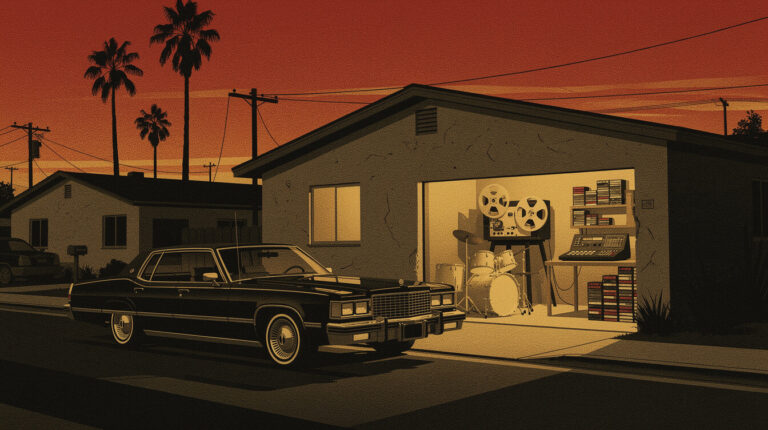
Hip-hop fans have been taught to think in coasts. New York invented it, Los Angeles turned it into cinema, Atlanta took over the charts. Memphis rap doesn’t fit that map, and that’s exactly why it ended up everywhere. It came out of bedroom studios, roller rinks and car-audio shops in a river city that the industry mostly ignored. It ran on dubbed cassettes with a phone number for booking printed on them. Thirty years later, its triplet flows sit in Billboard No. 1s, its cowbells soundtrack a global internet genre, and its tape hiss is something producers on three continents try to fake on purpose.
This is the full story, told in order: the Stax and Hi Records bloodlines, the DJ tapes that gave the city its sound, the first wave of underground stars, the Hypnotize Minds run that ended with an Oscar, the modern Memphis takeover, and the phonk afterlife that turned 1994 cassette rips into TikTok anthems. We’ve checked every date against at least two sources. Where the record is honestly murky (and with a scene this undocumented, it often is), we say so.
What Is Memphis Rap? The Sound in Plain Terms
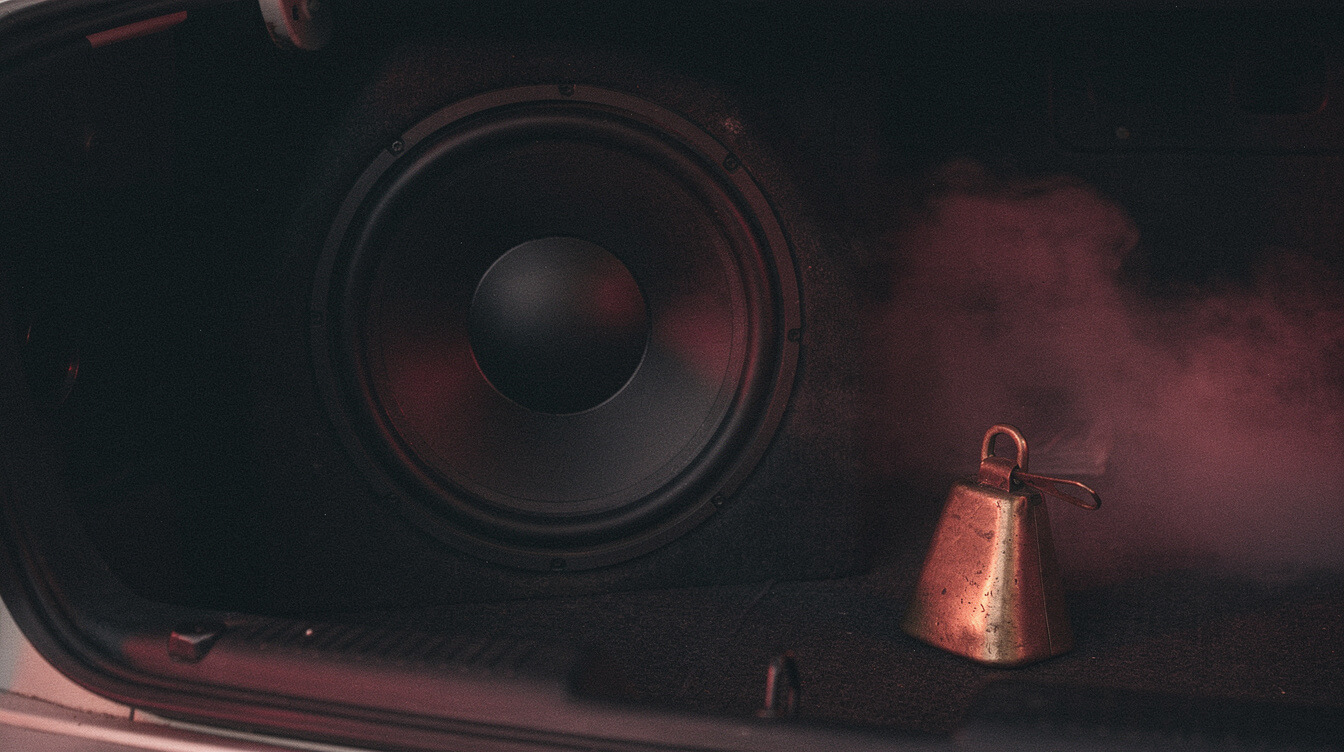
Memphis rap is a regional style of hip-hop that took shape in Memphis, Tennessee in the late 1980s and early 1990s. Its home was independent cassettes, not major-label CDs. Wikipedia’s genre page sums up the sound as low-budget, built on the Roland TR-808 drum machine, minimal synth melodies and repetitive vocal hooks, all wrapped in a “distorted,” lo-fi soundscape. That’s accurate, but it undersells how specific the formula was.
The four ingredients
- The 808 low end. Long, booming kicks tuned to rattle trunks, which was the whole point in a city where car-audio shops sold the music.
- Hi-hats and cowbell. Producer DJ Squeeky gets the credit from his peers for the rapid hi-hat rolls. Kingpin Skinny Pimp told Atlanta’s Hot 107.9 that Squeeky was “the first producer I ever heard make those hard beats” with that ts-ts-ts-ts pattern. Tommy Wright III, in the same Red Bull Music Academy history, is described as a “cowbell aficionado.”
- The triplet and double-time flow. Fast, rolling cadences in groups of three, which NPR’s Zandria F. Robinson calls the scene’s “now-signature eighth-note and triplet cadences.” Decades later, that same pocket became the default flow of trap.
- Darkness as a selling point. Horror-movie samples, chanted hooks, murder fantasies and devil imagery. The city’s early scene picked up the “horrorcore” label for a reason.
The tape hiss is part of the sound
Most of this music lived on cassettes that were dubbed, re-dubbed and sold at club windows and car-stereo shops. Red Bull Music Academy described them as “unmixed, unmastered and free of art or tracklists,” with the artist’s phone number often printed right on the tape for bookings. That generational degradation, the muffled highs and warped low end, became so tied to the style that later producers recreate it on purpose. When people say a beat “sounds Memphis,” half of what they mean is the cassette.
How Memphis rap differs from its neighbors
Memphis sits in a triangle of Southern scenes, and they cross-pollinated hard. Houston gave the South DJ Screw’s slowed, chopped tapes and the independent business model of Rap-A-Lot Records. New Orleans built bounce on a single drum loop. Memphis was the darkest corner of that triangle. It was faster than Houston, grimier than New Orleans and more occult than Atlanta. Crunk, the shout-along club style Atlanta would later sell to the world, has clear Memphis roots in the “get buck” chants of the city’s clubs.
Before the Tapes: Stax, Hi Records and the Bloodlines Behind Memphis Rap
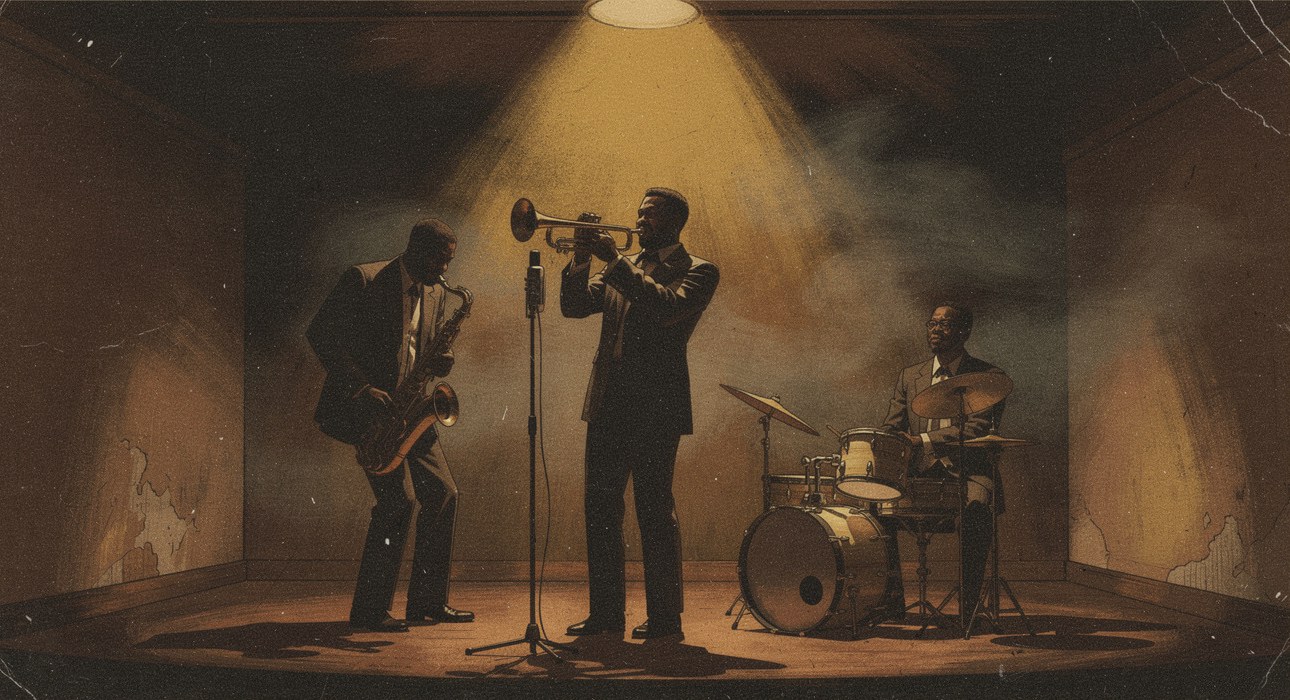
You can’t explain Memphis rap without Memphis soul. This is the city of Stax Records, Hi Records, Isaac Hayes, Al Green and Willie Mitchell. NPR’s hip-hop 50 history of the city puts it plainly: the young people who built the rap scene “had transported the horn and drum sections from Stax and Hi Records to high school band jamborees and beat machines.”
Literal bloodlines
The soul connection isn’t just a vibe; in several cases it runs through families:
- Gangsta Pat is the son of Willie “Too Big” Hall, a Stax house drummer who played with the Bar-Kays, Isaac Hayes’ band The Movement and Booker T. & the MG’s. He’s the drummer on “Theme from Shaft.”
- Playa Fly‘s father, William “Billy Boy” Young, sang in the Ovations, a 1960s-’70s soul group.
- M-Team, one of the city’s earliest rap acts, were the sons of Willie Mitchell, the producer behind Hi Records’ Al Green hits, according to MacAdams.
- Producer Jazze Pha is the son of the Bar-Kays’ James Alexander.
So when Memphis producers flipped Isaac Hayes and blaxploitation soundtracks, they weren’t crate-digging someone else’s history. In a lot of cases they were sampling their parents’ world.
The Elvis connection nobody mentions
Here’s the jewel. In the 1980s, the Memphis distributor Select-O-Hits carried early rap labels into the region. It was co-founded in 1960 by Tom Phillips and his brother Sam Phillips, the founder of Sun Records and the man who first recorded Elvis Presley. Music historian Torii MacAdams, who wrote the liner notes for the 2023 Story of Memphis Rap box set, notes that Select-O-Hits distributed Sugar Hill, Macola and later Def Jam, Priority and Tommy Boy, which put young Memphians unusually close to new rap records. Select-O-Hits’ own company history lists DJ Paul and Juicy J’s first label, Prophet Entertainment, among the labels it distributed. The family that put rock and roll on wax also helped move the Memphis underground.
A city on the floor
The other ingredient was hard times. MacAdams’ liner notes trace how white flight after court-ordered school busing in 1973, followed by plant closures through the ’70s and ’80s, hollowed out the city’s economy. The music that came out of the late ’80s and early ’90s reflects that. It’s paranoid, funny, violent and broke. NPR’s Robinson calls the early scene’s style a “new gothic blues,” and that’s the best two-word description of Memphis rap anyone has written.
The DJ Tape Era: Spanish Fly, Squeeky and the Triggerman Beat
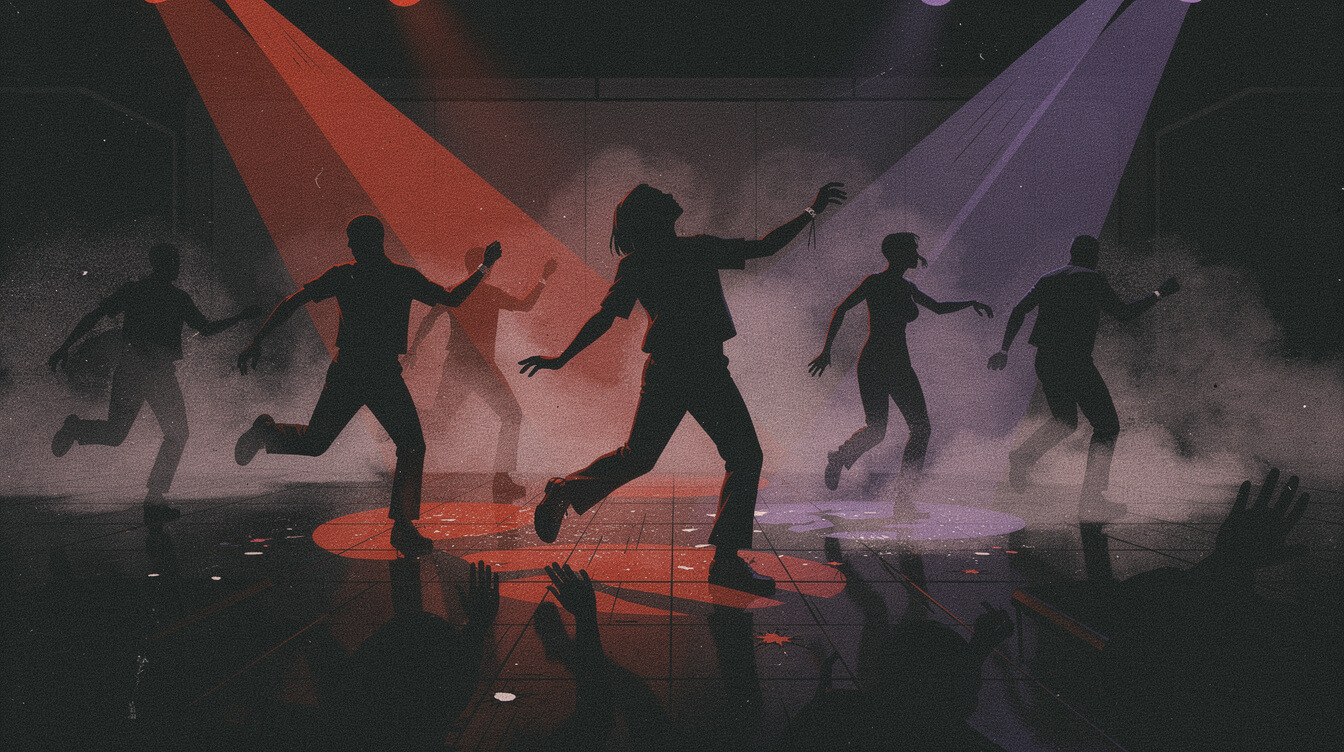
Before there were Memphis rappers, there were Memphis DJs. Club dance floors came first, and the music was cut to fit them.
DJ Spanish Fly and “Drag Rap”
DJ Spanish Fly is the name almost every history starts with. Wikipedia calls him “the bridge between 1980s electro-funk and the heavier gangsta rap of the following decade.” He DJ’d at Club No Name, which Red Bull Music Academy describes as the city’s first club to play rap, and sold his own mixtapes from the front window of the clubs where he worked. On those tapes he slipped his own harder, raunchier songs between the hits.
His biggest move was a record from Queens. “Drag Rap” by the Showboys came out in 1986 and went mostly nowhere in New York. Spanish Fly found it, pushed its booming 808 and xylophone-like riff on his Sunday-night radio mix and in the clubs, and became the first Southern DJ to build his own record on it. Wikipedia’s Triggerman article dates his “Trigga Man” to 1990, a year before New Orleans’ “Where Dey At” turned the same beat into bounce’s backbone. (His own discography lists a Triggaman Break as early as 1988, so the exact year is one of those Memphis mysteries.) That beat, now known everywhere as the Triggerman beat, went on to become the foundation of bounce. Wikipedia’s Triggerman page traces it all the way to Drake’s “Nice for What” and “In My Feelings.” It also reports that the Showboys only learned their record had blown up down South when Chuck D called to tell them he’d heard it in Memphis.
One small correction to the record: Wikipedia’s Triggerman article says “Drag Rap” came out on Priority Records. Discogs and MusicBrainz both list the 1986 original on Profile Records. Discogs also shows that by 1991, once the South was wearing out the grooves, Profile repressed it with a new title: “Drag Rap (Trigger Man).”
Buck jumping and the gangsta walk
The dancing drove the music. In Memphis clubs, kids “got buck,” a bouncing, half-violent jump that Pretty Tony’s local hit “Get Buck” memorialized. MacAdams’ liner notes describe how that evolved into the gangsta walk, a liquid, gliding strut that took over Club No Name and the city’s roller rinks. Wikipedia’s history of the dance ties it to Spanish Fly’s own late-’80s “Gangsta Walk” and notes that G-Style’s 1993 “Gangsta” video showed it to the rest of the country. The chants that hyped those circles (“get buck,” “tear da club up”) are the direct ancestors of crunk.
DJ Squeeky’s bedroom studio
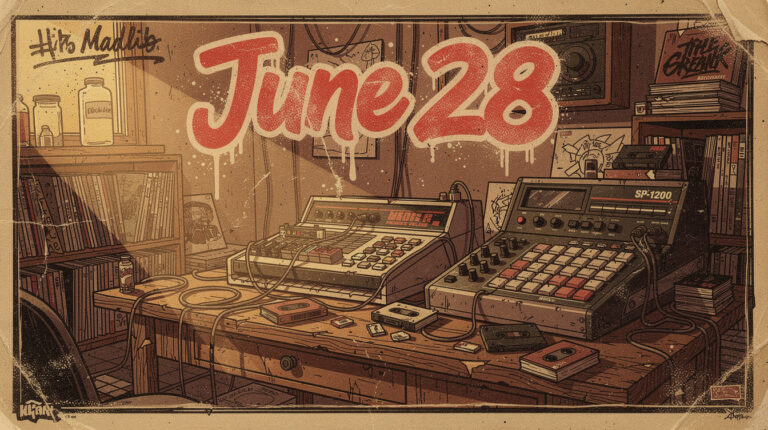
If Spanish Fly set the direction, DJ Squeeky built the template. Working from an SP-1200 and a Roland keyboard in his Orange Mound bedroom, he produced for a who’s-who of early Memphis: 8Ball & MJG, Kingpin Skinny Pimp, Al Kapone, DJ Zirk, Criminal Manne and more, according to Red Bull Music Academy’s history. His thundering, rat-a-tat drums are the sound most people picture when they hear “1990s Memphis.”
The original Memphis beef was about bootlegging
Here’s a receipt most retrospectives skip. Before they were Three 6 Mafia, DJ Paul and Juicy J made mixtapes too, and their early volumes mixed other people’s music, including Squeeky’s. Squeeky didn’t hide his feelings. In a 2012 Memphis Flyer interview, quoted by Red Bull Music Academy, he said “it was an issue with them re-making my music.” RBMA’s verdict is balanced: the complaint was “a fair one, if over-exaggerated,” since Squeeky’s own building blocks came from Spanish Fly. That’s Memphis rap in a nutshell: everyone borrowed, everyone sampled, and everyone has a version of who did it first.
Memphis Rap’s First Wave: Gangsta Pat, 8Ball & MJG and the Cassette Kings
By the early ’90s, the DJs had built an audience and a sound, and a wave of rappers stepped in to fill it. Red Bull Music Academy’s history lists DJ Zirk, Blackout, La Chat, DJ Sound, Shawty Pimp, Tom Skeemask, the Gimisum Family and Lil Noid as names any serious discussion should include, and admits the list could keep going. Here are the ones that shaped everything after.
Gangsta Pat: the first major-label record
Torii MacAdams, the scene’s most thorough historian, settles the “first Memphis rapper” debate by naming Gangsta Pat. His debut album #1 Suspect came out in 1990 on Miami’s On Top Records. It sold well enough regionally that Atlantic reissued it in 1991, making it the first Memphis rap record put out by a major label. Atlantic dropped him soon after. It didn’t matter: Pat kept recording independently through the decade, and Kingpin Skinny Pimp later told Nah Right that a Gangsta Pat tape could sell for $25 or $30 in Mississippi or Arkansas. The son of the drummer on “Theme from Shaft” gave Memphis rap its first major-label record. You couldn’t script a cleaner handoff from soul to rap.
8Ball & MJG: Memphis players, Houston money
Eightball and MJG met in middle school in Memphis and released Comin’ Out Hard in 1993 on Suave House, the Houston label run by Tony Draper. Its Pen & Pixel cover art became one of the defining looks of Southern rap. Their smoother, pimp-talk style was the lighter side of Memphis, much closer to soul than to horrorcore. On Top of the World (1995) peaked at No. 8 on the Billboard 200 and went gold, according to its Wikipedia chart table. The Houston connection made 8Ball & MJG an early bridge between the two cities, the same lane UGK, Rap-A-Lot and the Geto Boys were paving from the Texas side.
Tommy Wright III and Princess Loko: the self-made underground
Tommy Wright III was, in RBMA’s words, a “one-man gangster rap cottage industry.” Between 1992 and 2000 he released five self-produced solo albums, ran his own Street Smart Records and produced its whole catalog. Ashes 2 Ashes, Dust 2 Dust (1994) is his landmark: cowbells, chunky bass and speed-rapping horror. His collaborator Princess Loko (Andrea Summers, who died in 2020) is one of the scene’s great voices. Here’s the jewel: Beyoncé opened her 2022 album Renaissance with “I’m That Girl,” which contains elements of Tommy Wright III and Princess Loko’s “Still Pimpin’.” Writing credit goes to Wright and Summers, per the album’s liner credits. A 1990s Memphis tape track kicked off one of the biggest pop albums of the decade.
Kingpin Skinny Pimp, Al Kapone and Playa Fly
- Kingpin Skinny Pimp came up on DJ Squeeky’s tapes. He then switched sides to work with DJ Paul, whose production on King of da Playaz Ball (1996) RBMA calls “criminally underrated.”
- Al Kapone debuted in 1992, but he found his haunted sound on 1994’s Sinista Funk. A decade later he’d write songs for an Oscar-winning film. More on that below.
- Playa Fly, the son of a soul singer, had his first EP produced by DJ Paul. He appeared on Mystic Stylez and then split acrimoniously from the group. “Nobody Need Nobody” is still a Memphis standard.
- Lil Noid‘s Paranoid Funk (1995), produced by Blackout, became a cult favorite decades later and one of the records the internet rediscovered first.
Lord Infamous and the “triple-time” flow
Who invented the triplet flow? Honestly, nobody can prove it, and anyone who names a single inventor is guessing. Wikipedia credits Lord Infamous, DJ Paul’s half-brother and a Three 6 Mafia founding member, with a “triple time flow” going back to 1989. DJ Squeeky has described the double-time and triplet styles as something the whole scene shared. What’s certain is that those rapid triplets are what Atlanta’s trap rappers rode to the top of the charts two decades later. We break down Lord Infamous’ role in our Three 6 Mafia members guide.
Hypnotize Minds and the Mainstream Breakthrough: From Mystic Stylez to the Oscar

Of all the crews that came out of the tape era, one turned Memphis rap into a national brand. DJ Paul and Juicy J’s group went from bootlegged mixtapes to an Academy Award in about ten years. We’ve told the full roster story in our breakdown of the Three 6 Mafia members, so here’s the short version, focused on what it meant for the city.
Mystic Stylez and the birth of Hypnotize Minds
DJ Paul and Juicy J co-founded Prophet Entertainment in 1994 and released Three 6 Mafia’s debut, Mystic Stylez, on May 30, 1995. It’s the album that packaged the tape-era sound (horror samples, triplet flows, chanted hooks) into a full-length statement. Prophet was distributed by Select-O-Hits, the Phillips family business. After a split with their Prophet partner, Paul and Juicy launched Hypnotize Minds in 1997. That same year, Chapter 2: World Domination (November 4, 1997, through Relativity) gave the group its first gold record and the anthem “Tear da Club Up ’97.” According to the Memphis Music Hall of Fame, Juicy J described the plan in Stax terms: “We’re going to bring it back like Stax.” By 2000, When the Smoke Clears had reached No. 6 on the Billboard 200, the group’s first top 10, and gone platinum.
Project Pat and the hits that crossed over
Juicy J’s older brother Project Pat became the label’s biggest solo crossover. Mista Don’t Play: Everythangs Workin (2001) peaked at No. 4 on the Billboard 200, according to its Wikipedia chart table, and its single “Chickenhead,” with La Chat over a DJ Paul and Juicy J beat, is still quoted today. Cardi B’s “Bickenhead” samples it.
The Texas connection mattered just as much. “Sippin’ on Some Syrup” (2000) put Three 6 Mafia together with Houston’s UGK, Pimp C and Bun B. Seven years later DJ Paul and Juicy J produced UGK’s “Int’l Players Anthem (I Choose You),” with Outkast’s André 3000 opening the song over a flipped Willie Hutch record. If you want the Memphis-Houston-Atlanta triangle in one song, that’s it. André had already pushed Southern rap into new territory on Aquemini (we made an OutKast Aquemini T-Shirt for that record), and here he was opening a Memphis-built beat.
Hustle & Flow and the night Memphis won an Oscar
In 2005, Memphis director Craig Brewer released Hustle & Flow, a film about a Memphis pimp trying to become a rapper. Red Bull Music Academy tells the story of how the city’s own rappers got involved. Al Kapone called Brewer during pre-production, and Brewer, who had been expecting a call from DJ Paul, at first thought he was talking to the wrong rapper. He then gave Kapone 24 hours to write a song for the film. Kapone delivered, and ended up writing “Whoop That Trick” and the title song “Hustle & Flow (It Ain’t Over).”
Then came March 5, 2006. At the 78th Academy Awards, “It’s Hard out Here for a Pimp” won Best Original Song. The official credit goes to Jordan Houston (Juicy J), Cedric Coleman (Frayser Boy) and Paul Beauregard (DJ Paul). Three 6 Mafia performed it on the broadcast. It was only the second rap song to win the category, after Eminem’s “Lose Yourself,” which wasn’t performed at its ceremony. Memphis tape-era rappers, on the biggest stage in Hollywood: nobody in 1993 would have believed it.
“Whoop That Trick” got its own afterlife. On April 27, 2013, during Game 4 of the Memphis Grizzlies’ playoff series against the Clippers, the arena started chanting it, and it’s been the city’s sports anthem ever since. Al Kapone told Memphis Magazine the chant “came from the people,” and that’s about as Memphis as it gets.
The Modern Memphis Rap Wave: Gotti, Dolph, Moneybagg and GloRilla
For years after the Oscar, Memphis was what NPR’s Zandria F. Robinson calls the “most known unknown” rap city. It was influential, it was sampled and it was respected, but it wasn’t running the charts. That changed in the 2010s, and this time the city did it with its own infrastructure.
Yo Gotti builds a label
Yo Gotti (Mario Mims) had been releasing independent albums since the ’90s, starting with Youngsta’s on a Come Up in 1996. In 2012 he founded what became Collective Music Group, CMG, and signed a deal with Epic in 2013. NPR credits his triple-platinum “Down in the DM” (2016) with ushering in Memphis’ current moment. CMG then became a home for the next generation, Memphis and beyond, according to the label’s Wikipedia history: Blac Youngsta (2015), Moneybagg Yo (2016), Detroit’s 42 Dugg (2019), Louisville’s EST Gee (2021) and GloRilla (2022).
Young Dolph and the independent route
Young Dolph went the opposite way. He launched Paper Route Empire in 2010 and stayed independent, and his 2020 album Rich Slave debuted at No. 4 on the Billboard 200 without a major-label deal. He was killed in Memphis on November 17, 2021. The city later renamed a street after him, Adolph “Young Dolph” Thornton Jr. Avenue, a measure of how much he meant to the place he never left.
Moneybagg Yo, GloRilla and the new No. 1s
- Moneybagg Yo‘s A Gangsta’s Pain debuted at No. 1 on the Billboard 200 in May 2021, according to its Wikipedia chart history. (We covered his birthday in Today in Hip-Hop.)
- GloRilla‘s “F.N.F. (Let’s Go)” with producer Hitkidd blew up in 2022, earned a Grammy nomination for Best Rap Performance, and carried her to CMG. NPR’s history ties her directly to the city’s lineage of women rappers that runs back through Gangsta Boo and La Chat.
- Juicy J kept proving the old guard could hit, scoring a 2012 solo smash with “Bandz a Make Her Dance.”
- Duke Deuce is reviving crunk on purpose. His “Crunk Ain’t Dead” remix pulled in Juicy J, Project Pat and Lil Jon.
The producers behind it
The modern sound runs through Memphis producers as much as rappers. NPR names Drumma Boy, Tay Keith and Hitkidd as the beatmakers who unified the scene, building on the legacy of the city’s foundational DJs and mixtape kings. Tay Keith’s work for artists far outside Memphis carries that bounce, those hi-hats and that menace into the national mainstream, often without listeners realizing where it came from.
The samples that prove the influence
Want receipts? Travis Scott’s “No Bystanders” on Astroworld interpolates Three 6 Mafia’s “Tear da Club Up.” That’s credited in the album’s liner notes as transcribed on Discogs, and noted on Wikipedia. Megan Thee Stallion’s “Big Drank” samples “Sippin’ on Some Syrup,” and Drake’s “Energy” samples “Ridin’ Spinners,” per their Wikipedia credits. When the biggest names in rap need a chant that hits, they keep going back to Memphis.
The Other Side of the Syrup
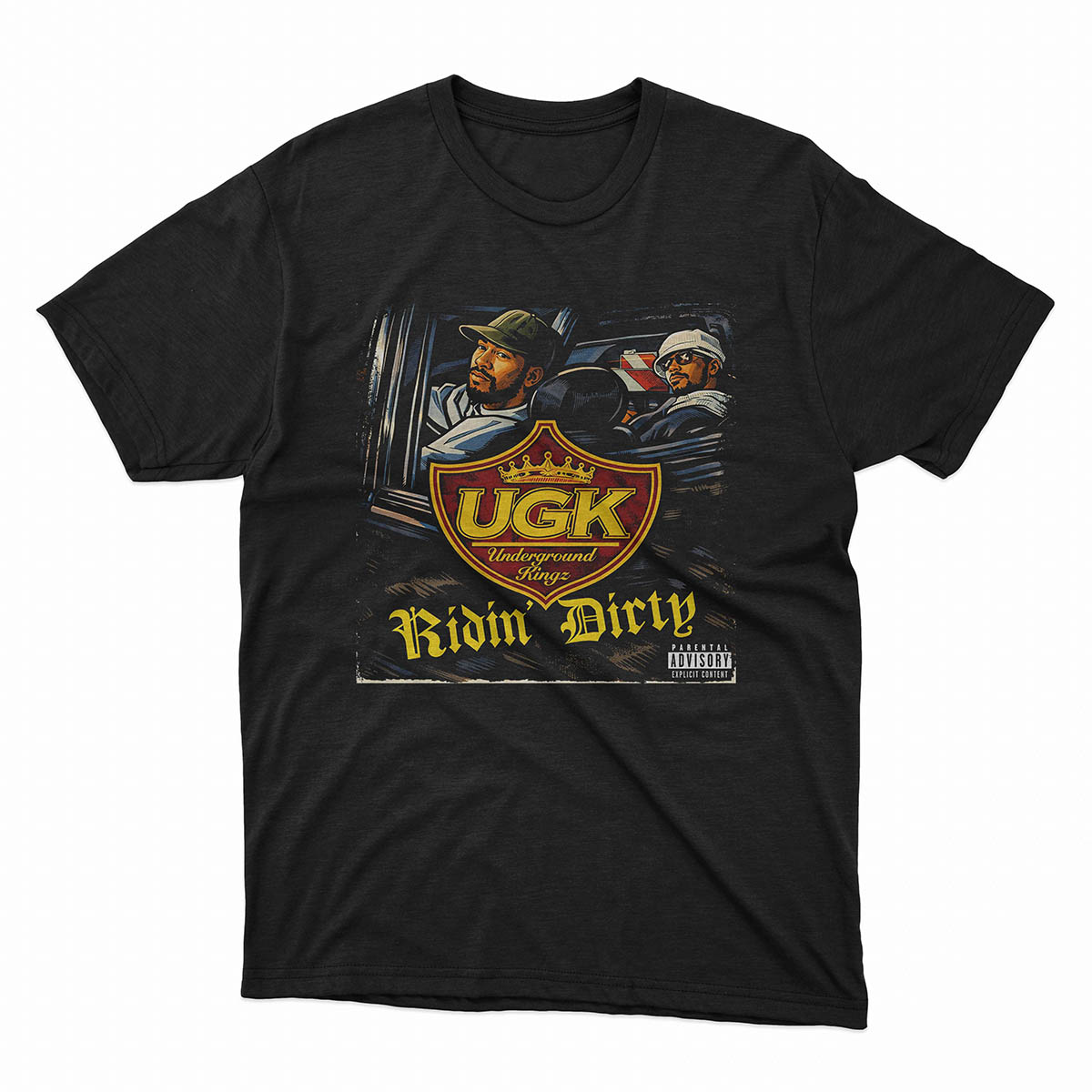
Pimp C and Bun B were Memphis’ favorite out-of-towners, from “Sippin’ on Some Syrup” to a DJ Paul and Juicy J beat on “Int’l Players Anthem.” We made the UGK Ridin’ Dirty T-Shirt for heads who know the Third Coast was always one scene.
The Phonk Afterlife: How Memphis Rap Tapes Took Over the Internet
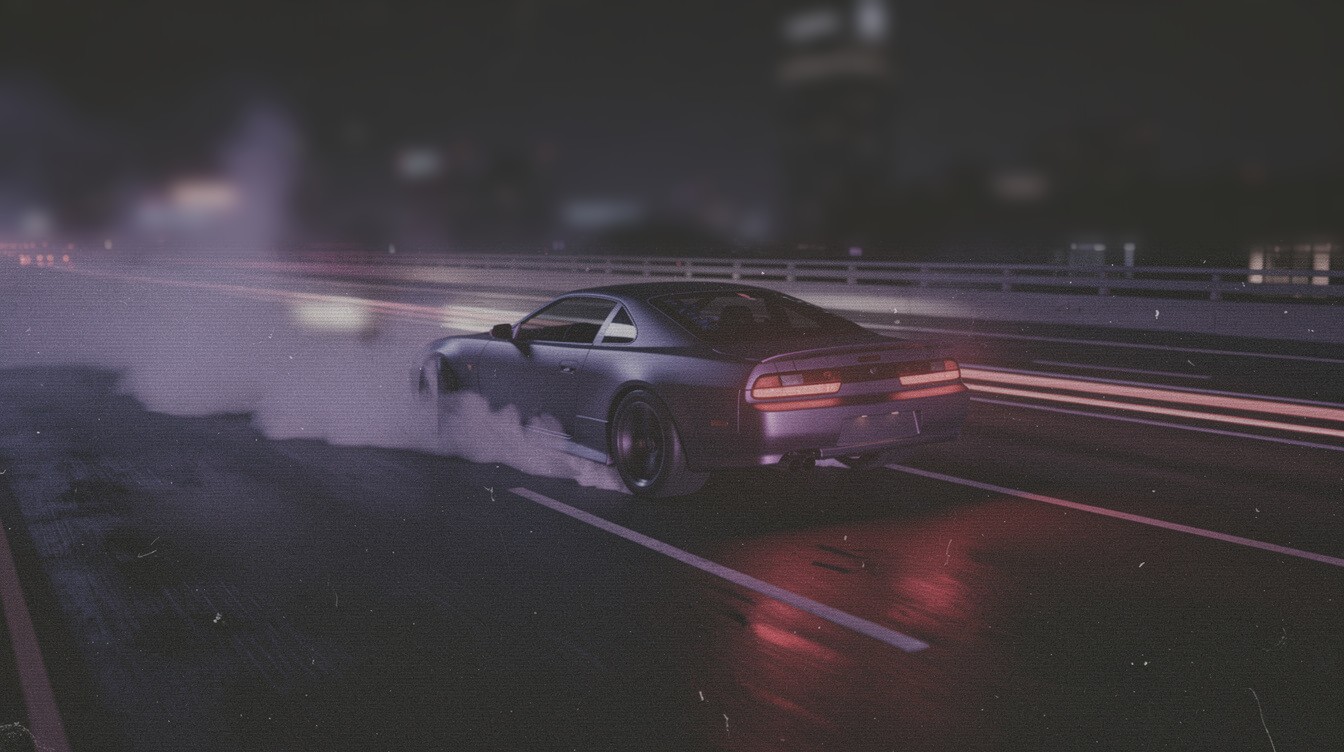
Here’s the strangest chapter of the story. The music that Memphis made for local clubs and car stereos, on tapes nobody expected to last, got a second life online. It’s now arguably more famous worldwide than it ever was at home.
MP3 blogs and the cult following
Through the 2000s, rips of rare Memphis tapes circulated on MP3 blogs and file-sharing forums. Wikipedia’s genre page credits that blog-era cult following with influencing a new generation of underground artists: Lil Ugly Mane, Freddie Dredd, Denzel Curry and SpaceGhostPurrp. The degraded audio wasn’t a bug for these listeners. It was the appeal, a sound that couldn’t have come from a modern studio.
SpaceGhostPurrp names it “phonk”
In the early 2010s, Miami’s SpaceGhostPurrp and his Raider Klan collective (which included a young Denzel Curry, Xavier Wulf and Amber London) rebuilt the Memphis aesthetic from those tape rips. SpaceGhostPurrp coined the word phonk through tracks like “Pheel tha Phonk” and his 2012 debut album Mysterious Phonk: Chronicles of SpaceGhostPurrp. He has said “phonk” is simply slang for funk. Wikipedia’s phonk article lists the genre’s foundations as Memphis rap vocals, chopped-and-screwed technique from Houston, and samples of early-’90s hip-hop. It names DJ Spanish Fly, DJ Squeeky, Tommy Wright III and Three 6 Mafia as pioneers of the sound phonk is built on.
Drift phonk, TikTok and Brazil
Then it mutated again. In the late 2010s a faster style called drift phonk took off in Russia, with heavier cowbell, distorted bass and car-culture visuals. TikTok carried it worldwide. One of the biggest drift-phonk hits, DVRST’s “Close Eyes” (2021), is built on a Project Pat vocal from his 2002 song “Still Ridin’ Clean,” per Wikipedia. Then the loop closed: drift-phonk producer Kordhell made a full collaborative album with DJ Paul, Music for the Funeral, in 2024. Meanwhile, by the mid-2020s Brazilian “funk automotivo” had become, for millions of young listeners, what “phonk” means. That puts a teenager in São Paulo or Moscow in the same lineage as DJ Squeeky’s Orange Mound bedroom, two or three degrees removed, whether they know it or not. In November 2022, Billboard reported on phonk fueling the Fast & Furious franchise’s soundtrack.
The archive finally gets its due
The tapes themselves are finally getting proper treatment. In 2023, Now-Again Records and Vinyl Me, Please released The Story of Memphis Rap, a box set of nine albums originally released inside Memphis city limits, pressed across 11 LPs and restored from the source. The box sold out; Now-Again has since reissued the individual albums. Lil Noid’s cult 1995 cassette Paranoid Funk, nine tracks in 26 minutes cut by a teenager, got its first vinyl pressing in 2015. Even skateboarding played a part. According to Red Bull Music Academy, the board company Shake Junt took its name from a Memphis rap song and named its first video, Chicken Bone Nowison, after a Tommy Wright III refrain.
Memphis Rap FAQ
What is Memphis rap?
Memphis rap is a regional hip-hop style from Memphis, Tennessee. It took shape in the late 1980s and early 1990s on independent cassettes. The core of the sound is booming Roland TR-808 drums, rapid hi-hats and cowbell, minor-key synth melodies, chanted hooks, triplet or double-time flows and dark, often horror-movie subject matter. The lo-fi texture of dubbed cassettes is part of the sound as well.
Who started Memphis rap?
There’s no single founder, and historians openly argue about “firsts.” DJ Spanish Fly is the name most often credited with setting the direction through his club sets and mixtapes in the mid-to-late 1980s. DJ Squeeky built much of the early production template. Gangsta Pat’s #1 Suspect is widely cited as the first Memphis rap record released by a major label, after Atlantic reissued it.
Is Three 6 Mafia Memphis rap?
Yes. Three 6 Mafia is the most famous Memphis rap group. DJ Paul and Juicy J came out of the city’s mixtape scene and released their early music through their own label, which became Hypnotize Minds. They took the sound to platinum sales and an Academy Award in 2006. Our Three 6 Mafia members guide covers who did what.
What’s the difference between Memphis rap and phonk?
Memphis rap is the original 1990s regional scene. Phonk is an internet-born genre from the early 2010s that samples and imitates it. SpaceGhostPurrp coined the term, and Wikipedia’s phonk article credits him with popularizing it. Later, “drift phonk” from Russia and Brazilian “funk automotivo” moved even further from the source, but the cowbells, chopped vocals and tape grit all trace back to Memphis.
Why does Memphis rap sound so lo-fi?
Because most of it was made cheaply and sold on cassette. Artists recorded in bedroom studios on drum machines and samplers, then the tapes were dubbed over and over for sale at clubs and car-audio shops. Every generation of copying added hiss and muffled the highs. Fans came to love that sound so much that modern producers add it on purpose.
How is Memphis rap different from Houston rap?
Houston’s signature is DJ Screw’s slowed-down, “chopped and screwed” sound, which is spacious and syrupy. Memphis rap is usually faster, harsher and darker, with rapid hi-hats and horror themes. The two cities traded constantly, though. Three 6 Mafia and Houston’s UGK made “Sippin’ on Some Syrup” together, and the phonk genre fuses both cities’ techniques. For the Houston side, read our deep dives on DJ Screw and Scarface.
Who are the biggest Memphis rappers today?
The modern Memphis rap scene is led by artists like Moneybagg Yo, GloRilla, Yo Gotti and NLE Choppa, with producers like Tay Keith, Hitkidd and Drumma Boy shaping the sound. Juicy J and Project Pat remain active links to the original era, and Duke Deuce is carrying crunk forward.
Final Thoughts: Memphis Rap Was Never Underground by Accident
Memphis didn’t wait for permission. When the industry ignored the city, its artists sold tapes out of club windows and car-stereo shops, built their own labels and kept their sound weird, dark and local. That independence is exactly why Memphis rap aged so well. Nothing about it was focus-grouped. The triplet flow that trap rode to the top of the charts, the cowbells in drift phonk, the “Tear da Club Up” chant on a Travis Scott album: all of it came from a city that was mostly making music for itself.
If you’re starting from zero, NPR’s Memphis history recommends a starter run worth stealing: 8Ball & MJG’s “Mr. Big,” Gangsta Pat’s “Deadly Verses,” Three 6 Mafia’s “Tear Da Club Up ’97,” Gangsta Boo’s “Where Dem Dollas At,” Playa Fly’s “Nobody,” DJ Zirk’s “Lock’em in Da Trunk,” Project Pat’s “If You Ain’t From My Hood,” Yo Gotti’s “Got Dem Racks,” Young Dolph’s “Major” and GloRilla’s “F.N.F.” Play them in that order and you’ll hear the whole story: the tapes, the crews, the crossover and the comeback.
Stay creative, and keep digging. The best Memphis tape you’ve never heard is probably still sitting in somebody’s shoebox.
Get the Culture in Your Inbox
Regional scene histories, liner-note receipts, anniversaries and first dibs on new drops. No spam, just hip-hop.

🎧 Never Miss a Drop
Exclusive product releases, hip-hop deep dives, and member-only discounts. Straight to your inbox.
Free forever. No spam. Unsubscribe anytime.
Get the Culture, Delivered
Deep dives into hip-hop history, exclusive product drops, and discounts sent straight to your inbox. No spam, just culture.
Join 2,000+ hip-hop heads already in the loop. Unsubscribe anytime.