8Ball and MJG: Orange Mound Players, Houston Money, and the Duo That Wrote the Southern Rap Blueprint
The cover of Comin’ Out Hard has the Houston skyline in the background. That was on purpose. “We always made it a fact too that we was coming nationwide by way of Houston,” MJG told NPR in 2014. It’s the whole 8Ball and MJG story in one image: two Orange Mound kids from Memphis, a teenage label owner in Texas, and a 1993 debut stamped catalog number SR-0001 that told a generation of Memphis rappers they could make it out. Thirty-plus years later they have honorary streets back home, a Hall of Fame plaque and a Tiny Desk set, and they’re still touring as a duo.
Search 8Ball and MJG right now and Google hands you YouTube tiles, streaming links and a knowledge panel. There’s no story. So here it is, end to end and checked against the liner notes: the 1991 cassette almost nobody mentions, the self-produced debut that Wikipedia credits to the wrong person, the Bay Area posse cut on a Memphis record, the platinum myth that turns out to be a different kind of true, and the label switch that put them on the biggest stage of their career.
Who Are 8Ball and MJG? Orange Mound, Two Opposites, One Seventh-Grade Class
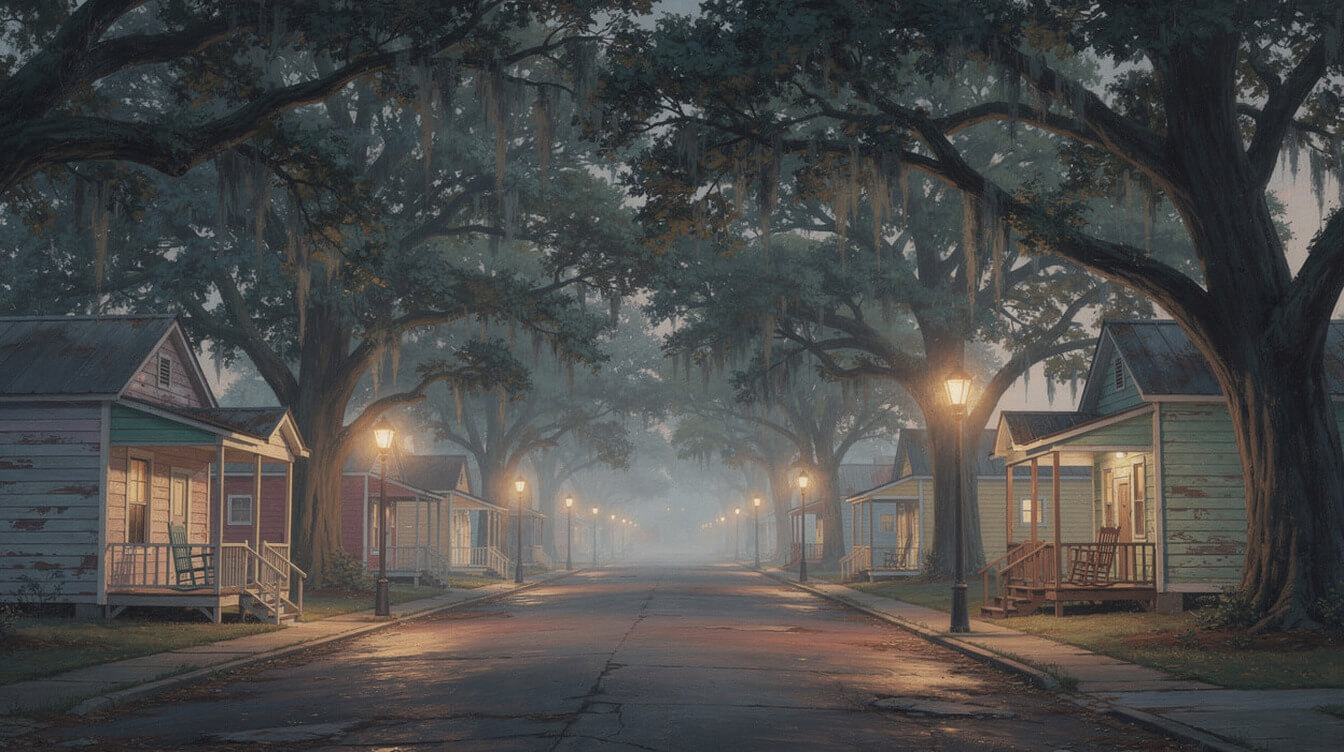
8Ball is Premro Smith. MJG is Marlon Jermaine Goodwin. Both came up in Orange Mound, the historic Black neighborhood in southeast Memphis, and both were bused out of it to Ridgeway, where they met in seventh grade. The school name trips people up: NPR and the Commercial Appeal say Ridgeway Middle School, while MJG himself has called it “Ridgeway High.” 8Ball cleared it up for Wax Poetics: he was at Ridgeway from seventh through ninth grade, then finished at Middle College High School. Either way, the duo started in a middle-school classroom.
“We took classes together, and we were two of the same,” MJG recalled in 2010, as quoted by the Memphis Music Hall of Fame. “Every high school has cliques, and we ran with the weed-smoking, class-cutting damn near misfits.”
The Studney Twins
Musically, they were never the same. 8Ball was the bigger man with the slower, smoother, laid-back delivery. MJG was lanky, with a sharper, staccato attack. Instead of hiding the contrast, they built the act on it. “Like we say all the time, we like the Studney Twins,” MJG said, in a line the Hall of Fame preserved, referencing a pair of mismatched “twins” from an old Godfather’s Pizza ad. “It’s the Studney of it that makes it special. It’s the unalikeness that makes us so alike.”
That’s the 8Ball and MJG formula in one sentence. On almost every record that followed, one verse eases in and the other cuts. Two voices, one point of view.
A Blues Club, a Pool Table and an Open Mic
Their first stage wasn’t a hip-hop venue. “We started hanging out at this little spot shooting pool, at this hole-in-the-wall club near MJG’s house that did blues, like live blues shows and made blues records,” 8Ball told NPR. “We hung out there so much, when they’d walk away, they’d let us get on the mic and start beat-boxing, rapping and stuff… so that’s how we started doing talent shows.”
It’s the most Memphis origin story possible. A blues joint lets two teenagers grab the mic, and the soul and blues they absorbed there ends up running through everything they made. 8Ball later framed the city’s whole lineage this way: “The Civil Rights Movement and the racism and the blues and soul music… all of that shaped what Memphis hip-hop is.” By the early ’90s the pair were turning up on mixtapes from DJ Squeeky, one of the key tape DJs of the Memphis underground we cover in our full history of Memphis rap.
From Listen to the Lyrics to Comin’ Out Hard: How 8Ball and MJG Went From a Memphis Tape to a Houston Label
The 1991 Cassette Almost Nobody Mentions
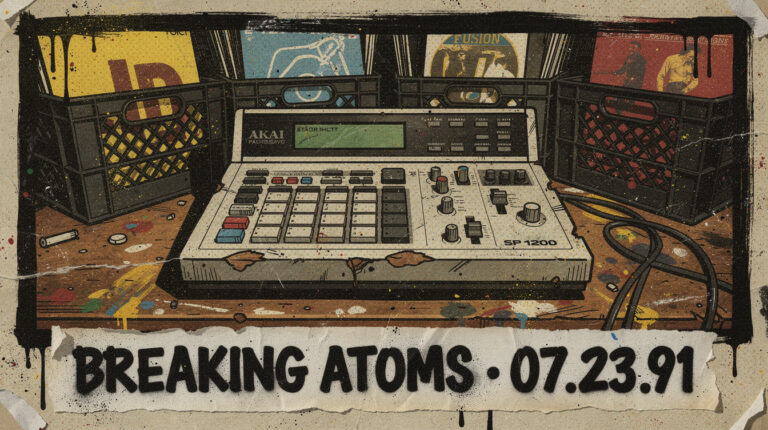
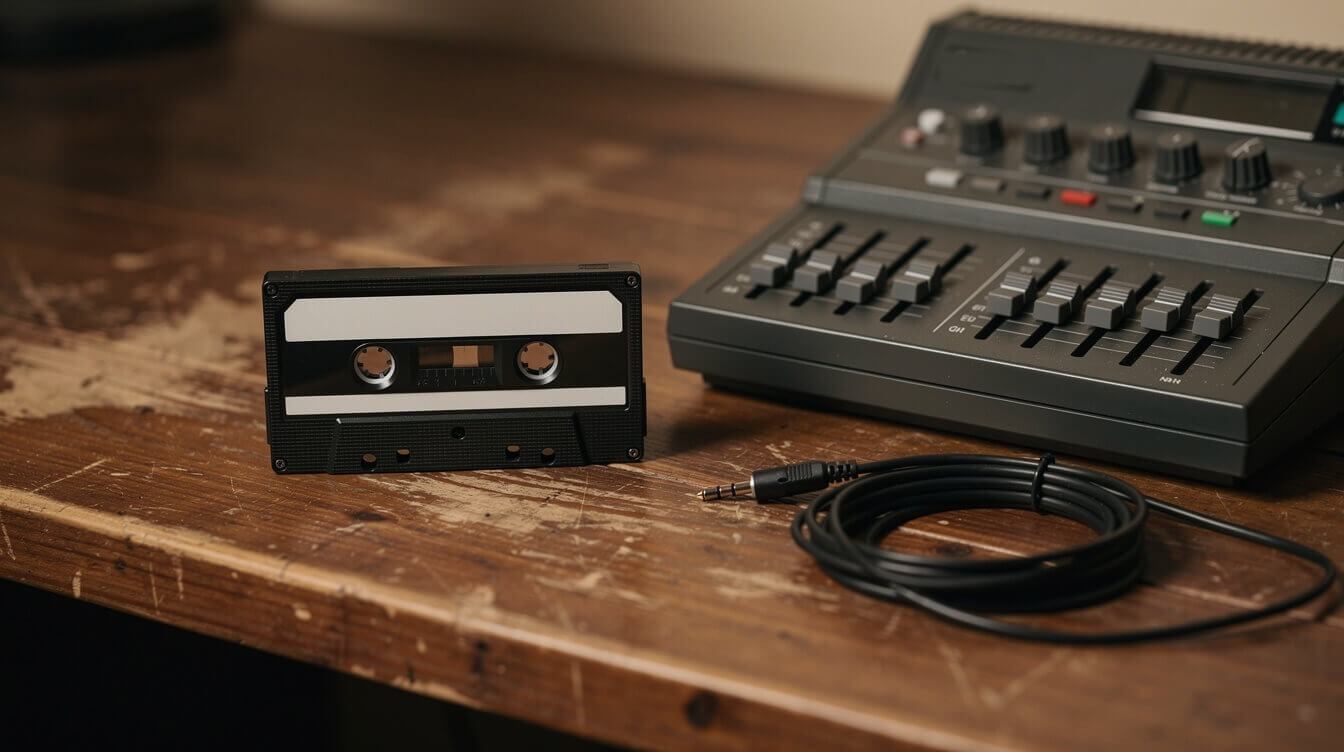
Before Suave House there was Listen to the Lyrics. Wikipedia calls it an “underground album,” but the actual release is smaller and more interesting than that. The Discogs entry for the 1991 tape lists a three-track cassette on Memphis’s On The Strength Records, catalog C-100: “Listen to the Lyrics,” “Pimp in the House” and “Got to Be Real.” NPR calls it an EP they cut in their senior year of high school.
The credits are the jewel. Production is listed to Marlon “MJG” Goodwin and Tyrone “Psyco” Bell, with scratches by DJ Zirk and J. Smooth, recorded at On The Strength Studio in Memphis. The fine print says it was manufactured and distributed by Paula Records, a division of Sue Records in Shreveport, Louisiana. So the duo’s first commercial release came out of a Memphis studio through a Louisiana distributor, with MJG already in the producer’s chair as a teenager. Those songs resurfaced later on the 1997 compilation Lyrics of a Pimp, which is why that album sounds rawer than what came before it. It’s a collection of pre-debut recordings, not a new studio album, even though some discographies list it as one.
Tony Draper and Suave House
The break came from a kid their own age. Tony Draper, a Memphis native raised in Houston, started his label as a teenager. “I started Suave House at 16 years old,” he has said in interviews with XXL and Vibe. MJG described him to NPR as “a cat who was basically the same age as us.”
8Ball told Wax Poetics they moved to Houston at the end of 1992. The recording conditions were about as far from a major label as you can get. “We was making the first few songs of Comin’ Out Hard in a empty bedroom in a two-bedroom apartment,” 8Ball told NPR. “No furniture.” MJG remembered “being in Tony Draper’s baby mother’s apartment, in the back room, belting out those tracks,” loud enough that neighbors called the police on them more than once.
They brought their sound with them. “We left Memphis with a suitcase of records, 45s and 33s,” MJG told NPR. “We had a lot of Stax Records, Marvin Gaye records, Simply Red, Rufus, a bunch of stuff.” 8Ball added that the samples on the debut came from records their parents had given them.
Comin’ Out Hard: Suave Records SR-0001
Comin’ Out Hard came out in summer 1993 on Suave Records with catalog number SR-0001. It was the label’s first release, and the whole Suave House run grew from it. (Sources disagree on the exact date. MusicBrainz says July 6, AllMusic says August, and Billboard’s R&B albums chart picked it up in early September.)
Here’s the credit most write-ups miss. Wikipedia’s infobox lists Tony Draper as producer, but the original CD and 12-inch credits on Discogs say the album was produced by Eightball & MJG, with Draper and James Endsley as executive producers. AllMusic agrees, and the Memphis Music Hall of Fame describes the album as “written and produced by Ball and G.” The duo made their own debut. Pen & Pixel, the Houston design firm whose chrome-and-gold excess would define late-’90s Southern indie album art, did the cover.
The tracklist is nine songs deep: “Intro,” “9 Little Millimeta Boys,” “The First Episode,” “Armed Robbery,” “Pimps,” the title track, “Mr. Big” (an 8Ball solo), a track with an uncensored title we won’t print here, and “Pimps in the House” (an MJG solo). It peaked at No. 40 on Billboard’s Top R&B/Hip-Hop Albums chart. That’s modest on paper, but Discogs also lists a 1993 West German pressing on the Rapture label, “Licensed from Suave Records, Houston,” so a garage-label debut out of a Houston apartment was getting licensed overseas in its first year.
What Comin’ Out Hard Meant in Memphis
The real numbers were measured on the block. Memphis producer Drumma Boy told NPR: “I remember popping it into my Oldsmobile, I had a ’83 Cutlass Oldsmobile, and we just hit the block, hit the mall and we just went everywhere. Just, ‘Woo!’ You didn’t want to get out the car.”
Memphis rapper Don Trip put it more bluntly. “The whole time, coming up as a rapper, that’s what they told me: ‘You will never make it from Memphis.’ … Comin’ Out Hard came from here. If they can make it from here, anybody can make it from here. That’s what gave me the ammunition I needed.”
That’s the record’s legacy. It wasn’t a chart smash. It was proof that a Memphis act could make it nationally.
On the Outside Looking In and the Houston Pipeline

On the Outside Looking In followed on May 24, 1994, on Suave House and Relativity. (Wikipedia contradicts itself with a September date in the body text. Billboard’s chart history shows the album charting in June, which rules September out.) It reached No. 11 on the R&B/Hip-Hop chart and No. 106 on the Billboard 200. The jump from No. 40 to No. 11 in under a year says the word was spreading fast.
Self-Produced Again, Now With Guests
Production stayed in-house, with the duo plus South O. XXL notes this was their first project with guest artists. Michigan’s MC Breed, already a national name, was advertised right on the cover and appears on “Sesshead Funk Junky.” Suave House labelmates Thorough and Crime Boss join on “Lay It Down.” Draper was building a label family around his flagship act, and 8Ball and MJG were the center of it.
The Memphis-Houston Bridge
This is where 8Ball and MJG’s role as a bridge between two cities took hold. They were Memphis players with Houston money behind them, living with Draper and recording in Texas while their records ran through Memphis cars. 8Ball told NPR that after the move, he, MJG and Draper “all stayed together,” and that’s “where the remainder of Comin’ Out Hard and On the Outside Looking In was… created.”
The touring was no-budget. “In a rental car with me, MJG and Draper and a trunk full of product. That was our tour,” 8Ball said in NPR’s outtakes from the same interviews. Houston already had its own independent machine in J. Prince’s operation, which we broke down in our history of Rap-A-Lot Records, and a whole slowed-down sound taking shape across town, covered in our DJ Screw story. Suave House slotted in as a third pole: a Houston label whose biggest act was from Memphis.
Bun B’s Verdict
The Texas side of the bridge has always given them their flowers. Bun B, as quoted by the Memphis Music Hall of Fame: “You call me a legend, you got to call them legends. Anything I’ve done in my career, they’ve done as well. I just think they don’t get enough credit. They’re not just great rappers, they’re great writers.”
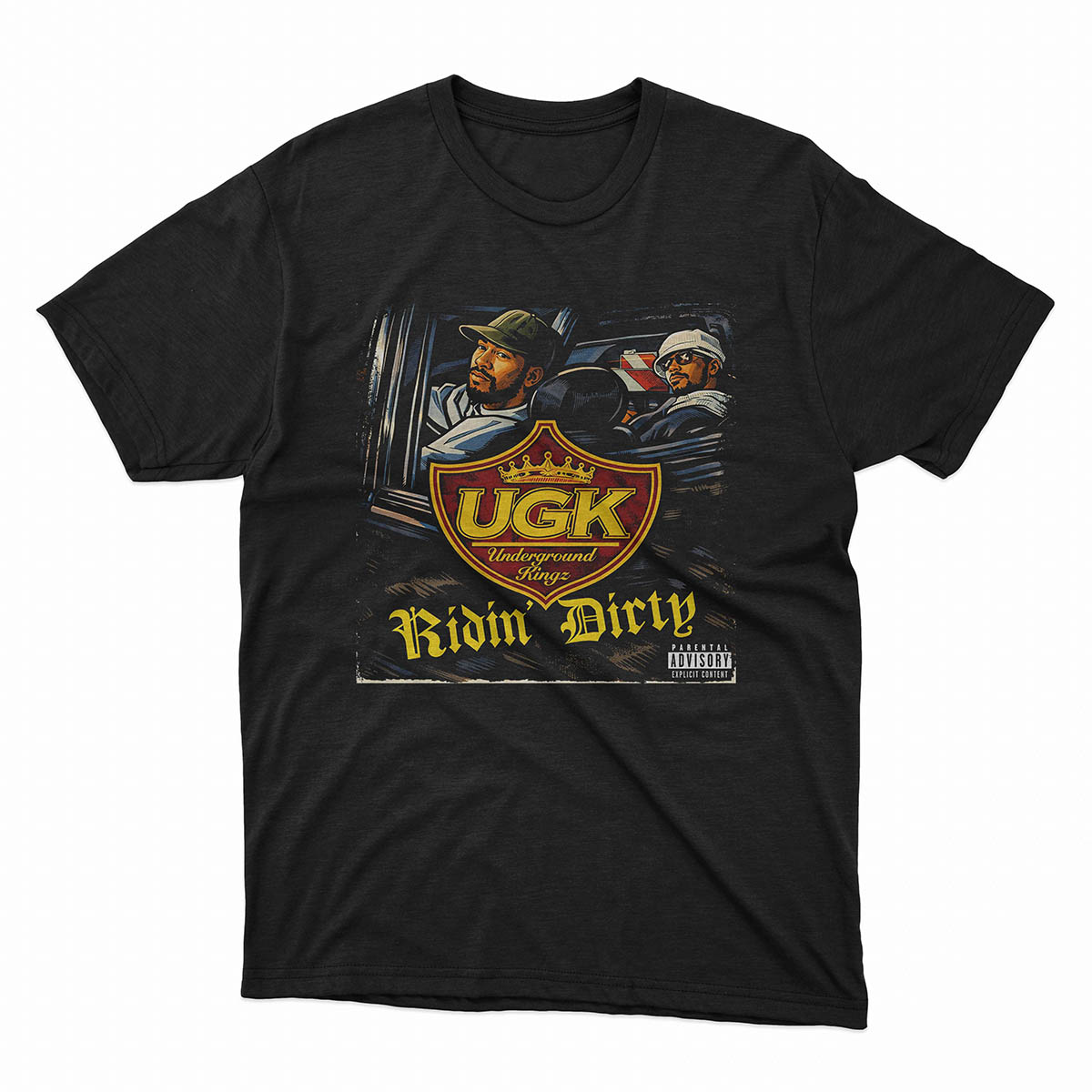
That comes from the other half of the Texas-Memphis axis. Bun’s partner Pimp C was a producer-first mind cut from the same soul-sampling cloth, and we told his story in our Pimp C deep dive. If you rep that Port Arthur side of Southern rap, our UGK Ridin Dirty Hoodie puts the 1996 classic on heavyweight fleece.
The Other Half of the Texas-Memphis Axis
Bun B called them legends, and the respect runs both ways. Our UGK Ridin’ Dirty tee and hoodie are for heads who know Southern rap was built by producers and writers, not trends.
On Top of the World (1995): The 8Ball and MJG Breakthrough

On Top of the World landed on October 31, 1995, and it’s the album that made 8Ball and MJG a national act. It debuted at No. 8 on the Billboard 200 and No. 2 on the R&B/Hip-Hop chart. (The Hall of Fame writes that it reached “#2 on the Billboard charts,” which is true of the R&B chart only, and that number gets repeated as if it were the main chart.) It was recorded at Digital Services in Houston, and Pen & Pixel did the cover again.
Gold in Under Three Months
The RIAA database lists On Top of the World as certified Gold on January 29, 1996, less than three months after release. For a Houston indie distributed through Relativity, that’s fast. 8Ball summed it up to Wax Poetics: the album “went gold in a couple of months.”
Who Actually Produced It?
Credits disagree here too, though it turns out they don’t really conflict. Wikipedia says every track is by T-Mix. Discogs credits “Smoke One Productions.” Both are right: Discogs lists T-Mix, born Triston Jones, as a member of Smoke One, the Suave House in-house production team. The cassette pressing also credits Eightball and MJG as producers. The duo’s sound was moving from two guys making their own beats to a label production team built around them, and that team would carry Suave House through the rest of the decade.
Space Age Pimpin’
“Space Age Pimpin’,” featuring vocalist Nina Creque, was the first charting single, and it’s still the duo’s signature record. It has a slow, glossy, futuristic soul groove, MJG’s clipped verses and 8Ball’s lazy drawl, and it sounds like the album cover looks. XXL put it this way: “On Top of the World‘s funky, futuristic style undoubtedly helped form a new sub-genre in rap.” If you’re asking what 8Ball and MJG’s most famous song is, this is the one fans name first. “Stay Fly” (more on that below) is the bigger chart hit.
“Friend or Foe”: The Bay and Rap-A-Lot on a Memphis Record
The deep-cut jewel is “Friend or Foe.” The album credits Rodney Ellis as featured, and Discogs lists uncredited raps from three guests: E-40 and Mac Mall from the Bay Area, and Big Mike, the former Geto Boys member. The liner notes spell out the label clearances: “E-40 courtesy of Sick-Wit-It/Jive,” “Mac Mall courtesy of Overkill/Relativity,” and Big Mike courtesy of “Rap-A-Lit Records.” That last one, as transcribed on Discogs, is a typo for Rap-A-Lot that stayed in print.
Think about what that track is. In 1995, the Bay’s independent hustle, Houston’s most powerful indie label and a Memphis duo on a Houston imprint all meet on one record. Years before “regional collab” was a marketing term, Southern and West Coast independents were already trading verses. If the Rap-A-Lot side of that lineage is your lane, our Scarface Mr. Scarface Is Back T-Shirt and Geto Boys City Under Siege T-Shirt carry the Fifth Ward half of the story, which we tell in full in our Scarface profile.
The Eazy-E Co-Sign
One more story from this era, told by MJG in NPR’s outtakes. Eazy-E heard MJG’s “1. don’t, 2. make me, 3. go off” line and told Draper: “That cat dere cold… You need to keep him.” It’s MJG’s own recollection, so take it as his account. But a Compton co-sign for a Memphis rapper on a Houston label fits everything else about this album.
The Solo Split and the Suave House Endgame (1997–2000)

Instead of rushing a fourth group album, 8Ball and MJG split up on purpose, at least on paper. Two solo records under one label meant two release cycles, two press runs and twice the shelf space.
MJG’s No More Glory
MJG went first with No More Glory on November 18, 1997. It reached No. 20 on the Billboard 200 and No. 4 on the R&B chart, and the RIAA certified it Gold on March 6, 1998. That’s a Gold solo record from the member people sometimes call “the other half.”
8Ball’s Lost, and the Platinum Myth That’s Half True
8Ball answered with Lost, a double album, on May 19, 1998. It peaked at No. 5 on the Billboard 200, higher than any duo album up to that point. The Memphis Music Hall of Fame says it sold “upwards of a million copies, making him the first solo Southern rap artist to ever go platinum.” Both halves of that claim need context.
On sales, the RIAA database does list Lost at multi-platinum, certified August 10, 1998, less than three months after release. The catch is that it’s a double album, and under RIAA rules each disc of a long multi-disc set can count toward the total. So the plaque is real, but “around a million sets” is the fair reading of it. Wikipedia’s “1.8 million copies” line is unsupported.
On “first,” the record doesn’t back it up. The same RIAA database shows Scarface’s solo album The Diary certified Platinum on December 5, 1994, years before Lost. 8Ball’s run was huge. It just wasn’t the first.
In Our Lifetime: Back Together, Back on Top
The duo reunited for In Our Lifetime, Vol. 1 on May 18, 1999, released through Suave House under a new Universal distribution deal. Production came from T-Mix and Mr. DJ, with Draper as executive producer. The liner notes credit “The Dungeon Recording Studios” for part of the sessions, and OutKast appear on the album. It reached No. 10 on the Billboard 200 and No. 1 on the R&B/Hip-Hop chart, and the RIAA certified it Gold on July 14, 1999. It was the last full 8Ball and MJG album on Suave House.
Space Age 4 Eva and the Major-Label Gloss
Space Age 4 Eva (November 21, 2000, JCOR/Interscope) brought in outside talent: Swizz Beatz on two tracks, Jazze Pha on three, DJ Quik on two, with MJG still producing too. It debuted at No. 39 on the Billboard 200 with about 74,000 first-week copies. The guest producers came from all over: a New York hitmaker, an Atlanta hook-and-beat specialist and a Compton legend, all on an album that still opened with the space-age theme the duo built in 1995. The Suave House era was over, and the next deal turned out to be the biggest of their career.
Bad Boy, Stay Fly and Grand Hustle (2003–2010)

The first Bad Boy connection came years earlier. 8Ball and MJG appear on “The Player Way” from Mase’s Harlem World (1997), a New York-to-Memphis link-up at the height of the shiny-suit era. In the early 2000s it became a contract. The duo signed with Bad Boy and released through its Southern branch, Bad Boy South. As the Hall of Fame notes, that made them one of the few Southern acts on the label, and Wikipedia describes the imprint as built around them.
Living Legends: Their Biggest Week
Living Legends arrived on May 11, 2004, and it was the peak. It debuted at No. 3 on the Billboard 200 with about 121,000 copies in its first week, their career-best chart position, and went to No. 1 on both the R&B/Hip-Hop and Rap charts. The RIAA certified it Gold on July 20, 2004. Production came from a 2004 all-star bench: Bangladesh, Cool & Dre, Lil Jon, D-Dot and Nashiem Myrick. The singles were “You Don’t Want Drama” and “Forever” with Lloyd, and the Hall of Fame also counts “Straight Cadillac Pimpin'” among the hits. The Hall of Fame calls Living Legends their best-selling album to date. The title says what it was: a duo that started in a Houston apartment, now holding a top-three record on a major.
“Stay Fly”: The Memphis Family Hit
The biggest song either act ever had wasn’t released under the 8Ball and MJG name. “Stay Fly,” the 2005 lead single from Three 6 Mafia’s Most Known Unknown, featured 8Ball and MJG and peaked at No. 13 on the Billboard Hot 100. DJ Paul and Juicy J built it on a sample of Willie Hutch’s 1973 “Tell Me Why Has Our Love Turned Cold.” The RIAA certified the song Gold on December 7, 2005, and later 2x Platinum as a mastertone, the ringtone format that defined that era of the business.
It’s fitting that the biggest hit was a Memphis family record. 8Ball once described the city’s two poles this way, in a quote the Hall of Fame preserved: “8Ball and MJG was the soulful side of Memphis, and Three 6 Mafia was the mad, younger side.” “Stay Fly” put both sides on one hook. Our Three 6 Mafia members breakdown covers the other half of that equation.
Ridin High, the Exit and Grand Hustle
Ridin High followed on March 13, 2007. It was originally titled Pure American Pimpin’ and slated for 2006, and it debuted at No. 8 on the Billboard 200. Billboard reported that Bad Boy released the duo in April 2008. By June 2008 they had signed with Atlanta’s Grand Hustle, which released Ten Toes Down on May 4, 2010. It debuted at No. 36 on the Billboard 200, with production from Memphis’s own Drumma Boy, Nard & B and David Banner, and guests including Bun B and Slim Thug. The man who once described Comin’ Out Hard as the soundtrack to his Cutlass ended up producing for the duo who made it.
Where 8Ball and MJG Are Now, and Why the Legacy Matters

Hall of Fame, Street Signs and a Tiny Desk
On November 1, 2018, 8Ball and MJG were inducted into the Memphis Music Hall of Fame, in the same class as Aretha Franklin. Local coverage noted they were only the second hip-hop act to get in, after Three 6 Mafia in 2012. On January 2, 2019, they released Classic Pimpin’, their first live album and a career-spanning set.
In September 2024, Memphis gave them honorary street names along Park Avenue and Airways Boulevard: 8Ball Boulevard and MJG Avenue. On June 18, 2026, NPR posted their Tiny Desk concert, a full-circle moment for a duo NPR had profiled 12 years earlier. They still tour as a duo, and each runs his own imprint, 8 Ways Entertainment for 8Ball and MJG Muzik for MJG. A biopic titled Comin’ Out Hard has been listed as in development, with no release date confirmed.
The Template Houston Ran With
The Hall of Fame makes a point worth repeating. When Houston’s mid-2000s wave broke nationally with Mike Jones, Slim Thug and Chamillionaire, the sound leaned on a template 8Ball and MJG had set a decade earlier: slow, soulful, car-tuned, with pimp talk sitting next to real up-from-nothing storytelling. We traced one piece of that wave in our look at Slim Thug’s Already Platinum. Tom Breihan described their range as swinging “from visceral bone-chilling pimp-talk to warm, openhearted up-from-nothing inspirational tales.” That range is the blueprint.
The duo itself is the bridge. Memphis gave them the blues, the soul records and the hunger. Houston gave them a label, a studio and a distribution path. They gave both cities proof that you didn’t need New York or LA to go Gold. “It will always be Ball and G,” 8Ball said. “You can’t stop that. It’s bigger than me and him now.”
Start Here: Five 8Ball and MJG Albums
- Comin’ Out Hard (1993): Suave SR-0001, self-produced in an empty apartment. The origin.
- On the Outside Looking In (1994): the Houston pipeline locks in, with first guests and a No. 11 R&B peak.
- On Top of the World (1995): the breakthrough, with “Space Age Pimpin’,” “Friend or Foe,” and Gold in under three months.
- In Our Lifetime, Vol. 1 (1999): the reunion, a No. 1 R&B record and the Suave House finale.
- Living Legends (2004): the major-label peak, No. 3 on the Billboard 200.
For collectors chasing the “8Ball and MJG vinyl” itch, the grails are the early Suave House pressings with their Pen & Pixel covers. A copy carrying catalog number SR-0001 is the start of a label.
8Ball and MJG FAQ
Is 8Ball a rap group?
8Ball is Premro Smith, one half of the Memphis duo 8Ball and MJG. His partner is MJG, Marlon Jermaine Goodwin. Both have also released solo albums: 8Ball’s Lost (1998) and MJG’s No More Glory (1997).
Where are 8Ball and MJG from?
Orange Mound, Memphis, Tennessee. They met in seventh grade at Ridgeway, then built their career through Houston’s Suave House label after moving to Texas at the end of 1992.
What is 8Ball and MJG’s most famous song?
“Space Age Pimpin'” (1995) is their signature duo record. Their biggest chart hit is “Stay Fly” (2005), Three 6 Mafia’s single featuring 8Ball and MJG, which peaked at No. 13 on the Billboard Hot 100.
How many albums did 8Ball and MJG make?
Eight studio albums as a duo: Comin’ Out Hard (1993), On the Outside Looking In (1994), On Top of the World (1995), In Our Lifetime, Vol. 1 (1999), Space Age 4 Eva (2000), Living Legends (2004), Ridin High (2007) and Ten Toes Down (2010). Lyrics of a Pimp (1997) is a compilation of pre-debut recordings, and Classic Pimpin’ (2019) is a live album.
Were 8Ball and MJG signed to Bad Boy?
Yes. They signed with Bad Boy in the early 2000s and released Living Legends (2004) and Ridin High (2007) through its Southern branch, Bad Boy South. Billboard reported the label released them in April 2008, and they joined Grand Hustle that June.
Who produced Comin’ Out Hard?
The album’s original credits list Eightball and MJG as producers, with Tony Draper and James Endsley as executive producers. Some online sources credit Draper as producer, but the CD and 12-inch credits say the duo produced their own debut.
What are 8Ball and MJG doing now?
They still perform as a duo, played NPR’s Tiny Desk in 2026, and run their own imprints, 8 Ways Entertainment and MJG Muzik. Memphis honored them with the Hall of Fame induction in 2018 and honorary street names in 2024.
Two kids from Orange Mound, a teenage label boss and a suitcase full of Stax records. That’s how a whole region learned it didn’t have to ask permission. Put on On Top of the World, let “Space Age Pimpin'” ride, and listen to the unalikeness doing exactly what MJG said it would.
Stay creative — The Custom Creative Team
Get the Liner-Note Receipts First
One email a week: record histories, producer credits and new drops from the Custom Creative team. No spam, just culture.

🎧 Never Miss a Drop
Exclusive product releases, hip-hop deep dives, and member-only discounts. Straight to your inbox.
Free forever. No spam. Unsubscribe anytime.
Get the Culture, Delivered
Deep dives into hip-hop history, exclusive product drops, and discounts sent straight to your inbox. No spam, just culture.
Join 2,000+ hip-hop heads already in the loop. Unsubscribe anytime.